Year 4
The science inquiry skills and science as a human endeavour strands are described across a two-year band. In their planning, schools and teachers refer to the expectations outlined in the achievement standard and also to the content of the science understanding strand for the relevant year level to ensure that these two strands are addressed over the two-year period. The three strands of the curriculum are interrelated and their content is taught in an integrated way. The order and detail in which the content descriptions are organised into teaching and learning programs are decisions to be made by the teacher.
Incorporating the key ideas of science
Over Years 3 to 6, students develop their understanding of a range of systems operating at different time and geographic scales.
In Year 4, students broaden their understanding of classification and form and function through an exploration of the properties of natural and processed materials. They learn that forces include non-contact forces and begin to appreciate that some interactions result from phenomena that can't be seen with the naked eye. They begin to appreciate that current systems, such as Earth's surface, have characteristics that have resulted from past changes and that living things form part of systems. They understand that some systems change in predictable ways, such as through cycles. They apply their knowledge to make predictions based on interactions within systems, including those involving the actions of humans.
(source: www.australiancurriculum.edu.au)
Achievement Standard
By the end of Year 4, students apply the observable properties of materials to explain how objects and materials can be used. They describe how contact and non-contact forces affect interactions between objects. They discuss how natural processes and human activity cause changes to Earth’s surface. They describe relationships that assist the survival of living things and sequence key stages in the life cycle of a plant or animal. They identify when science is used to understand the effect of their actions.
Students follow instructions to identify investigable questions about familiar contexts and make predictions based on prior knowledge. They describe ways to conduct investigations and safely use equipment to make and record observations with accuracy. They use provided tables and column graphs to organise data and identify patterns. Students suggest explanations for observations and compare their findings with their predictions. They suggest reasons why a test was fair or not. They use formal and informal ways to communicate their observations and findings.
(source: www.australiancurriculum.edu.au)
- Plus Plan
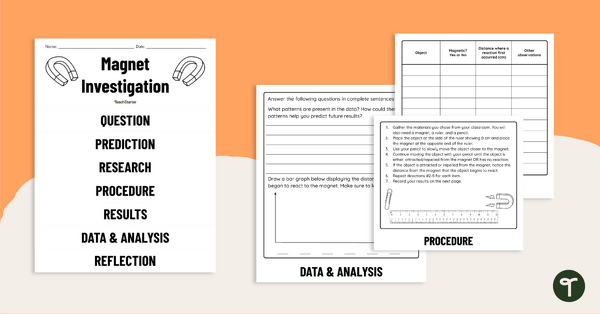
Magnet Investigation Flipbook
Explore magnetic and non-magnetic materials and investigate the strength of magnets with this investigation flipbook.
- Plus Plan
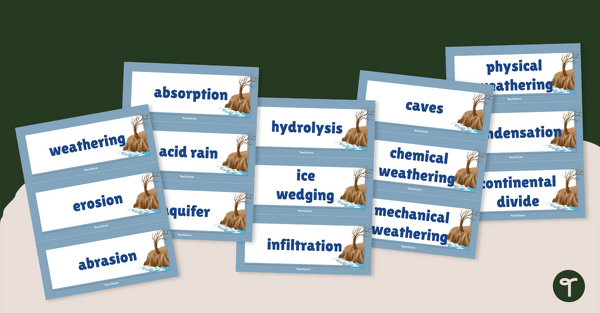
Weathering and Erosion Word Wall Vocabulary
Expand your students' science vocabulary with a weathering and erosion word wall.
- Plus Plan
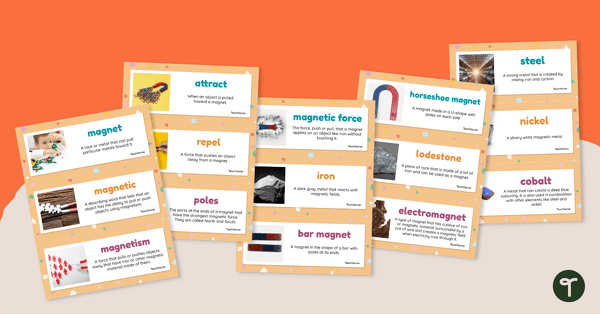
Magnetism Vocabulary Cards
Reinforce science vocabulary in your classroom with this set of word wall cards that focus on magnetism.
- Plus Plan
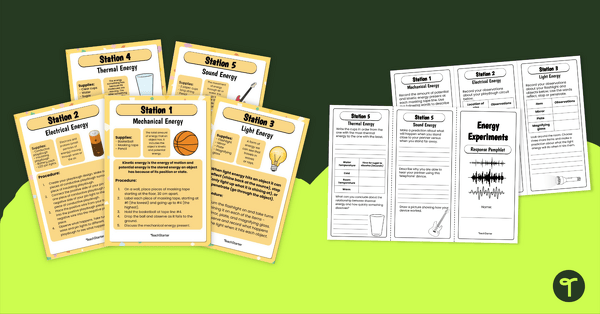
Forms of Energy – Year 4 Science Experiments for Kids
Investigate mechanical, electrical, light, thermal and sound energy with this set of science activities for kids.
- Plus Plan
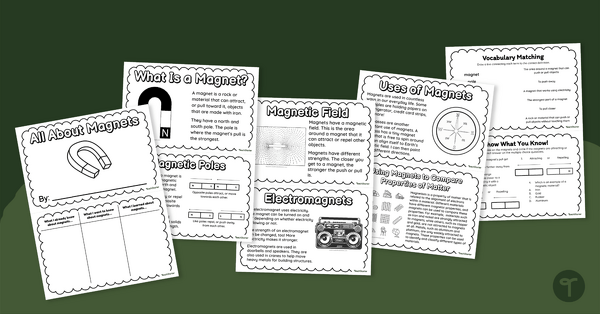
All About Magnets Mini-Book
Learn about magnets, magnetic poles, magnetic fields and more with this printable mini-book.
- Plus Plan
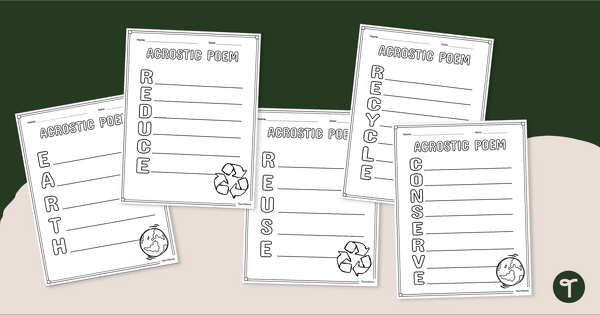
Earth Day - Acrostic Poem Template Pack
An acrostic poem template to use in the classroom to celebrate Earth Day and National Poetry Month.
- Plus Plan
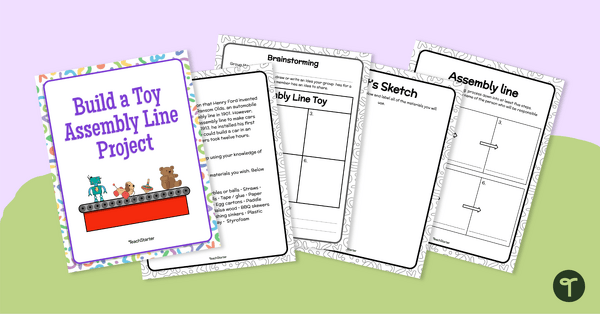
Assembly Line Production - STEAM Project
Engage your students in learning about the assembly line process with an exciting project-based task.
- Plus Plan
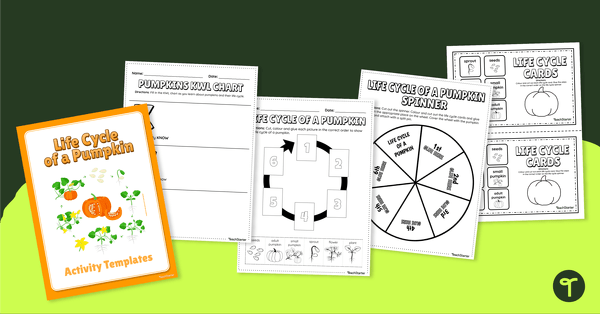
Life Cycle of a Pumpkin Activity Templates
Organise, record and display information about the life cycle of a pumpkin with these activity templates.
- Plus Plan
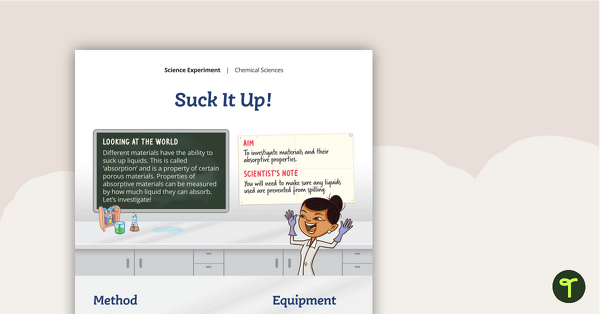
Science Experiment - Suck It Up!
A science experiment which investigates the absorptive properties of various materials.
- Free Plan
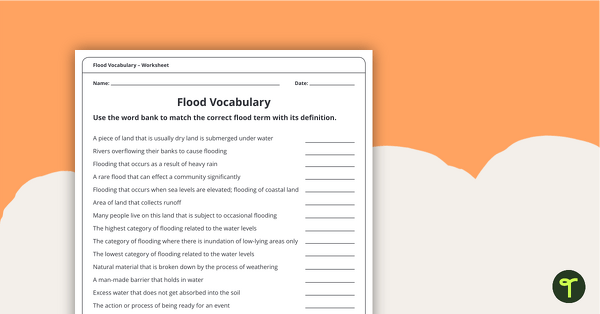
Flood Vocabulary Task
A vocabulary task for students to use when demonstrating their understanding of the impact of floods in Australia.
- Free Plan
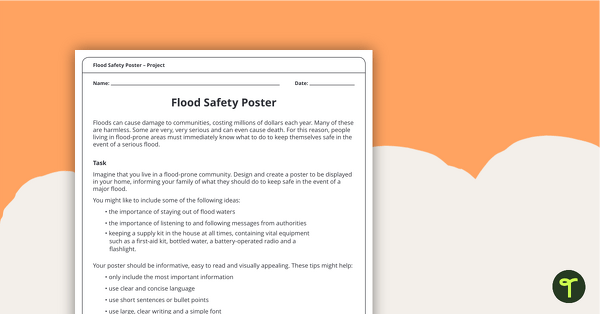
Flood Safety Poster - Design and Create Task
A design and create task for students to demonstrate their understanding of the impact of floods.
- Plus Plan
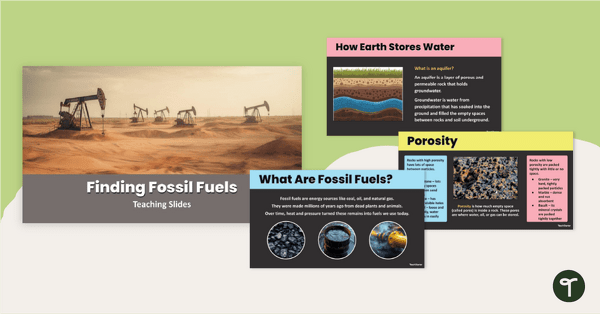
Finding Fossil Fuels PowerPoint
Use an interactive ‘Finding Fossil Fuels’ Natural Resources PowerPoint to teach your students about how and where the Earth stores natural resources such as fossil fuels.
- Plus Plan
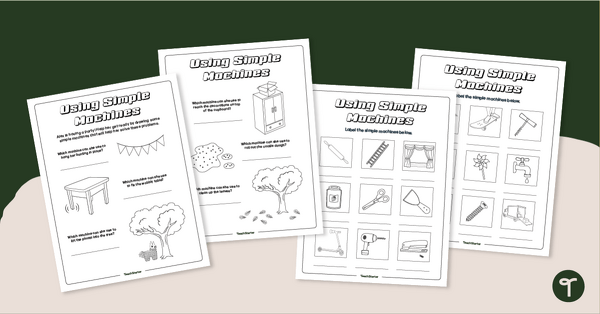
Using Simple Machines Worksheet Pack
Download a simple machines worksheet pack to use in the classroom when learning about simple machines and how they can help use solve everyday problems.
- Plus Plan
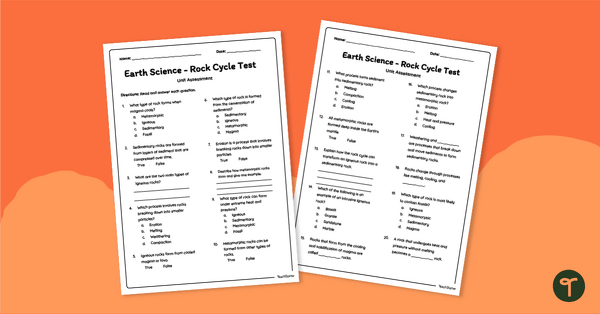
Rock Cycle Test
Use an Earth Science Rock Cycle Test to assess your students’ understanding of the rock cycle.
- Plus Plan
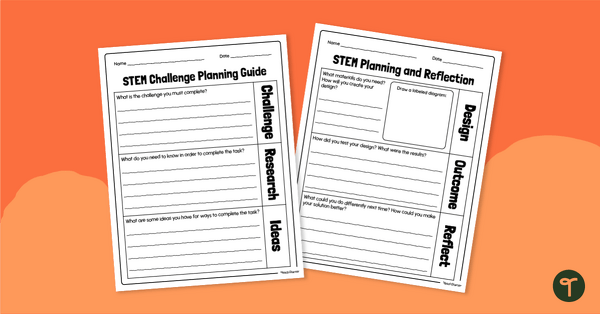
STEM Challenge Planning Guide-Upper Years
Use this STEM Challenge Planning sheet with to keep your students on task and organised when completing STEM challenges.
- Free Plan
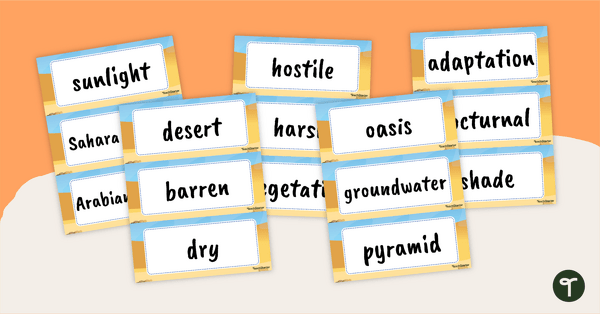
Desert Word Wall Vocabulary
Spark discussion and build academic vocabulary with a desert related vocabulary word wall.
- Plus Plan
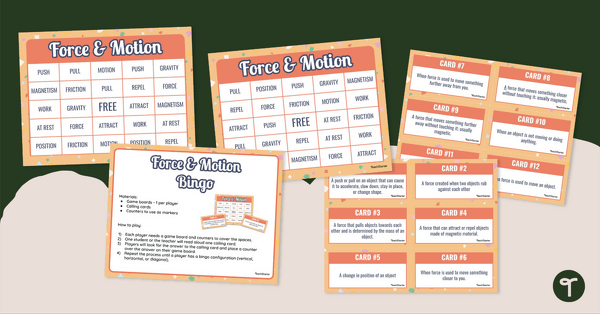
Force and Motion Bingo
Play a forces and motion game with your students to reinforce key subject-specific vocabulary.
- Plus Plan
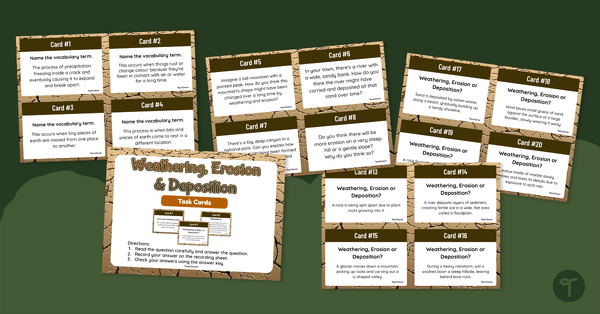
Slow Changes to Earth's Surface Task Cards
Guide your students to answer vocabulary and situational questions about weathering, erosion and deposition with this set of 24 task cards.
- Plus Plan
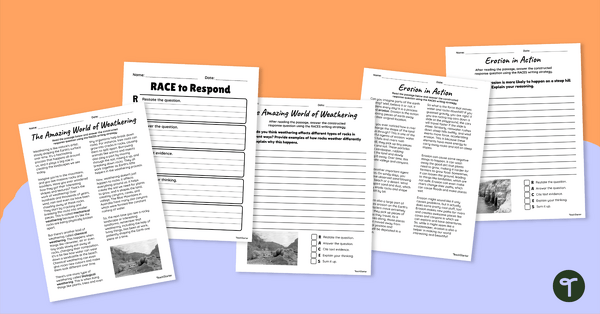
Weathering and Erosion – RACES Writing Strategy Worksheets
Combine reading, writing and science with two worksheets about weathering and erosion using the RACES writing strategy for text evidence.
- Plus Plan
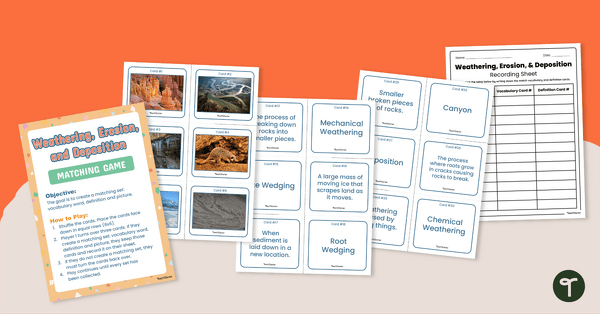
Weathering, Erosion and Deposition Matching Game
Challenge your students to identify different slow changes to Earth’s surface with this matching game designed for year 4 and 5 students.
- Plus Plan
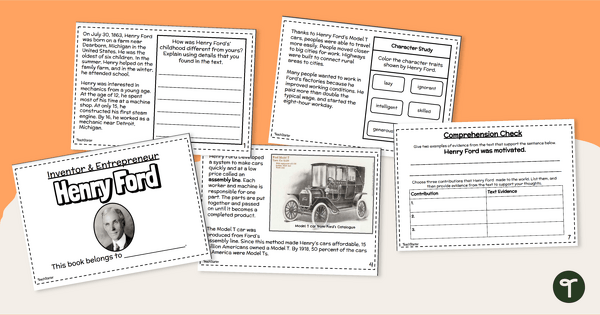
Henry Ford Mini Book - Famous Inventor Activity Book
Provide students with cross-curricular history, science and reading instruction with a printable Henry Ford mini book.
- Plus Plan
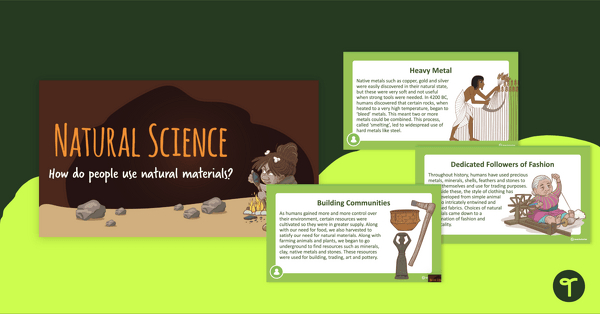
Natural Science PowerPoint - How Do People Use Natural Resources?
A teaching presentation discussing natural resources and how humans interact with them.
- Plus Plan
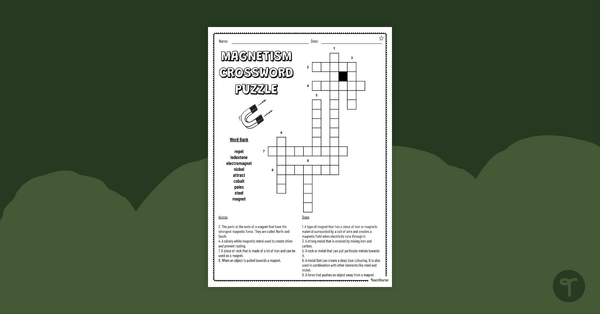
Magnetism Crossword Puzzle
Use this magnetism crossword puzzle to reinforce the scientific vocabulary related this non-contact force.
- Plus Plan
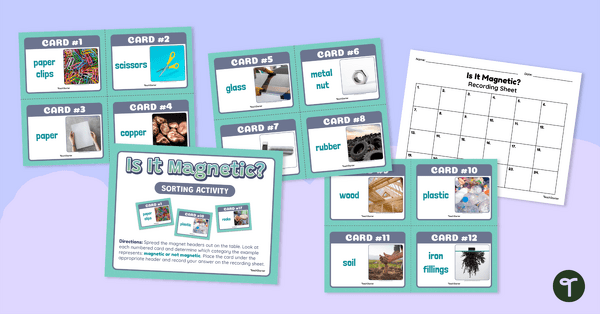
Is It Magnetic? Sorting Activity
Use this sorting activity when classifying objects as magnetic or not magnetic.
- Plus Plan
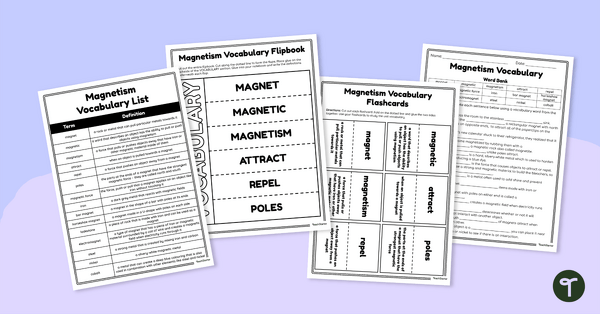
Magnetism – Science Vocabulary Worksheets
Review terms associated with magnetism with this science vocabulary worksheet pack.
- Free Plan
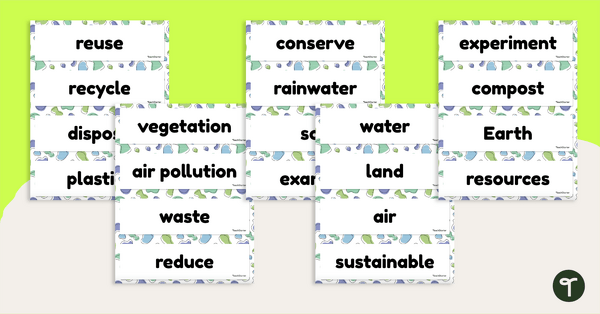
Save Planet Earth - Science Word Wall Vocabulary
Print and display Earth Day-related terms in your classroom to improve vocabulary and discussion about Earth Day.
- Plus Plan
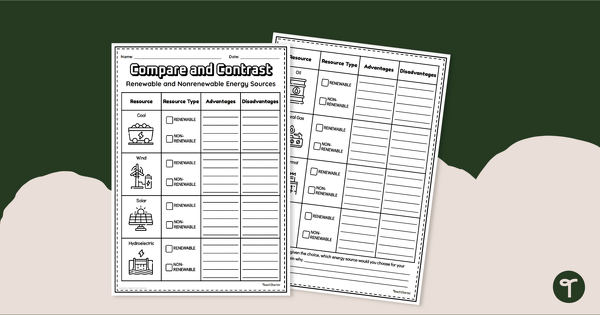
Comparing Energy Sources Worksheet & Graphic Organiser
Compare and contrast different types of renewable energy sources with a printable graphic organiser.
- Free Plan
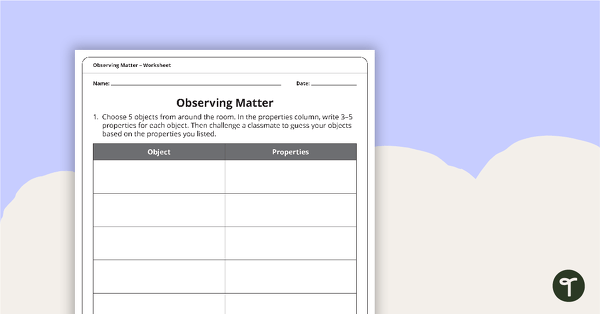
Observing Matter Worksheet
A worksheet to practise observing the properties of materials used in a range of objects.
- Plus Plan

Natural and Processed Materials PowerPoint
A teaching presentation comparing natural and processed materials and how humans make scientific comparisons.
- Plus Plan
Electric Avenue - Understanding the Non-contact Force of Electrostatics PowerPoint
A teaching presentation introducing the students to the non-contact force of electrostatics.
- Free Plan
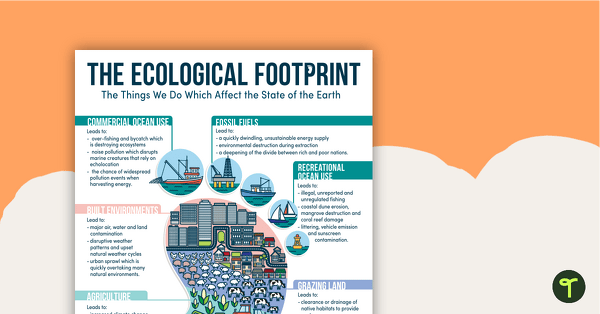
My Ecological Footprint - Reference Sheet
Teach your students about the things we do that affect the Earth with an ecological footprint reference sheet.
- Plus Plan
Plastic and Concrete PowerPoint - How Do People Use Processed Materials?
A teaching presentation discussing processed materials and their uses.