ELAR 6.9
Author's purpose and craft: listening, speaking, reading, writing, and thinking using multiple texts. The student uses critical inquiry to analyze the authors' choices and how they influence and communicate meaning within a variety of texts. The student analyzes and applies author's craft purposefully in order to develop his or her own products and performances. The student is expected to:
(A) explain the author's purpose and message within a text;
(B) analyze how the use of text structure contributes to the author's purpose;
(C) analyze the author's use of print and graphic features to achieve specific purposes;
(D) describe how the author's use of figurative language such as metaphor and personification achieves specific purposes;
(E) identify the use of literary devices, including omniscient and limited point of view, to achieve a specific purpose;
(F) analyze how the author's use of language contributes to mood and voice; and
(G) explain the differences between rhetorical devices and logical fallacies.
- Free Plan
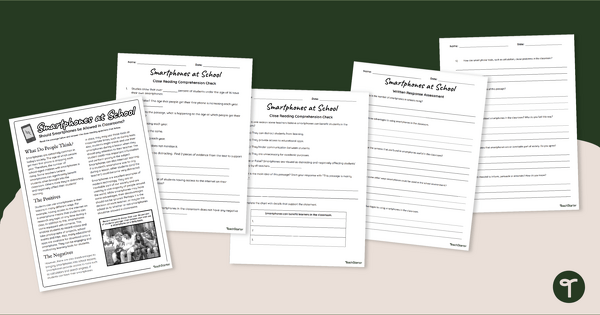
Should Smartphones Be Allowed in Class? Comprehension Worksheets
Decide if cellphones should be allowed in class and boost comprehension skills with a reading passage and comprehension test.
- Free Plan
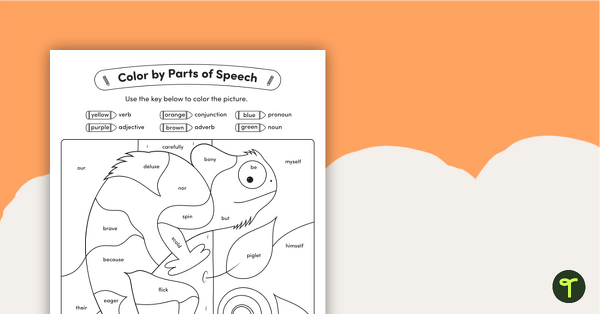
Color by Parts of Speech Worksheet – Chameleon
Practice identifying different parts of speech with this fun color-by-code worksheet.
- Free Plan
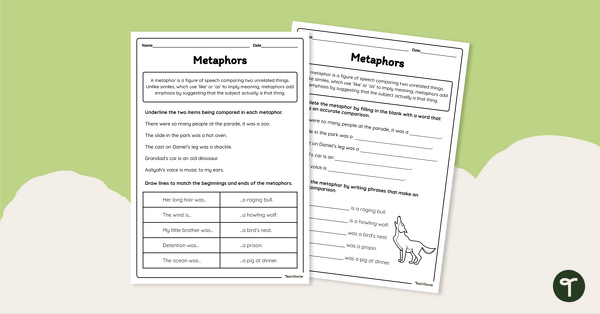
Metaphors Worksheet
Practice identifying and using metaphors with this differentiated metaphors worksheet.
- Plus Plan
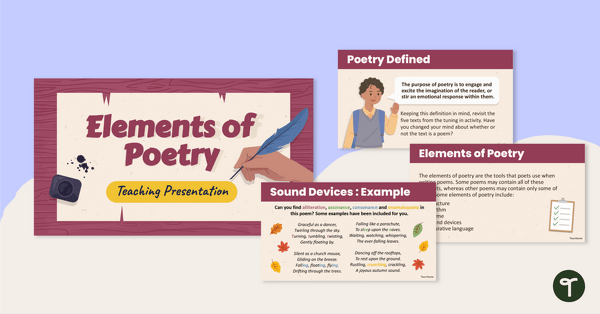
Elements of Poetry Teaching Slides
Explore the key elements of poetry with your students using this comprehensive and age-appropriate slide deck perfect for your poetry writing unit.
- Plus Plan
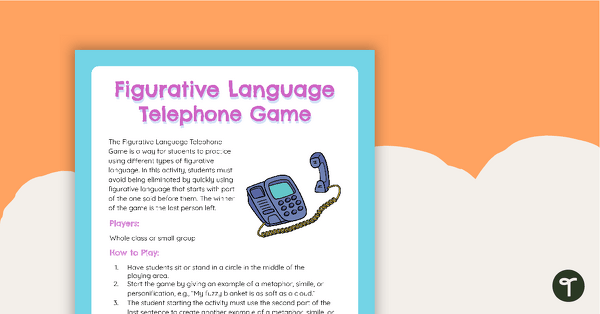
Figurative Language Telephone Game
Play this figurative language game with a group to practice recognizing and inventing metaphors, similes, and personification.
- Free Plan
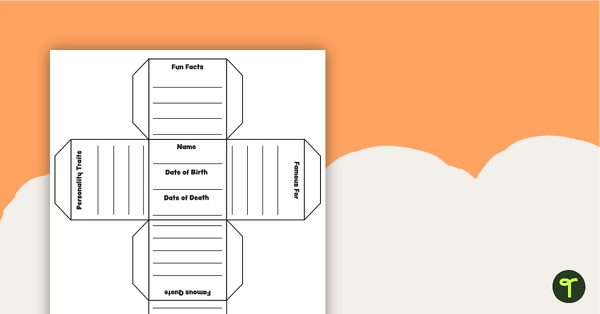
Biography Cube
Research and create an interactive biography for a historical figure.
- Plus Plan
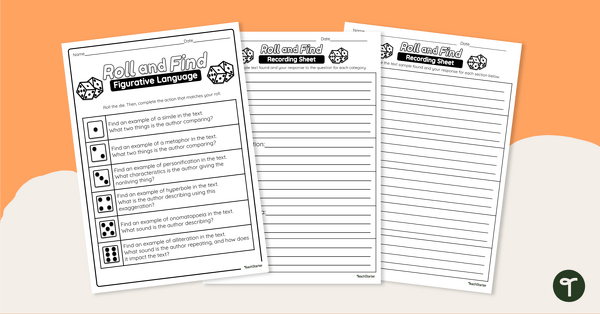
Roll and Find – Figurative Language Worksheet
Explore, identify and interpret figurative language with this engaging roll and find activity.
- Plus Plan
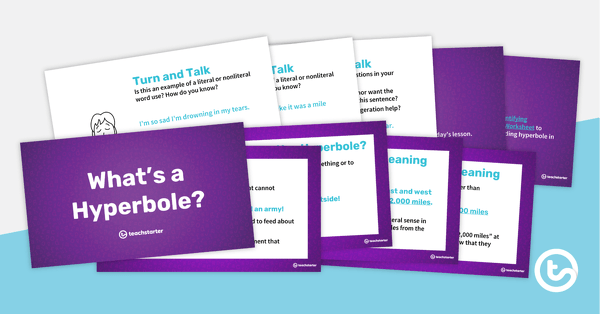
What's a Hyperbole? PowerPoint
An editable 20-slide PowerPoint to use when teaching your students about hyperbole.
- Plus Plan
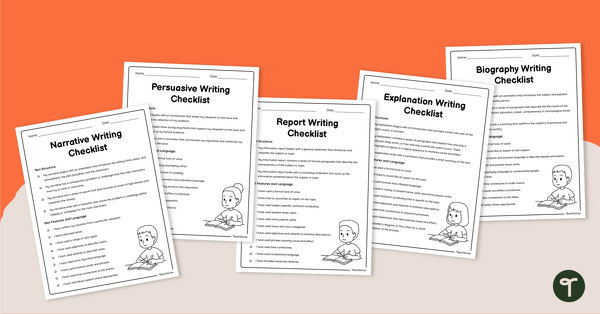
Revising and Editing Checklist Pack
Download this revising and editing checklist pack to support your students when they edit and revise their written work.
- Free Plan
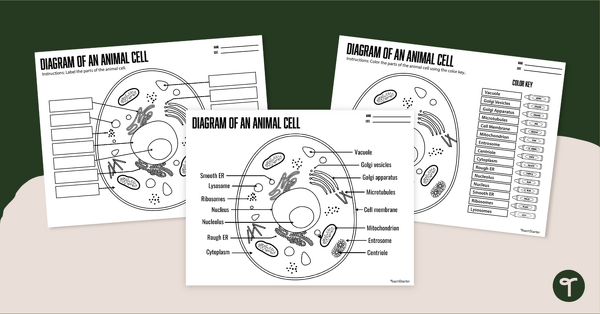
Diagram of an Animal Cell Worksheets
Identify the parts of an animal cell and label them with a set of printable Animal Cell labeling activities.
- Free Plan
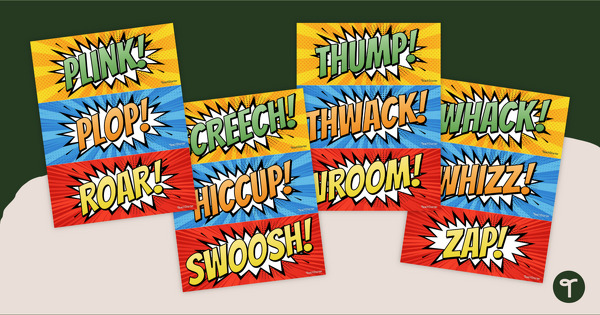
Onomatopoeia Words - Vocabulary Display
Display a fun onomatopoeia word wall in your classroom with printable cards containing onomatopoeia examples.
- Plus Plan
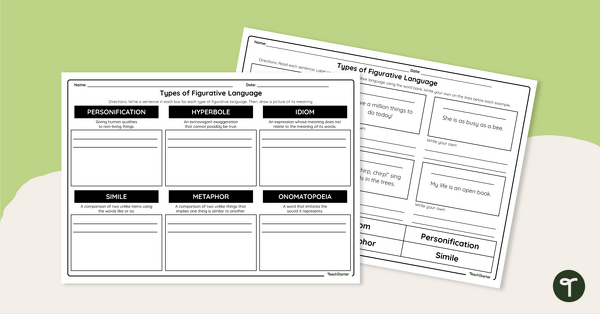
Types of Figurative Language - Worksheet
Practice identifying and creating examples of figurative language with this printable worksheet.
- Plus Plan
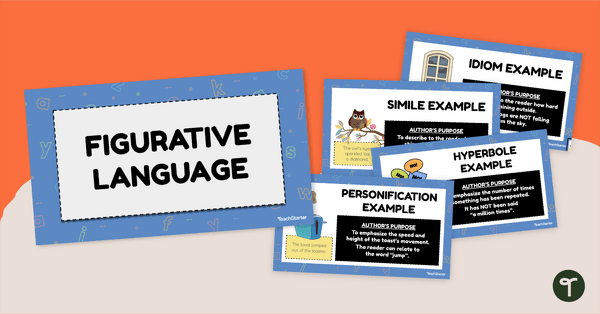
Figurative Languages Lesson - Slide Deck
Teach figurative language using our comprehensive instructional slide deck and accompanying activities.
- Free Plan
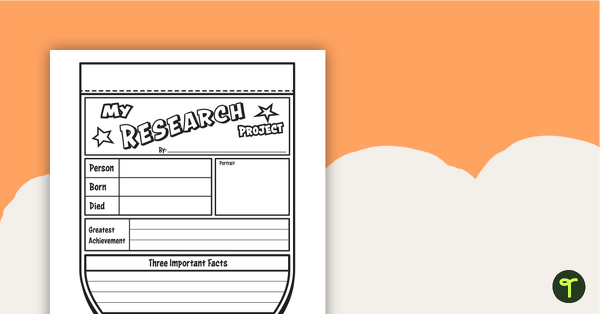
My Research Project - Pennant Banner
Create a pennant banner for students to record and display their biography research.
- Plus Plan
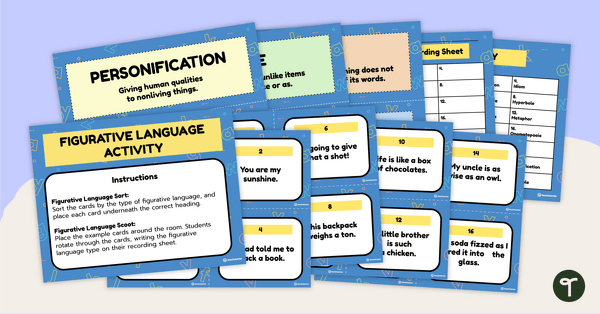
Figurative Language Sorting Activity
Explore figurative language in context with this set of 28 sorting cards.
- Plus Plan
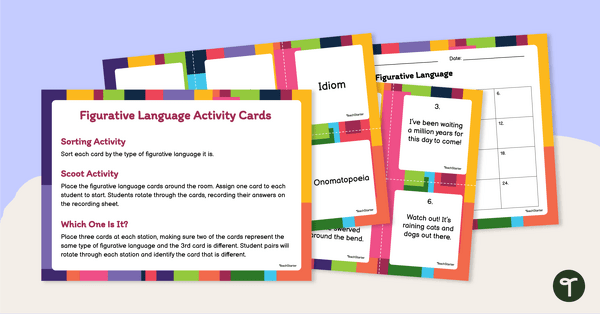
Figurative Language - SCOOT! Task Cards
Explore figurative language in multiple ways with the set of 24 task cards.
- Plus Plan
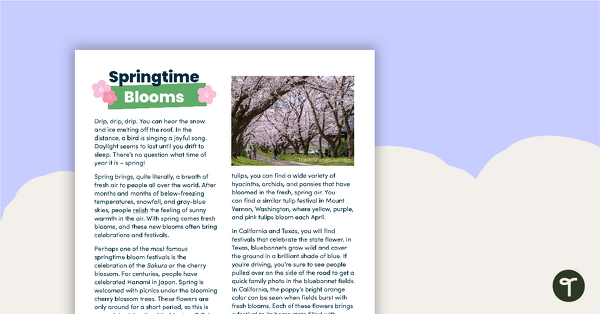
Springtime Blooms – Comprehension Task
An article about springtime blooms and festivals paired with a comprehension task.
- Plus Plan
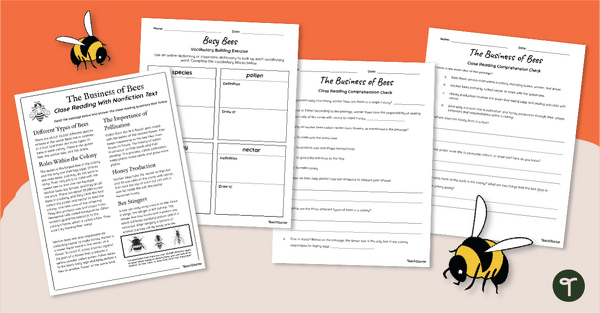
Reading Worksheets - The Business of Bees (5th Grade)
Read and learn about bees, pollination and honey production with a reading comprehension passage and worksheet pack.
- Plus Plan
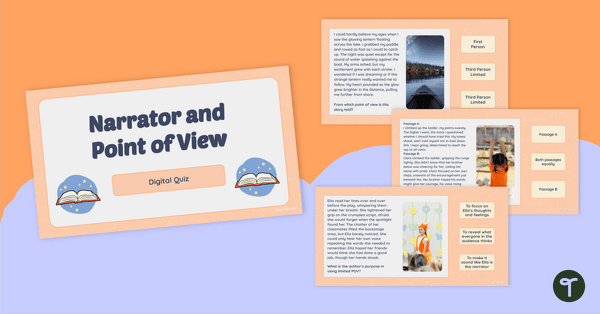
Narrator and Point of View Digital Quiz
Discover how narrator and point of view can be taught in a fun and engaging way with this interactive quiz designed to help elementary students become confident readers and critical thinkers.
- Plus Plan
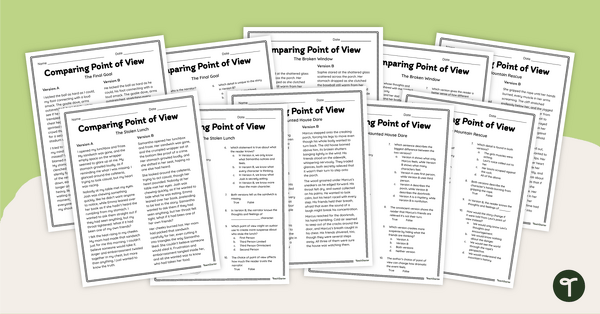
Comparing Narrator’s Voice Worksheets
Teach how narrator’s voice shapes the reader's experience of texts with this set of worksheets where students compare passages written from different points of view.
- Plus Plan
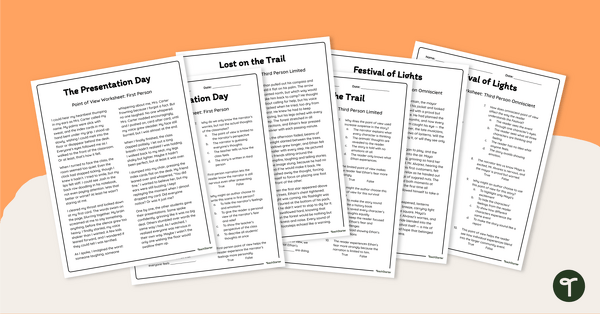
Narration and Point of View Worksheets
Use these narration and point of view comprehension passages to help students explore different narrative voices in literary texts.
- Plus Plan
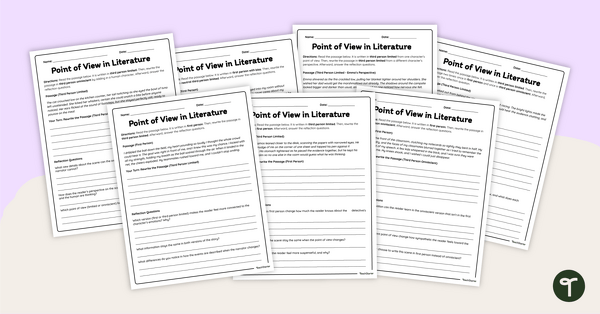
Narrative Voice Writing Prompts
Explore narrative voice with this set of engaging worksheets that require students to write literary passages in different points of view.
- Plus Plan
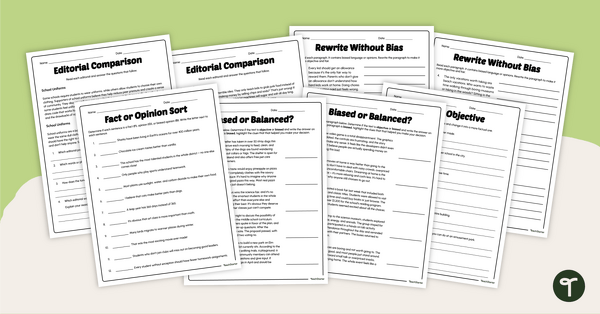
Bias in Writing Worksheet Pack
Teach bias in writing with ease using this engaging worksheet pack designed to help upper elementary students recognize and analyze bias across different texts.
- Plus Plan
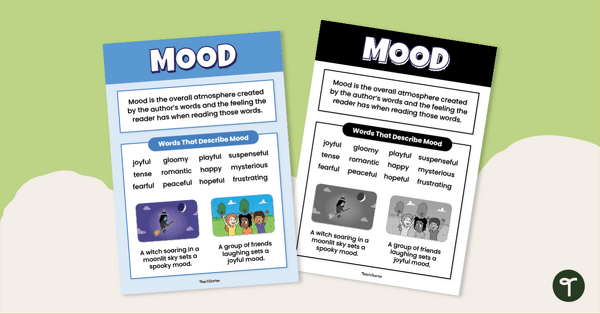
Mood Anchor Chart- Literary Element Poster
Introduce your students to mood, the atmosphere-creating literary element, with a printable Mood Anchor Chart.
- Plus Plan
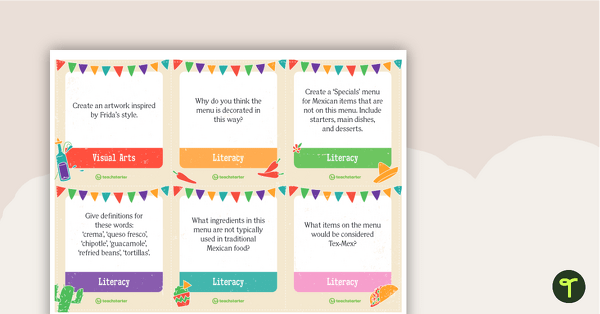
Frida's Fiesta Stimulus – Task Cards
39 activity task cards based on the Frida's Fiesta Restaurant menu which is included.
- Plus Plan
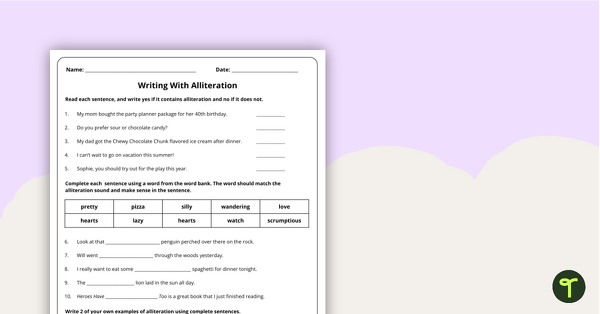
Writing With Alliteration Worksheet
Identify and create alliteration patterns in texts.
- Plus Plan
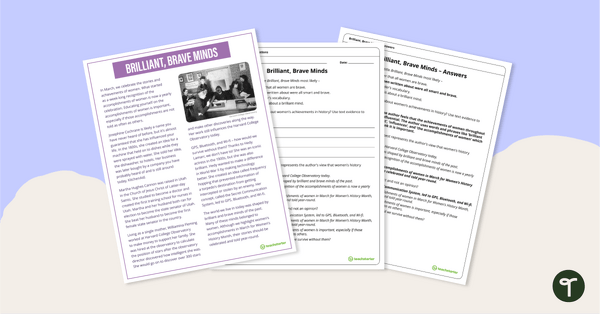
Brilliant, Brave Minds – Comprehension Task
An article and comprehension task celebrating women and Women's History Month.
- Plus Plan
Analyzing Poetry Teaching Slides
Teach your students how to analyze poetry using the SMILE technique with this comprehensive and age-appropriate slide deck.
- Plus Plan
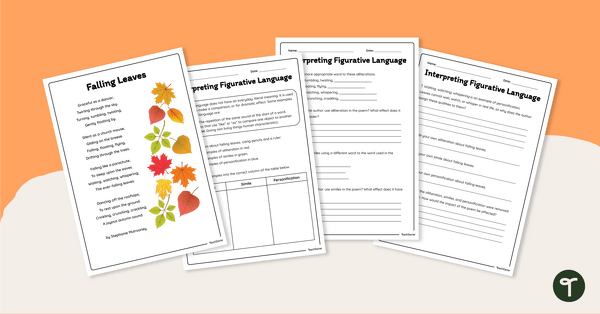
Interpreting Figurative Language - Worksheets
Explore figurative language in poetry with this age-appropriate poem and accompanying vocabulary questions.
- Free Plan
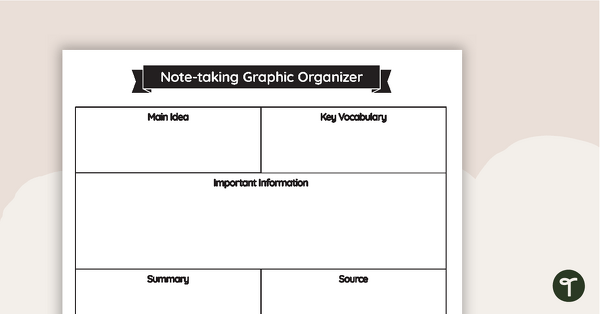
Note-taking Graphic Organizer
A graphic organizer for students to use when taking notes.
- Plus Plan
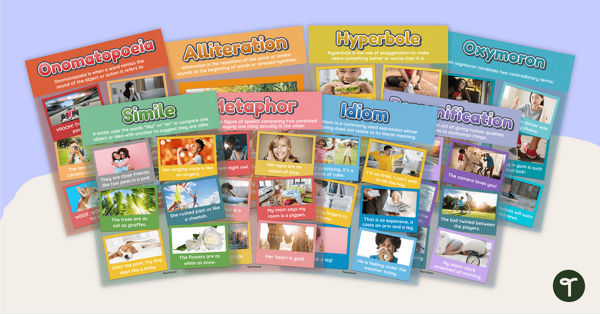
Figurative Language Anchor Charts
Display the types of figurative language with a set of printable figurative language anchor chars.
- Plus Plan
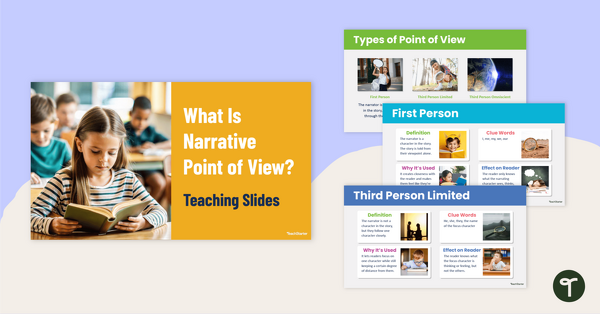
What Is Narrative Voice? Teaching Slides
Answer the question “What is narrative voice?” with this engaging slide deck that helps students understand first person, third person limited and third person omniscient narration.