ACELY1690
Identify characteristic features used in imaginative, informative and persuasive texts to meet the purpose of the text
Elaborations
- describing the language which authors use to create imaginary worlds; how textual features such as headings, subheadings, bold type and graphic organisers are used to order and present information, and how visual codes are used, for example those used in advertising to represent children and families so that viewers identify with them (Skills: Literacy, Critical and Creative Thinking)
- Plus Plan
Persuasive Texts - Language Features
A 60 minute lesson in which students will identify and explore the language features of persuasive texts.
- Plus Plan
How Do You Do It?
- Free Plan
Informative Texts - Text Structure
A 60 minute lesson in which students will identify and explore the structure of informative texts.
- Free Plan
Face the Facts!
A 60 minute lesson designed to introduce the purpose and types of informative texts.
- Plus Plan
Procedure Texts - Text Structure
A 60 minute lesson in which students will identify and explore the structure of procedure texts.
- Plus Plan
Imagery in Poetry
A 60 minute lesson in which students will identify and explore imagery in poetry.
- Free Plan
Building a Description Using Facts
A 60 minute lesson in which students will build a description of an animal, person or object using facts.
- Free Plan
Informative Texts - Language Features
A 60 minute lesson in which students will identify and explore the language features of informative texts.
- Plus Plan
Procedure Texts - Language Features
A 60 minute lesson in which students will identify and explore the language features of procedure texts.
- Plus Plan
Purpose, Audience and Context
A 60 minute lesson in which students will identify the purpose, intended audience and subject matter of a poem.
- Plus Plan
What is Poetry?
A 60 minute lesson in which students will develop a definition of poetry.
- Plus Plan
Narrative Texts - Text Structure
A 60 minute lesson in which students will identify and explore the structure of narrative texts.
- Plus Plan
Developing Persuasive Writing Skills Unit Plan - Year 3 and Year 4
This English unit addresses the genre of persuasion; specifically, how to write a well-structured persuasive text.
- Plus Plan
Developing Procedural Writing Skills Unit Plan - Year 3 and Year 4
This English unit addresses the purpose, structure and language features of the procedure text type.
- Plus Plan
Developing Informative Writing Skills Unit Plan - Year 3 and Year 4
This English unit addresses the informative text type; specifically, how to write a well-structured informative text.
- Plus Plan
Developing Narrative Writing Skills Unit Plan - Year 3 and Year 4
This English unit addresses the narrative text type, specifically how to plan and write an engaging story.
- Plus Plan
Exploring Poetry - Year 3 and Year 4 Unit Plan
This English unit addresses common poetic devices such as sound play, word play and imagery and explores how these may be applied to narrative poetry.
- Plus Plan
Parts of a Narrative Story
A 60 minute lesson in which students will identify and explore the parts of a narrative story.
- Plus Plan
Narrative Texts - Language Features
A 60 minute lesson in which students will identify and explore the language features of narrative texts.
- Plus Plan
Tell Me A Story
A 60 minute lesson designed to introduce the narrative text type using familiar stories.
- Plus Plan
Storytelling Through Poetry
A 60 minute lesson in which students will explore storytelling through poetry.
- Plus Plan
Word Play in Poetry
A 60 minute lesson in which students will identify and explore word play in poetry.
- Plus Plan
Sound Play in Poetry - Onomatopoeia
A 60 minute lesson in which students will identify and explore onomatopoeia in poetry.
- Plus Plan
Sound Play in Poetry - Alliteration
A 60 minute lesson in which students will identify and explore alliteration in poetry.
- Plus Plan
Exploring Poetic Devices
A 60 minute lesson in which students will explore the common literary devices found in poetry.
- Plus Plan
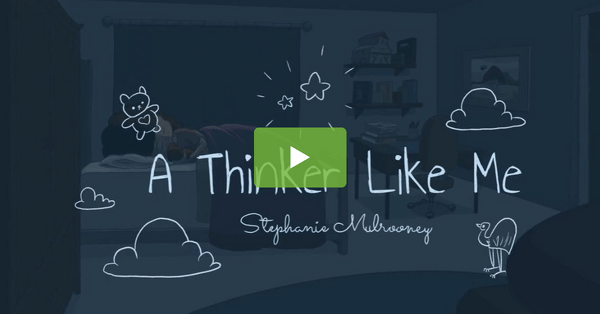
A Thinker Like Me – Animated Poem Video
Use this short animated poem video with your students to explore and appreciate the poem, 'A Thinker Like Me' by Stephanie Mulrooney.