Year 1
The English curriculum is built around the three interrelated strands of language, literature and literacy. Teaching and learning programs should balance and integrate all three strands. Together, the strands focus on developing students' knowledge, understanding and skills in listening, reading, viewing, speaking, writing and creating. Learning in English builds on concepts, skills and processes developed in earlier years, and teachers will revisit and strengthen these as needed.
In Year 1, students communicate with peers, teachers, known adults and students from other classes.
Students engage with a variety of texts for enjoyment. They listen to, read, view and interpret spoken, written and multimodal texts designed to entertain and inform. These encompass traditional oral texts including Aboriginal stories, picture books, various types of stories, rhyming verse, poetry, non-fiction, film, dramatic performances and texts used by students as models for constructing their own texts.
The range of literary texts for Foundation to Year 10 comprises Australian literature, including the oral narrative traditions of Aboriginal and Torres Strait Islander Peoples, as well as the contemporary literature of these two cultural groups, and classic and contemporary world literature, including texts from and about Asia. Literary texts that support and extend Year 1 students as independent readers involve straightforward sequences of events and everyday happenings with recognisably realistic or imaginary characters. Informative texts present a small amount of new content about familiar topics of interest and topics being studied in other areas of the curriculum. These include decodable and predictable texts which present a small range of language features, including simple and compound sentences, some unfamiliar vocabulary, a small number of high-frequency words and words that need to be decoded phonically, as well as illustrations and diagrams that support the printed text.
Students create a variety of imaginative, informative and persuasive texts including recounts, procedures, performances, literary retellings and poetry.
(source: www.australiancurriculum.edu.au)
Achievement Standard
Receptive modes (listening, reading and viewing)
By the end of Year 1, students understand the different purposes of texts. They make connections to personal experience when explaining characters and main events in short texts. They identify that texts serve different purposes and that this affects how they are organised. They describe characters, settings and events in different types of literature.
Students read aloud, with developing fluency. They read short texts with some unfamiliar vocabulary, simple and compound sentences and supportive images. When reading, they use knowledge of the relationship between sounds and letters, high-frequency words, sentence boundary punctuation and directionality to make meaning. They recall key ideas and recognise literal and implied meaning in texts. They listen to others when taking part in conversations, using appropriate language features and interaction skills.
Productive modes (speaking, writing and creating)
Students understand how characters in texts are developed and give reasons for personal preferences. They create texts that show understanding of the connection between writing, speech and images.
They create short texts for a small range of purposes. They interact in pair, group and class discussions, taking turns when responding. They make short presentations on familiar topics. When writing, students provide details about ideas or events, and details about the participants in those events. They accurately spell high-frequency words and words with regular spelling patterns. They use capital letters and full stops and form all upper- and lower-case letters correctly.
(source: www.australiancurriculum.edu.au)
- Plus Plan
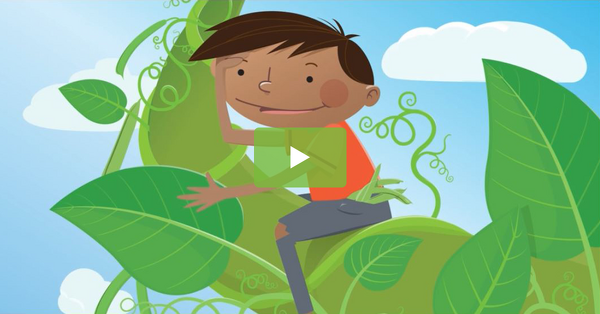
Jack and the Beanstalk Story Video
Introduce the Jack and the Beanstalk story to your students with this animated fairy tale video perfect for younger students.
- Plus Plan
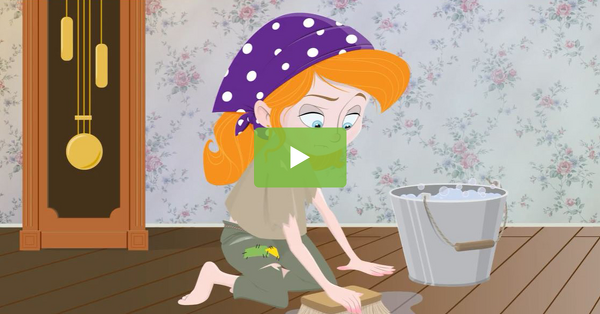
Cinderella Story Video
Explore the story of Cinderella with your students using this animated fairy tale video perfect for younger learners.
- Plus Plan
Spring Is Here – Animated Poem Video
Use this spring poem with your students to welcome in the season of springtime.