Year 2
The proficiency strands understanding, fluency, problem-solving and reasoning are an integral part of mathematics content across the three content strands: number and algebra, measurement and geometry, and statistics and probability. The proficiencies reinforce the significance of working mathematically within the content and describe how the content is explored or developed. They provide the language to build in the developmental aspects of the learning of mathematics. The achievement standards reflect the content and encompass the proficiencies.
At this year level:
- understanding includes connecting number calculations with counting sequences, partitioning and combining numbers flexibly and identifying and describing the relationship between addition and subtraction and between multiplication and division
- fluency includes readily counting numbers in sequences, using informal units iteratively to compare measurements, using the language of chance to describe outcomes of familiar chance events and describing and comparing time durations
- problem-solving includes formulating problems from authentic situations, making models and using number sentences that represent problem situations, and matching transformations with their original shape
- reasoning includes using known facts to derive strategies for unfamiliar calculations, comparing and contrasting related models of operations and creating and interpreting simple representations of data.
(source: www.australiancurriculum.edu.au)
Achievement Standard
By the end of Year 2, students recognise increasing and decreasing number sequences involving 2s, 3s and 5s. They represent multiplication and division by grouping into sets. They associate collections of Australian coins with their value. Students identify the missing element in a number sequence. Students recognise the features of three-dimensional objects. They interpret simple maps of familiar locations. They explain the effects of one-step transformations. Students make sense of collected information.
Students count to and from 1000. They perform simple addition and subtraction calculations using a range of strategies. They divide collections and shapes into halves, quarters and eighths. Students order shapes and objects using informal units. They tell time to the quarter-hour and use a calendar to identify the date and the months included in seasons. They draw two-dimensional shapes. They describe outcomes for everyday events. Students collect, organise and represent data to make simple inferences.
(source: www.australiancurriculum.edu.au)
- Plus Plan
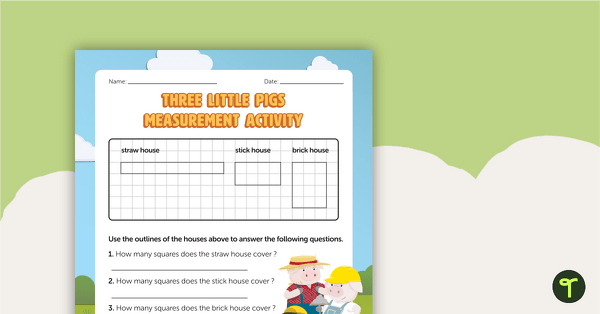
Three Little Pigs Area Measurement Worksheet
A measurement activity to help students understand how to measure area in squares.
- Plus Plan
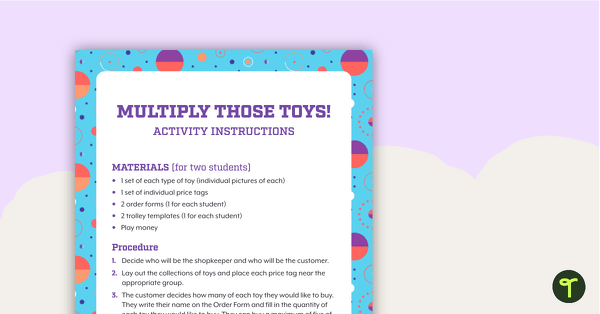
Multiply Those Toys!
An activity for students to use to consolidate their understanding of repeated addition as a way of representing multiplication.
- Plus Plan
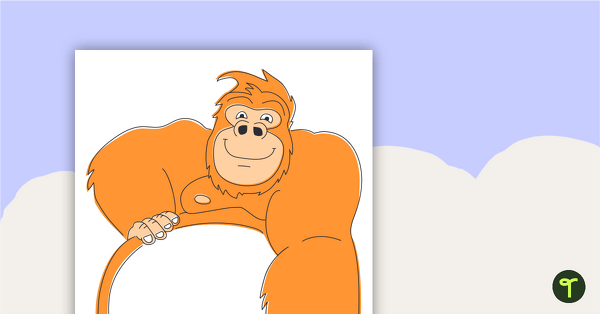
Fill That Tummy Templates
A collection of large pictures to be used for display when beginning discussions about multiplication.
- Plus Plan
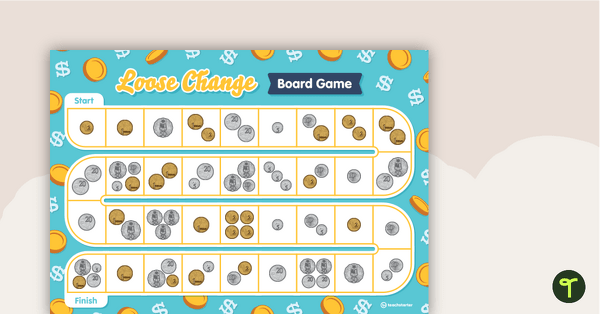
Loose Change (Coins) – Board Game
A board game to encourage students to learn about Australian coins.
- Plus Plan
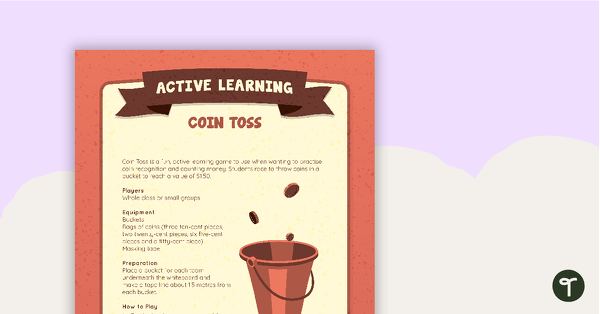
Coin Toss Active Game
An active, whole group game to play when learning coin recognition and counting money.
- Plus Plan
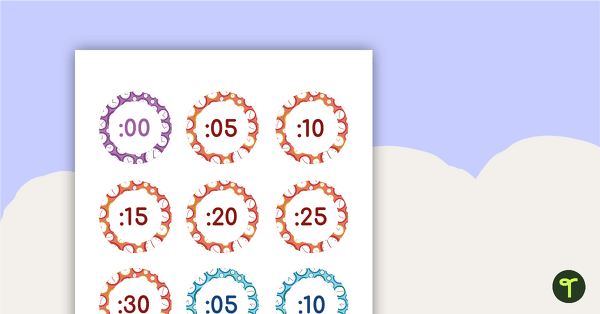
Clock Labels – 'Past' and 'To'
A template to display around your classroom clock that highlights 'past' and 'to' terminology.
- Plus Plan
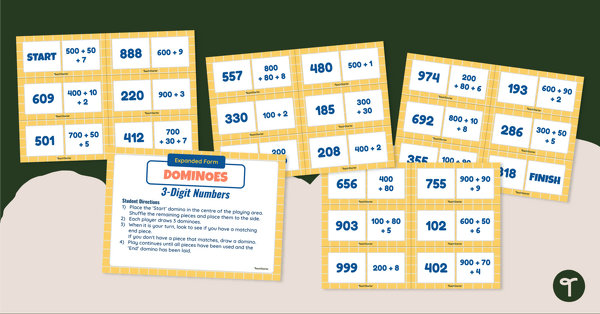
Expanded Notation Dominoes (3-Digit Numbers)
Use this set of dominoes when learning how to match 3-digit numbers written in standard form and expanded form.
- Plus Plan
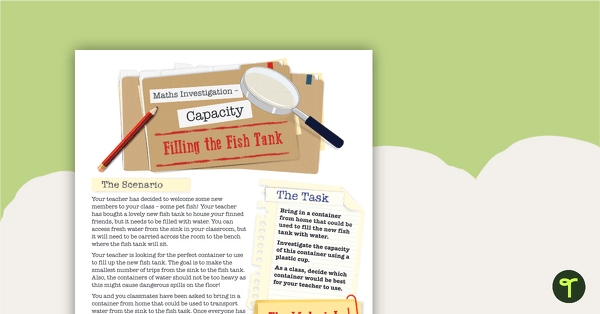
Capacity Maths Investigation — Filling the Fish Tank Activity
A mathematics investigation involving capacity, embedded in a real-world context.
- Plus Plan
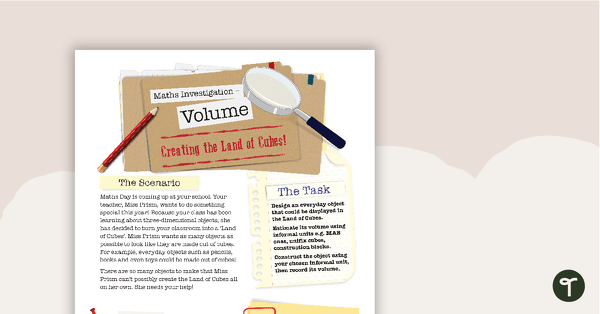
Volume Investigation - Creating the Land of Cubes
A mathematics investigation involving volume, embedded in a real-world context.
- Plus Plan
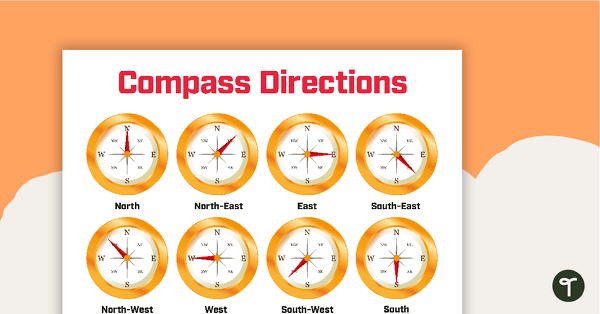
Cardinal and Intermediate Directions Poster
Display this cardinal and intermediate directions poster when exploring the compass rose with your students.
- Plus Plan
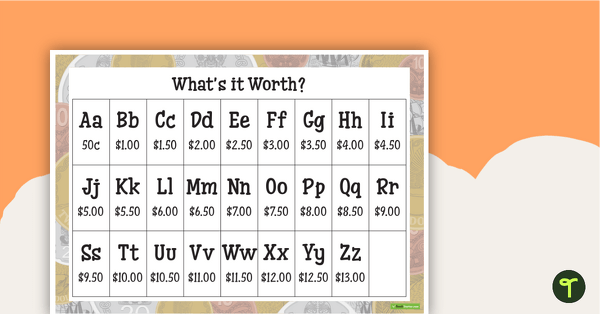
What's it Worth? New Zealand Currency Game
Use this What's it Worth? game when learning about the value of coins.
- Plus Plan
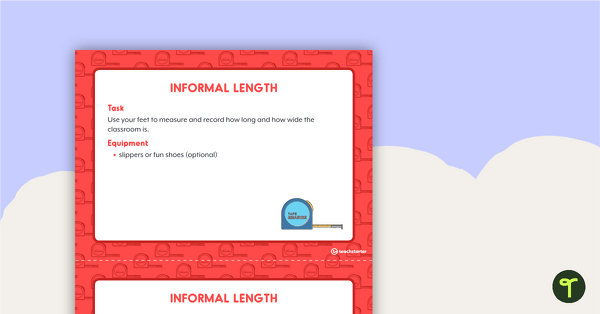
Informal Measurement - Task Cards
A set of task cards to use when learning about informal measurement.
- Plus Plan
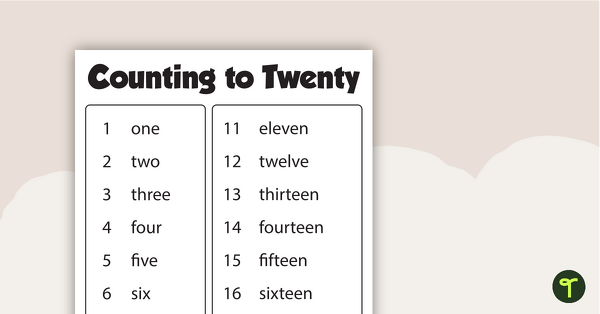
Counting to Twenty Poster - BW - No Capitals
A poster showing numbers and words from one to twenty.
- Plus Plan
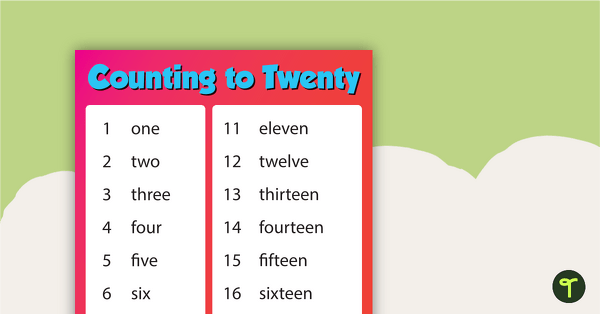
Counting to Twenty Poster - Colour - No Capitals
A poster showing numbers and words from one to twenty.
- Plus Plan
0-20 Number and Word Posters - BW
Posters showing numbers and words from 0-20.
- Plus Plan
Number and Word Posters 0-99
Posters showing numbers and words from 0-99.
- Plus Plan
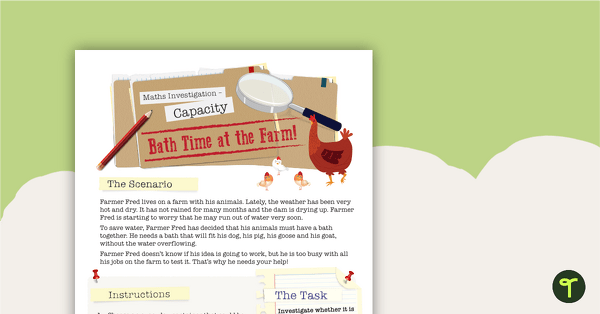
Capacity Maths Investigation - Bath Time at the Farm!
A mathematics investigation involving capacity, embedded in a real-world context.
- Plus Plan
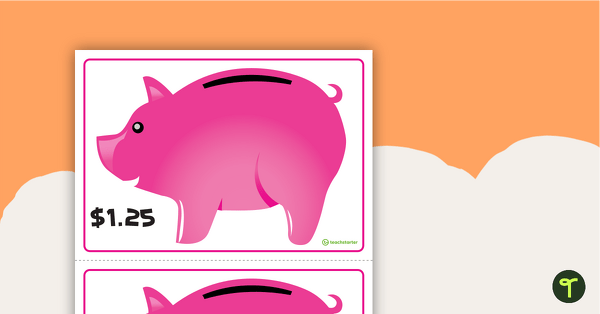
Piggy Banks V2 (Australian Currency)
Piggy Bank Pigs are a fun, hands on way for students to learn each of the coins and how their values add up to a certain amount.
- Plus Plan
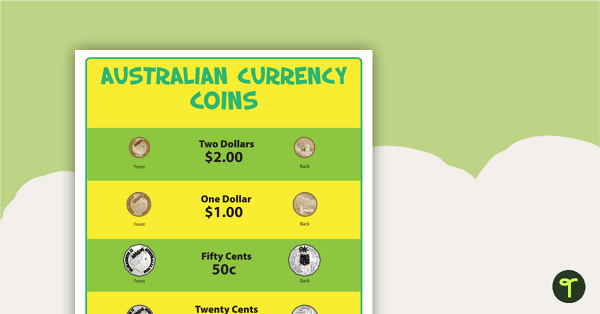
Australian Currency Poster - Coins
A poster showing different Australian coins and their values.
- Plus Plan
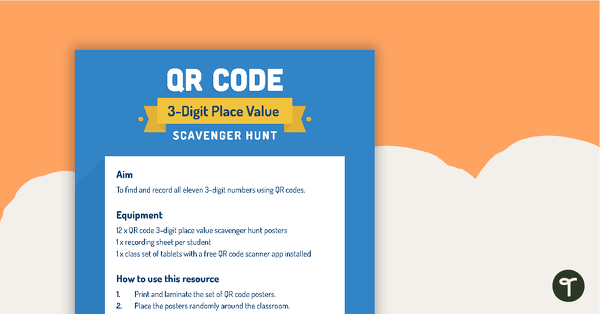
QR Code 3-Digit Place Value Scavenger Hunt
A fun activity where students scan QR codes to go on a 3-digit scavenger hunt in the classroom.
- Plus Plan
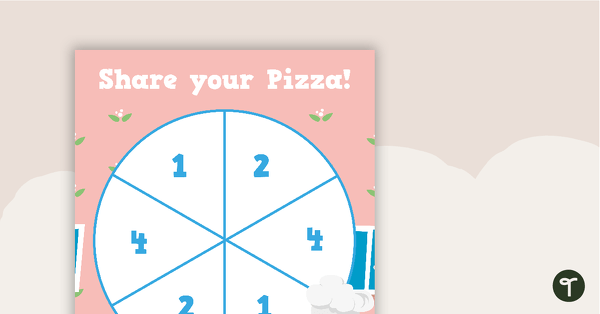
Fractions Pizza Game - Lower Grades
A small group or whole class activity to consolidate the concept of fractions (whole, half, quarters and eighths).
- Plus Plan
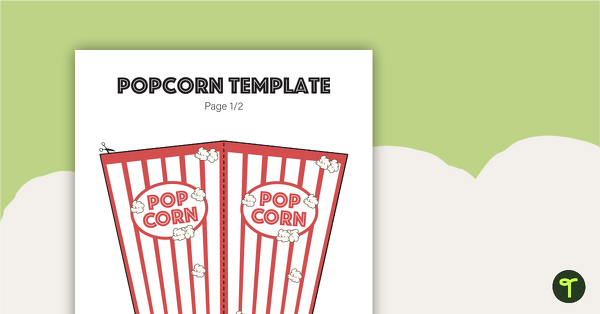
3D Popcorn Box Template
Create a 3D popcorn box from a 2D net.
- Plus Plan
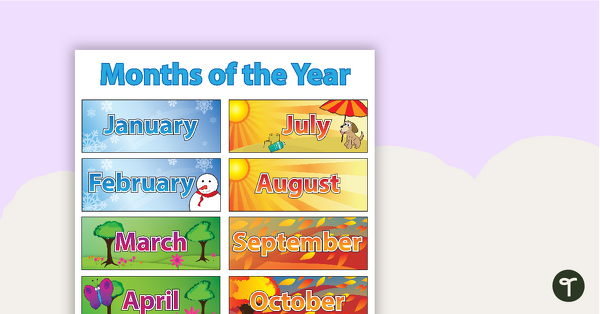
Months of the Year Poster - Northern Hemipshere
A poster displaying the months of the year.
- Plus Plan
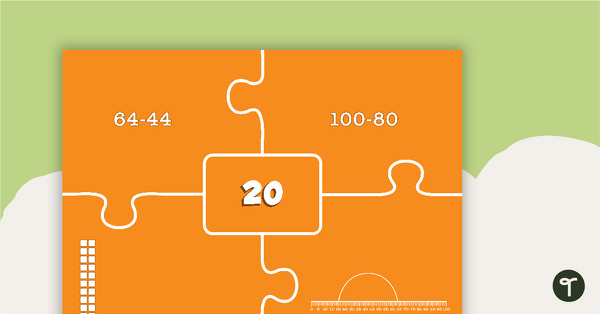
Number Matching Puzzle - Subtraction
A hands-on game to play when learning about subtracting numbers.
- Plus Plan
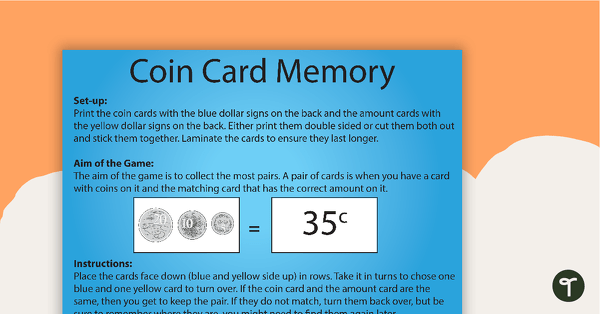
Coin Card Memory Game
Students concrete their understanding of Australian Coins and their values with this fun Coin Card Memory Game.
- Plus Plan

3D Objects Border Trimmers
Brighten up your cork boards with these 3D object border trimmers.
- Plus Plan
Visual Arts Elements Resource Pack - Lower Years
A comprehensive pack of resources to use with the lower years when studying the elements of Visual Art.
- Plus Plan
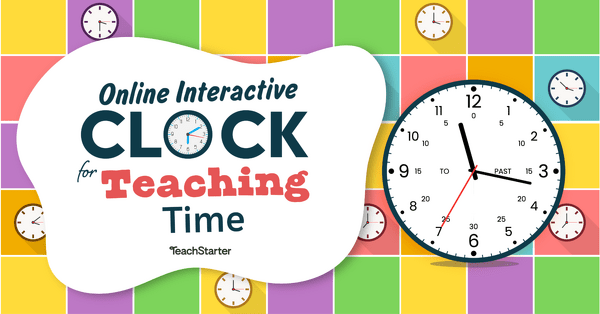
Interactive Clock for Teaching Time (Analogue and Digital)
Teach time with an interactive digital clock designed to add a hands-on element to this important primary school lesson!
- Plus Plan
Interactive Money Game Lab
An interactive currency activity using Australian banknotes and coins.
- Plus Plan
Maths Resource Pack for Parents - Place Value
A comprehensive resource pack for parents and carers to help Foundation to Year 2 children with place value.
- Plus Plan
Money and Financial Mathematics Teaching Resource Pack
A collection of resources exploring money and financial mathematics.
- Plus Plan
Time Teaching Resource Pack
A collection of resources exploring time concepts.