Spelling Teaching Resources
Explore spelling games, word lists, activities, worksheets and more to help you teach elementary and middle school students how to spell a wide variety of words!
Aligned with the Common Core Curriculum, every resource in this expansive collection has been created by a teacher for teachers just like you. Best of all, each resource has undergone our thorough review process to ensure it's ready for your lesson plans and your students.
New to teaching spelling? Or maybe you're just looking for fresh ideas to engage students with the topic? Read on for a primer from our teacher team, including spelling strategies that can help your students become better spellers!
6 Spelling Strategies Every Student Should Learn
Spelling is a fundamental skill that plays a crucial role in literacy development, but in a world of hastily typed (and poorly spelled) text messages and digital tools with built-in spell checker functionality, it can seem like learning how to spell words correctly is falling by the wayside.
So how do you ensure your students aren't just adding to the jumbled up world of words? Arming students with spelling strategies they can use when encountering new words can help!
The following spelling strategies are great for struggling students and their advanced peers as they empower students to face new words without fear — unlike the rote memorization of words that was once common in spelling instruction.
1. Teach Students About Word Families
By teaching word families, we can help our students recognize and understand how certain letter combinations consistently appear in related words. In turn, this helps them with spelling related words and increasing their vocabulary.
Show your students how words with the same root or base share similar spellings, and have them explore and practice word families by creating word trees or sorting words with common patterns.
2. Work on Breaking Down Syllables
Teaching kids to divide longer words into manageable syllables isn't just a good spelling strategy for upper years students. It can also help them with the pronunciation of new words!
Teach students to identify syllable patterns and break words into syllables. You might want to practice clapping or tapping out syllables, then have them spell each syllable before combining a whole word.
3. Teach Chunking and Chaining
Breaking spelling words into smaller, manageable chunks or patterns is a helpful strategy for students of various ages — especially those tackling complex words.
To do this, teach your students to identify prefixes such as re- and un-, suffixes such as -ful and -able and root words within longer words. Practice breaking their spelling words into chunks and then combining them accurately.
4. Teach Contextual Spelling
Do your students get their spell words just right in isolation but struggle when writing sentences and paragraphs?
Contextual spelling is a strategy that could help. This comes down to simply having them practice writing their spelling words within sentences, reinforcing word usage and allowing them to apply their spelling know-how in meaningful contexts.
5. Create Spelling Lists With Word Sorting
You may notice that some spelling word lists on the Teach Starter site are based on patterns. That's because we recommend categorizing words based on specific spelling patterns, helping your students notice similarities and differences.
In addition to using the lists provided, why not work backward? Provide students with a pattern, then provide words they can spell using it.

6. Use Mnemonics
While English is full of spelling patterns — from words that all follow the long e pattern or all contain the letters igh — it also contains a fair share of words that seem to break all the rules.
Teaching students mnemonics such as "i before e, except after c and when sounding like a" gives them tips to fall back on when they encounter those rule breakers.
You can also teach difficult words in meaningful sentences or short stories to reinforce their usage, making recalling meaning and spelling easier.
Speaking of ...
15 Difficult Words to Spell — And How to Teach These Irregular Words
As we mentioned, the English language is full of tricky irregular words that don't seem to have discernible phonetic patterns and can't simply be broken down via chunking or syllables. That makes them difficult words to spell!
Here's a look at some of the more common difficult words to spell that our teacher team has encountered over the years and some of our best tips on how to help your students remember them!
Here's a list of some commonly difficult words for kids to spell, along with tips on how to effectively teach them:
1. Wednesday
How to Teach It — Break this tricky day of the week word down, sounding it out — "Wed-nes-day" — to emphasize the correct spelling. Practice saying and writing the word several times to reinforce the spelling pattern.
2. February
How to Teach It — The second month is often spelled without the first r in the right place. To address this, use the syllables strategy mentioned above, breaking down the word into "Feb-ru-ary" to make it easier to remember.
Emphasize the silent "r," and have your students visualize the sequence of syllables.
3. Beautiful
How to Teach It — Break the word into parts: "beau-ti-ful." Discuss the rule of "i before e except after c" and practice spelling similar words that follow this pattern.
4. Definitely
How to Teach It — Break the word into syllables ("def-i-nite-ly") and emphasize the tricky "i" and "e" placement. Use repetition and context-rich sentences to reinforce the spelling.
5. Restaurant
How to Teach It — Teach by syllables ("res-tau-rant") and emphasize the challenging "au" sound. Encourage your students to picture the inside of a restaurant to remember the spelling.
6. Accidentally
How to Teach It — Highlight the repeating letters ("c" and "l") and break the word into manageable parts ("ac-ci-den-tal-ly").
7. Necessary
How to Teach It — The mnemonic phrase "Never Eat Crispy Crust, Eat Salad Sandwiches And Remain Young" is a teacher team favorite to help kids remember the order of the letters in necessary.
8. Friend
How to Teach It — Friend is misspelled by young students, but emphasising the 'ie' vowel pair can help them get it right. Practise using the vowl pair within other words like 'field,' 'chief,' and 'shield.'
9. Because
How to Teach It — We recommend using the mnemonic strategy for this difficult word, along with practicing writing the word in context.
Our favorite mnemonic for because is "Big Elephants Can Always Understand Small Elephants."
10. Receive
How to Teach It — Because this breaks the common pairing of "ie," receive is often misspelled by students (and adults!).
To teach it, break the word into parts ("re-ceive") and emphasize the "i" before "e" rule.
11. Opportunity
How to Teach It — You have an opportunity to help kids remember this one with a breakdown of the syllables "op-por-tu-ni-ty." You may also want to review other words with two "p"s, such as appreciate and disappoint.
12. Pronunciation
How to Teach It — Pronouncing new words can be challenging for students, but so is spelling the word pronunciation! To teach this tricky word, use the syllables strategy, emphasizing each one — pro-nun-ci-a-tion.
13. Exercise
How to Teach It — You can use visual associations to remember the "x" and "c" placement in exercise — like a jumping "x" doing exercise. You may also want to practice other x words like "exert" and "extra."
14. Separate
How to Teach It — Highlight the tricky "a" and "e" placement in separate, and teach the syllables — sep-a-rate.
15. Temperature
How to Teach It — Once again, temperature is a difficult spelling word that can be taught using syllables — tem-per-a-ture.
- Plus Plan
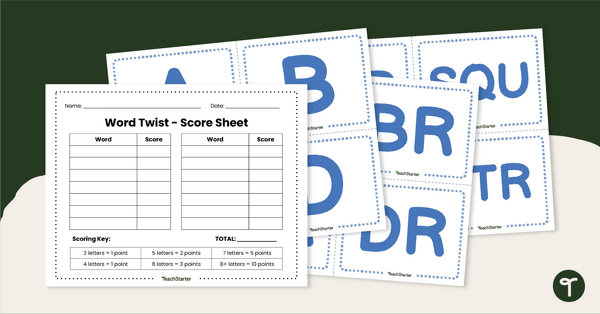
Word Twist - Word Building Game
Encourage word building in your classroom with this fun Boggle-style game!
- Plus Plan
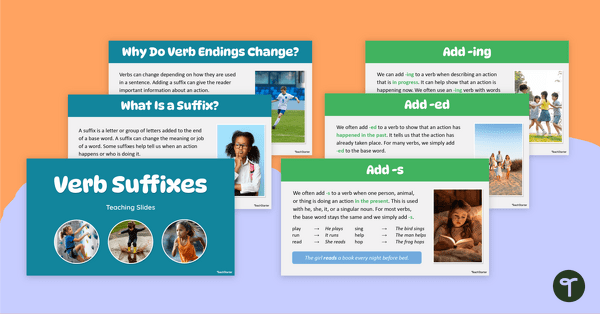
Verb Suffixes Teaching Slides (s, ed, ing)
Teach verb suffixes to your class with ease using this engaging slide deck that helps students understand when to apply the suffixes -s, -ed and -ing to change verb tense.
- Plus Plan
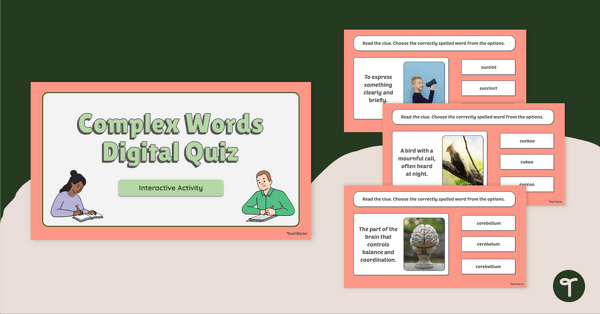
Hard to Spell Words – Digital Quiz
Explore difficult spelling words with this interactive digital quiz, where students identify the correct spelling word to match the definition.
- Plus Plan
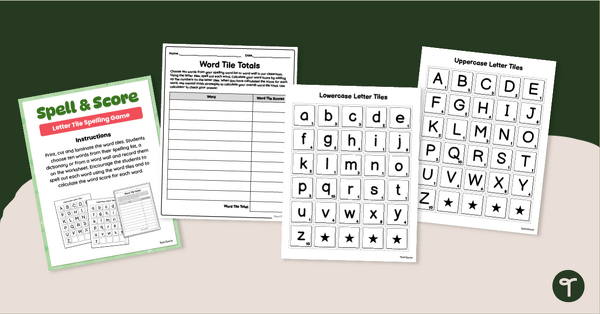
Spell and Score - Word Tile Game for Kids
Play ‘Spell-and-Score’, an exciting Word Tile Spelling Game to help your students practice spelling words.
- Plus Plan
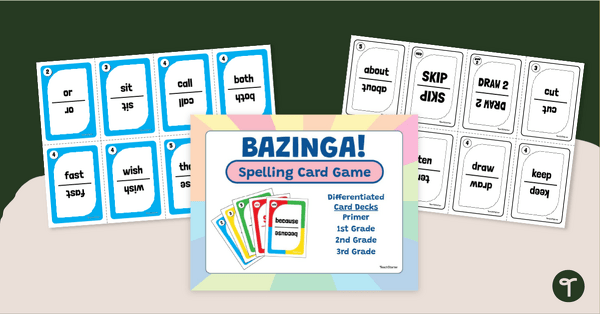
BAZINGA! Card Game - Spelling Words (Dolch)
Play BAZINGA! a sight word spelling game that is sure to boost your students spelling skills.
- Plus Plan
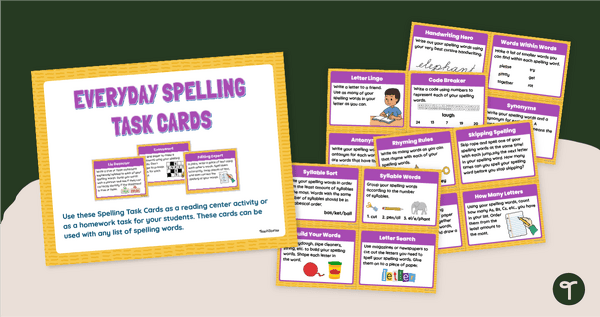
Spelling Practice Activity Cards
Make daily spelling practice more exciting with this set of 24 spelling word practice ideas.
- Plus Plan
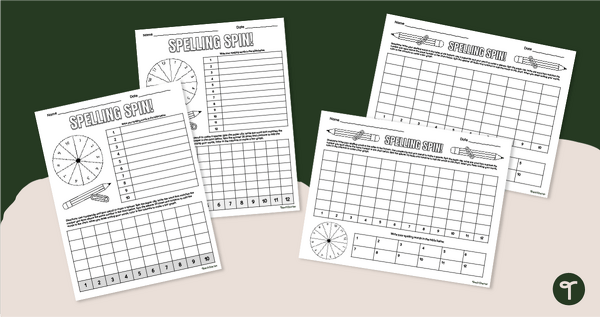
Spelling Spinner Homework Activity - Differentiated
Have fun practicing spelling words with an engaging Spelling Spinner Game for any spelling word list.
- Plus Plan
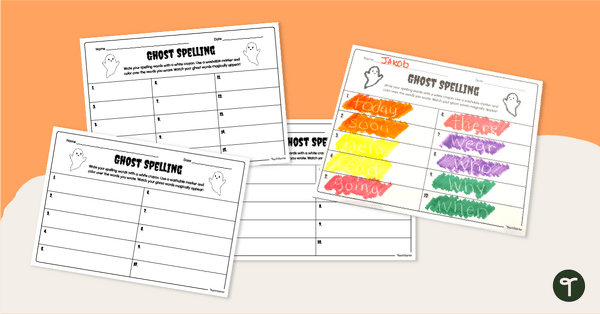
Ghost Spelling Worksheet Pack
Download a Ghost Spelling Worksheet to scare up some spooky spelling practice.
- Plus Plan
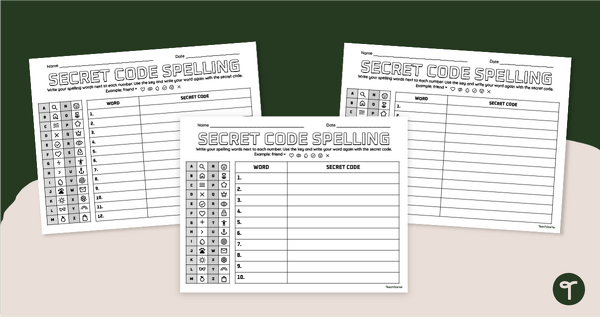
Printable Secret Code Spelling Worksheet Pack
Have more fun with spelling practice by using a Printable Secret Code Spelling Worksheet!
- Plus Plan
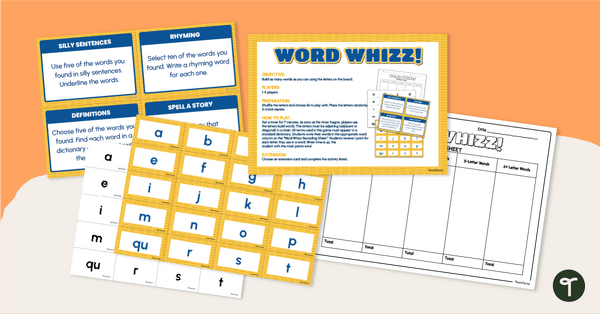
Word Whizz - Spelling Words Game for Kids
Play ‘Word Whizz’, a fast-paced spelling words game that encourages quick thinking and correct spelling.
- Plus Plan
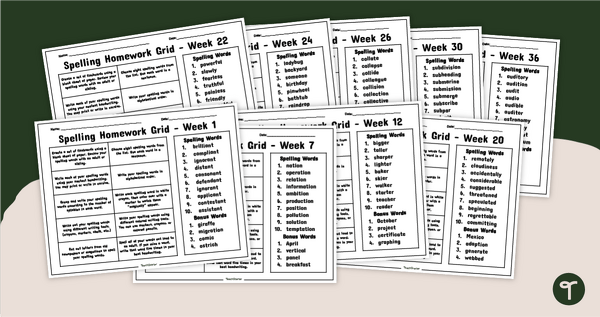
Weekly Spelling Homework Sheets - 5th Grade Spelling Words
Provide your 5th graders with engaging spelling homework activities with our no-prep 5th Grade Spelling Words Worksheet pack.
- Plus Plan
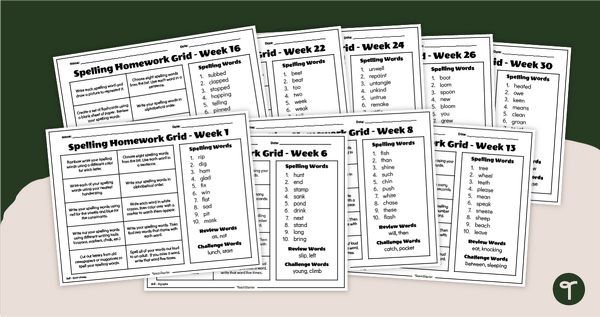
2nd Grade Spelling Practice Worksheets - Weekly Homework
Make assigning homework easy all year with Printable 2nd Grade Spelling Practice Worksheets.
- Plus Plan
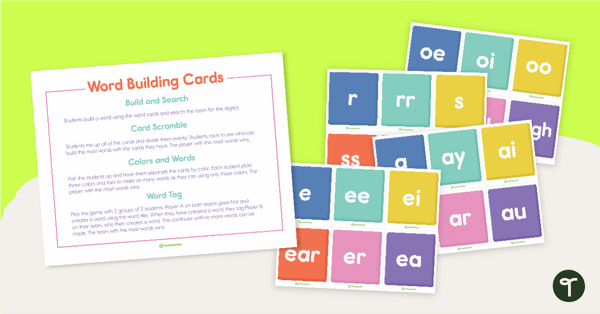
Word Building Cards
A comprehensive set of phonemes and letter combinations to help your students build words.
- Plus Plan
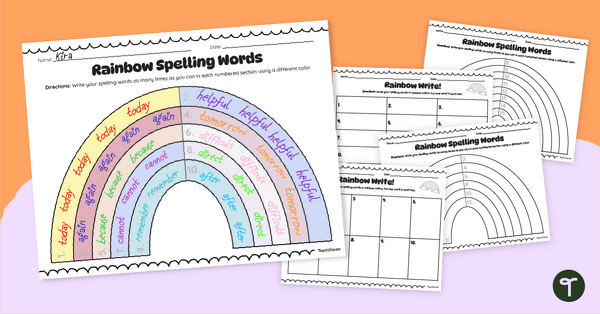
Rainbow Spelling Worksheet Pack
Brighten up your spelling homework activity toolbox with a Rainbow Spelling Worksheet Pack!
- Plus Plan
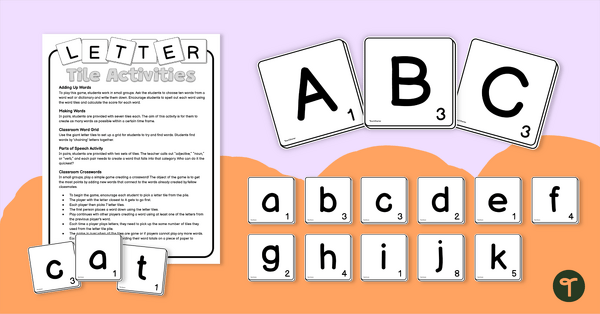
Giant Letter Tiles with Numbers
Use these giant letter tiles for a variety of vocabulary and spelling activities for your students.
- Plus Plan
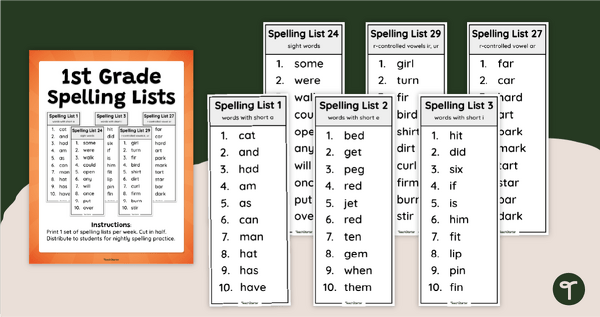
1st Grade Spelling Words - Weekly Lists
Create successful spellers with printable weekly spelling word lists for 1st grade.
- Plus Plan
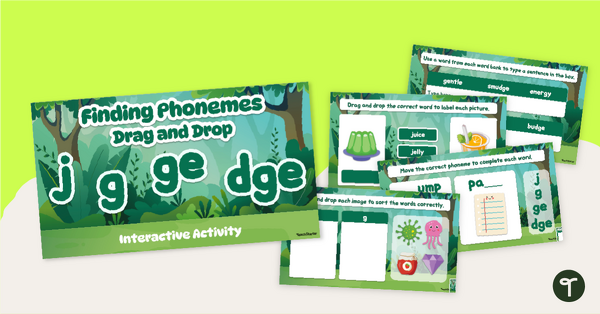
Finding Phonemes - Spelling Words with DGE, GE, J, and G
Read and spell words using the j, g, ge, and dge phonemes with an interactive digital learning activity for 2nd Grade.
- Plus Plan
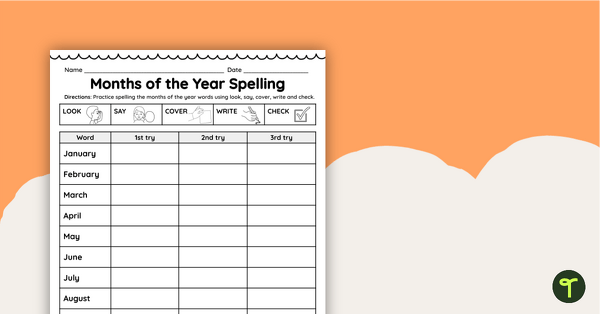
Months of the Year Spelling Worksheet
Help your students learn to spell the months of the year with a printable spelling homework sheet.
- Free Plan
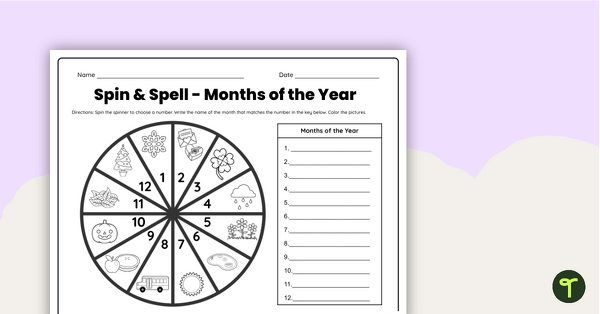
Spin and Spell - Months of the Year Worksheet
Spin and spell the months of the year with a printable spelling worksheet for 2nd Grade.
- Plus Plan
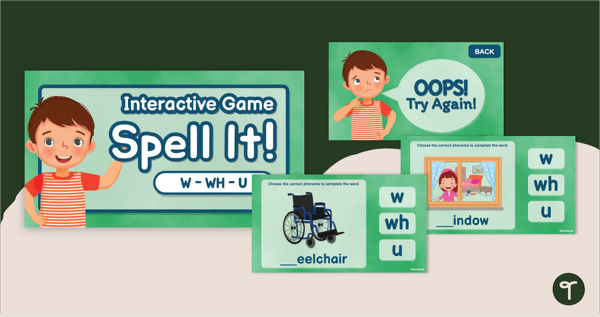
W, WH, or U? Phoneme Interactive Game
Decide when to use w, wh, or u to spell the /w/ sound with an engaging Interactive Phonics Game!
- Plus Plan
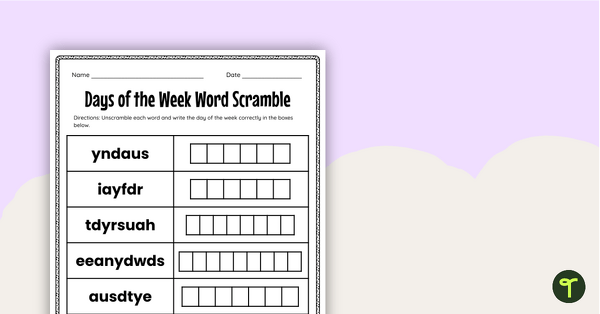
Days of the Week Word Scramble
Unscramble the names of the days in a week with a printable word scramble worksheet!
- Plus Plan
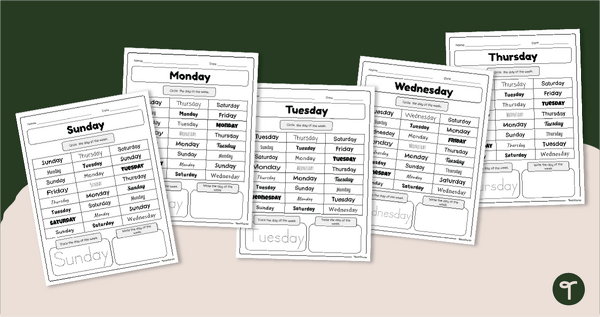
Days of the Week - Spelling Homework Sheets
Read, write, and recognize the names of the 7 days of the week with a pack of daily spelling worksheets.
- Plus Plan
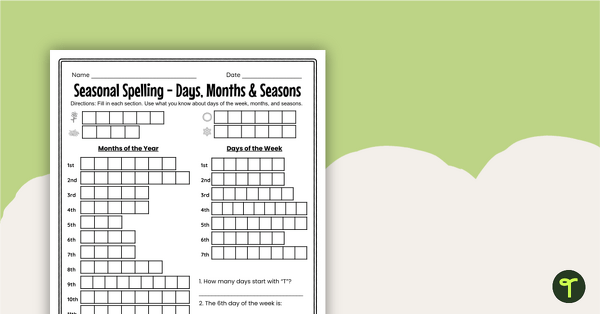
Seasons, Days, & Months of the Year Spelling Worksheet
Spell the days of the week, months of the year, and the four seasons with a printable Spelling Homework sheet.
- Plus Plan
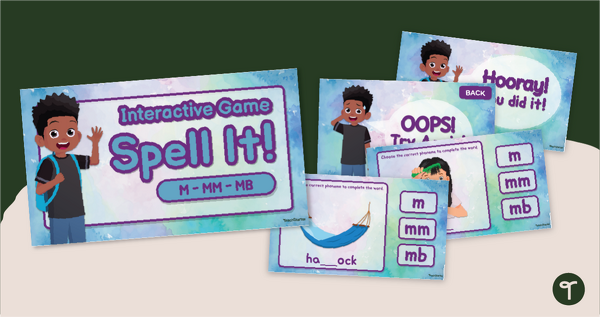
Interactive Spelling Game - Words with m, mm, mb
Use an interactive spelling game to help your students learn to spell words with m, mm, and mb correctly.
- Plus Plan
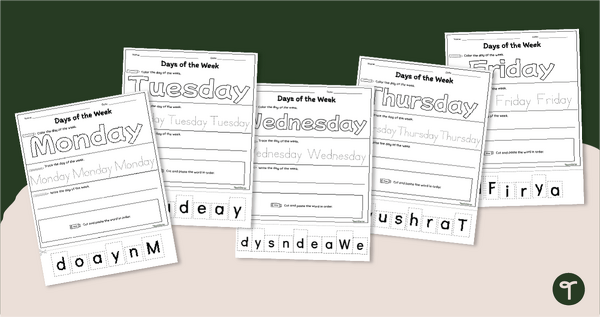
Days of the Week Spelling Worksheets
Use these Days of the Week Spelling worksheets to help your students practice reading, writing, and spelling the Days of the week.
- Plus Plan
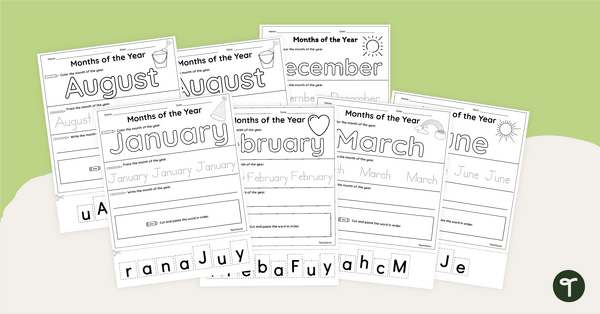
Months of the Year Worksheets
Read, write, and spell the months of the year with a set of printable Months of the Year worksheets for kindergarten.
- Plus Plan
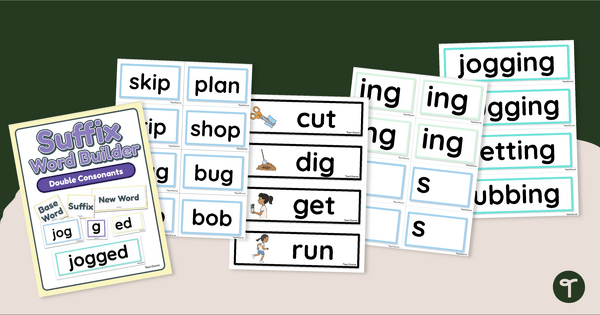
Double Consonant Rule - Word Building Cards
Practice spelling and building words that need double consonants when adding suffixes with a word-building center.
- Plus Plan
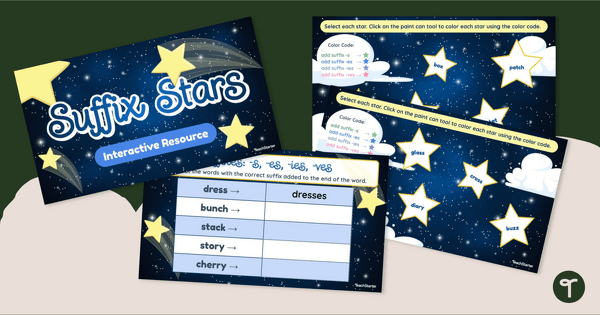
Plural Suffix Stars – Digital Activity
Practice reading and spelling plural nouns with an engaging Google Slides digital learning activity.
- Plus Plan
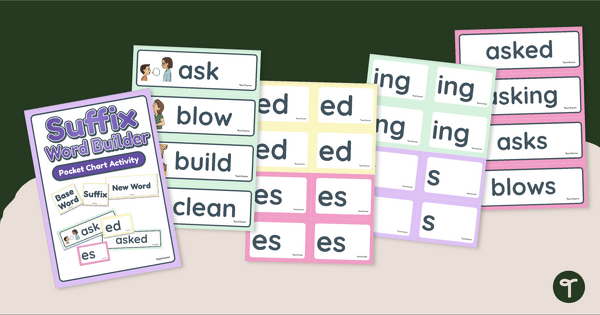
Building Words with Suffixes - Literacy Center Cards
Build words using the suffixes -ed, -es, -s, and -ing with a printable word-building pocket chart card pack.
- Plus Plan
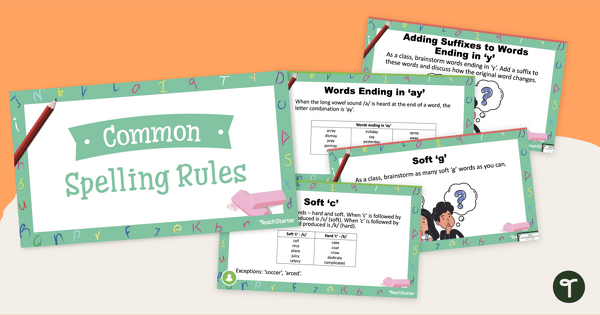
Plural Spelling Rules Teaching Slides
Teach plural rules to your class with ease using this engaging slide deck that helps students understand when to add -s, -es, -ies and -ves to make plural nouns.
- Plus Plan
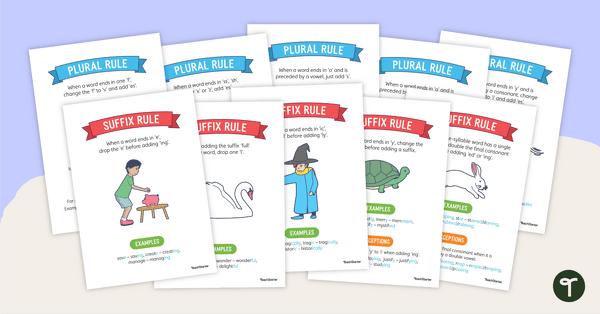
Spelling Rules Posters – Plurals and Suffixes Anchor Charts
Display the common spelling rules for suffixes and plurals with a set of printable spelling rules charts.
- Plus Plan
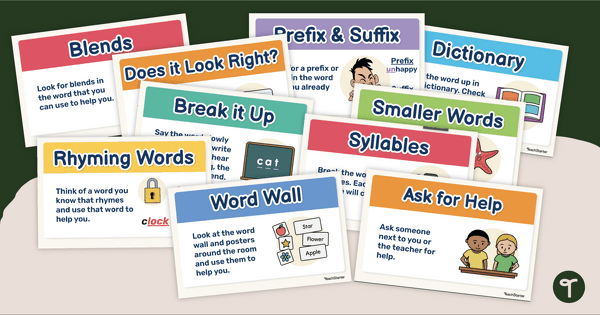
Spelling Strategies - Posters
Remind your students of the different spelling strategies by displaying a set of 10 spelling strategy posters.