Text Structures Teaching Resources
Bring text structures to life in the classroom with text structure posters for your classroom walls, printable worksheets and downloadable Google Slides templates that easily break down the way authors organize information in a text.
Familiarity with different text structures is crucial for helping our students develop reading comprehension skills and become more confident readers. So how do you teach students all about text structures? We're so glad you asked!
Our teacher team has created hundreds of resources with this concept at the heart. With editable resources at the ready, you can save time on your lesson planning, so you have more time with your family!
Each resource in this ELA collection is curriculum-aligned to help students meet Common Core and state-level standards for understanding text structures. Each has undergone a thorough review by our teacher team to ensure it's ready for your students.
New to teaching text structure, or just looking for fresh ways to engage your students? Read on for a primer from our teacher team, including a handy definition you can use to explain the meaning of text structure to your students.
What Is a Text Structure? A Kid-Friendly Definition
Whether you've been teaching students who've already passed this stage of literacy instruction or teaching classes for younger learners, you may need a quick refresher! Don't worry — the ELA teachers on the Teach Starter team are here to back you up with a simple definition you can use to explain text structures.
Text structures are thee different ways that an author has organized information within the text. These types of organization appear in both fiction and nonfiction texts.
Text structures help us use many of our reading comprehension strategies like visualizing, inferencing and monitoring comprehension.
6 Text Structure Examples to Share With Students
Looking for text structure examples to share with your students during your lessons? Here are some of the more common — and more helpful— text structures students may encounter in their reading:
- Problem and solution
- Chronological
- Cause and effect
- Inductive and deductive
- Description
- Sequence/process
How to Teach About Text Structures — Fun Ideas for Teachers
Looking for fun ideas for teaching text structures in the classroom? Try these tips from our teacher team!
- Practice sequencing stories with cards that map out a familiar task — but only if students can put them in the right order!
- Before reading a text featuring "cause and effect" out loud to the class, supply students with cause and effect graphic organizers. Students can be instructed to make notes of the different cause and effect examples they hear throughout your read-aloud.
- Create a text structures anchor chart with your class to help break down the different ways authors organize information.
- Add a text structures sorting activity to your reading center!
- Free Plan
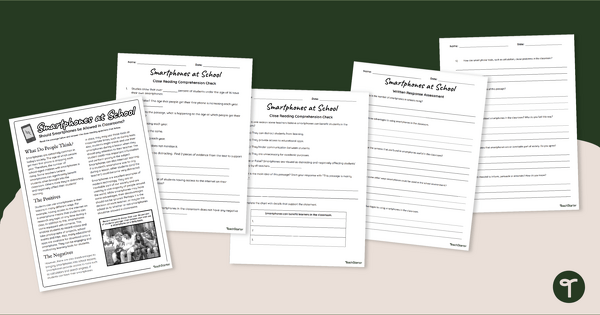
Should Smartphones Be Allowed in Class? Comprehension Worksheets
Decide if cellphones should be allowed in class and boost comprehension skills with a reading passage and comprehension test.
- Plus Plan
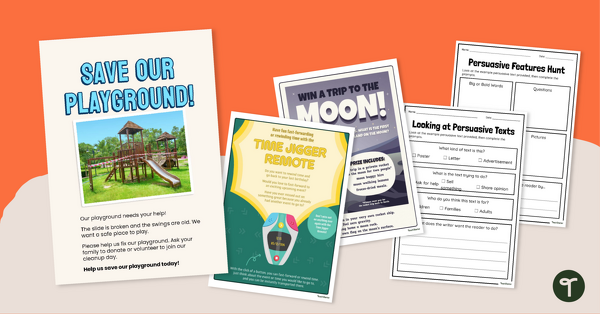
Persuasive Texts and Analysis Worksheets - 2nd Grade
Help your 2nd grade students learn how different texts are organised and why they are written with this persuasive texts analysis activity pack.
- Plus Plan
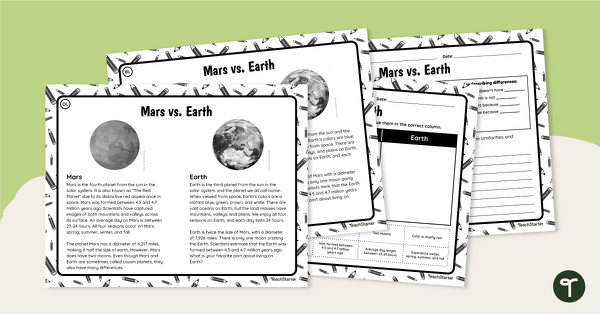
Mars vs. Earth - Differentiated Paired Passage Worksheets
Learn about the planets with differentiated compare and contrast passages, activities, and writing opportunities.
- Plus Plan
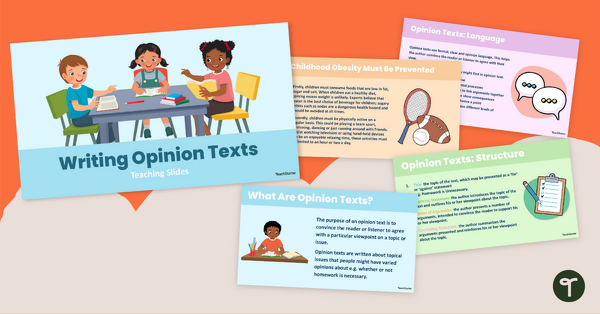
Writing Opinion Texts Teaching Slides
Teach your students about opinion writing with this detailed slideshow targeted at upper elementary school students.
- Plus Plan

Narrative Texts Teaching Slides
Teach your students the features of narrative texts using this detailed slideshow targeted at upper elementary school students.
- Free Plan
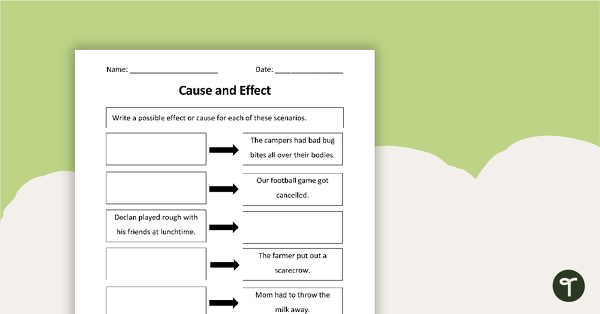
Cause and Effect - Scenario Worksheet
A worksheet and answer sheet to use when teaching students the about the cause and effect text structure.
- Plus Plan
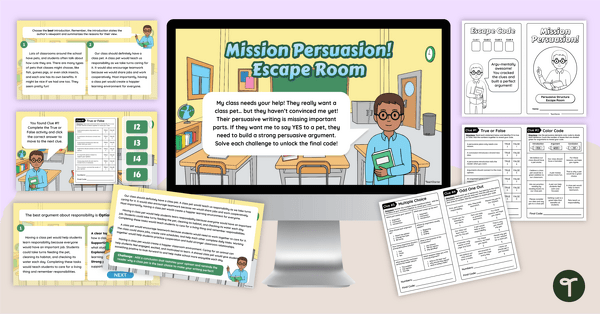
Opinion Essay Structure Escape Room – Mission Persuasion!
Teach opinion essay structure with this engaging escape-room game that helps students build a series of strong, convincing arguments.
- Plus Plan
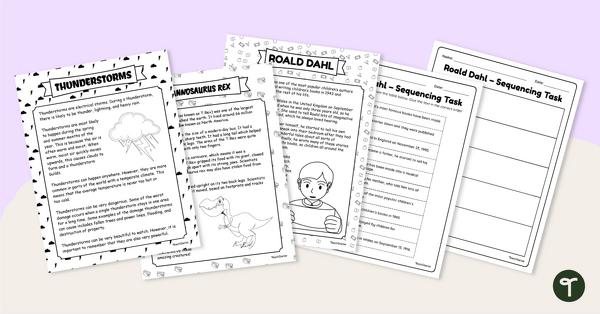
Sequence an Information Text – Cut and Paste Worksheets
Use these informational text examples to teach your students about sequencing facts in a logical order.
- Plus Plan
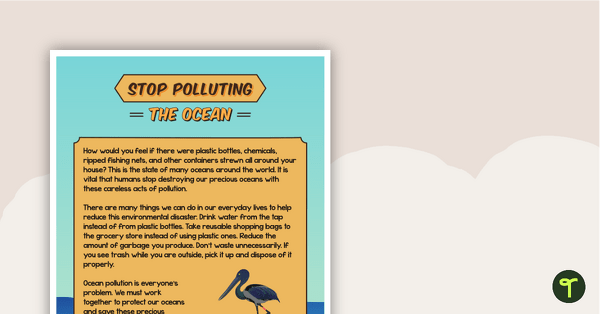
Sequence Persuasive Text Examples – Cut and Paste Worksheets
Use this example persuasive text pack to teach your students about sequencing arguments in a logical order.
- Plus Plan
Exploring Informational Texts Teaching Slides
Teach your students how to write an informational text using this detailed slideshow targeted at lower elementary school students.
- Plus Plan
Writing Information Texts Teaching Slides
Teach your students the features of information reports using this detailed slideshow targeted at upper elementary school students.
- Plus Plan
Developing Report Writing Skills Teaching Slides
Use this slide deck to teach your students about the purpose, structural elements and language features of informational texts.
- Plus Plan
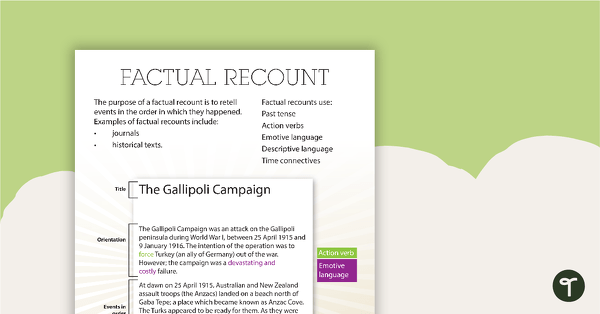
Factual Recount Text Type Poster - With Annotations
A poster about the factual recount text type, including an annotated example.
- Plus Plan
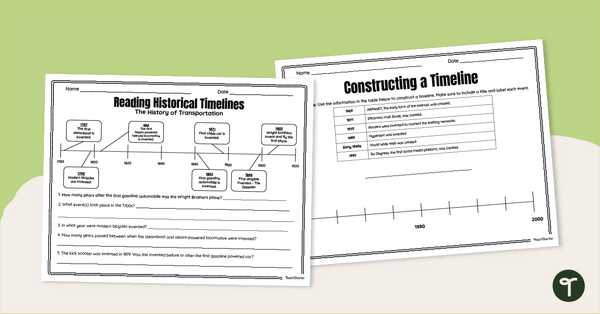
Reading and Constructing Timelines Worksheets
Practice reading and constructing timelines with a pair of printable timeline worksheets.
- Plus Plan
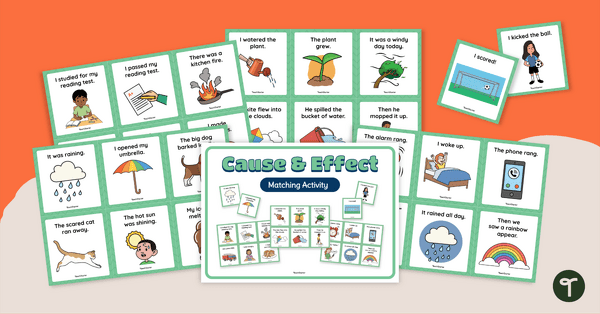
Cause and Effect Matching Cards
Build comprehension skills with your students using this cause and effect matching activity.
- Plus Plan
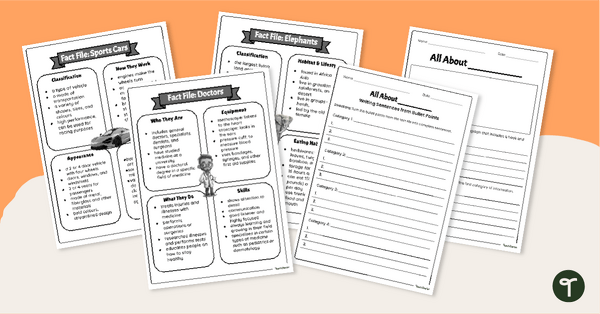
Informative Writing Fact Files - Differentiated Writing Worksheets
Teach your students to write informative texts using a pack of differentiated Informative Writing Fact File Worksheets.
- Plus Plan
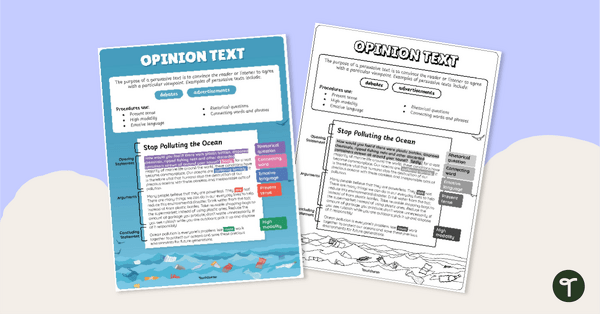
Opinion Text Structure Anchor Chart With Annotations
Display this Opinion text with annotations to help students identify the structure of this type of text.
- Plus Plan
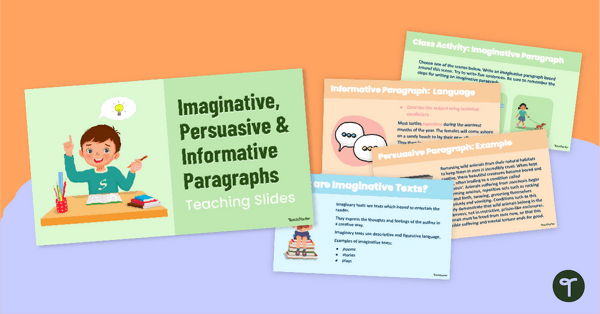
Imaginative, Persuasive and Informative Paragraphs PowerPoint
Learn about the different structures of imaginative, persuasive and informative paragraphs.
- Plus Plan
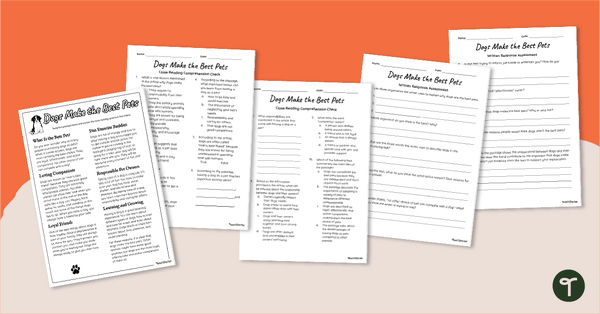
Dogs Make The Best Pets - Reading Comprehension PDF
Assess 3rd grade reading comprehension skills with a printable Reading Comprehension Test using an opinion text.
- Plus Plan
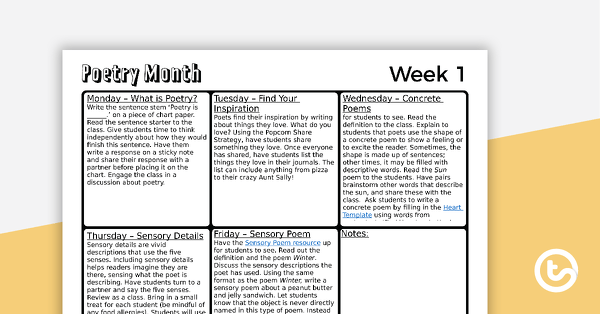
Primary Weekly Poetry Guide - Week 1
Use this weekly poetry guide to celebrate National Poetry Month in your primary classroom.
- Plus Plan
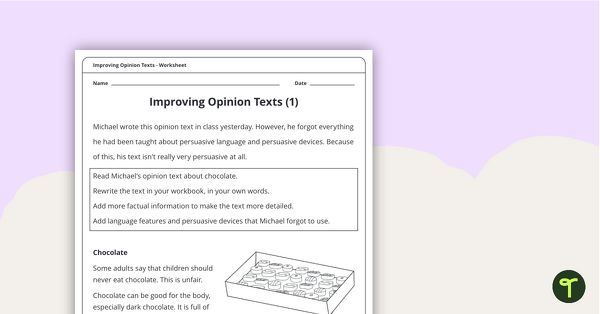
Improving Opinion Texts Worksheets
3 pieces of text for students to rewrite in order to make them more persuasive.
- Plus Plan
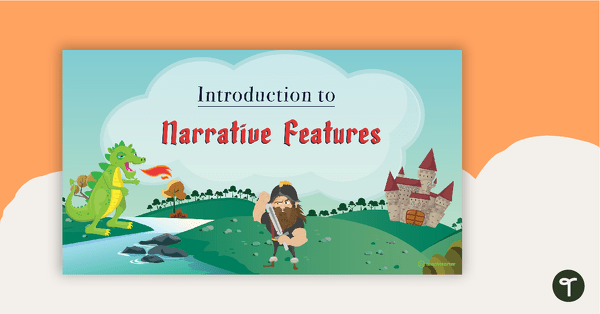
Narrative Structure Escape Room - Lost the Plot
Teach narrative structure with this engaging escape room game where students learn about the orientation, complication, climax and resolution by rebuilding a broken story.
- Plus Plan
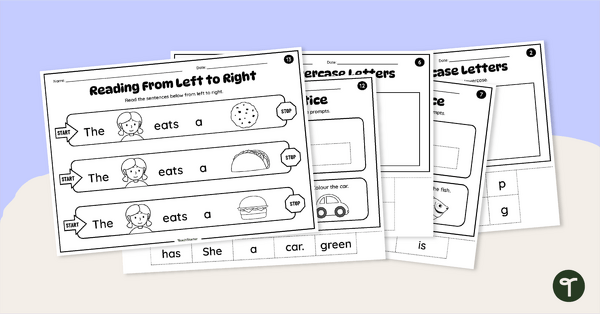
Concepts of Print Worksheet Pack
Help students master the fundamentals of reading with this Concepts of Print Worksheet pack.
- Plus Plan
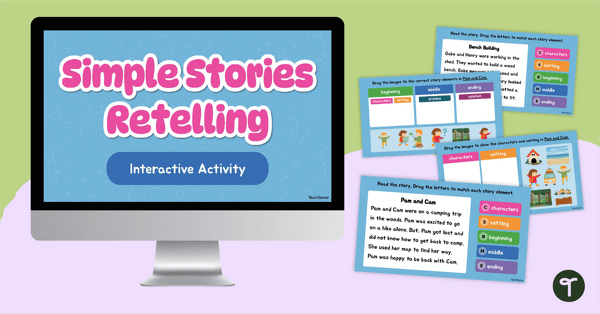
5 Elements of a Short Story Activity
Explore the 5 elements of a short story using this digital activity with five short stories.
- Plus Plan
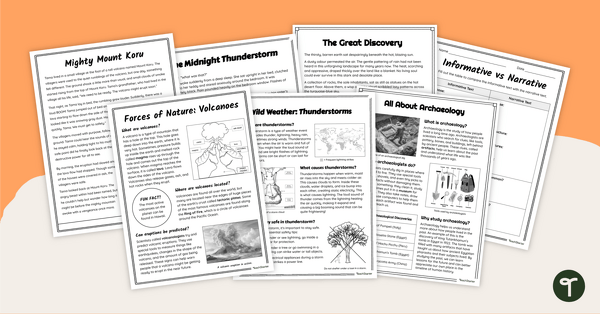
Comparing Narrative and Informational Text Worksheets
Use this set of comparing narrative and informational text worksheets to examine the purpose and features of these two common genres.
- Plus Plan
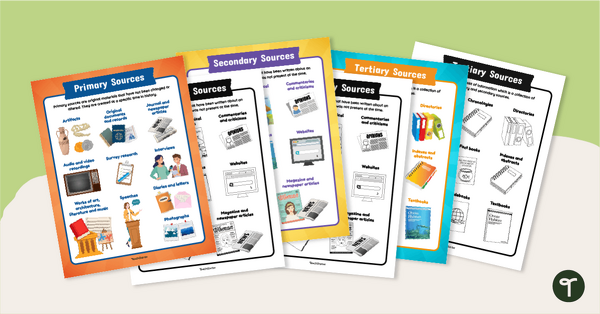
Primary, Secondary & Tertiary Sources Poster Pack
Introduce your students to examples of primary, secondary, and tertiary sources of information with a printable set of anchor charts.
- Plus Plan
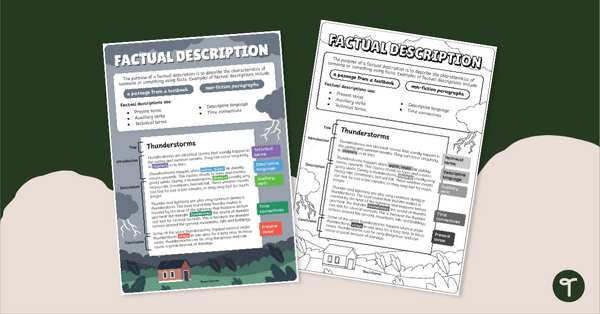
Factual Description Text Type Poster With Annotations
Display this factual description with annotations to help students identify the structure of this type of text.
- Plus Plan
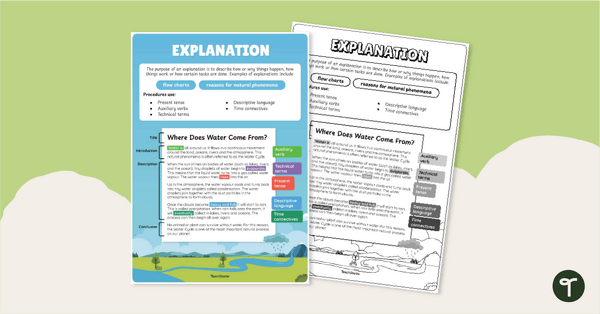
Explanation Text Type Poster With Annotations
Display this explanation text with annotations to help students identify the structure of an explanation.
- Plus Plan
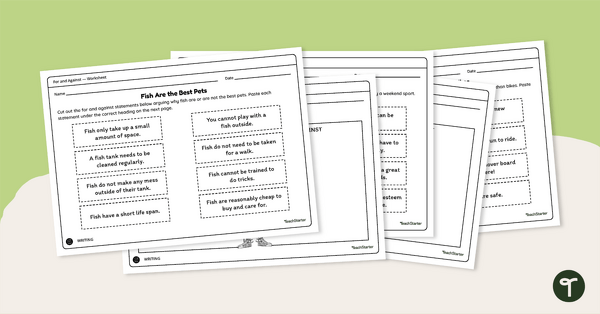
For and Against Worksheets
Explore 'for' and 'against' arguments for five different topics with this set of 'for' and 'against' sorting activities.
- Plus Plan
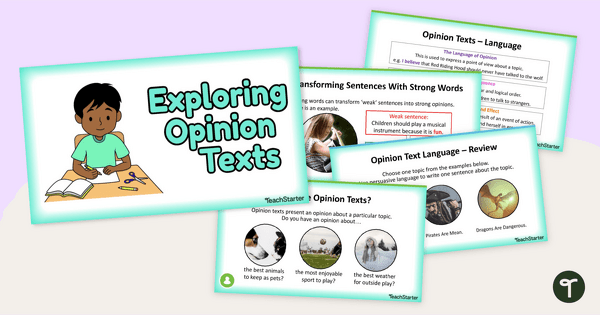
Exploring Opinion Texts Teaching Slides - Grade 1 and Grade 2
A 35 slide editable PowerPoint template to use when teaching your students about the structure and language features of opinion pieces.
- Plus Plan
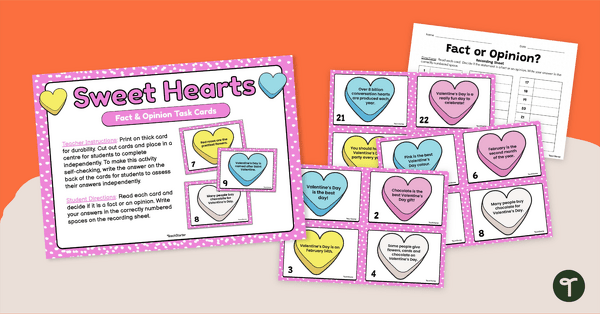
Sweet Hearts Fact and Opinion - Valentine's Day Activity
Practice sweet reading skills on Valentine’s Day with a set of Sweetheart Fact and Opinion task cards.
- Plus Plan
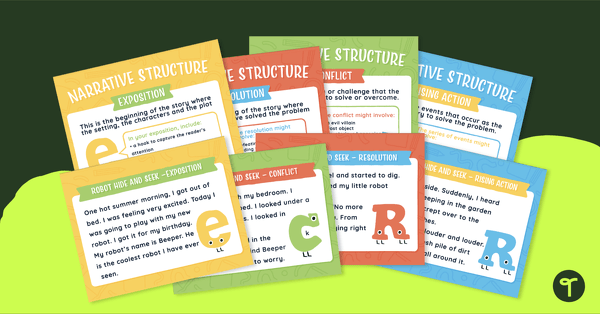
Narrative Text Structure Anchor Charts
Brighten up your classroom narrative writing display with this set of narrative writing posters!