ELAR 1.1
Developing and sustaining foundational language skills: listening, speaking, discussion, and thinking--oral language. The student develops oral language through listening, speaking, and discussion. The student is expected to:
- (1) Author's purpose and craft: listening, speaking, reading, writing, and thinking using multiple texts. The student uses critical inquiry to analyze the authors' choices and how they influence and communicate meaning within a variety of texts. The student analyzes and applies author's craft purposefully in order to develop his or her own products and performances. The student is expected to:
- (2) discuss the author's purpose for writing text;
- (A) discuss how the use of text structure contributes to the author's purpose;
- (B) discuss with adult assistance the author's use of print and graphic features to achieve specific purposes;
- (C) discuss how the author uses words that help the reader visualize; and
- (D) listen to and experience first- and third-person texts.
- (E) Composition: listening, speaking, reading, writing, and thinking using multiple texts--writing process. The student uses the writing process recursively to compose multiple texts that are legible and uses appropriate conventions. The student is expected to:
- (3) plan a first draft by generating ideas for writing
such as by drawing and brainstorming;
- (A) develop drafts in oral, pictorial, or written form by:
- (B) organizing with structure; and
- (i) developing an idea with specific and relevant details;
- (ii) revise drafts by adding details in pictures or words;
- (C) edit drafts using standard English conventions, including:
- (D) complete sentences with subject-verb agreement;
- (i) past and present verb tense;
- (ii) singular, plural, common, and proper nouns;
- (iii) adjectives, including articles;
- (iv) punctuation marks at the end of declarative, exclamatory, and interrogative sentences; and
- (v) adverbs that convey time;
- (vi) prepositions;
- (vii) pronouns, including subjective, objective, and possessive cases;
- (viii) capitalization for the beginning of sentences and the pronoun "I";
- (ix) correct spelling of words with grade-appropriate orthographic patterns and rules and high-frequency words with adult assistance; and
- (x) publish and share writing.
- (E) Composition: listening, speaking, reading, writing, and thinking using multiple texts--genres. The student uses genre characteristics and craft to compose multiple texts that are meaningful. The student is expected to:
- (4) dictate or compose literary texts, including
personal narratives and poetry;
- (A) dictate or compose informational texts, including procedural texts; and
- (B) dictate or compose correspondence such as thank you notes or letters.
- (C) Inquiry and research: listening, speaking, reading, writing, and thinking using multiple texts. The student engages in both short-term and sustained recursive inquiry processes for a variety of purposes. The student is expected to:
- (5) generate questions for formal and informal inquiry
with adult assistance;
- (A) develop and follow a research plan with adult assistance;
- (B) identify and gather relevant sources and information to answer the questions with adult assistance;
- (C) demonstrate understanding of information gathered with adult assistance; and
- (D) use an appropriate mode of delivery, whether written, oral, or multimodal, to present results.
- (E) listen actively, ask relevant questions to clarify information, and answer questions using multi-word responses;
- (F) follow, restate, and give oral instructions that involve a short, related sequence of actions;
- (G) share information and ideas about the topic under discussion, speaking clearly at an appropriate pace and using the conventions of language;
- (H) work collaboratively with others by following agreed-upon rules for discussion, including listening to others, speaking when recognized, and making appropriate contributions; and
- (I) develop social communication such as introducing himself/herself and others, relating experiences to a classmate, and expressing needs and feelings.
- Plus Plan
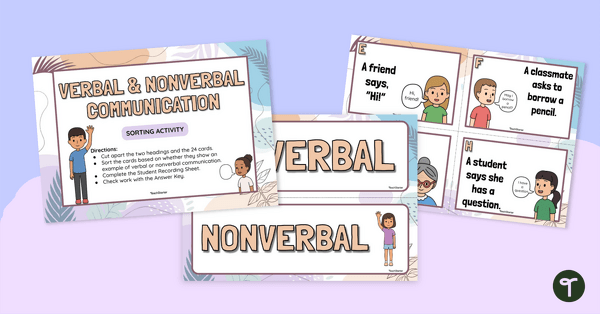
Verbal and Nonverbal Communication Sorting Activity
Use this sorting activity with your First Grade and Second Grade students to practice differentiating between verbal and nonverbal communication methods.
- Plus Plan
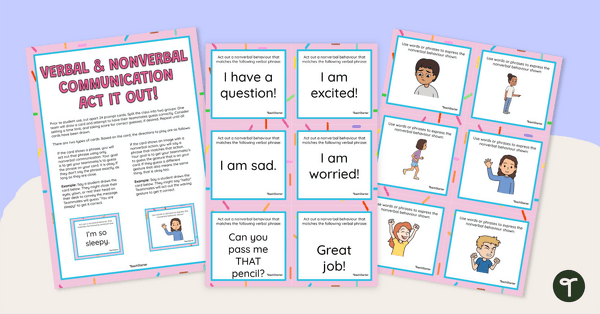
Verbal and Nonverbal Communication Act It Out Game
Use this active learning game to allow students to practice communication verbally and nonverbally, and interpret different verbal and nonverbal messages.
- Plus Plan
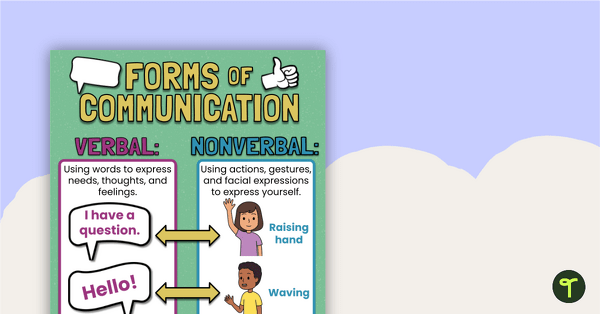
Verbal and Nonverbal Communication Poster
Teach your young students the key to communication by starting with the basics — the difference between verbal and nonverbal communication methods.
- Plus Plan
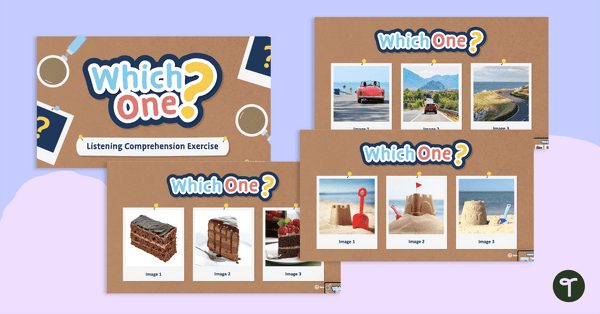
Which One? – Listening Comprehension Exercise
An Interactive PowerPoint where students listen to a description and choose the matching image.
- Plus Plan

Shopping Cart Matchup Activity
A speaking and listening activity to reinforce a variety of mathematical concepts.
- Plus Plan
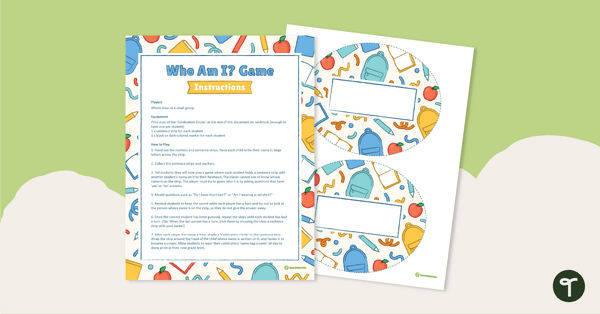
Who Am I? Icebreaker Game
Make day 1 a success with this fun icebreaker game.
- Plus Plan
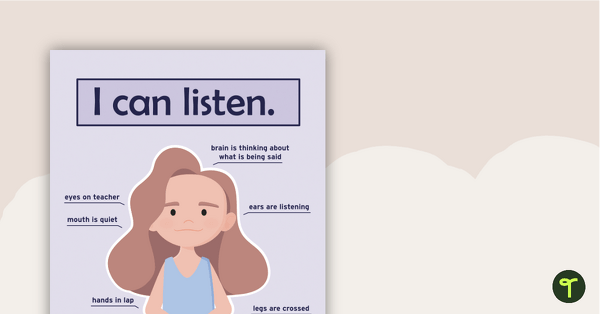
I Can Listen Poster
A poster to scaffold appropriate behavior for students when listening in class.
- Plus Plan
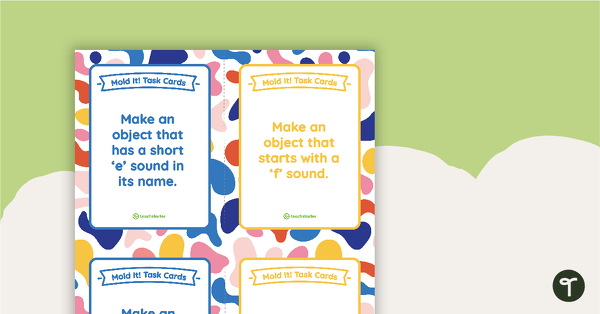
Mold It! Task Cards
A set of 28 task cards to use with modeling clay.
- Plus Plan
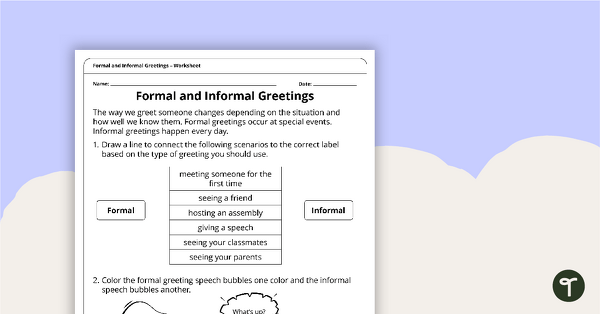
Formal and Informal Greetings – Worksheet
A sorting worksheet where students distinguish the differences between formal and informal greetings.
- Plus Plan
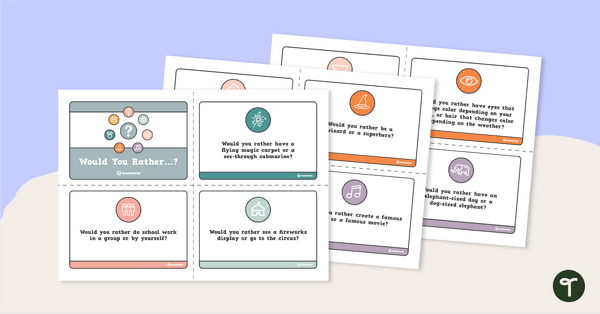
Would You Rather...? Question Cards
Would You Rather use this set of 31 question cards or eat a can of worms?
- Plus Plan
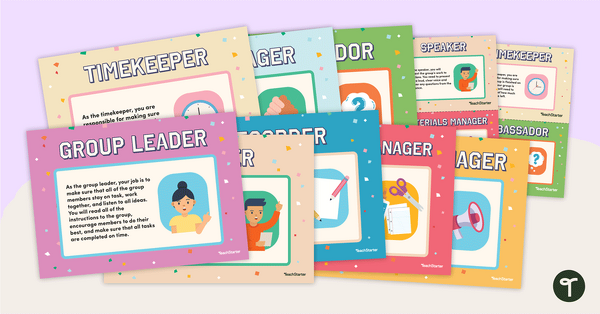
Group Work Role Cards
Review and reinforce eight possible roles for group work with this set of 2-in-1 reusable posters and desk cards.