ELAR K.2
Developing and sustaining foundational language skills: listening, speaking, reading, writing, and thinking--beginning reading and writing. The student develops word structure knowledge through phonological awareness, print concepts, phonics, and morphology to communicate, decode, and spell. The student is expected to:
- (1) demonstrate phonological awareness by:
- (A) identifying and producing rhyming words;
- (i) recognizing spoken alliteration or groups of words that begin with the same spoken onset or initial sound;
- (ii) identifying the individual words in a spoken sentence;
- (iii) identifying syllables in spoken words;
- (iv) manipulating syllables within a multisyllabic word; and
- (v) blending syllables to form multisyllabic words;
- (vi) segmenting multisyllabic words into syllables;
- (vii) blending spoken onsets and rimes to form simple words;
- (viii) blending spoken phonemes to form one-syllable words;
- (ix) segmenting spoken one-syllable words into individual phonemes;
- (x) demonstrate and apply phonetic knowledge by:
- (B) identifying and matching the common sounds that letters
represent;
- (i) using letter-sound relationships to decode, including VC, CVC, CCVC, and CVCC words;
- (ii) recognizing that new words are created when letters are changed, added, or deleted such as it - pit - tip - tap; and
- (iii) identifying and reading at least 25 high-frequency words from a research-based list;
- (iv) demonstrate and apply spelling knowledge by:
- (C) spelling words with VC, CVC, and CCVC;
- (i) spelling words using sound-spelling patterns; and
- (ii) spelling high-frequency words from a research-based list;
- (iii) demonstrate print awareness by:
- (D) identifying the front cover, back cover, and title page
of a book;
- (i) holding a book right side up, turning pages correctly, and knowing that reading moves from top to bottom and left to right with return sweep;
- (ii) recognizing that sentences are comprised of words separated by spaces and recognizing word boundaries;
- (iii) recognizing the difference between a letter and a printed word; and
- (iv) identifying all uppercase and lowercase letters; and
- (v) develop handwriting by accurately forming all uppercase and lowercase letters using appropriate directionality.
- (A) identifying and producing rhyming words;
- Plus Plan
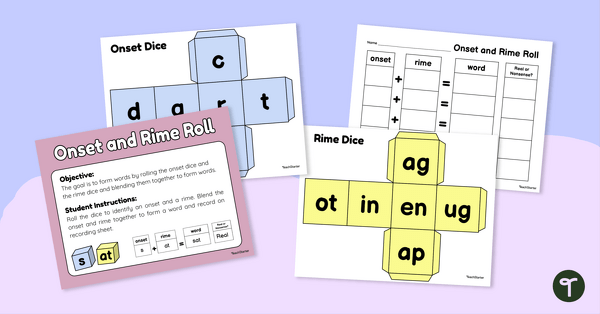
Onset and Rime Roll-a-Word Activity
Build real and nonsense words by blending onsets and rimes with an onset-rime dice roll literacy game
- Plus Plan
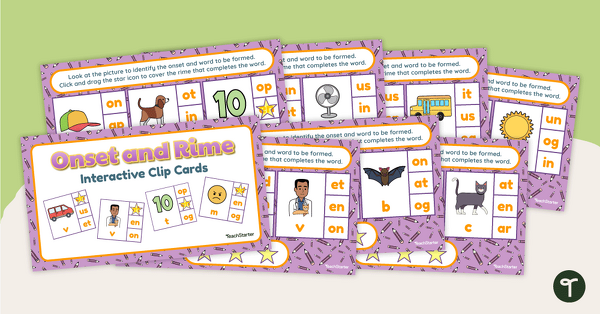
Onset and Rime Interactive Clip Cards
Form words by blending onsets and rimes using a Google Interactive Onset-Rime Clip Card Center.
- Plus Plan
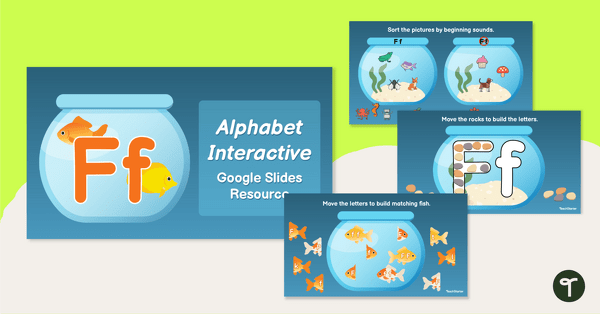
Alphabet Google Interactive - Letter F
Use a Google Slides Interactive Activity to aid students in learning the letter F.
- Plus Plan
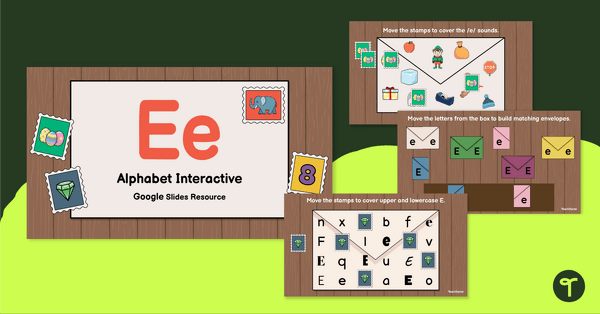
Alphabet Google Interactive – Letter E
Build letter recognition skills and phonemic awareness with a Letter E Google Slides Interactive Activity.
- Plus Plan
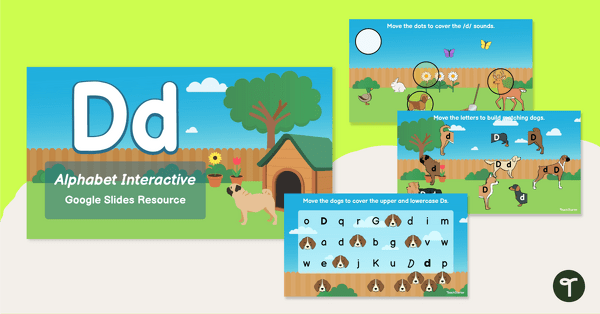
Alphabet Google Interactive — Letter D
Dive into learning the letter D with a Google Interactive Activity.
- Plus Plan
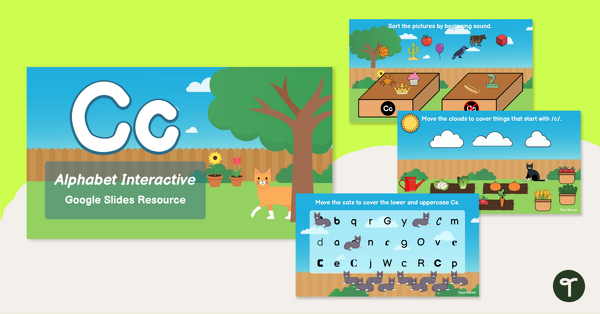
Alphabet Google Interactive — Letter C
Identify, build, and learn the sounds of the letter C with a Google Slides Interactive Activity.
- Plus Plan
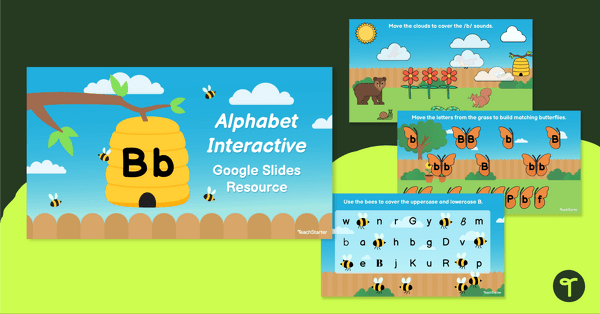
Alphabet Google Interactive — Letter B
Use a Google Slides Interactive Activity to aid students in learning the letter B.
- Plus Plan
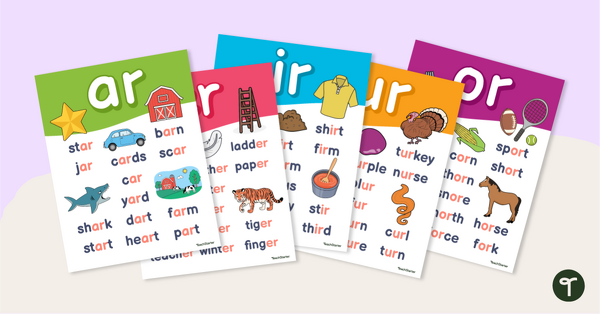
R-Controlled Vowel Posters
Supplement your phonics curriculum with an R-controlled vowel poster display.
- Plus Plan
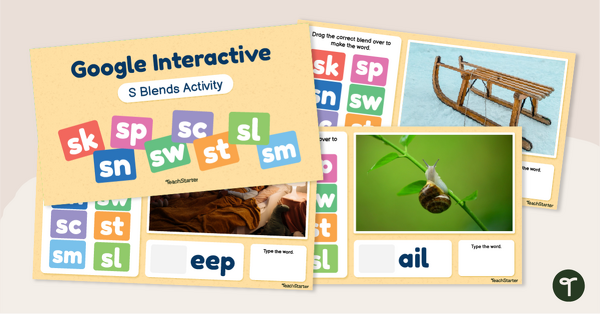
Google Interactive S-Blends Activity
Help your readers practice their S-blend skills with fun, interactive Google Slides word-building activities.
- Plus Plan
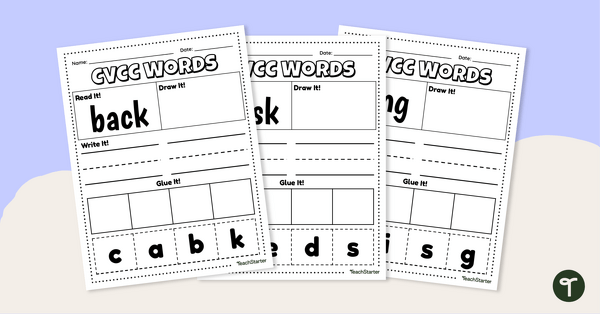
CVCC Word Study Worksheet Pack
Provide extra practice reading, spelling, and writing CVCC words with a set of 30 CVCC Word Study Practice Worksheets.
- Plus Plan
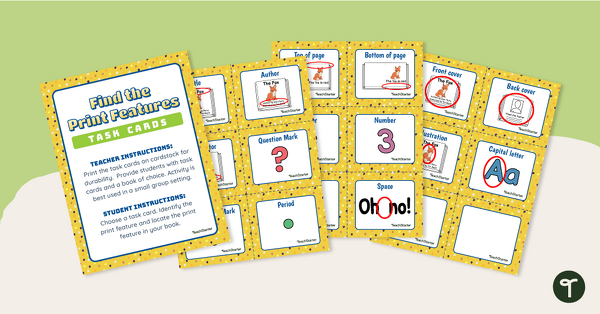
Find the Print Features Task Cards (K-1)
Use these task cards to aid kindergarten and first-grade readers in recognizing print features and concepts of print.
- Plus Plan
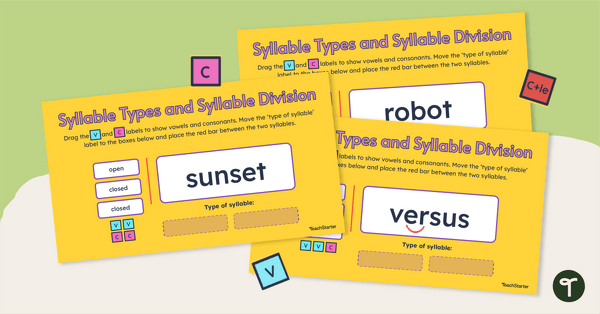
Syllable Types and Syllable Division
Divide multisyllabic words into syllables and identify their syllable types with this Google Slides interactive activity.
- Plus Plan
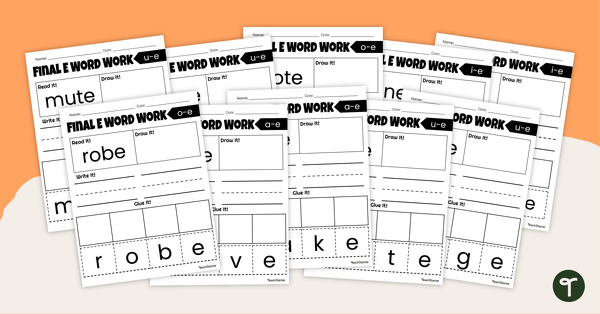
Final E - Word Study Worksheets Pack
Provide extra practice reading, spelling, and writing final-e words with a set of 44 Final E Word Study Worksheets.
- Plus Plan
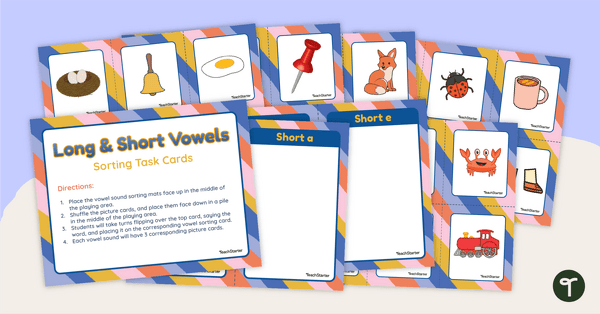
Short and Long Vowel Sounds Sorting Center
Distinguish between long and short vowel sounds with a short and long vowel sorting center activity.
- Plus Plan
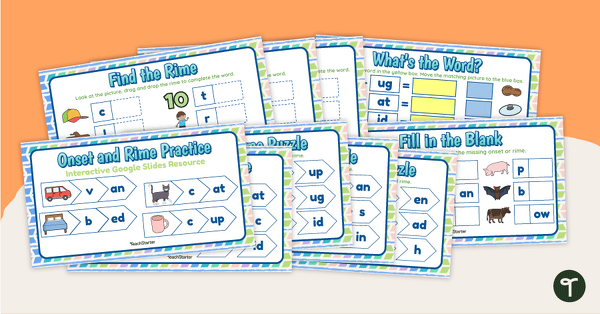
Google Slides Interactive - Onset and Rime Activity
Form words by blending onsets and their rimes with a Google Slides interactive activity.
- Plus Plan
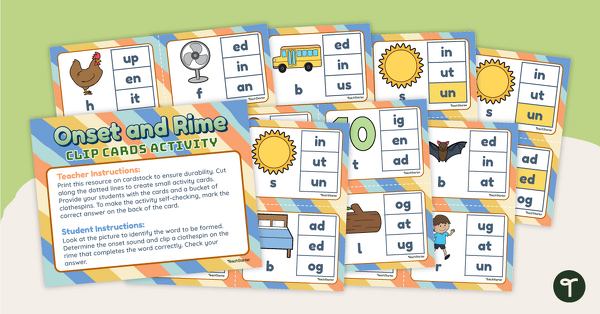
Onset and Rime Clip Cards - Reading Center
Form words by blending onsets and rimes using an Onset-Rime Clip Card Center.
- Plus Plan
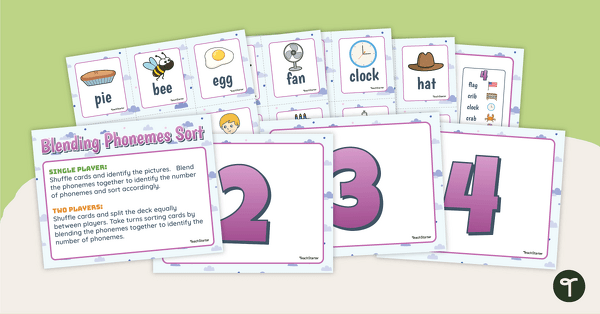
Blending Phonemes Sorting Center
Master phoneme blending and segmentation with this phoneme sorting center activity.
- Plus Plan
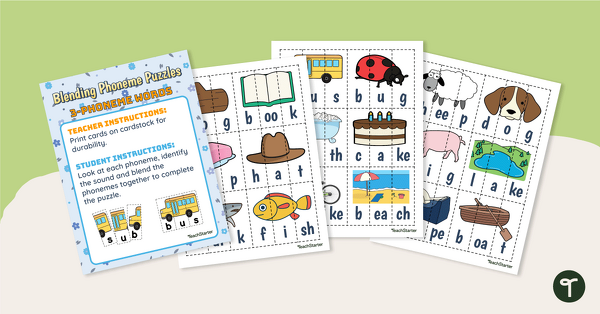
Blending Phoneme Puzzles — 3-Phoneme Words
Master blending phonemes with phoneme blending puzzles as a reading center activity.
- Plus Plan
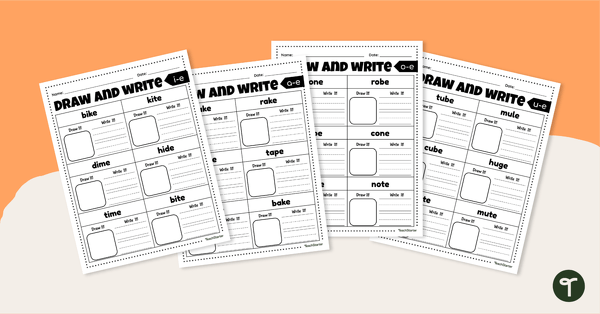
Draw and Write Final E Worksheet Pack
Provide extra practice reading, spelling, and writing final-e words with Draw and Write Worksheets.
- Plus Plan
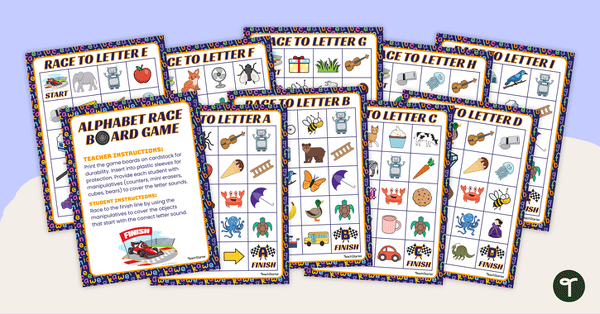
Letter-Sound Correspondence Games - A-Z Alphabet Race Bundle
Practice letter-sound correspondence with a set of 26 Alphabet Race printable games.
- Plus Plan
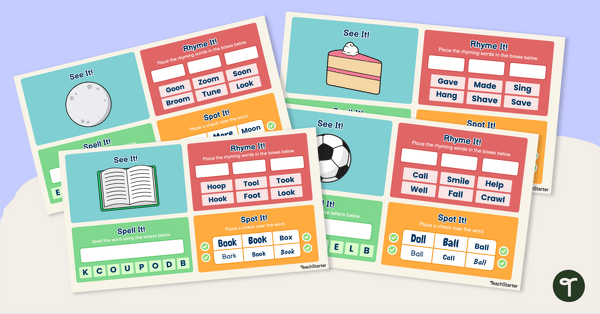
Google Interactive Activity- Reading, Spelling, and Rhyming Word Families
Build skill with word families, rhyming words, and more with a Google Slides Interactive Word Family Activity.
- Plus Plan
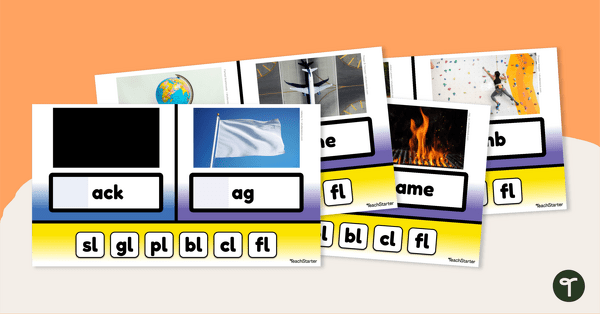
Google Interactive L-Blends Word Building Activity
Engage young readers to tackle L-blend words with an engaging and inviting Google Interactive activity.
- Plus Plan
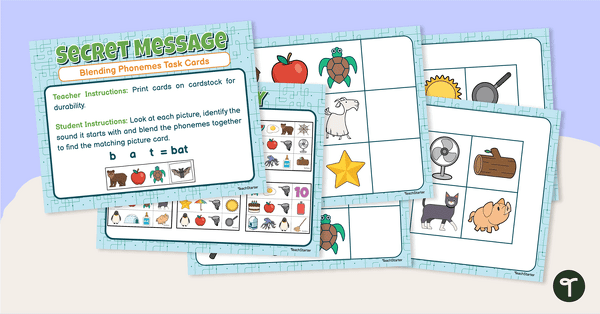
Blending Phonemes Secret Message-Matching Activity
Blend phonemes to build words and uncover the secret message!
- Plus Plan
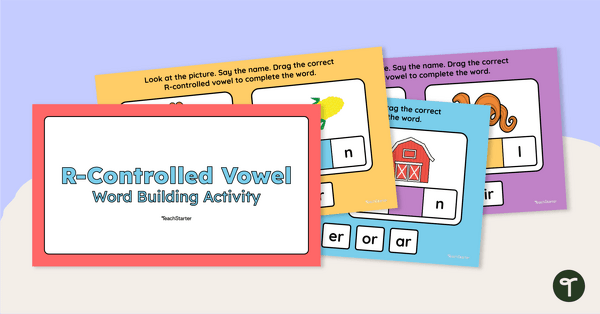
Google Interactive R-Controlled Vowel Word Building Activity
Build an engaging literacy center or station activity around r-controlled vowels with a Google Slides Interactive Activity.
- Plus Plan
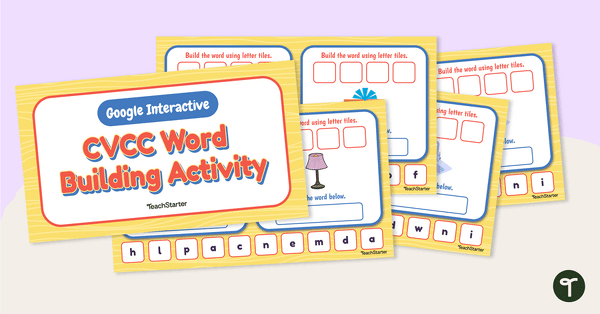
Google Interactive CVCC Word Building Activity
Practice building, reading, and writing words with consonants, vowels, blends, and digraphs while spelling CVCC words.
- Plus Plan
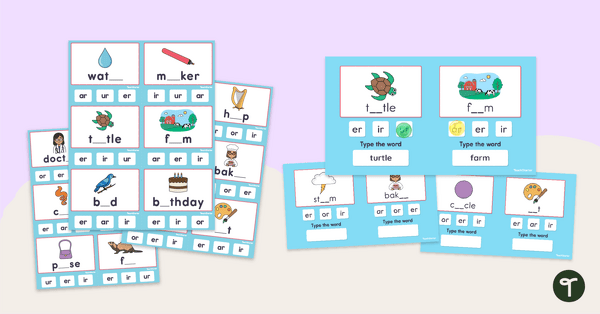
R-Controlled Vowel Clip Cards-Digital and Print
Build an engaging literacy center or station activity around r-controlled vowels with these digital and/or printable r-controlled vowel clip cards.
- Plus Plan
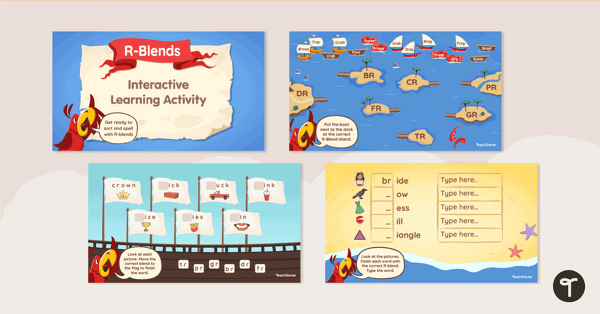
Google Interactive R-Blends Sort and Write Activity
Bring technology into your guided reading lessons, and achieve mastery of r-blend words with a fun, pirate-themed learning activity.
- Plus Plan
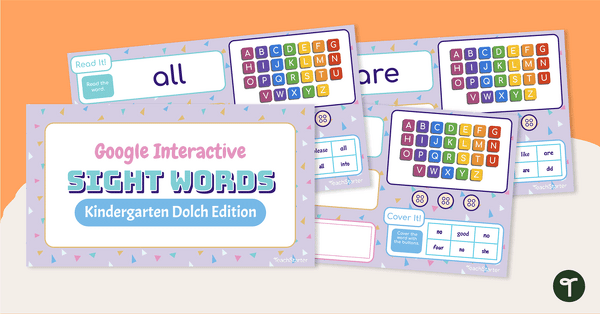
Google Interactive Sight Word Study-Kindergarten Dolch Words
Read, write, identify, and build all 52 Dolch kindergarten sight words in an interactive Google Slides presentation.
- Plus Plan
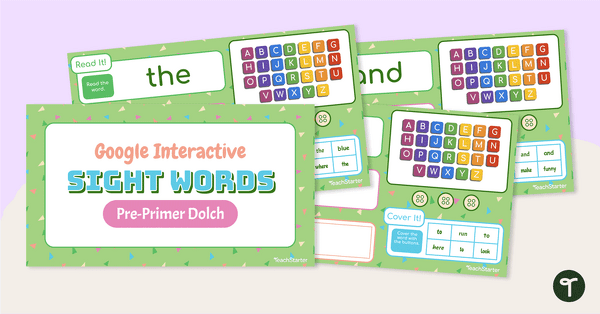
Google Interactive Sight Words-Pre-Primer Dolch Words
Read, write, identify, and build all 40 Dolch pre-k sight words in an interactive Google Slides presentation.
- Plus Plan
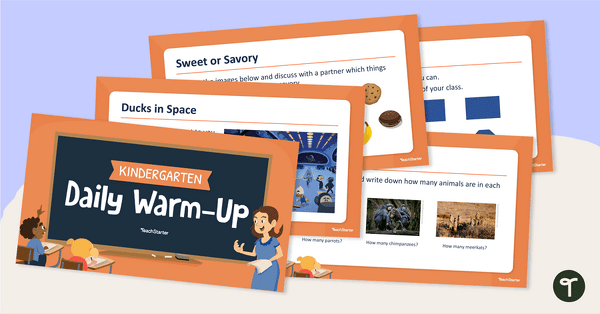
Kindergarten Daily Warm-Up – PowerPoint 1
Display this collection of warm-up activities for kindergarten with tasks related to literacy, math, art, and more.
- Plus Plan
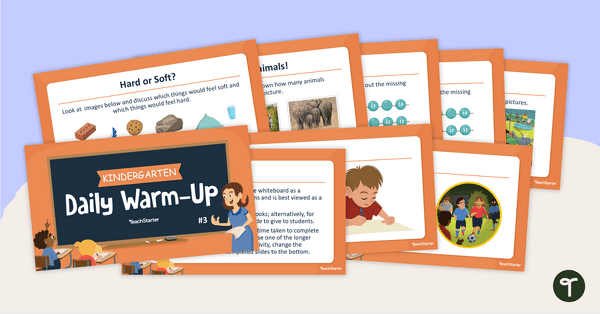
Kindergarten Daily Warm-Up - PowerPoint 3
Wake up kindergarten-level students with a new Math or English activity each day.
- Plus Plan
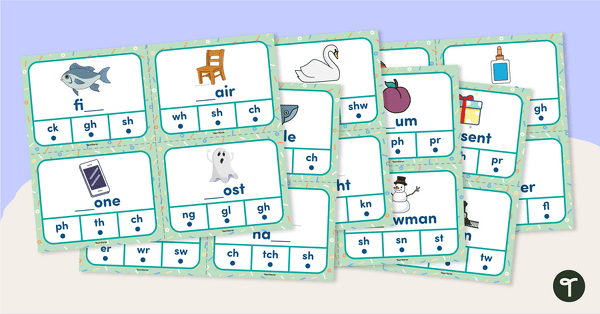
Blends and Digraphs Clip Card Reading Center
Practice identifying digraphs and blends in word through interactive Google slides and traditional PDF printable formats.