ELAR K.2
Developing and sustaining foundational language skills: listening, speaking, reading, writing, and thinking--beginning reading and writing. The student develops word structure knowledge through phonological awareness, print concepts, phonics, and morphology to communicate, decode, and spell. The student is expected to:
- (1) demonstrate phonological awareness by:
- (A) identifying and producing rhyming words;
- (i) recognizing spoken alliteration or groups of words that begin with the same spoken onset or initial sound;
- (ii) identifying the individual words in a spoken sentence;
- (iii) identifying syllables in spoken words;
- (iv) manipulating syllables within a multisyllabic word; and
- (v) blending syllables to form multisyllabic words;
- (vi) segmenting multisyllabic words into syllables;
- (vii) blending spoken onsets and rimes to form simple words;
- (viii) blending spoken phonemes to form one-syllable words;
- (ix) segmenting spoken one-syllable words into individual phonemes;
- (x) demonstrate and apply phonetic knowledge by:
- (B) identifying and matching the common sounds that letters
represent;
- (i) using letter-sound relationships to decode, including VC, CVC, CCVC, and CVCC words;
- (ii) recognizing that new words are created when letters are changed, added, or deleted such as it - pit - tip - tap; and
- (iii) identifying and reading at least 25 high-frequency words from a research-based list;
- (iv) demonstrate and apply spelling knowledge by:
- (C) spelling words with VC, CVC, and CCVC;
- (i) spelling words using sound-spelling patterns; and
- (ii) spelling high-frequency words from a research-based list;
- (iii) demonstrate print awareness by:
- (D) identifying the front cover, back cover, and title page
of a book;
- (i) holding a book right side up, turning pages correctly, and knowing that reading moves from top to bottom and left to right with return sweep;
- (ii) recognizing that sentences are comprised of words separated by spaces and recognizing word boundaries;
- (iii) recognizing the difference between a letter and a printed word; and
- (iv) identifying all uppercase and lowercase letters; and
- (v) develop handwriting by accurately forming all uppercase and lowercase letters using appropriate directionality.
- (A) identifying and producing rhyming words;
- Plus Plan
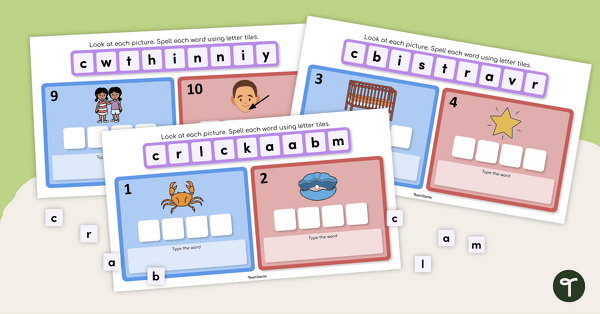
Google Slides Interactive- CCVC Word Building Activity
Practice identifying consonants, vowels, blends, and digraphs sounds while spelling 22 CCVC (consonant-consonant-vowel-consonant) words.
- Plus Plan
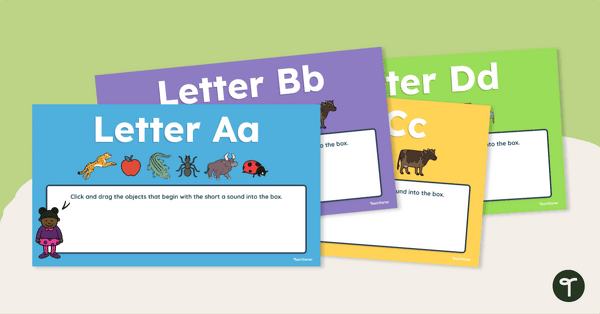
Interactive Alphabet-Google Slides Digital Learning Activity
Practice identifying letter sounds by working your way through each letter of the alphabet.
- Plus Plan
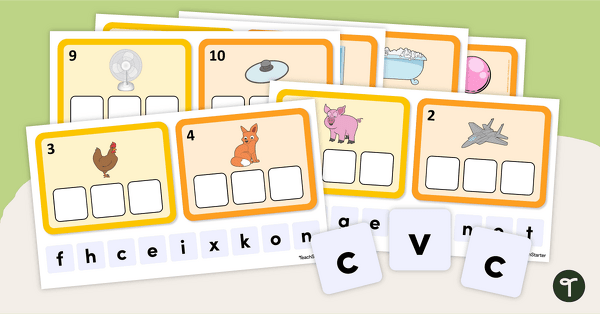
Interactive Word Building Sorting Activity-CVC Words
Practice spelling 18 CVC words using images and letter tiles as clues.
- Plus Plan
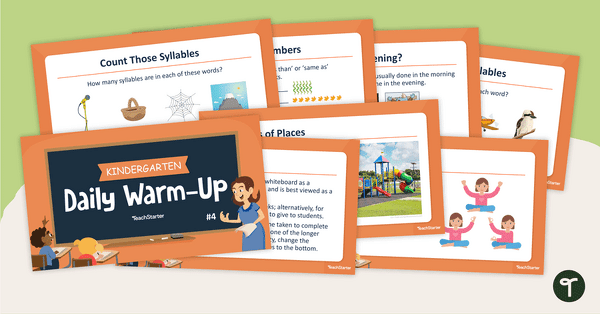
Kindergarten Daily Warm-Up – PowerPoint 4
Start the school day with this 81-slide PowerPoint presentation containing a variety of Reading and Math warm-up activities.
- Plus Plan
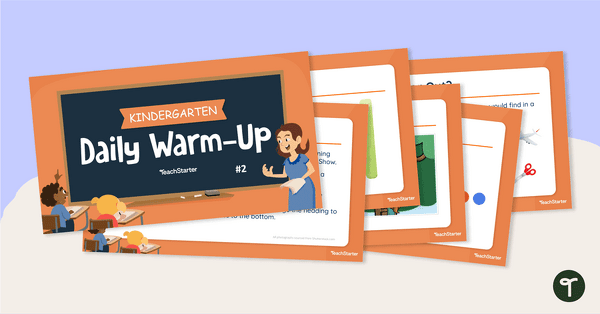
Kindergarten Daily Warm-Up – PowerPoint 2
Display this collection of warm-up activities for kindergarten with tasks related to literacy, math, and more.
- Plus Plan
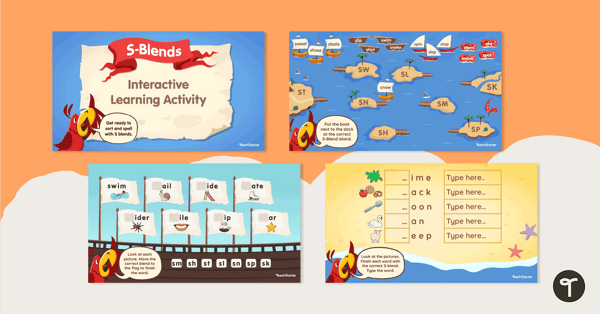
Google Interactive Initial S-Blends Activity
Decode and segment words by identifying the s-blend words with phonemes sp, sl, sm, sn, sc, st.
- Plus Plan
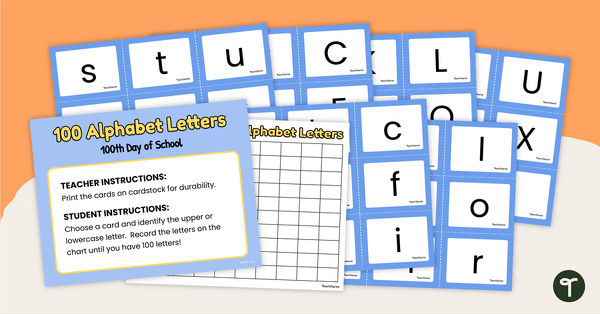
100 Alphabet Letters
Practice counting to 100 by 1’s with upper and lowercase alphabet cards and our 100 chart.
- Plus Plan
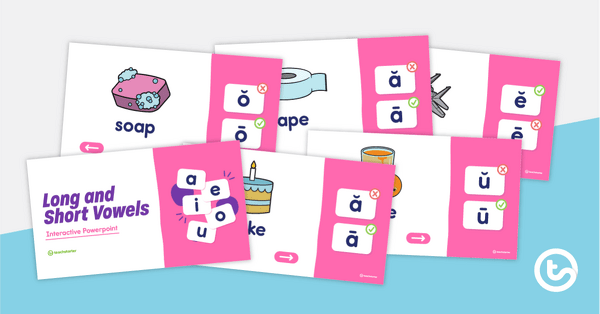
Differentiating Long and Short Vowels - Interactive PowerPoint
Practice differentiating between long and short vowel sounds with this interactive PowerPoint.
- Plus Plan
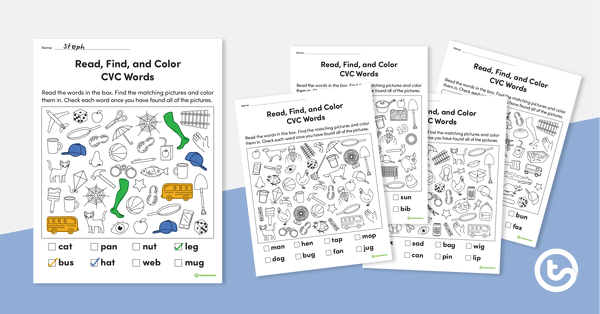
Read, Find, and Color – CVC Words
Practice decoding CVC words with this set of five "search and find" worksheets.
- Plus Plan
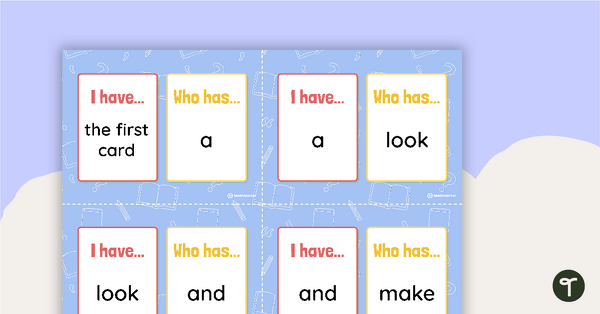
I Have, Who Has? Game - Dolch PrePrimer Sight Words
Practice listening to and reading high-frequency words with this set of 41 “I Have, Who Has” Pre-K Dolch sight word game cards.
- Plus Plan
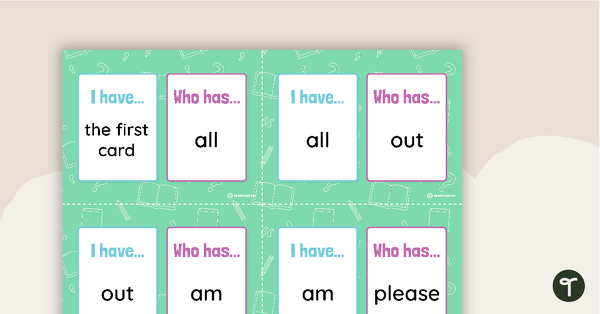
I Have, Who Has? Game - Dolch Primer Sight Words
Practice listening to and reading high-frequency words with this set of 53 “I Have, Who Has” Kindergarten Dolch sight word game cards.
- Plus Plan
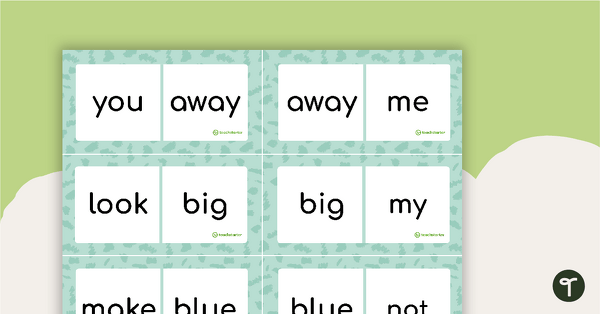
Sight Word Dominoes - Dolch Pre-Primer
Improve identifying high-frequency words by sight with this set of 40 Dolch Pre-Primer sight word dominoes.
- Plus Plan
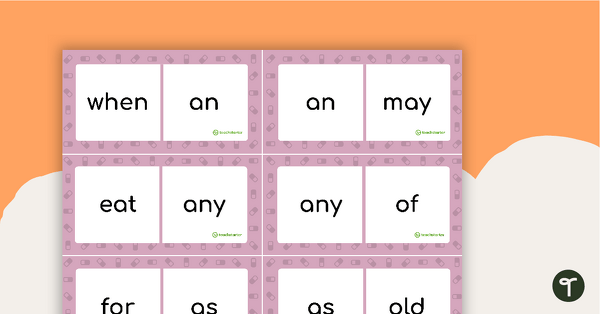
Sight Word Dominoes - Dolch 1st Grade
Improve identifying high-frequency words by sight with this set of 40 Dolch First Grade sight word dominoes.
- Plus Plan
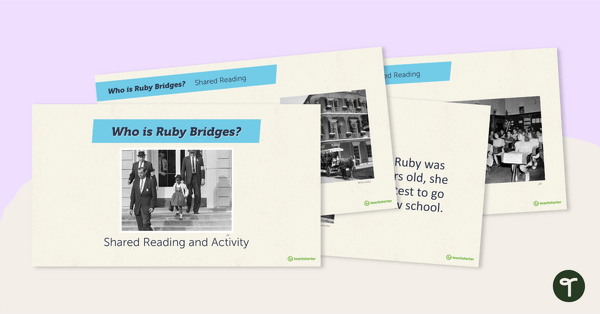
Who Is Ruby Bridges? – Shared Reading and Activity
Read along to learn about Ruby Bridges and her role in desegregation with this 14-slide PowerPoint presentation.
- Free Plan
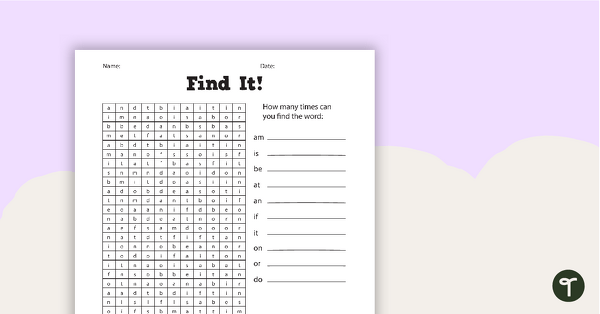
Find It! - Sight Word Worksheets
Make your sight word instruction fun with this word search puzzle.
- Plus Plan
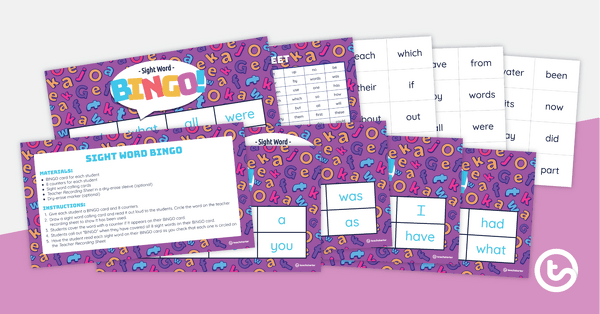
Sight Word BINGO (Fry Word List 1-100 )
A set of 25 BINGO cards to practice reading the first 100 words on the Fry Sight Word List.
- Plus Plan
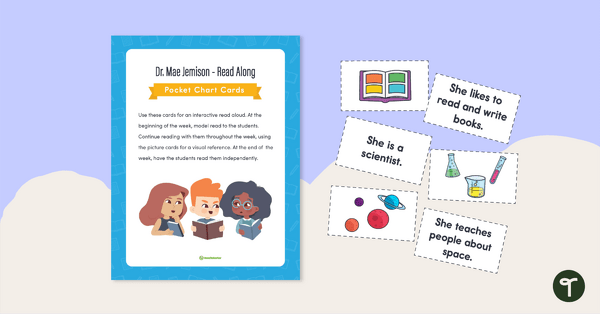
Read Along Pocket Chart Cards – Dr. Mae Jemison
Use this set of 13 sight word and image display cards for your reading and history lessons.
- Plus Plan
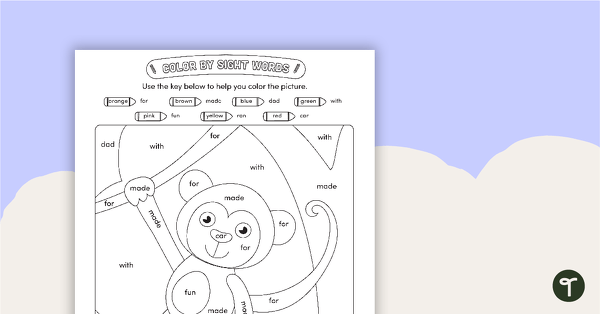
Color by Sight Words - 7 Words - Monkey
A fun coloring activity to use when working with sight words.
- Plus Plan
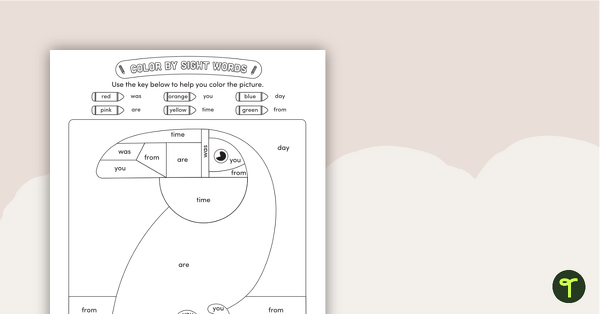
Color by Sight Words - 6 Words - Toucan
A fun coloring activity to use when working with sight words.
- Plus Plan
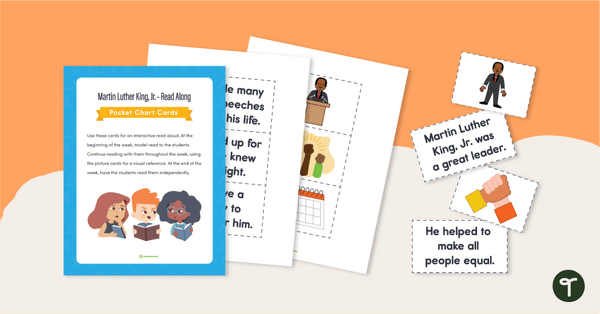
Read Along Pocket Chart Cards - Martin Luther King, Jr.
Use this set of 12 MLK text and image pocket chart cards for reading and sight word practice.
- Plus Plan
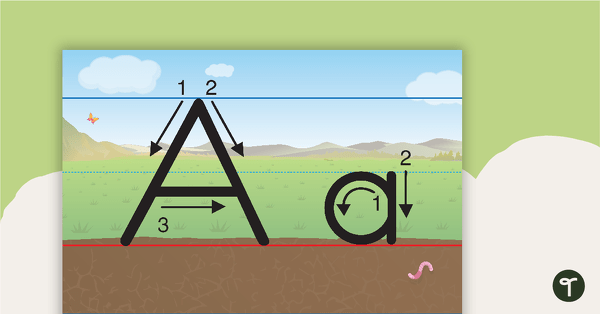
Handwriting Posters - Dirt, Grass, and Sky Background With Arrows
Handwriting posters using a dirt, grass, and sky background with arrows.
- Plus Plan
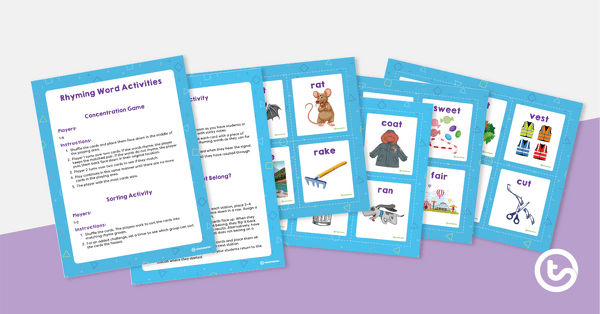
Rhyming Word Activity Cards
Practice rhyming individually, in pairs, small groups, or as part of a whole-class with this set of 24 rhyming word cards and accompanying activity instructions.
- Plus Plan
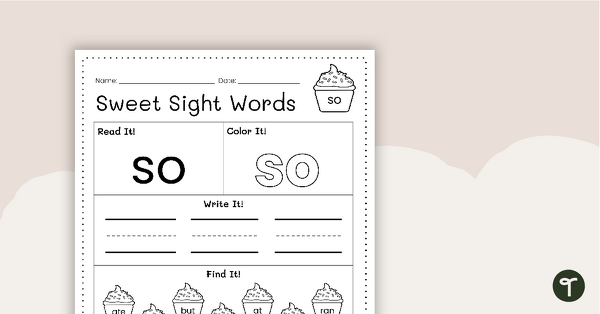
Sweet Sight Words Worksheet - SO
Practice reading, writing, and identifying the high-frequency word “so” from the Kindergarten-level Dolch sight words list.
- Plus Plan
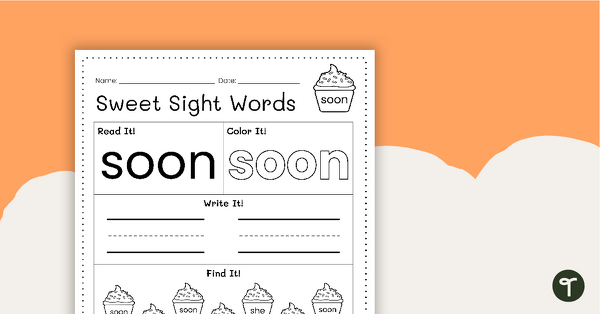
Sweet Sight Words Worksheet - SOON
Practice reading, writing, and identifying the high-frequency word “soon” from the Kindergarten-level Dolch sight words list.
- Plus Plan
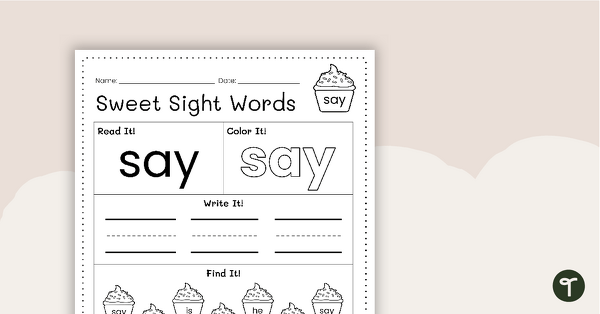
Sweet Sight Words Worksheet - SAY
Practice reading, writing, and identifying the high-frequency word “say” from the Kindergarten-level Dolch sight words list.
- Plus Plan
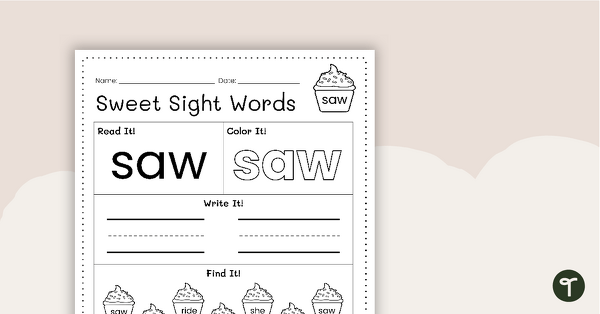
Sweet Sight Words Worksheet - SAW
Practice reading, writing, and identifying the high-frequency word “saw” from the Kindergarten-level Dolch sight words list.
- Plus Plan
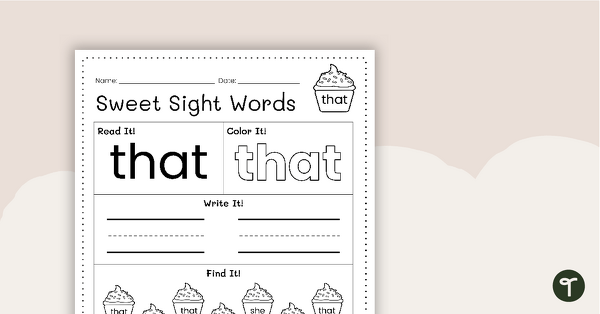
Sweet Sight Words Worksheet - THAT
Practice reading, writing, and identifying the high-frequency word “that” from the Kindergarten-level Dolch sight words list.
- Plus Plan
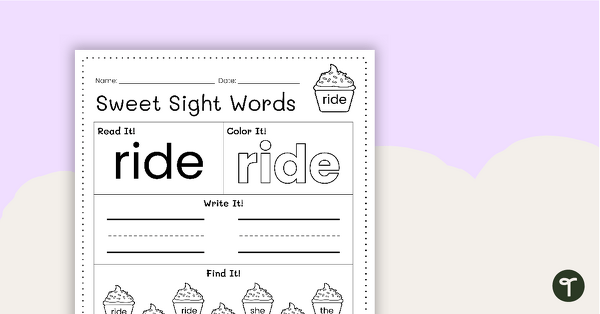
Sweet Sight Words Worksheet - RIDE
Practice reading, writing, and identifying the high-frequency word “ride” from the Kindergarten-level Dolch sight words list.
- Plus Plan
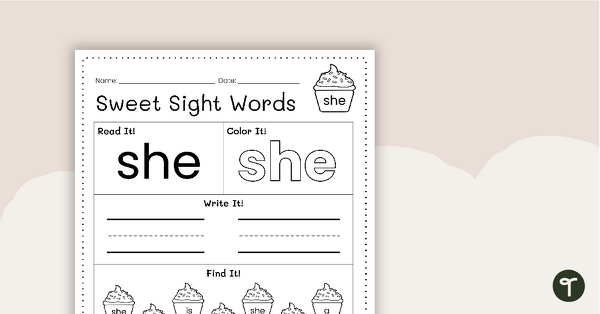
Sweet Sight Words Worksheet - SHE
Practice reading, writing, and identifying the high-frequency word “she” from the Kindergarten-level Dolch sight words list.
- Free Plan
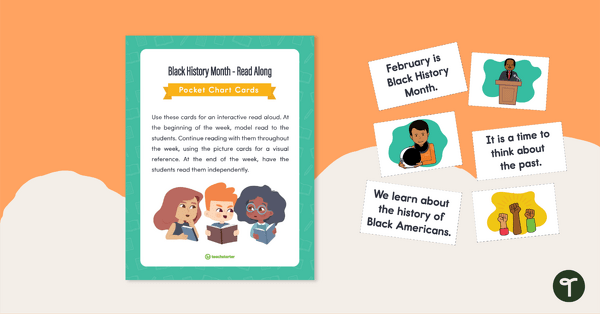
Read Along Pocket Chart Cards – Black History Month
Use this set of Black History Month text and image pocket chart cards for reading and history lessons.
- Plus Plan
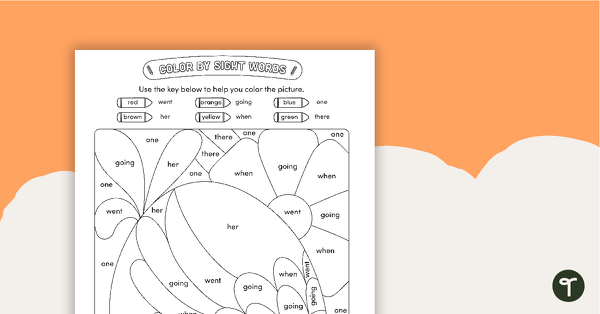
Color by Sight Words - 6 Words - Chicken
A fun coloring activity to use when working with sight words.
- Plus Plan
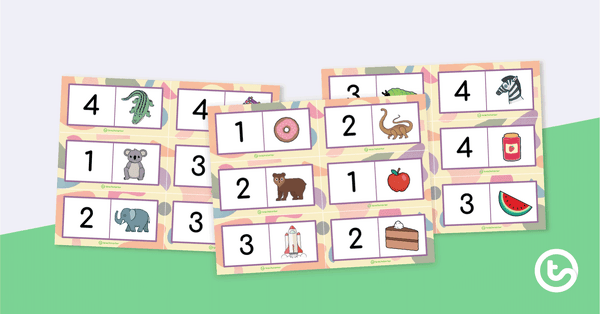
Syllables Dominoes
Segment and count syllables in words with a set of 28 image and number dominoes.