ELAR K.2
Developing and sustaining foundational language skills: listening, speaking, reading, writing, and thinking--beginning reading and writing. The student develops word structure knowledge through phonological awareness, print concepts, phonics, and morphology to communicate, decode, and spell. The student is expected to:
- (1) demonstrate phonological awareness by:
- (A) identifying and producing rhyming words;
- (i) recognizing spoken alliteration or groups of words that begin with the same spoken onset or initial sound;
- (ii) identifying the individual words in a spoken sentence;
- (iii) identifying syllables in spoken words;
- (iv) manipulating syllables within a multisyllabic word; and
- (v) blending syllables to form multisyllabic words;
- (vi) segmenting multisyllabic words into syllables;
- (vii) blending spoken onsets and rimes to form simple words;
- (viii) blending spoken phonemes to form one-syllable words;
- (ix) segmenting spoken one-syllable words into individual phonemes;
- (x) demonstrate and apply phonetic knowledge by:
- (B) identifying and matching the common sounds that letters
represent;
- (i) using letter-sound relationships to decode, including VC, CVC, CCVC, and CVCC words;
- (ii) recognizing that new words are created when letters are changed, added, or deleted such as it - pit - tip - tap; and
- (iii) identifying and reading at least 25 high-frequency words from a research-based list;
- (iv) demonstrate and apply spelling knowledge by:
- (C) spelling words with VC, CVC, and CCVC;
- (i) spelling words using sound-spelling patterns; and
- (ii) spelling high-frequency words from a research-based list;
- (iii) demonstrate print awareness by:
- (D) identifying the front cover, back cover, and title page
of a book;
- (i) holding a book right side up, turning pages correctly, and knowing that reading moves from top to bottom and left to right with return sweep;
- (ii) recognizing that sentences are comprised of words separated by spaces and recognizing word boundaries;
- (iii) recognizing the difference between a letter and a printed word; and
- (iv) identifying all uppercase and lowercase letters; and
- (v) develop handwriting by accurately forming all uppercase and lowercase letters using appropriate directionality.
- (A) identifying and producing rhyming words;
- Plus Plan
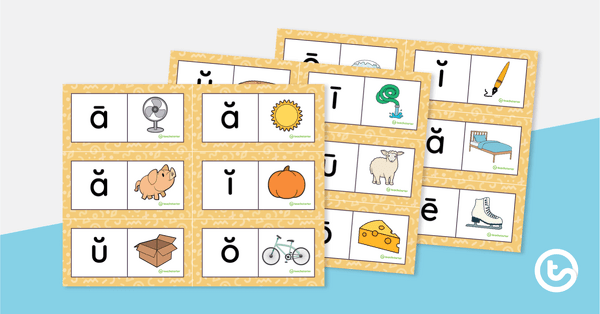
Long and Short Vowel Sounds Dominoes
Distinguish between long and short vowel sounds with this set of 28 dominoes.
- Plus Plan
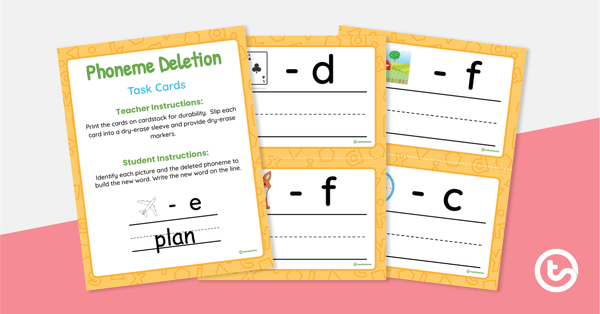
Phoneme Deletion Task Cards
Delete phonemes to form new words with this set of 16 task cards.
- Plus Plan
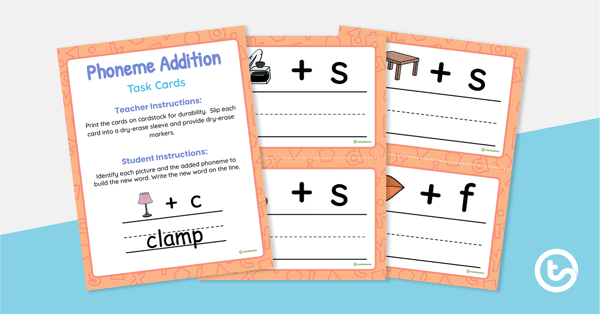
Phoneme Addition Task Cards
Explore phoneme addition with your students with this set of 16 task cards.
- Plus Plan
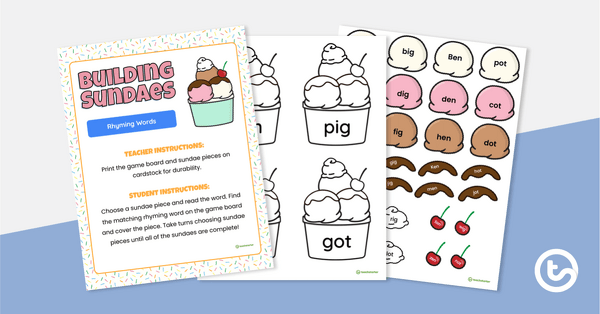
Building Sundaes - Rhyming Words
Practice rhyming with this dessert-themed game.
- Plus Plan
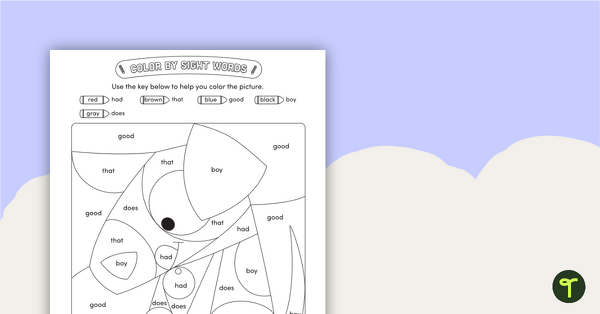
Color by Sight Words - 5 Words - Dog
A fun coloring activity to use when working with sight words.
- Plus Plan
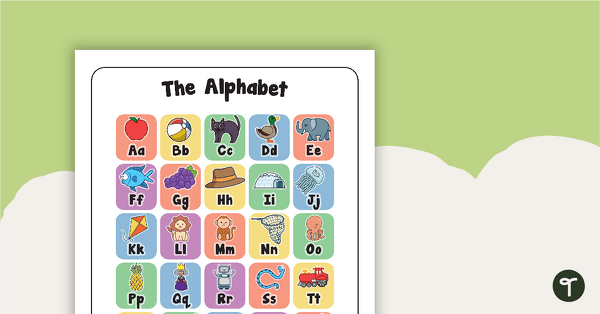
Alphabet Display Poster
A bright and colorful poster to display when introducing the letters of the alphabet.
- Plus Plan

Color by Sight Words - 4 Words - Cat
A fun coloring activity to use when working with sight words.
- Plus Plan
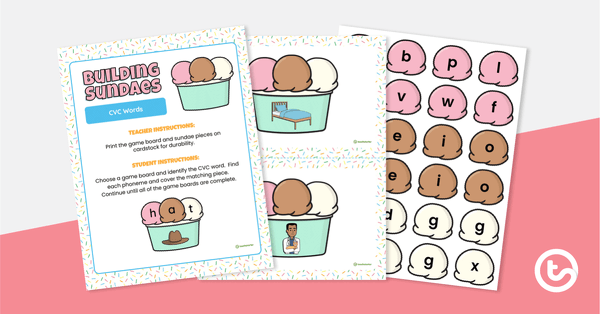
Building Sundaes Game - CVC Words
Segment CVC words with this set of 14 spelling cards.
- Plus Plan
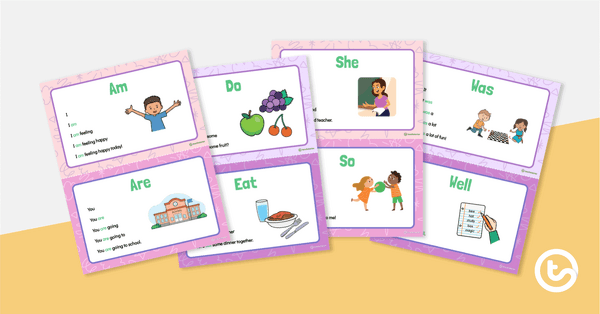
Pyramid Reading Cards - Dolch Primer Sight Words
Practice and review the Dolch Primer List of high-frequency words with 52 short phrase cards for emergent readers.
- Plus Plan

Curious Creature Create-a-Book-Cover Template
A template to help students create a curious creature book cover.
- Plus Plan
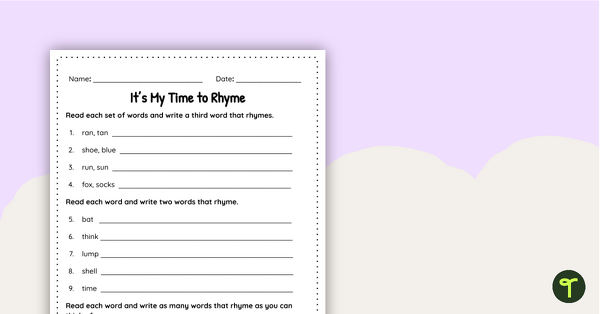
It's My Time to Rhyme Worksheet
Practice producing rhyming words with this 2-page multi-challenge worksheet.
- Plus Plan
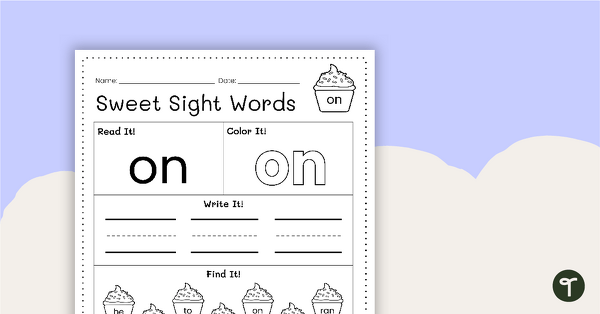
Sweet Sight Words Worksheet - ON
Practice reading, writing, and identifying the high-frequency word “on” from the Kindergarten-level Dolch sight words list.
- Plus Plan
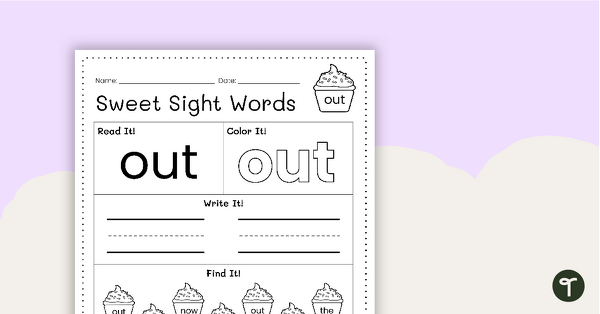
Sweet Sight Words Worksheet - OUT
Practice reading, writing, and identifying the high-frequency word “out” from the Kindergarten-level Dolch sight words list.
- Plus Plan
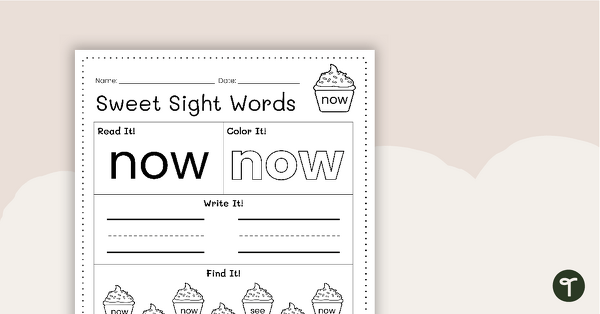
Sweet Sight Words Worksheet - NOW
Practice reading, writing, and identifying the high-frequency word “now” from the Kindergarten-level Dolch sight words list.
- Plus Plan
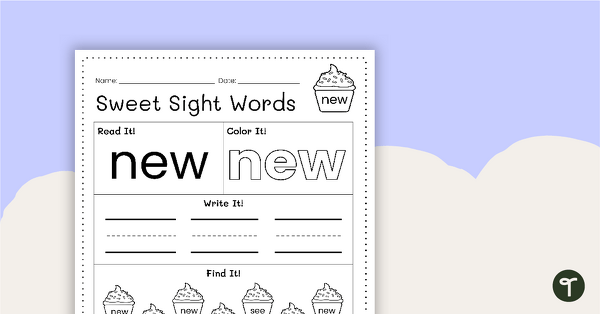
Sweet Sight Words Worksheet - NEW
Practice reading, writing, and identifying the high-frequency word “new” from the Kindergarten-level Dolch sight words list.
- Plus Plan
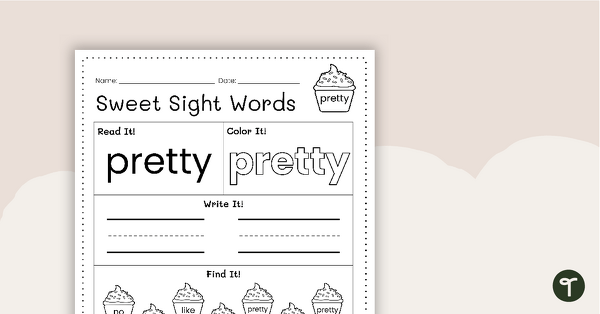
Sweet Sight Words Worksheet - PRETTY
Practice reading, writing, and identifying the high-frequency word “pretty” from the Kindergarten-level Dolch sight words list.
- Plus Plan
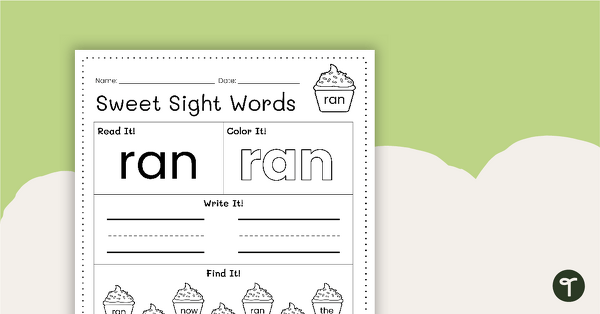
Sweet Sight Words Worksheet - RAN
Practice reading, writing, and identifying the high-frequency word “ran” from the Kindergarten-level Dolch sight words list.
- Plus Plan
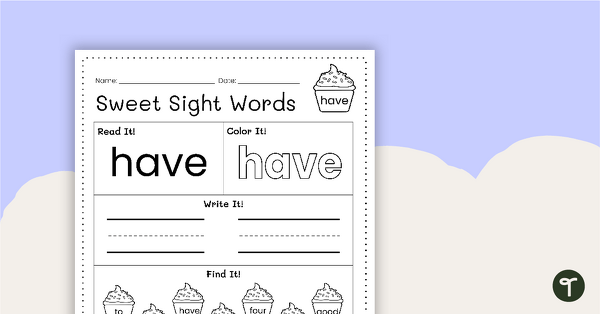
Sweet Sight Words Worksheet - HAVE
Practice reading, writing, and identifying the high-frequency word “have” from the Kindergarten-level Dolch sight words list.
- Plus Plan
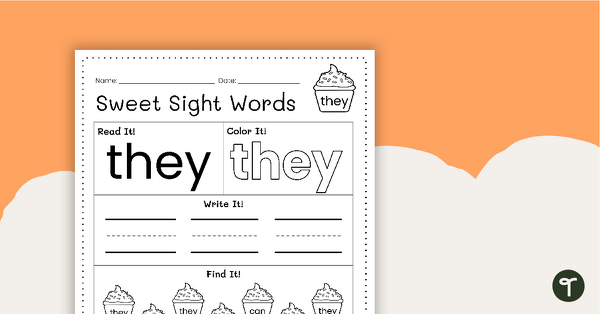
Sweet Sight Words Worksheet - THEY
Practice reading, writing, and identifying the high-frequency word “they” from the Kindergarten-level Dolch sight words list.
- Plus Plan
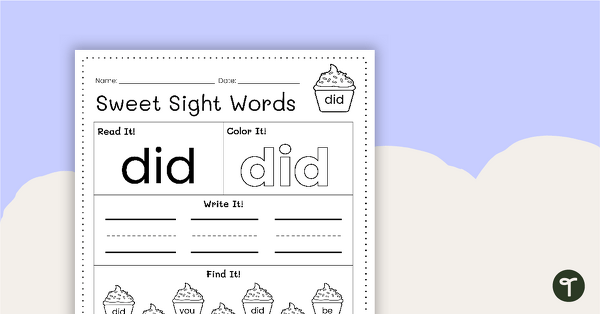
Sweet Sight Words Worksheet - DID
Practice reading, writing, and identifying the high-frequency word “did” from the Kindergarten-level Dolch sight words list.
- Plus Plan
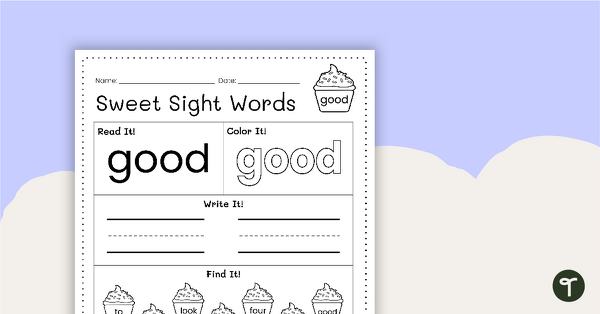
Sweet Sight Words Worksheet - GOOD
Practice reading, writing, and identifying the high-frequency word “good” from the Kindergarten-level Dolch sight words list.
- Plus Plan
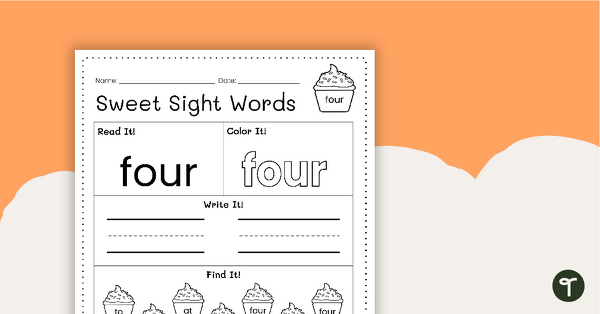
Sweet Sight Words Worksheet - FOUR
Practice reading, writing, and identifying the high-frequency word “four” from the Kindergarten-level Dolch sight words list.
- Plus Plan
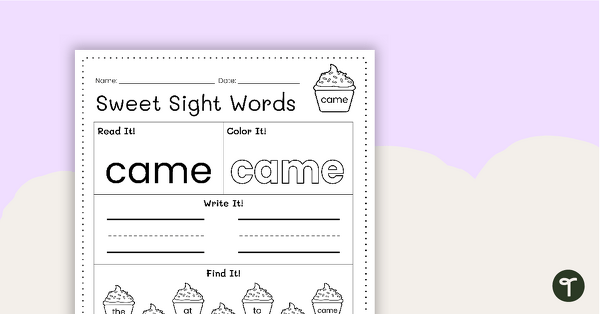
Sweet Sight Words Worksheet - CAME
Practice reading, writing, and identifying the high-frequency word “came” from the Kindergarten-level Dolch sight words list.
- Plus Plan
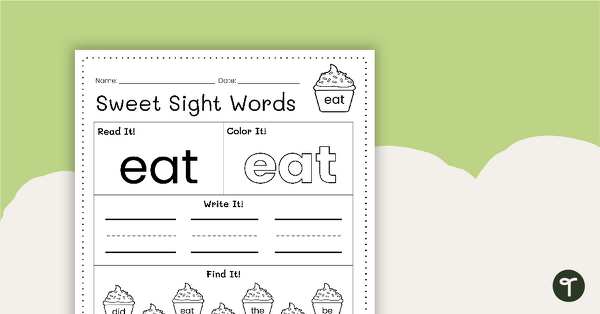
Sweet Sight Words Worksheet - EAT
Practice reading, writing, and identifying the high-frequency word “eat” from the Kindergarten-level Dolch sight words list.
- Plus Plan
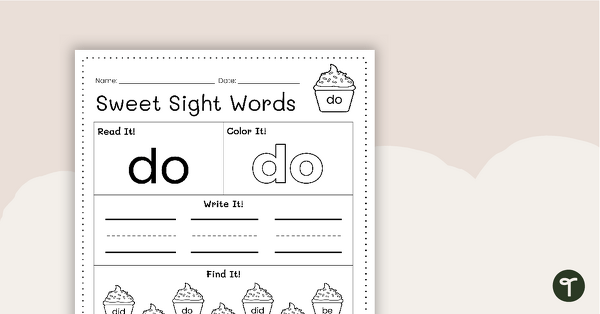
Sweet Sight Words Worksheet - DO
Practice reading, writing, and identifying the high-frequency word “do” from the Kindergarten-level Dolch sight words list.
- Plus Plan
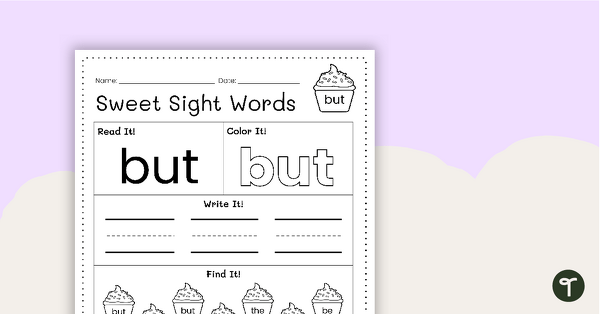
Sweet Sight Words Worksheet - BUT
Practice reading, writing, and identifying the high-frequency word “but” from the Kindergarten-level Dolch sight words list.
- Plus Plan
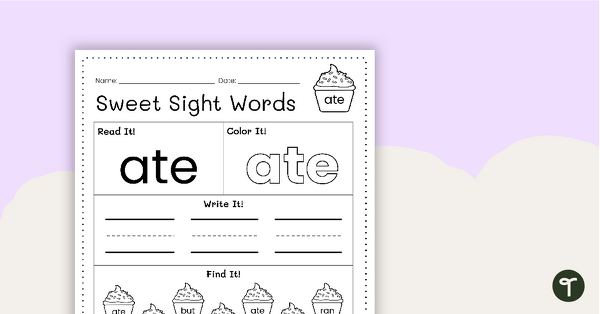
Sweet Sight Words Worksheet - ATE
Practice reading, writing, and identifying the high-frequency word “ate” from the Kindergarten-level Dolch sight words list.
- Plus Plan
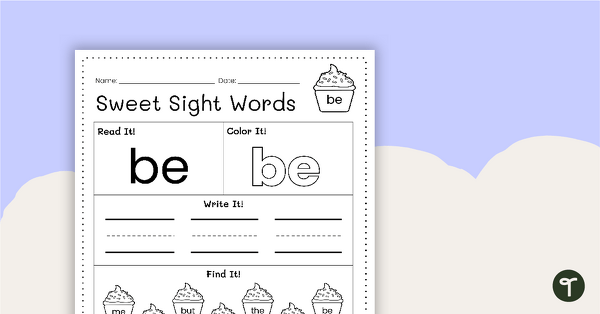
Sweet Sight Words Worksheet - BE
Practice reading, writing, and identifying the high-frequency word “be” from the Kindergarten-level Dolch sight words list.
- Plus Plan
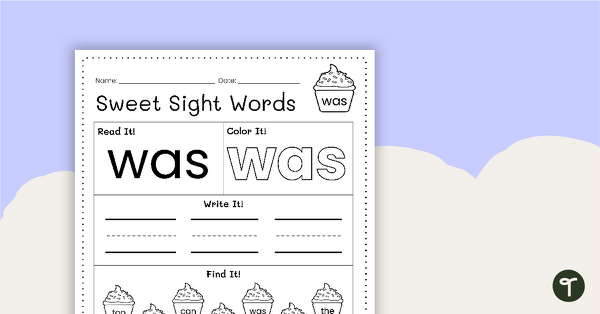
Sweet Sight Words Worksheet - WAS
Practice reading, writing, and identifying the high-frequency word “was” from the Kindergarten-level Dolch sight words list.
- Plus Plan
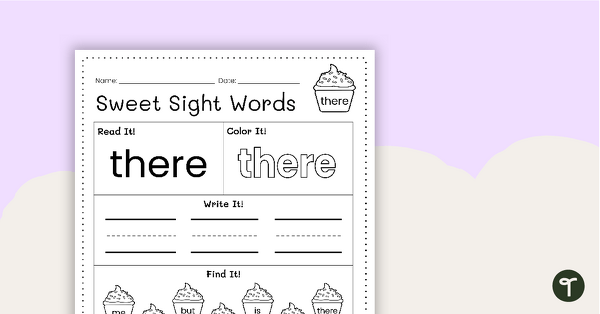
Sweet Sight Words Worksheet - THERE
Practice reading, writing, and identifying the high-frequency word “there” from the Kindergarten-level Dolch sight words list.
- Plus Plan
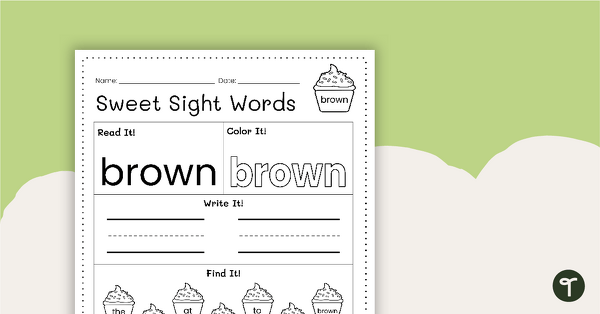
Sweet Sight Words Worksheet - BROWN
Practice reading, writing, and identifying the high-frequency word “brown” from the Kindergarten-level Dolch sight words list.
- Plus Plan
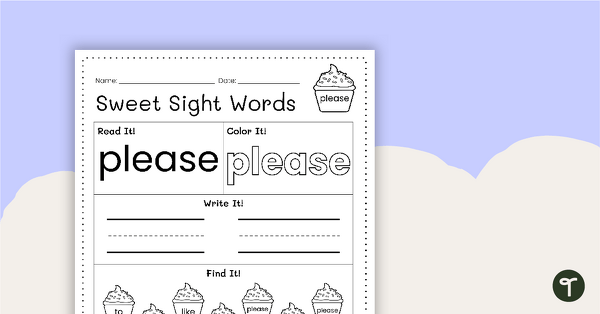
Sweet Sight Words Worksheet - PLEASE
Practice reading, writing, and identifying the high-frequency word “please” from the Kindergarten-level Dolch sight words list