VC2E1LE03
discuss plots, characters and settings through a range of literary texts
- recognising similar characters and settings in a range of literary texts, for example traditional tales, narrative poems and fables
- discussing whether features of settings, including time (year, season) and place (country or city), are realistic or imagined
- discussing how plots develop, including beginnings (orientation), how the problem (complication) is introduced and how it is solved (resolution)
- Plus Plan
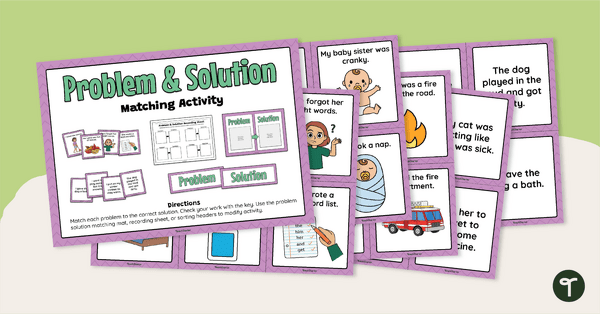
Story Problem and Solution Matching Activity
Match problems with their solutions to enhance your students' knowledge using this problem and solution matching activity.
- Plus Plan
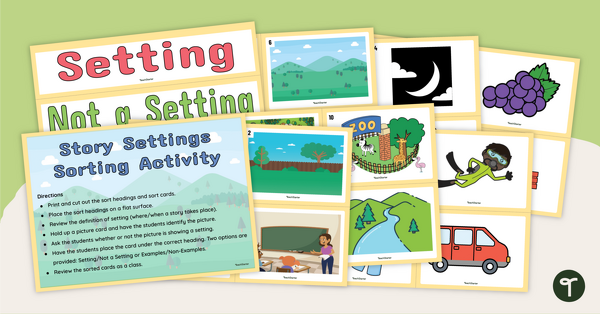
Story Setting or Not? - Sorting Activity
Explore the difference between story settings and non-settings with this hands-on sorting activity.
- Plus Plan
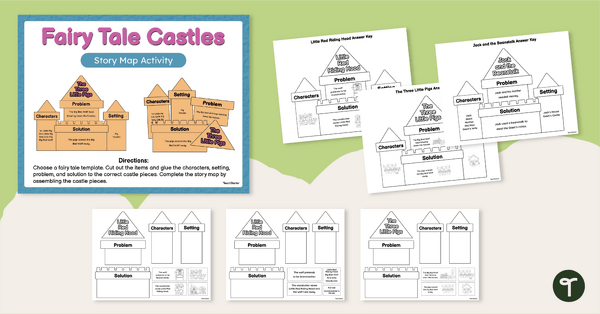
Narrative Elements Fairy Tale Sorting Activity
Explore narrative elements with this fairy tale sorting activity in the shape of a castle.
- Plus Plan
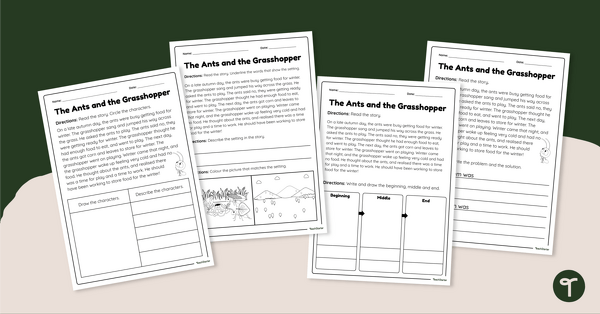
Story Elements Worksheets – The Ants and the Grasshopper
Practise identifying the story characters, settings and main events with this set of worksheets based on a traditional tale.
- Plus Plan
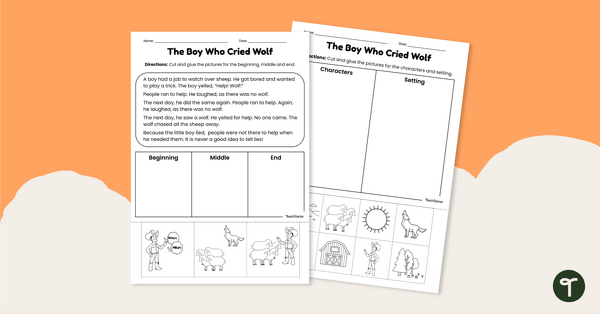
Story Elements Cut and Paste Worksheets – The Boy Who Cried Wolf
Explore story characters, settings and main events with this set of cut-and-paste worksheets based on a well-known fable.
- Plus Plan
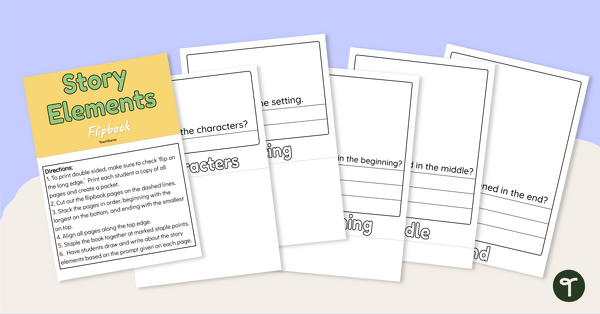
Narrative Elements Flipbook
Teach your students about narrative elements with this double-sided flipbook.
- Plus Plan
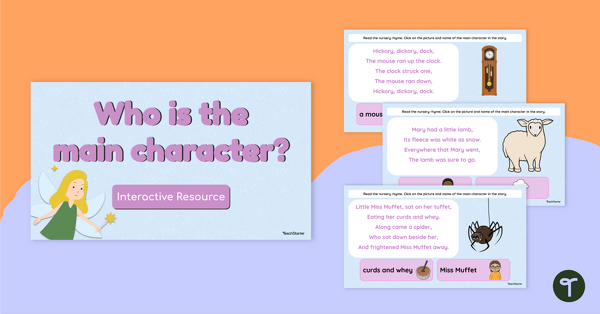
Who Is the Main Character? Interactive Game
Practise identifying the main characters in nursery rhymes with this interactive digital activity.
- Plus Plan
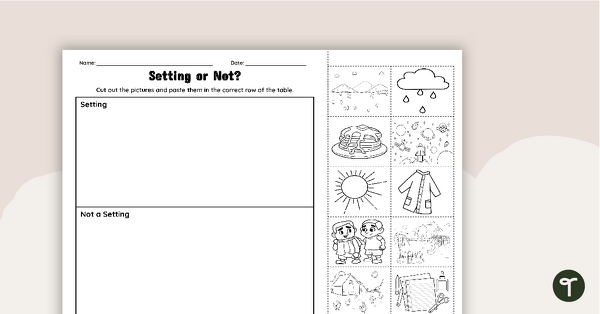
Story Setting or Not? Cut and Paste Worksheet
Explore the difference between story settings and non-settings with this cut-and-paste worksheet.
- Plus Plan
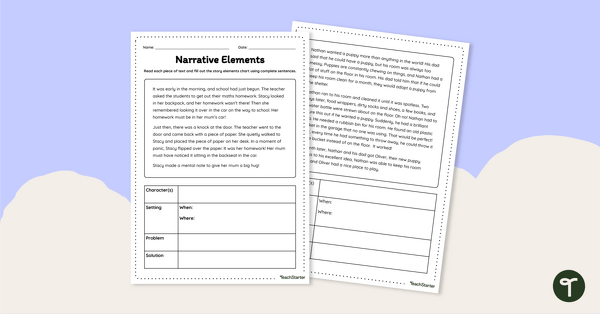
Narrative Elements - Worksheet
Practise identifying characters, settings, problems and solutions in fictional texts with this set of worksheets.
- Plus Plan
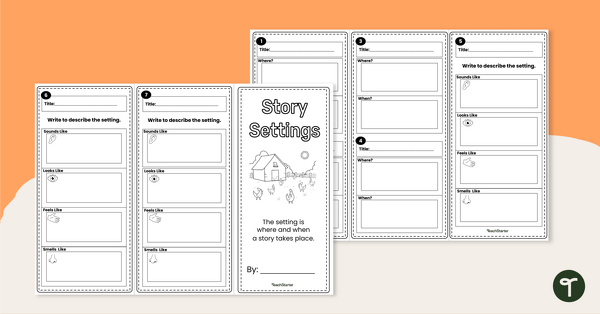
Story Settings - Brochure Template
Encourage your students to identify story settings in the books they read with this brochure template.
- Plus Plan
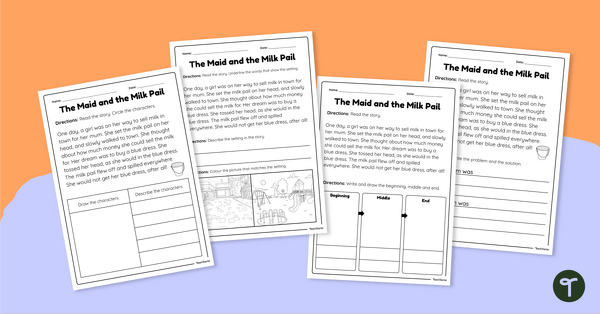
Story Elements Worksheets – The Maid and the Milk Pail
Practise identifying the story characters, settings and main events with this set of worksheets based on a traditional tale.
- Plus Plan
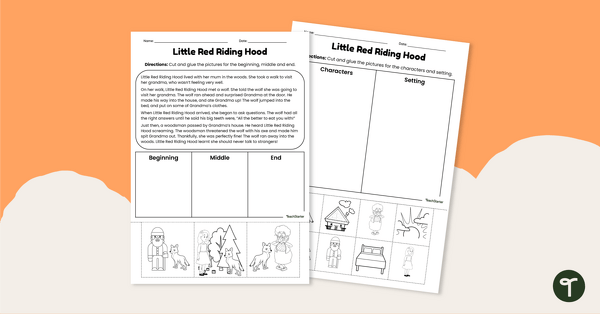
Story Elements Cut and Paste Worksheets – Little Red Riding Hood
Explore story characters, settings and main events with this set of cut-and-paste worksheets based on a well-known fairy tale.
- Plus Plan
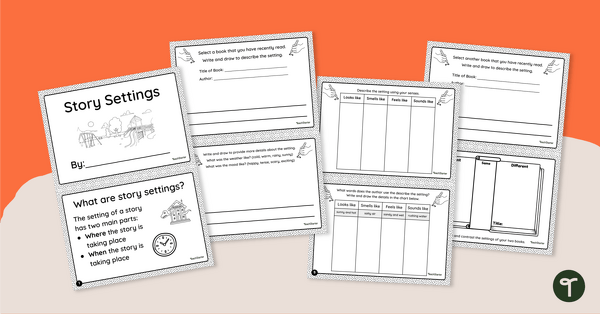
Story Settings Mini Book
Allow your little learners to explore and write about story settings with this fun-sized mini-book.
- Plus Plan
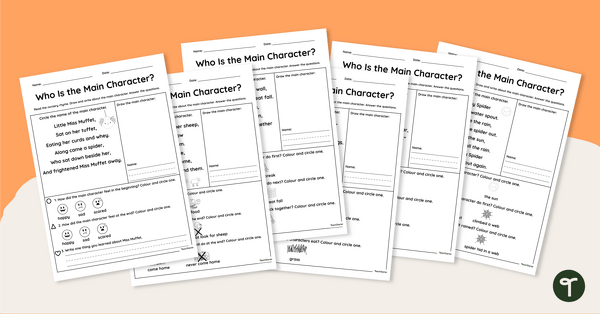
Who Is the Main Character? Worksheets
Practise identifying the main characters in nursery rhymes with this set of worksheets for young learners.
- Plus Plan
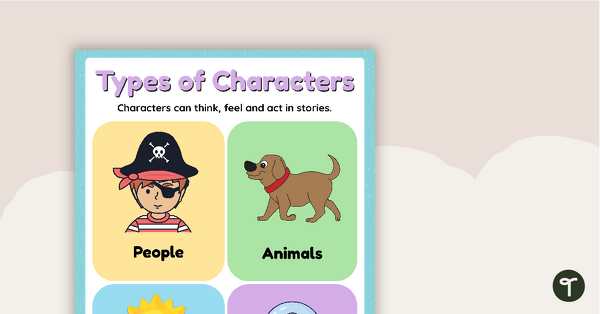
Types of Characters - Poster
Remind students about the types of characters that can be found in stories with this colourful classroom poster.
- Plus Plan
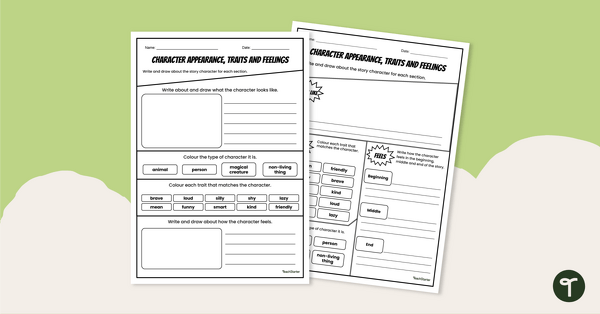
Character Appearance, Traits and Feelings - Worksheet
Explore and describe a character's personality, feelings and appearance with this differentiated worksheet to be used with any text.
- Plus Plan
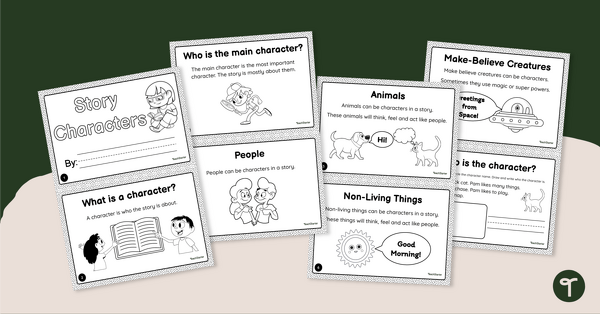
Story Characters - Mini Book
Teach your little learners about the various types of story characters with this fun-sized mini-book.
- Plus Plan
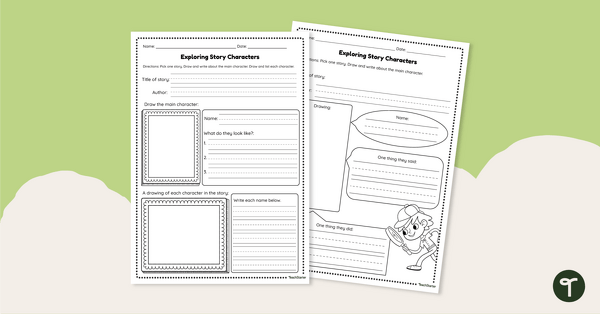
Exploring Story Characters - Worksheets
Explore the defining features of story characters with this differentiated worksheet.
- Plus Plan
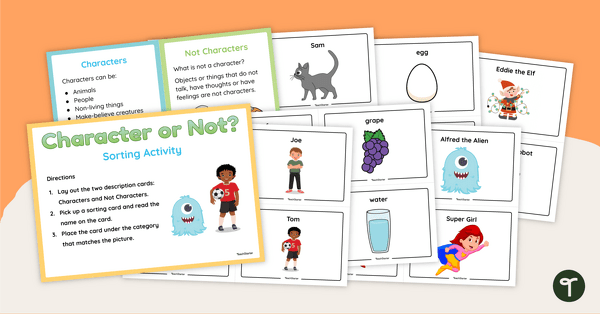
Character or Not? - Sorting Activity
Explore the difference between characters and non-characters with this hands-on sorting activity.
- Plus Plan
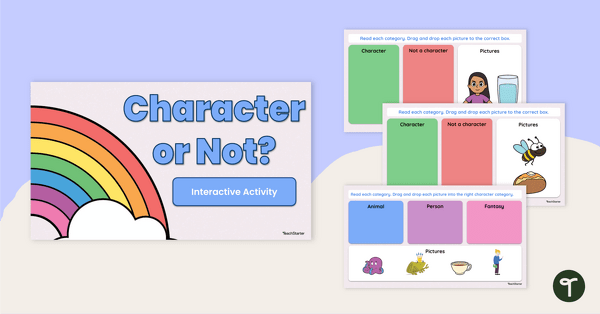
Character or Not? - Interactive Activity
Explore the difference between characters and non-characters with this digital learning activity.
- Plus Plan
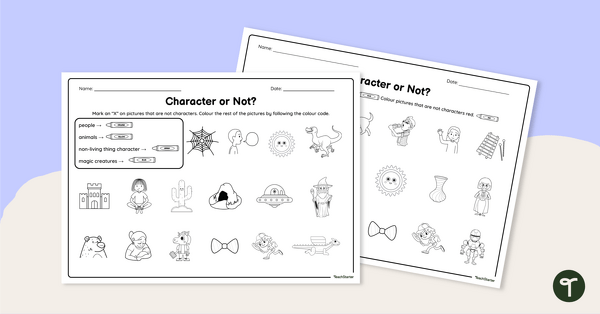
Character or Not? - Colouring Worksheet
Explore the difference between characters and non-characters with this colouring worksheet.
- Plus Plan
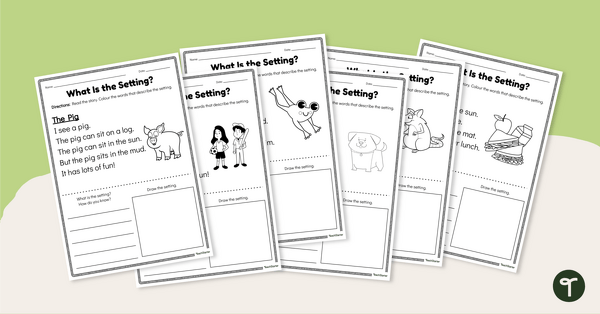
What Is the Setting? - Worksheets
Encourage your students to identify the setting in short and simple texts with this set of six worksheets.
- Plus Plan
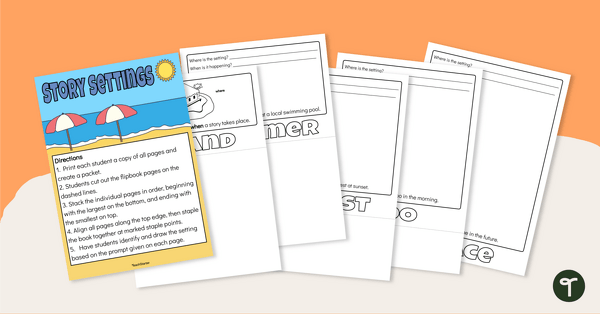
Story Settings - Flipbook
Teach your students about story settings with this hands-on flipbook.
- Plus Plan
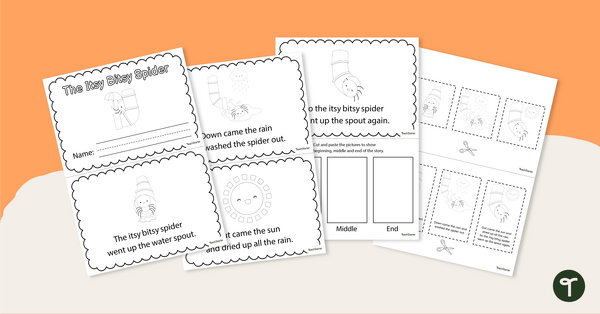
Beginning, Middle and End Mini-Book - Itsy Bitsy Spider
Teach your students about the beginning, middle and end of a story with mini-book retelling of The Itsy Bitsy Spider.
- Plus Plan
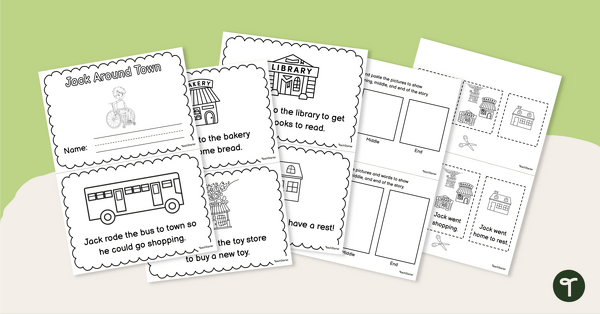
Beginning, Middle and End Mini-Book - Jack Around Town
Teach your students about the beginning, middle and end of a story with this narrative mini-book.
- Plus Plan
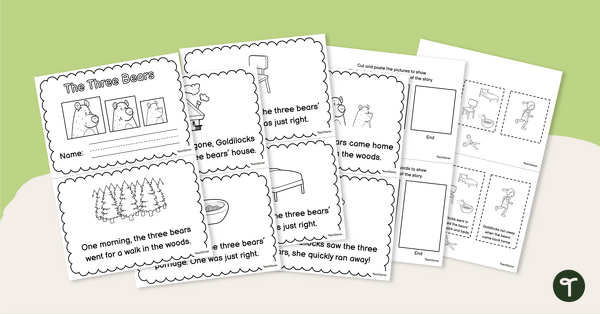
Beginning, Middle and End Mini-Book - The Three Bears
Teach your students about the beginning, middle and end of a story with this mini-book retell of The Three Bears.
- Plus Plan
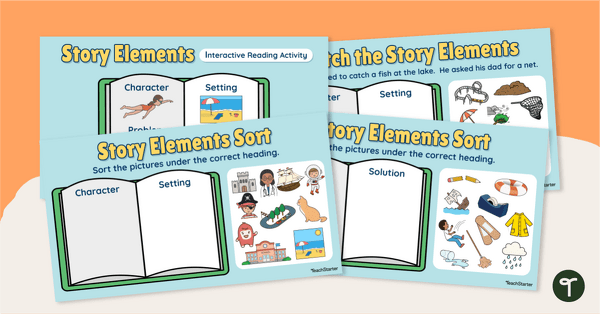
Story Elements Interactive Activity
Introduce your kindergarten and first-grade students to the elements of a story using this interactive digital activity.
- Plus Plan
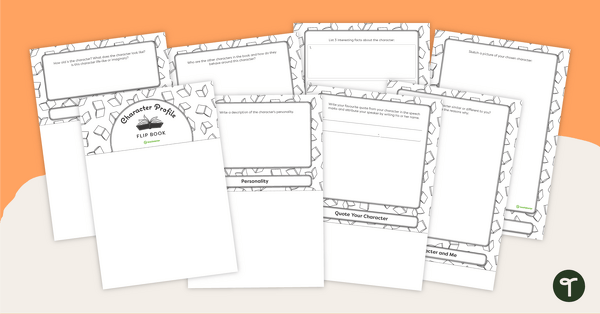
Character Profile Flip Book - Lower Primary
Explore story characters with this flipbook template for lower primary students.
- Plus Plan
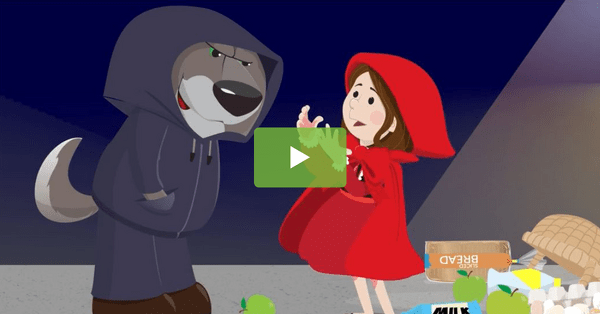
Little Red Riding Hood Story Video
Introduce a fresh version of the Little Red Riding Hood story to your students with this animated video perfect for younger students.
- Plus Plan
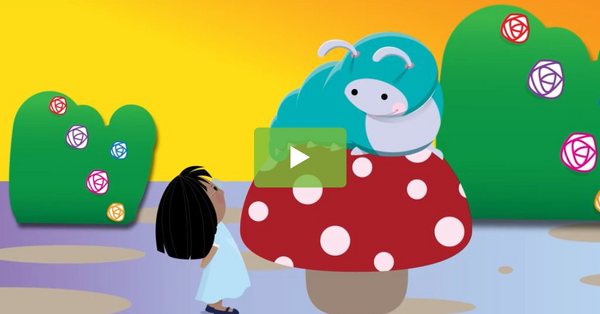
Alice in Wonderland Story Video
Introduce the story of Alice in Wonderland to your students with this animated fairy tale video perfect for younger students.
- Plus Plan
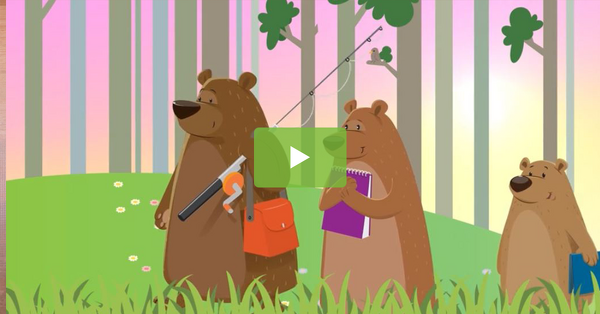
Goldilocks and the Three Bears Story Video
Explore the story of Goldilocks and the Three Bears with your students using this animated fairy tale video perfect for younger learners.
- Plus Plan
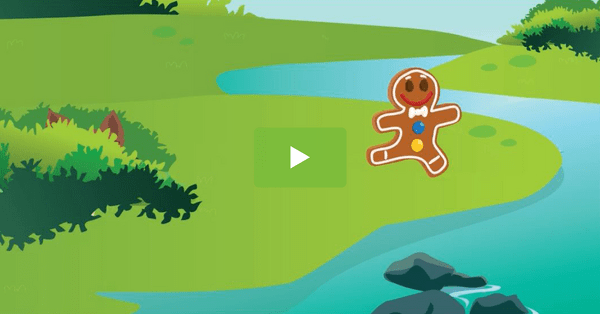
The Gingerbread Man Story Video
Introduce the story of The Gingerbread Man to your students with this animated fairy tale video perfect for younger students.