Literature
- Plus Plan
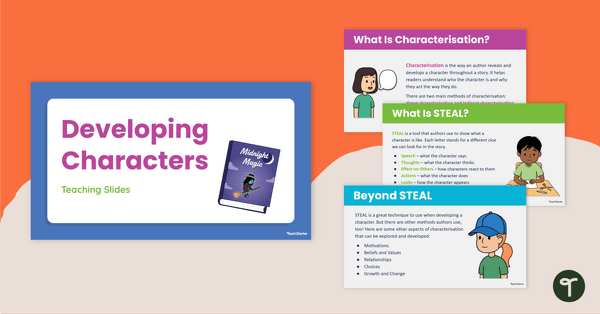
Develop a Character Teaching Slides
Teach your students how to develop a character using the STEAL technique and other characterisation methods with this comprehensive teaching presentation.
- Plus Plan
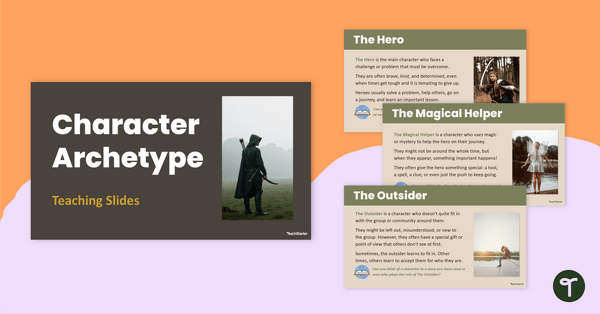
Character Archetype Teaching Slides
Download this character archetype slide deck to help your students identify and analyse common character types in literature.
- Plus Plan
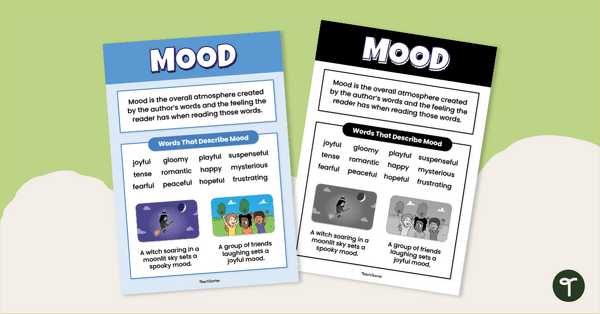
Mood Anchor Chart- Literary Element Poster
Introduce your students to mood, the atmosphere-creating literary element, with a printable Mood Anchor Chart.
- Plus Plan
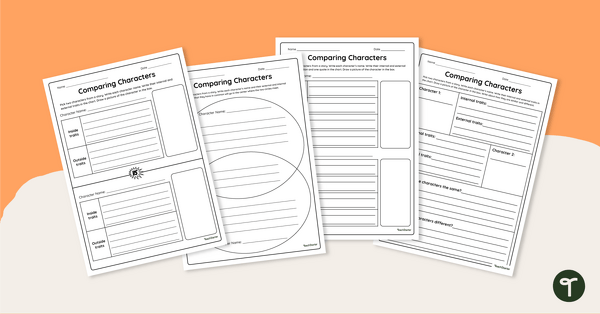
Comparing Characters - Graphic Organisers
Encourage your students to compare story characters with this set of differentiated graphic organisers that can be used with any text.
- Plus Plan
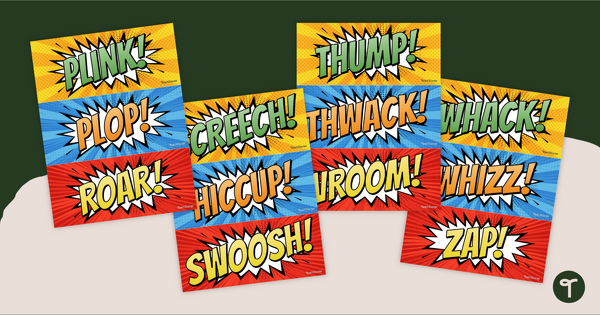
Onomatopoeia Examples - Word Wall Display
Display a fun onomatopoeia word wall in your classroom with printable cards containing 45 onomatopoeia examples.
- Plus Plan
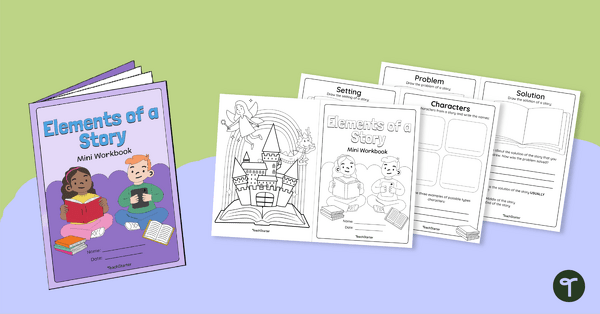
Elements of a Story Activity Workbook
Explore the different elements of a narrative story with this student mini workbook.
- Plus Plan
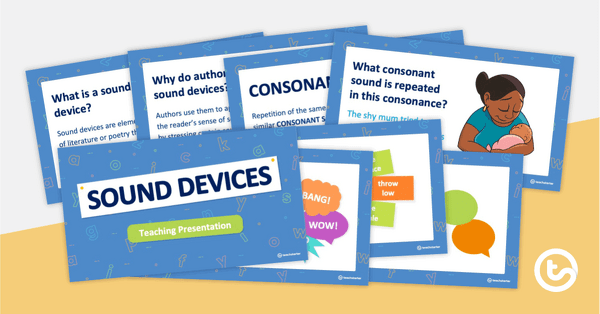
What Are Sound Devices? PowerPoint
Teach sound devices in literature with this engaging PowerPoint presentation that helps students identify and understand common sound techniques used by authors and poets.
- Plus Plan
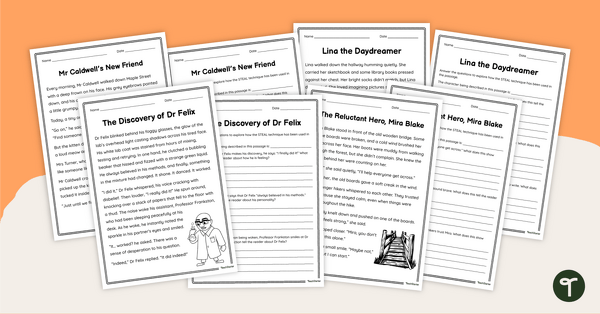
Character Description – Text Analysis Worksheets
Teach character description with this set of four worksheets that help students explore how authors use the STEAL technique to bring characters to life.
- Plus Plan
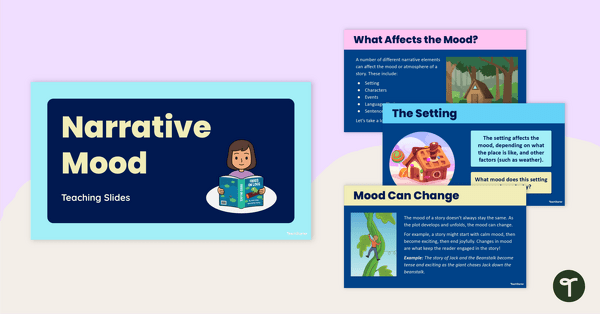
Narrative Mood Teaching Slides
Explore narrative mood with this interactive presentation that helps students understand what mood is, why it matters and how to create it in their own writing.
- Plus Plan
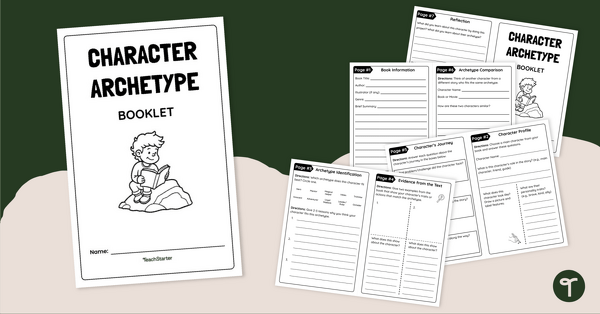
Archetype Characters Booklet
Explore archetype characters with this engaging 8-page mini book that helps students analyse a character from a book they have recently read.
- Plus Plan
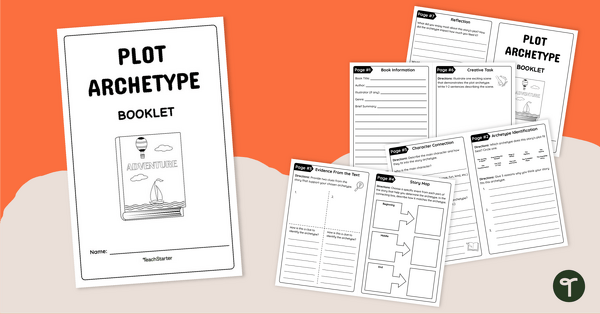
Plot Archetypes Booklet
Explore plot archetypes with this engaging 8-page mini book that helps students analyse familiar story structures.
- Plus Plan
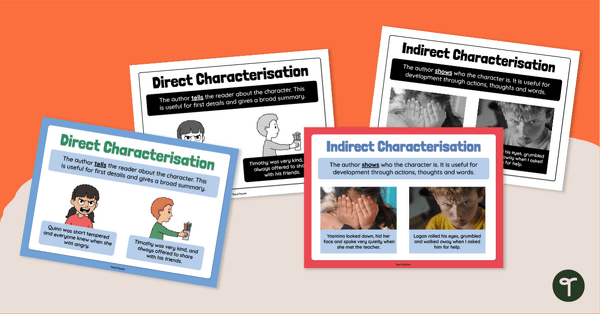
Direct and Indirect Characterisation Anchor Chart
Reference a direct and indirect characterisation anchor chart to teach your students the difference between types of characterisation.
- Plus Plan
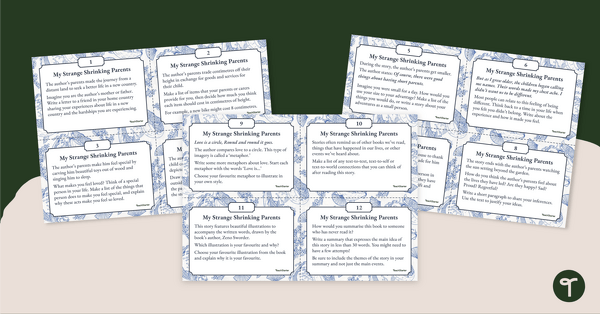
My Strange Shrinking Parents – Literature Task Cards
Deep dive into the characters and themes of Zeno Sworder’s highly acclaimed book, My Strange Shrinking Parents, with this set of 12 literature task cards.
- Plus Plan
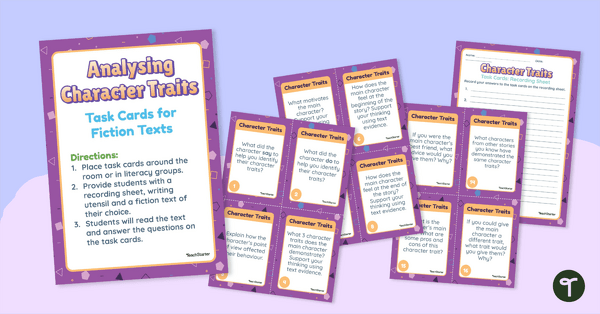
Character Analysis Task Cards
Get your students to perform a character analysis for any fictional character using this set of 20 task cards.
- Plus Plan
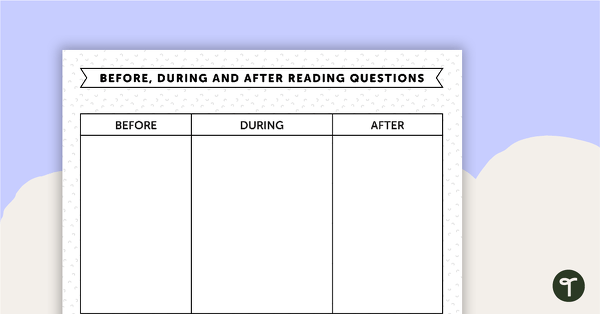
Before, During and After Reading Worksheet
A worksheet to use when asking questions before, during and after reading.
- Plus Plan
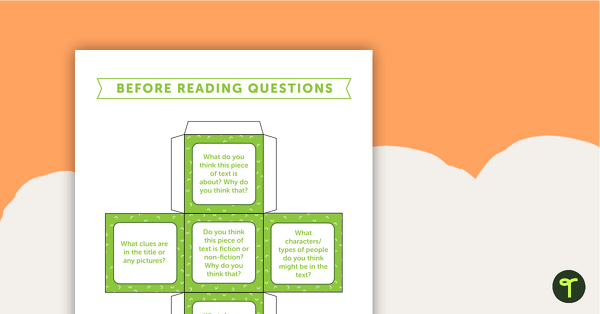
Before, During and After Reading Non-Fiction Questions - Dice
5 different versions of dice to use when asking questions before, during and after reading.
- Plus Plan
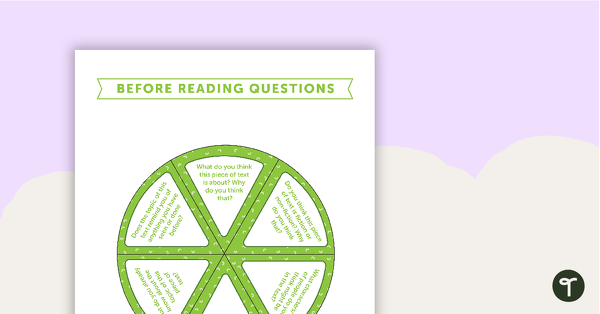
Before, During and After Reading Non-Fiction Questions - Wheel
5 different versions of wheels to use when asking questions before, during and after reading.
- Plus Plan
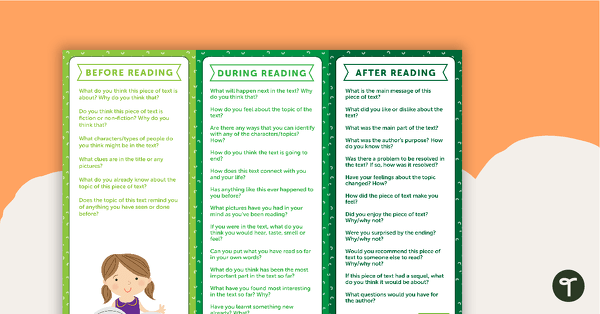
Before, During and After Reading Non-Fiction - Question Prompts
Question prompts and a worksheet to use when asking questions before, during and after reading.
- Plus Plan
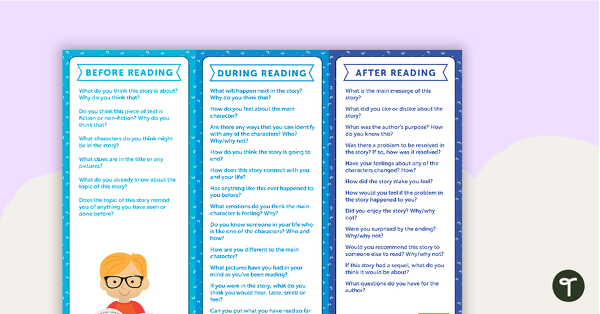
Before, During and After Reading Fiction - Question Prompts
Question prompts and a worksheet to use when asking questions before, during and after reading.
- Plus Plan
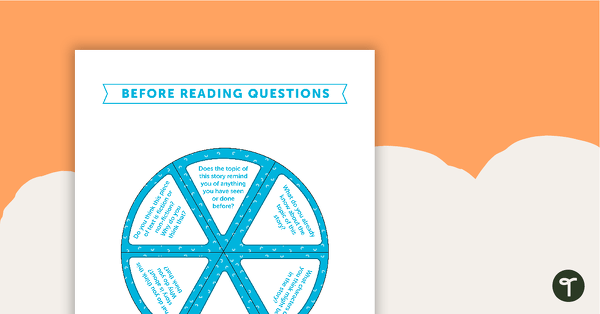
Before, During and After Reading Fiction Questions - Wheel
5 different versions of wheels to use when asking questions before, during and after reading.
- Plus Plan
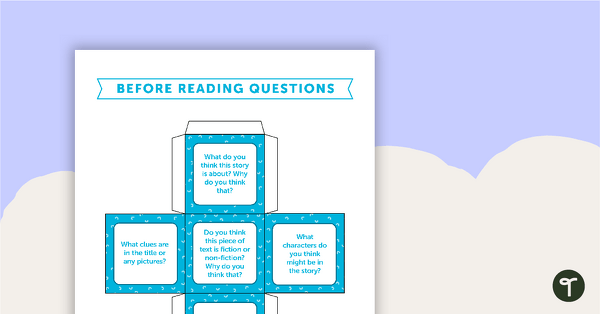
Before, During and After Reading Fiction Questions - Dice
5 different versions of dice to use when asking questions before, during and after reading.
- Plus Plan
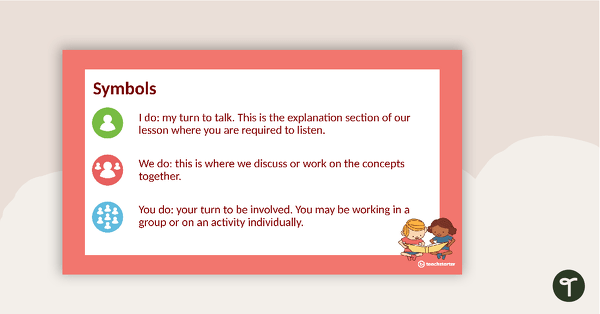
Activating Prior Knowledge Teaching Slides
Teach the reading comprehension skill of activating prior knowledge with this ready-to-use, age-appropriate teaching presentation for Year 3 and 4 students.
- Plus Plan
Exploring Poetry - Year 3 and Year 4 Unit Plan
This English unit addresses common poetic devices such as sound play, word play and imagery and explores how these may be applied to narrative poetry.
- Plus Plan
Developing Narrative Writing Skills Unit Plan - Year 3 and Year 4
This English unit addresses the narrative text type, specifically how to plan and write an engaging story.
- Plus Plan
Exploring Poetic Devices
A 60 minute lesson in which students will explore the common literary devices found in poetry.
- Plus Plan
Sound Play in Poetry - Alliteration
A 60 minute lesson in which students will identify and explore alliteration in poetry.
- Plus Plan
Sound Play in Poetry - Onomatopoeia
A 60 minute lesson in which students will identify and explore onomatopoeia in poetry.
- Plus Plan
Narrative Features - Creating a Setting
A 60 minute lesson in which students will use descriptive language effectively to create a narrative setting.
- Plus Plan
Storytelling Through Poetry
A 60 minute lesson in which students will explore storytelling through poetry.
- Plus Plan
Narrative Features - Developing a Plot
A 60 minute lesson in which students will develop a plot for a narrative which includes a setting, characters and a problem to be solved.
- Plus Plan
Creating a Narrative Writing Station
A 60 minute lesson in which students will discuss writing goals and explore a classroom writing station.
- Plus Plan
Planning and Writing a Narrative Poem
A 60 minute lesson in which students will plan and write a narrative poem which includes a setting, characters and a storyline.