A comprehension activity using poetry.
Use this comprehension activity when teaching students how to interpret poetry. This task includes a poem about a secret, questions and suggested answers.
Updated: 07 Jun 2018
A comprehension activity using poetry.
Non-Editable: PDF
Pages: 4 Pages
Years: 4 - 6
Use comprehension strategies, such as visualising, predicting, connecting, summarising, monitoring and questioning, to expand topic knowledge and ideas, and begin to evaluate texts to build literal and inferred meanings
Read different types of increasingly complex texts, integrating phonic, semantic and grammatical knowledge to read accurately and fluently for meaning, re-reading and self-correcting when needed
Use comprehension strategies, such as visualising, predicting, connecting, summarising, monitoring and questioning, and connect and compare ideas from a variety of sources to build literal and inferred meanings
Builds knowledge and use of Tier 1, Tier 2 and Tier 3 vocabulary through interacting, wide reading and writing, and by defining and analysing words
Fluently reads and comprehends texts for wide purposes, analysing text structures and language, and by monitoring comprehension
Plans, creates and revises written texts for multiple purposes and audiences through selection of text features, sentence-level grammar, punctuation and word-level language
Analyses representations of ideas in literature through genre and theme that reflect perspective and context, argument and authority, and adapts these representations when creating texts
Use comprehension strategies to build literal and inferred meaning to expand content knowledge, integrating and linking ideas and analysing and evaluating textsElaborationsmaking connections between the text and studentsâ own experience and oth...
Navigate and read texts for specific purposes applying appropriate text processing strategies, for example predicting and confirming, monitoring meaning, skimming and scanningElaborationsbringing subject and technical vocabulary and concept knowledge...
Use comprehension strategies to interpret and analyse information and ideas, comparing content from a variety of textual sources including media and digital textsElaborationsmaking connections between the text and studentsâ own experience or oth...
Use comprehension strategies such as visualising, predicting, connecting, summarising, monitoring and questioning to build literal and inferred meaning, to expand topic knowledge and ideas, and evaluate texts
Navigate and read texts for specific purposes, monitoring meaning using strategies such as skimming, scanning and confirming
Use comprehension strategies such as visualising, predicting, connecting, summarising, monitoring and questioning to build literal and inferred meaning, and to connect and compare content from a variety of sources
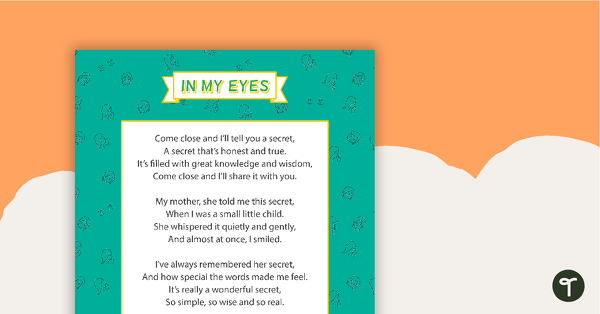
A comprehension activity using poetry.
Use this comprehension activity when teaching students how to interpret poetry. This task includes a poem about a secret, questions and suggested answers.
Use comprehension strategies, such as visualising, predicting, connecting, summarising, monitoring and questioning, to expand topic knowledge and ideas, and begin to evaluate texts to build literal and inferred meanings
Read different types of increasingly complex texts, integrating phonic, semantic and grammatical knowledge to read accurately and fluently for meaning, re-reading and self-correcting when needed
Use comprehension strategies, such as visualising, predicting, connecting, summarising, monitoring and questioning, and connect and compare ideas from a variety of sources to build literal and inferred meanings
Builds knowledge and use of Tier 1, Tier 2 and Tier 3 vocabulary through interacting, wide reading and writing, and by defining and analysing words
Fluently reads and comprehends texts for wide purposes, analysing text structures and language, and by monitoring comprehension
Plans, creates and revises written texts for multiple purposes and audiences through selection of text features, sentence-level grammar, punctuation and word-level language
Analyses representations of ideas in literature through genre and theme that reflect perspective and context, argument and authority, and adapts these representations when creating texts
Use comprehension strategies to build literal and inferred meaning to expand content knowledge, integrating and linking ideas and analysing and evaluating textsElaborationsmaking connections between the text and studentsâ own experience and oth...
Navigate and read texts for specific purposes applying appropriate text processing strategies, for example predicting and confirming, monitoring meaning, skimming and scanningElaborationsbringing subject and technical vocabulary and concept knowledge...
Use comprehension strategies to interpret and analyse information and ideas, comparing content from a variety of textual sources including media and digital textsElaborationsmaking connections between the text and studentsâ own experience or oth...
Use comprehension strategies such as visualising, predicting, connecting, summarising, monitoring and questioning to build literal and inferred meaning, to expand topic knowledge and ideas, and evaluate texts
Navigate and read texts for specific purposes, monitoring meaning using strategies such as skimming, scanning and confirming
Use comprehension strategies such as visualising, predicting, connecting, summarising, monitoring and questioning to build literal and inferred meaning, and to connect and compare content from a variety of sources

We create premium quality, downloadable teaching resources for primary/elementary school teachers that make classrooms buzz!
Would you like something changed or customised on this resource? While our team makes every effort to complete change suggestions, we can't guarantee that every change will be completed.
Did you spot an error on this resource? Please let us know and we will fix it shortly.
Are you having trouble downloading or viewing this resource? Please try the following steps:
If you are still having difficulty, please visit the Teach Starter Help Desk or contact us .
Use this set of Year 1 editing passages to help your students demonstrate their spelling, punctuation and grammar knowledge.
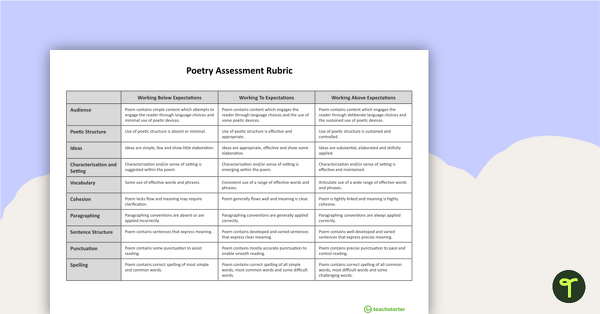
A NAPLAN-style rubric designed to help teachers to assess student's poetry.
Use this set of Year 4 editing passages to help your students demonstrate their spelling, punctuation and grammar knowledge.
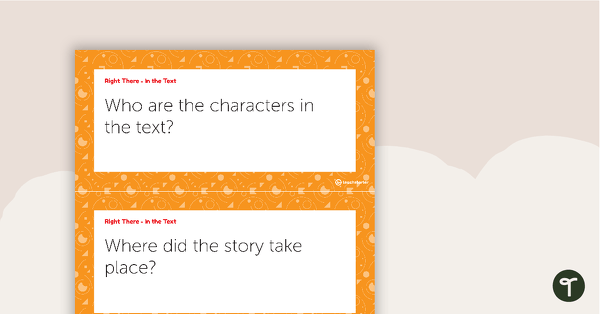
A set of 28 generic QAR question cards for students to use as a comprehension task after reading.
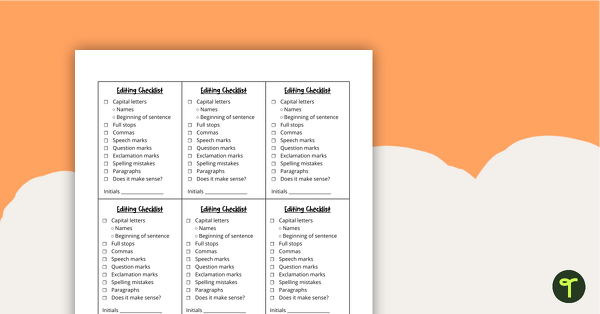
Get your students using this editing checklist so that no mistake gets left behind!
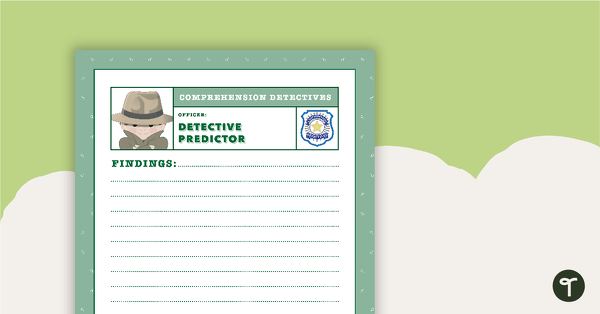
8 reading detective worksheets to use during guided reading sessions in the classroom.
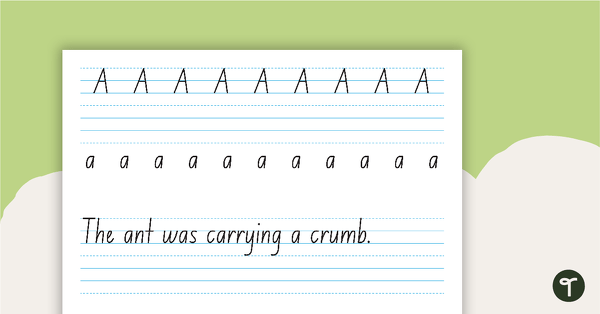
A set of 26 A to Z handwriting sheets with upper and lower case letters and examples.
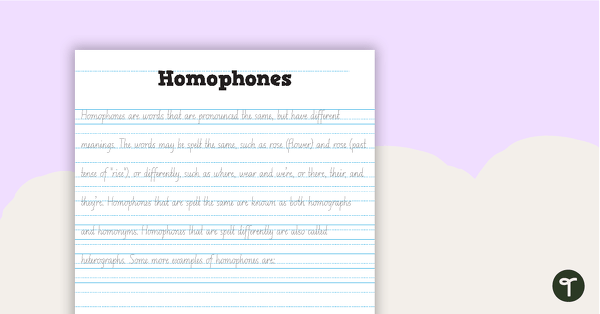
Fifteen handwriting sheets for upper primary.
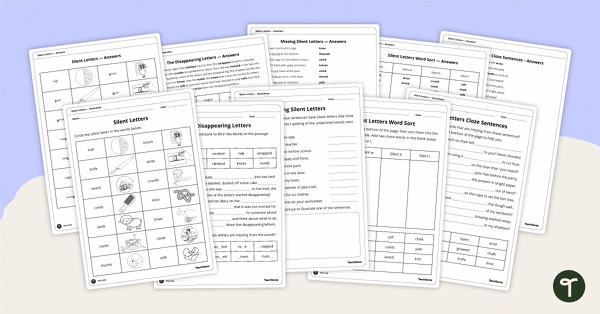
A set of five worksheets to consolidate students' understanding of silent letters.
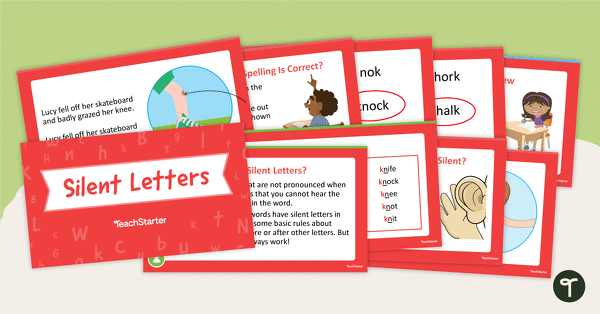
A 24-slide editable PowerPoint template explaining the concept of silent letters.
0 Comments
Write a review to help other teachers and parents like yourself. If you'd like to request a change to this resource, or report an error, select the corresponding tab above.