ELAR 1.2
Developing and sustaining foundational language skills: listening, speaking, reading, writing, and thinking--beginning reading and writing. The student develops word structure knowledge through phonological awareness, print concepts, phonics, and morphology to communicate, decode, and spell. The student is expected to:
- (1) demonstrate phonological awareness by:
- (A) producing a series of rhyming words;
- (i) recognizing spoken alliteration or groups of words that begin with the same spoken onset or initial sound;
- (ii) distinguishing between long and short vowel sounds in one-syllable words;
- (iii) recognizing the change in spoken word when a specified phoneme is added, changed, or removed;
- (iv) blending spoken phonemes to form one-syllable words, including initial and/or final consonant blends;
- (v) manipulating phonemes within base words; and
- (vi) segmenting spoken one-syllable words of three to five phonemes into individual phonemes, including words with initial and/or final consonant blends;
- (vii) demonstrate and apply phonetic knowledge by:
- (B) decoding words in isolation and in context by applying
common letter sound correspondences;
- (i) decoding words with initial and final consonant blends, digraphs, and trigraphs;
- (ii) decoding words with closed syllables; open syllables; VCe syllables; vowel teams, including vowel digraphs and diphthongs; and r-controlled syllables;
- (iii) using knowledge of base words to decode common compound words and contractions;
- (iv) decoding words with inflectional endings, including -ed, -s, and -es; and
- (v) identifying and reading at least 100 high-frequency words from a research-based list;
- (vi) demonstrate and apply spelling knowledge by:
- (C) spelling words with closed syllables, open syllables,
VCe syllables, vowel teams, and r-controlled syllables;
- (i) spelling words with initial and final consonant blends, digraphs, and trigraphs;
- (ii) spelling words using sound-spelling patterns; and
- (iii) spelling high-frequency words from a research-based list;
- (iv) demonstrate print awareness by identifying the information that different parts of a book provide;
- (D) alphabetize a series of words to the first or second letter and use a dictionary to find words; and
- (E) develop handwriting by printing words, sentences, and answers legibly leaving appropriate spaces between words.
- (A) producing a series of rhyming words;
- Plus Plan
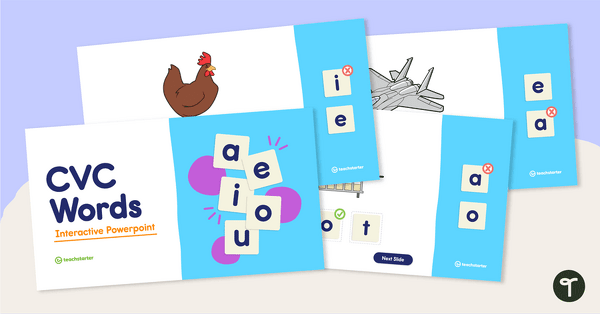
Segmenting and Blending CVC Words Interactive PowerPoint
Practice reading CVC words with your students with our interactive PowerPoint.
- Free Plan
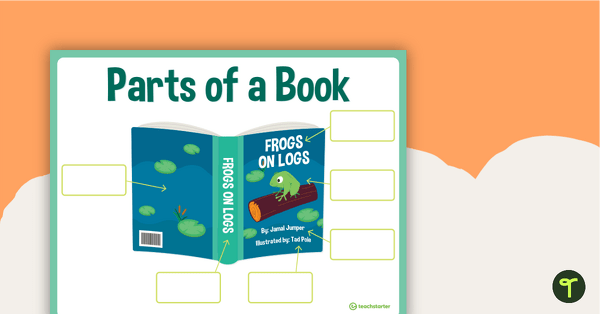
Parts of a Book Worksheets
Use these parts of a book worksheets for students to identify the various parts of a book.
- Plus Plan
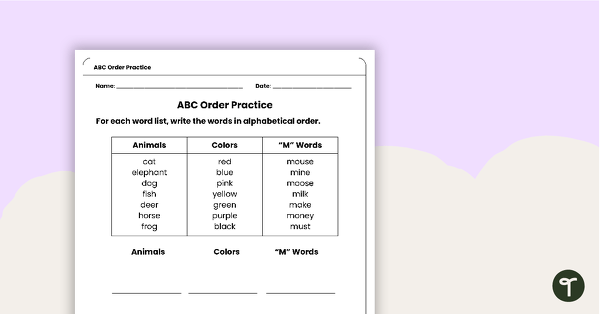
ABC Order Practice Worksheet
A worksheet to practice putting a list of words in alphabetical order.
- Plus Plan
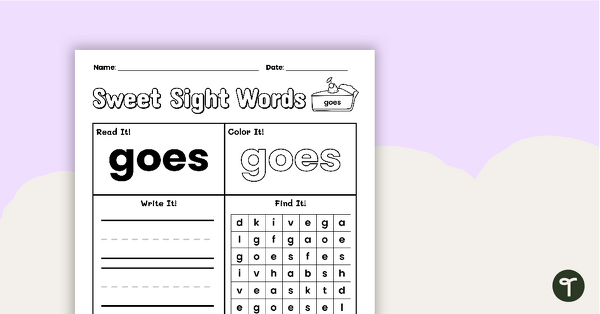
Sweet Sight Words Worksheet - GOES
Practice reading, writing, and identifying the high-frequency word “goes” from the Second Grade Dolch sight words list.
- Plus Plan
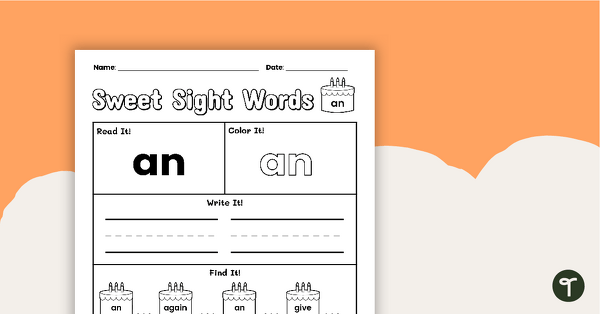
Sweet Sight Words Worksheet - AN
Practice reading, writing, and identifying the high-frequency word “an” from the First Grade Dolch sight words list.
- Plus Plan
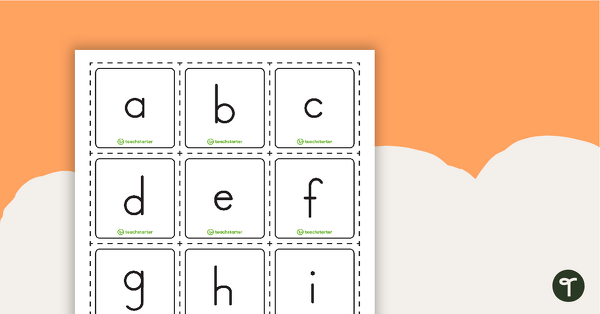
Alphabet and Digit Mini Flashcards
A set of alphabet (uppercase and lowercase) and digit (0-9) flashcards.
- Free Plan
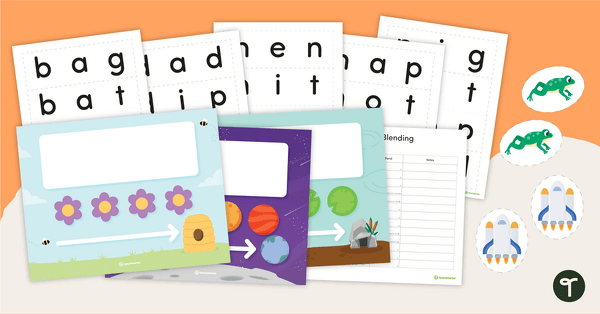
Segmenting and Blending Mats
A set of beautifully designed templates for students to practice blending and segmenting words.
- Plus Plan
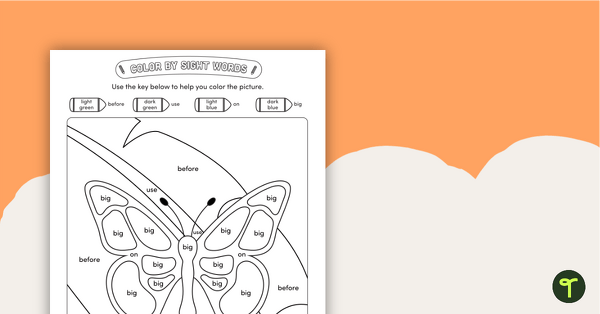
Color by Sight Words - 4 Words - Butterfly
A fun coloring activity to use when working with sight words.
- Plus Plan
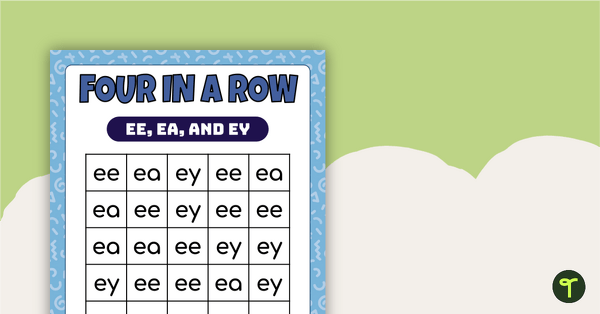
Four In A Row Vowel Teams Game — EE, EA, and EY
Decode words with EE, EA, and EY vowel teams representing the long 'e' vowel sound.
- Plus Plan
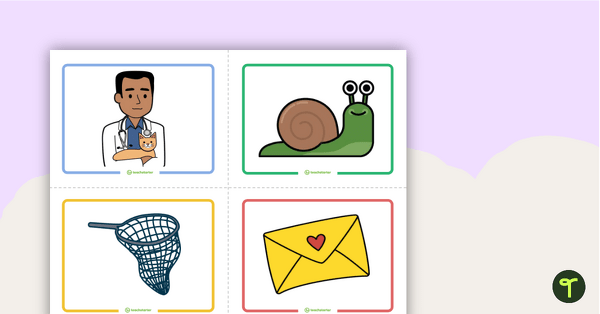
Rhyming Words Flashcards
Practice producing rhyming words with this set of 36 picture flashcards.
- Plus Plan
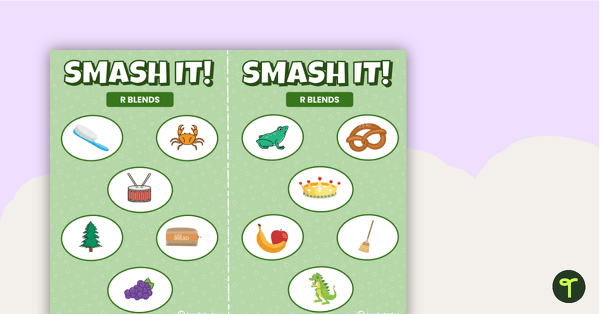
SMASH IT! R Blends Game
Practice segmenting and spelling R consonant blend words with this game board and blend card set for 10 players.
- Plus Plan
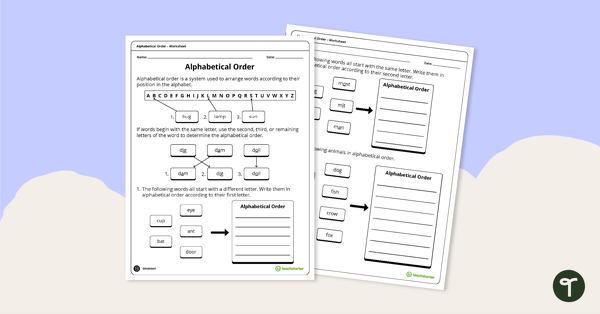
Alphabetical Order – Worksheet
Review putting words in alphabetical order with this 2-page worksheet.
- Plus Plan
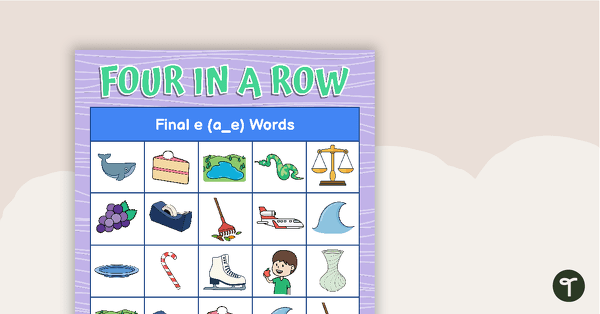
Four in a Row Game - a_e Words
Practice decoding long 'a' silent final ‘e’ words with this set of 18 word cards and picture game board.
- Plus Plan
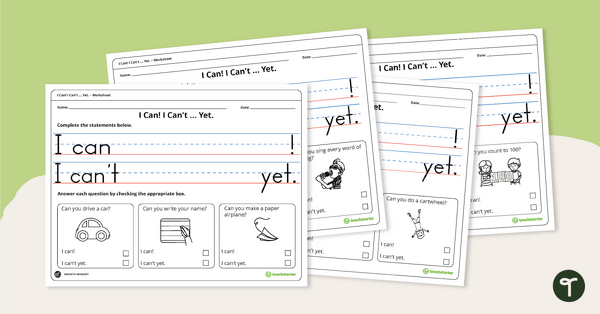
Growth Mindset Worksheets (Grades K-1)
Print these growth mindset worksheets for kindergarten and first grade to learn about I Can and I Can't while practicing handwriting.
- Plus Plan
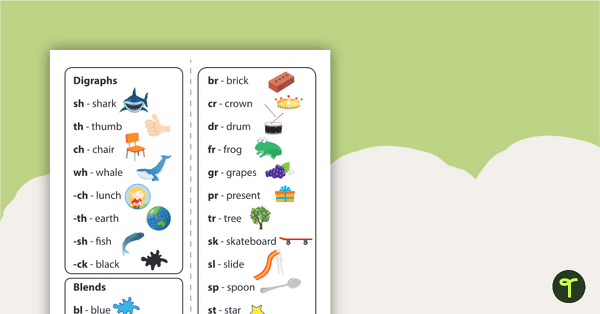
Common Blends and Digraphs Bookmarks
These bookmarks are designed to help students remember some of the most common blends and digraphs while reading.
- Plus Plan
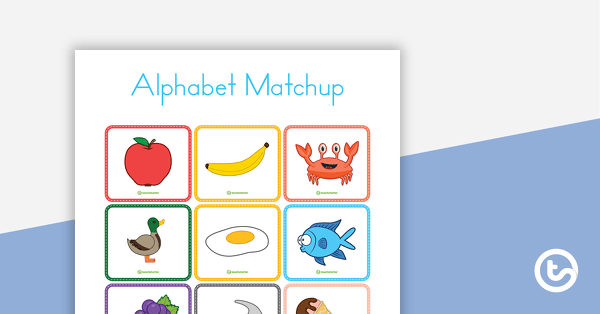
Alphabet Matching Activity
A great matching activity for students to practice their letters and initial sounds.
- Plus Plan
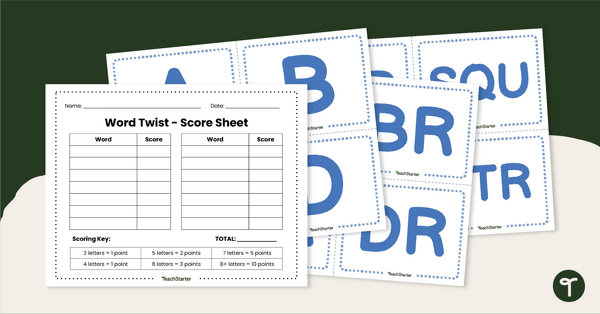
Word Twist - Word Building Game
Encourage word building in your classroom with this fun Boggle-style game!
- Plus Plan
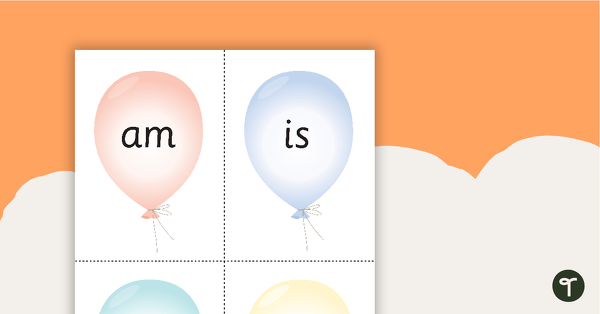
Two-Letter Word Balloon Cards
6 pages of two-letter words on balloon backgrounds.
- Plus Plan
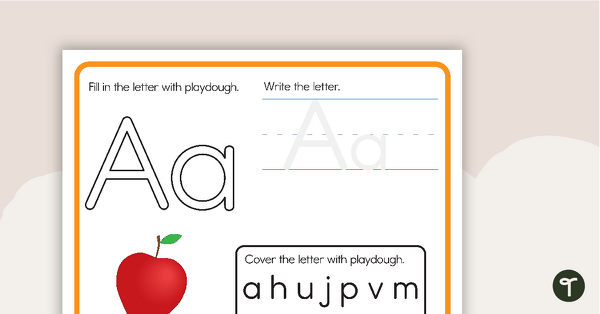
Alphabet Playdough Mats
A set of work mats for students to write and form the letters of the alphabet using playdough.
- Plus Plan
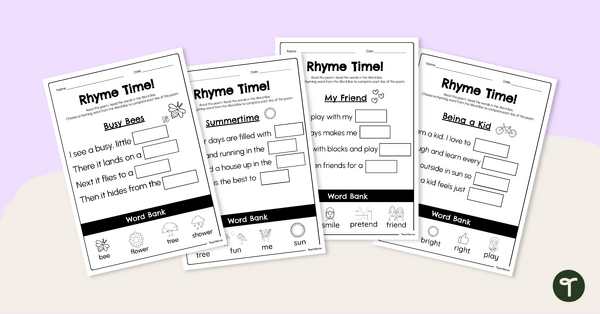
Poetry Rhyming Worksheets
Support young readers as they learn to recognise, generate and apply rhyming words with this fun Rhyme Time worksheet set.
- Plus Plan
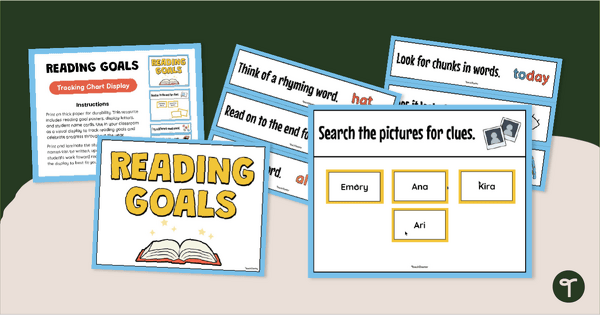
Reading Goals Tracking Display
Encourage students to track and celebrate achievement with a Reading Goals Bulletin Board.
- Plus Plan
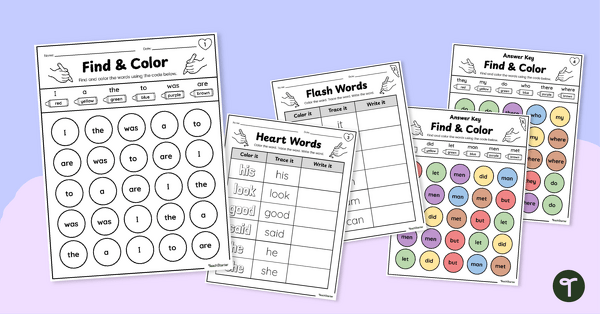
High Frequency Words Worksheet Pack - 1st Grade
Support your 1st Grade students as they consolidate their understanding of high‑frequency words with this engaging and purposeful high frequency words worksheet pack.
- Plus Plan
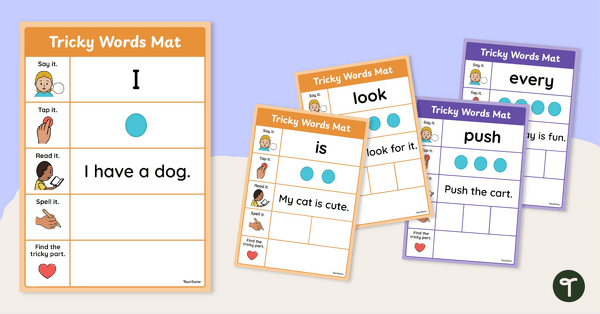
Tricky Words Activity Mats
Use these printable tricky word mats as a hands-on activity when introducing high frequency words that have an irregular spelling pattern or one your early readers haven’t learnt yet.
- Plus Plan
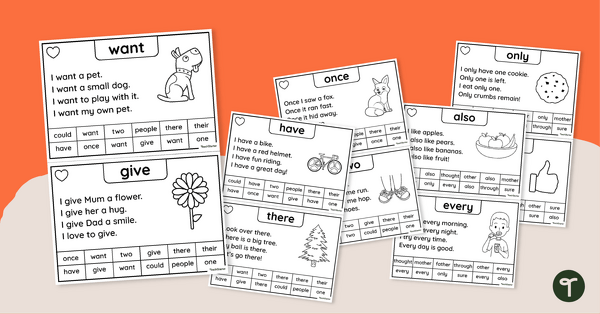
First Grade High Frequency Words Reading Mats
Use these High Frequency words reading mats to help students identify and read high frequency words.
- Plus Plan
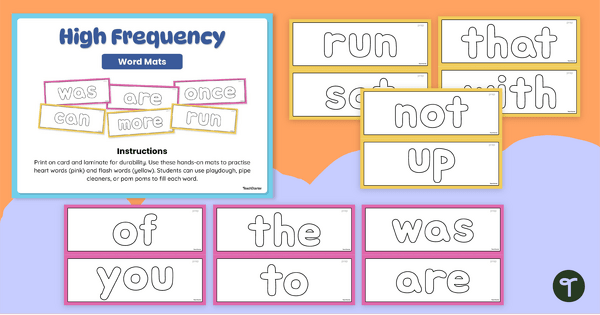
High Frequency Word Mats
Use these high frequency word mats for your Kinder and 1st Grade students to experience a hands-on way of learning high frequency words.
- Plus Plan
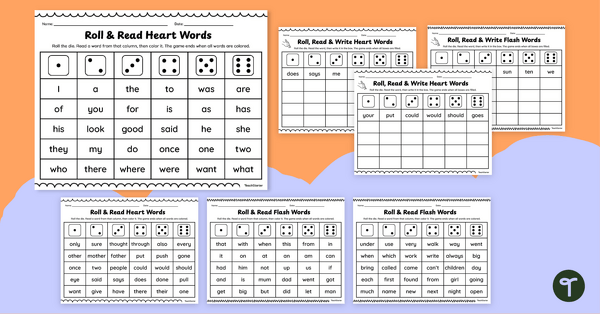
Roll, Read and Write – High Frequency Word Game Pack
Practice reading high frequency words with this set of Roll to Read and Roll to Write High Frequency Word Game boards.
- Plus Plan
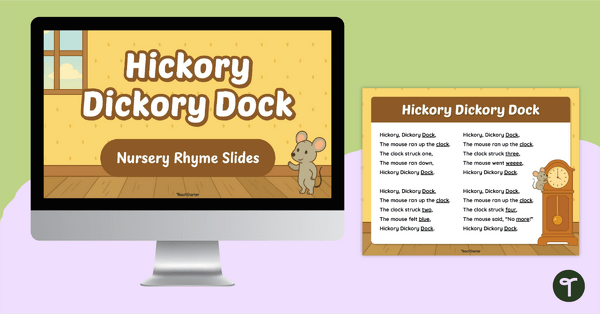
Hickory Dickory Dock – Nursery Rhyme Poster and PowerPoint
Use this “Hickory Dickory Dock” nursery rhyme poster and PowerPoint to teach your youngest students about rhyme, rhythm and counting.
- Plus Plan
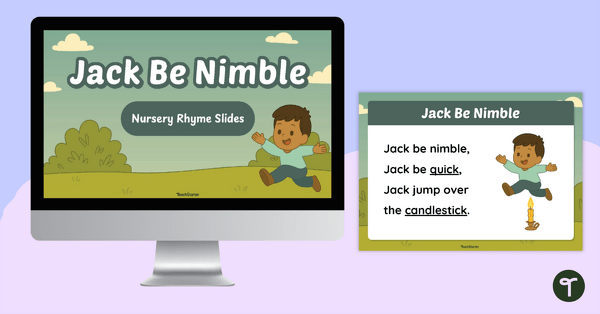
Jack Be Nimble – Nursery Rhyme Poster and PowerPoint
Use this “Jack be Nimble” nursery rhyme poster and PowerPoint to teach your youngest students about rhyme and rhythm.
- Plus Plan
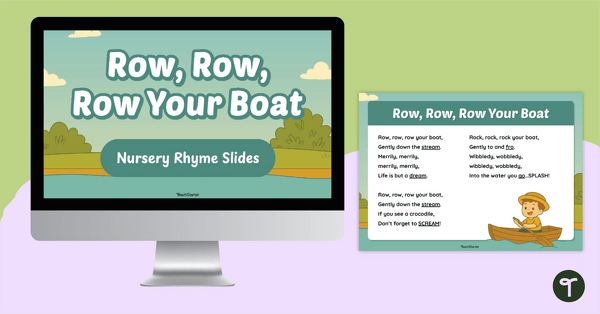
Row, Row, Row Your Boat – Nursery Rhyme Poster and PowerPoint
Use this “Row Row Row Your Boat” nursery rhyme poster and PowerPoint to teach your youngest students about rhyme and rhythm.
- Plus Plan
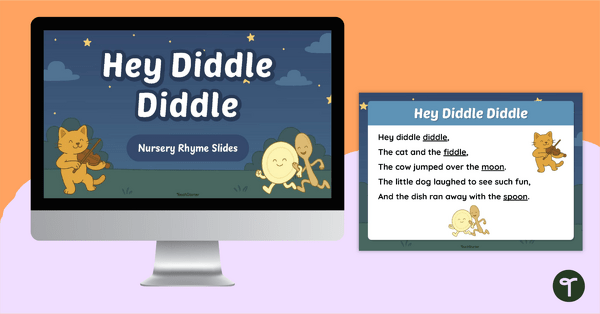
Hey Diddle Diddle – Nursery Rhyme Poster and PowerPoint
Use this “Hey Diddle Diddle” nursery rhyme poster and PowerPoint to teach your youngest students about rhyme and rhythm.
- Plus Plan
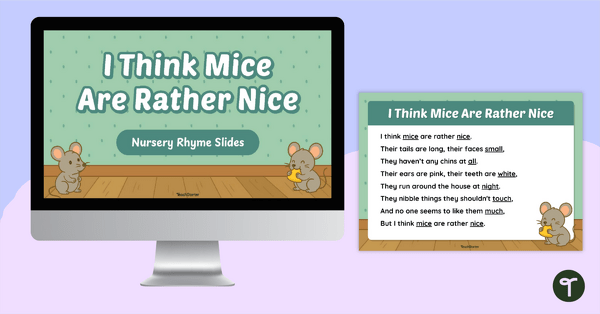
I Think Mice Are Rather Nice – Nursery Rhyme Poster and PowerPoint
Use this “I Think Mice Are Rather Nice” nursery rhyme poster and PowerPoint to teach your youngest students about rhyme and rhythm.
- Plus Plan
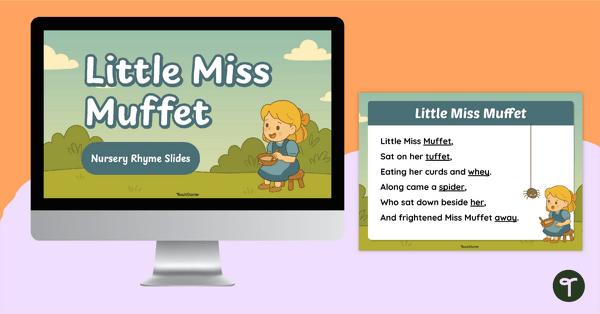
Little Miss Muffet – Nursery Rhyme Poster and PowerPoint
Use this “Little Miss Muffet” nursery rhyme poster to teach your youngest students the features of rhymes.