ELAR 6.9
Author's purpose and craft: listening, speaking, reading, writing, and thinking using multiple texts. The student uses critical inquiry to analyze the authors' choices and how they influence and communicate meaning within a variety of texts. The student analyzes and applies author's craft purposefully in order to develop his or her own products and performances. The student is expected to:
(A) explain the author's purpose and message within a text;
(B) analyze how the use of text structure contributes to the author's purpose;
(C) analyze the author's use of print and graphic features to achieve specific purposes;
(D) describe how the author's use of figurative language such as metaphor and personification achieves specific purposes;
(E) identify the use of literary devices, including omniscient and limited point of view, to achieve a specific purpose;
(F) analyze how the author's use of language contributes to mood and voice; and
(G) explain the differences between rhetorical devices and logical fallacies.
- Plus Plan
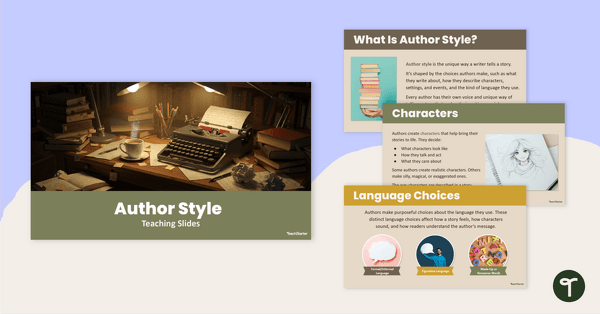
Author's Writing Style Teaching Slides
Teach your students about an author’s writing style with this engaging slide deck that helps students understand the elements that make up an author’s unique voice.
- Plus Plan
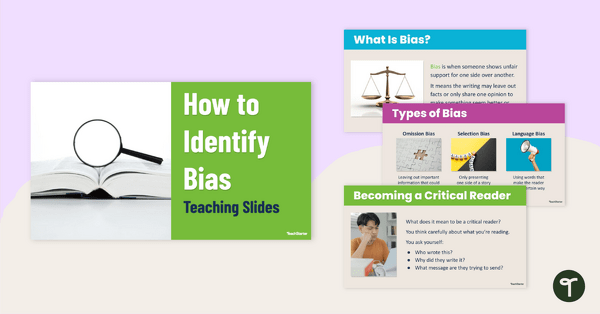
How to Identify Bias Teaching Slides
Teach your students how to identify bias in writing with this engaging slide deck, designed to help 6th-grade students develop critical reading skills.
- Plus Plan
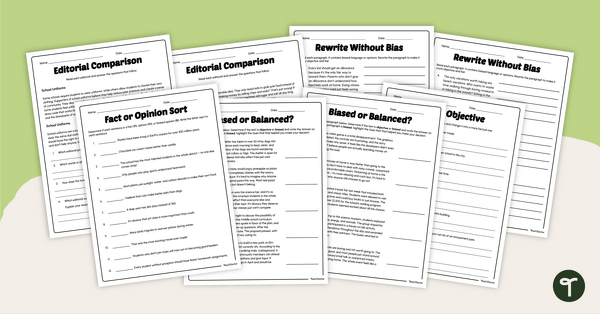
Bias in Writing Worksheet Pack
Teach bias in writing with ease using this engaging worksheet pack designed to help upper elementary students recognize and analyze bias across different texts.
- Plus Plan
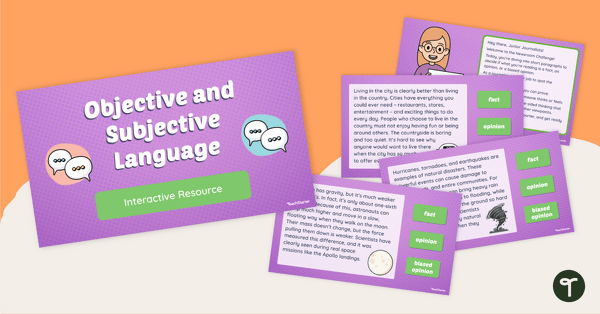
Objective and Subjective Language Digital Quiz
Spark deeper thinking about objective and subjective language with this interactive digital quiz that helps students distinguish between fact, opinion and biased opinion in real-world texts.
- Plus Plan
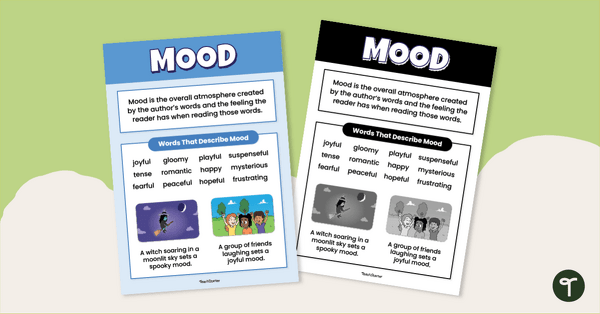
Mood Anchor Chart- Literary Element Poster
Introduce your students to mood, the atmosphere-creating literary element, with a printable Mood Anchor Chart.
- Plus Plan
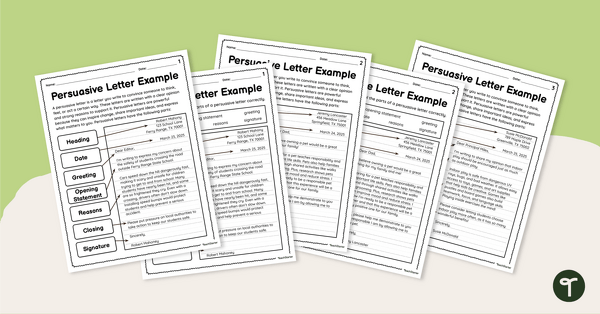
Persuasive Letter Example Pack
Download this persuasive letter example set featuring five model letters with labeled and unlabeled versions, perfect for teaching students the structure of a persuasive letter.
- Plus Plan
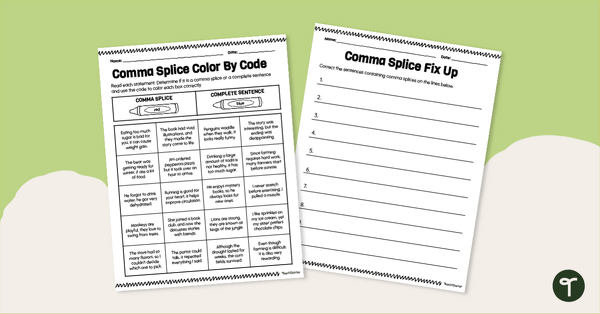
Color By Code Comma Splice Worksheet
Use a Color By Code Comma Splice Worksheet to practice identifying and correcting comma splices.
- Plus Plan
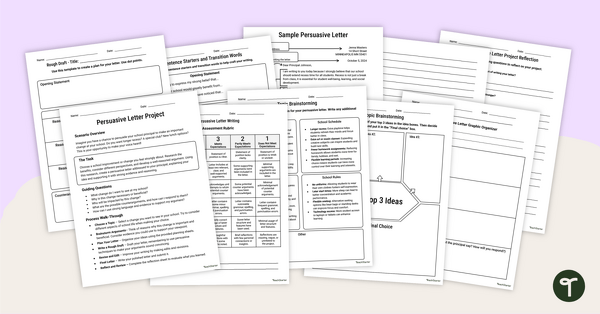
Persuasive Letter Assignment
Use this persuasive letter assignment to guide your students through the process of writing a persuasive letter to their school principal.
- Plus Plan
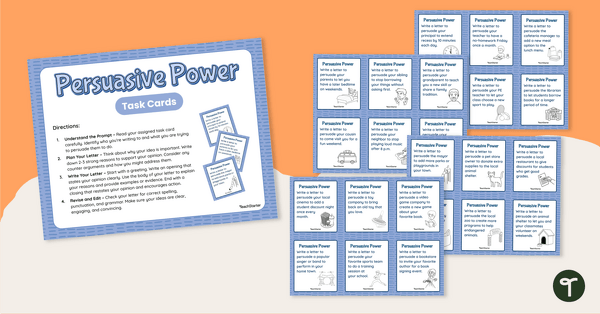
Persuasive Letter Topics Task Cards
Use these persuasive letter topics to get your students writing convincing persuasive letters based on a variety of scenarios.
- Plus Plan
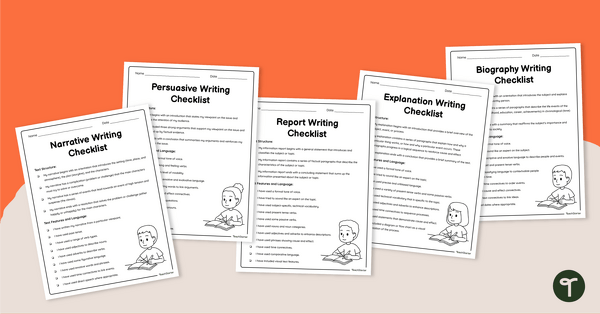
Revising and Editing Checklist Pack
Download this revising and editing checklist pack to support your students when they edit and revise their written work.
- Plus Plan
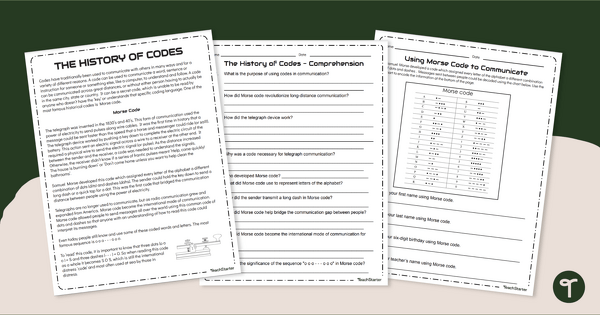
The History of Morse Code - Comprehension Worksheet
A comprehension activity relating to technologies and codes.
- Plus Plan
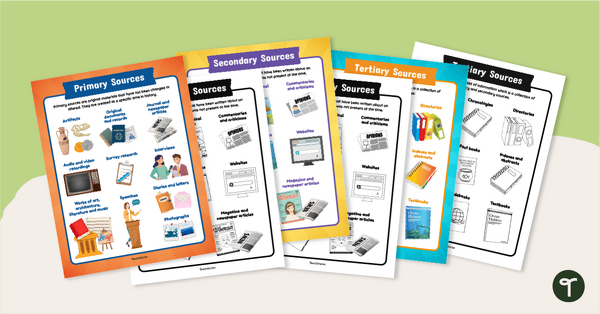
Primary, Secondary & Tertiary Sources Poster Pack
Introduce your students to examples of primary, secondary, and tertiary sources of information with a printable set of anchor charts.
- Free Plan
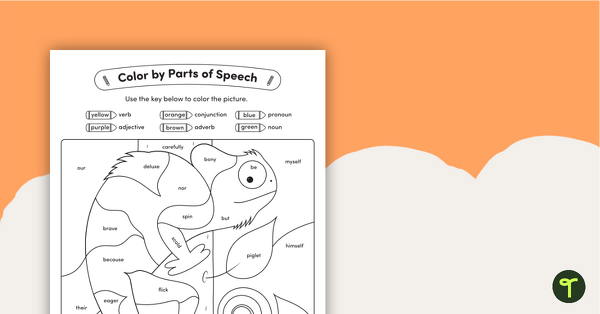
Color by Parts of Speech Worksheet – Chameleon
Practice identifying different parts of speech with this fun color-by-code worksheet.
- Free Plan
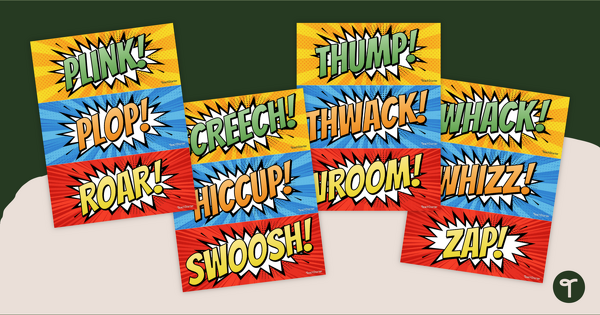
Onomatopoeia Words - Vocabulary Display
Display a fun onomatopoeia word wall in your classroom with printable cards containing onomatopoeia examples.
- Plus Plan
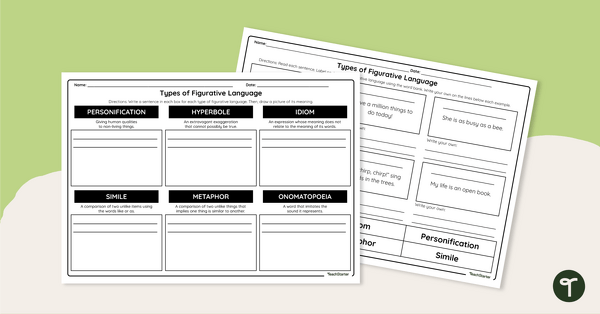
Types of Figurative Language - Worksheet
Practice identifying and creating examples of figurative language with this printable worksheet.
- Plus Plan
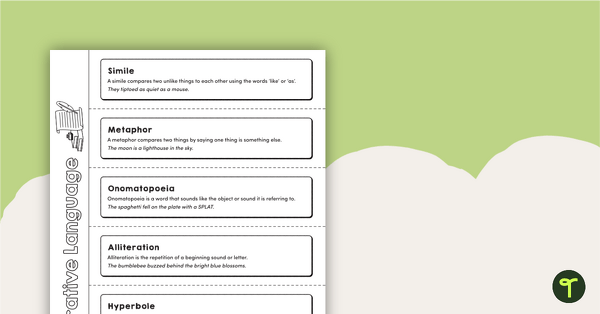
Figurative Language Flip Book
Practice identify examples of figurative language with this flip book template for kids.
- Plus Plan
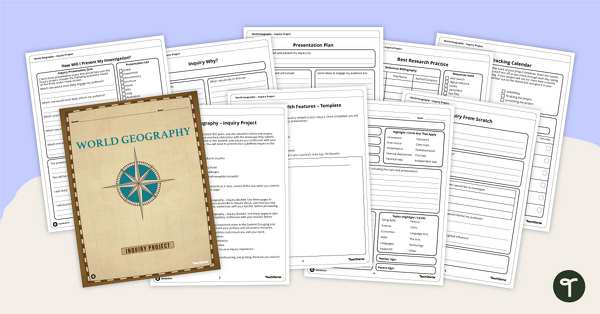
World Geography – Country Research Project Inquiry Task
Help your students discover new countries with our printable country research project template.
- Plus Plan
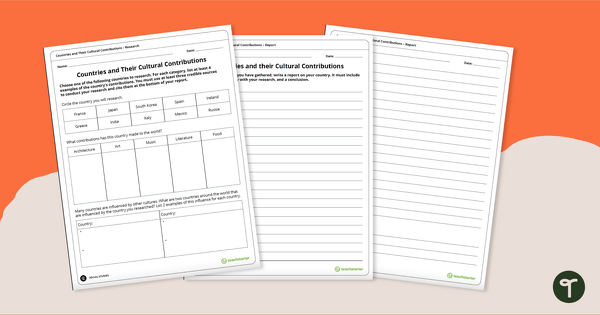
Contributions of Cultures Around the World – Research Project
Research the cultural contributions from countries around the world with this research activity.
- Plus Plan
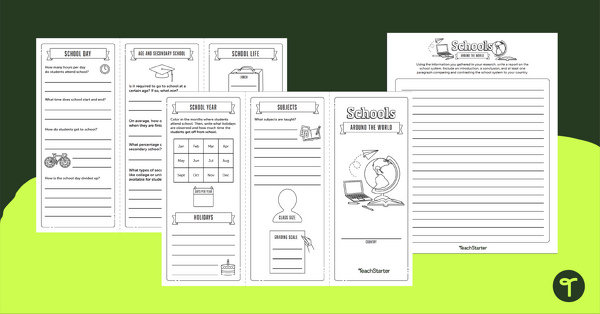
Schools Around the World – Brochure and Writing Template
Research and write a report on the school system from a different country with this brochure template.
- Plus Plan
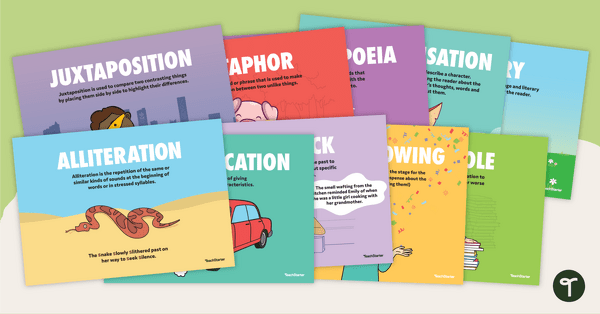
Literary Devices Posters
Explore the various literary devices used by authors with the set of colorful classroom posters.
- Plus Plan

Life Without Tacos – Comprehension Passage Task
A reading passage about cultural diffusion paired with a comprehension worksheet.
- Plus Plan
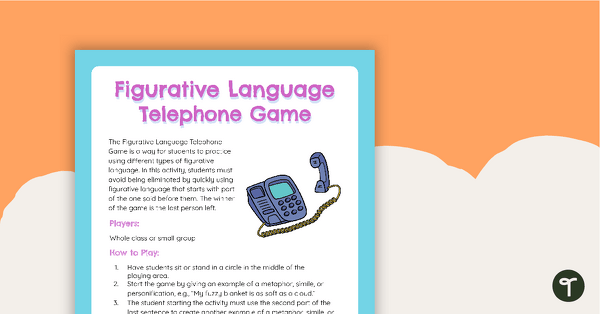
Figurative Language Telephone Game
Play this figurative language game with a group to practice recognizing and inventing metaphors, similes, and personification.
- Plus Plan
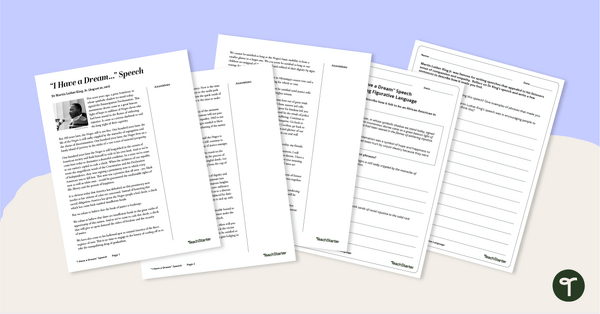
I Have a Dream - Speech Analysis Activity
Review MLK's "I Have a Dream" speech text and explore the metaphors he used to convey his message through the accompanying questions.
- Plus Plan

10 Fascinating Facts About the Sydney Harbour Bridge – Comprehension Worksheet
A comprehension worksheet paired with an informational text about the Sydney Harbour Bridge.
- Plus Plan

Grade 6 Daily Warm-Up – PowerPoint 3
A 70-slide PowerPoint presentation containing a variety of quick warm-up activities.
- Plus Plan
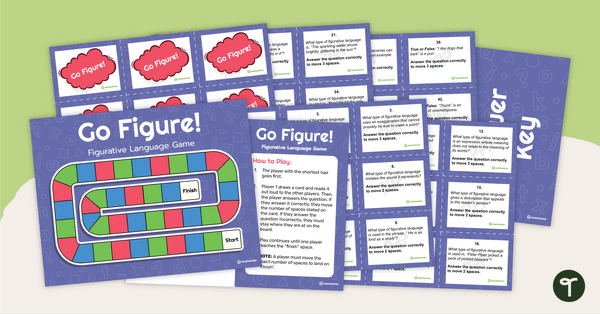
Go Figure! - Figurative Language Game
Practice working with different types of figurative language with this hands-on board game.
- Free Plan
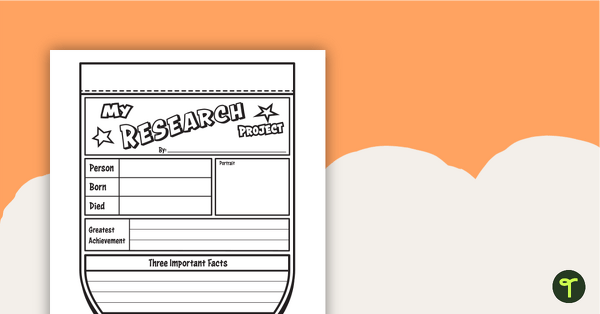
My Research Project - Pennant Banner
Create a pennant banner for students to record and display their biography research.
- Plus Plan
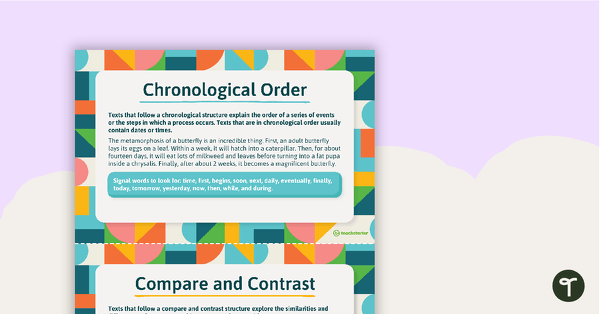
Organizational Patterns – Sorting Activity
A set of flashcards and paragraphs to use as a sorting activity.
- Plus Plan
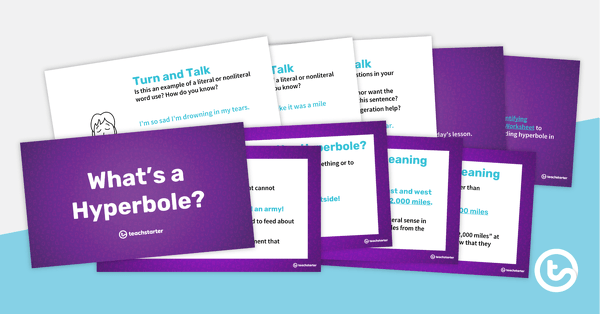
What's a Hyperbole? PowerPoint
An editable 20-slide PowerPoint to use when teaching your students about hyperbole.
- Plus Plan
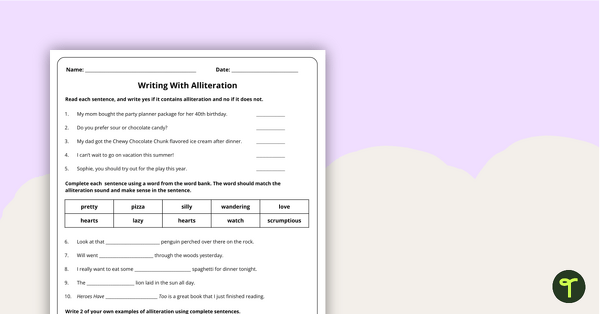
Writing With Alliteration Worksheet
Identify and create alliteration patterns in texts.
- Plus Plan
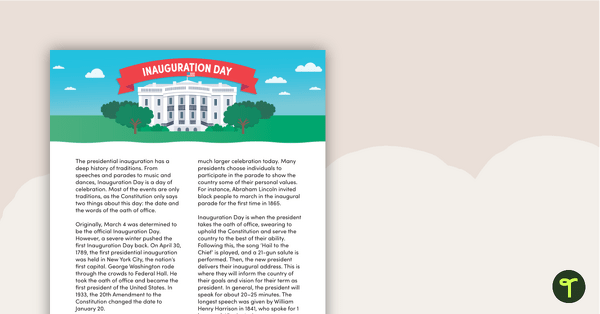
Inauguration Day – Comprehension Task
A comprehension task paired with a text about Inauguration Day.
- Plus Plan

Biography Brochure Template
Help your students organize their thoughts about their biography subject.