ELAR K.2
Developing and sustaining foundational language skills: listening, speaking, reading, writing, and thinking--beginning reading and writing. The student develops word structure knowledge through phonological awareness, print concepts, phonics, and morphology to communicate, decode, and spell. The student is expected to:
- (1) demonstrate phonological awareness by:
- (A) identifying and producing rhyming words;
- (i) recognizing spoken alliteration or groups of words that begin with the same spoken onset or initial sound;
- (ii) identifying the individual words in a spoken sentence;
- (iii) identifying syllables in spoken words;
- (iv) manipulating syllables within a multisyllabic word; and
- (v) blending syllables to form multisyllabic words;
- (vi) segmenting multisyllabic words into syllables;
- (vii) blending spoken onsets and rimes to form simple words;
- (viii) blending spoken phonemes to form one-syllable words;
- (ix) segmenting spoken one-syllable words into individual phonemes;
- (x) demonstrate and apply phonetic knowledge by:
- (B) identifying and matching the common sounds that letters
represent;
- (i) using letter-sound relationships to decode, including VC, CVC, CCVC, and CVCC words;
- (ii) recognizing that new words are created when letters are changed, added, or deleted such as it - pit - tip - tap; and
- (iii) identifying and reading at least 25 high-frequency words from a research-based list;
- (iv) demonstrate and apply spelling knowledge by:
- (C) spelling words with VC, CVC, and CCVC;
- (i) spelling words using sound-spelling patterns; and
- (ii) spelling high-frequency words from a research-based list;
- (iii) demonstrate print awareness by:
- (D) identifying the front cover, back cover, and title page
of a book;
- (i) holding a book right side up, turning pages correctly, and knowing that reading moves from top to bottom and left to right with return sweep;
- (ii) recognizing that sentences are comprised of words separated by spaces and recognizing word boundaries;
- (iii) recognizing the difference between a letter and a printed word; and
- (iv) identifying all uppercase and lowercase letters; and
- (v) develop handwriting by accurately forming all uppercase and lowercase letters using appropriate directionality.
- (A) identifying and producing rhyming words;
- Free Plan
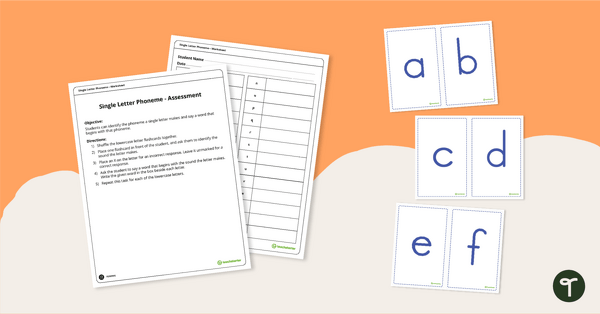
Quick Phonics Screener- Single Letter Phoneme
Test your students' knowledge of single letter phonemes with this student assessment kit.
- Free Plan
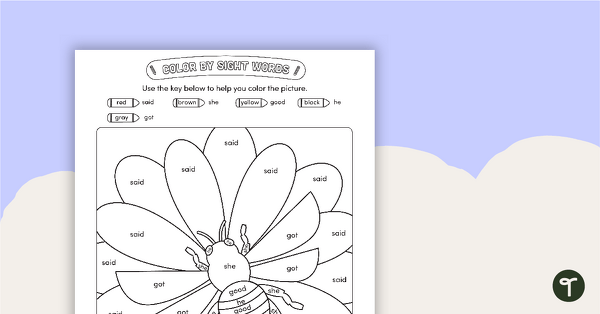
Color by Sight Words - 5 Words - Bee
A fun coloring activity to use when working with sight words.
- Plus Plan
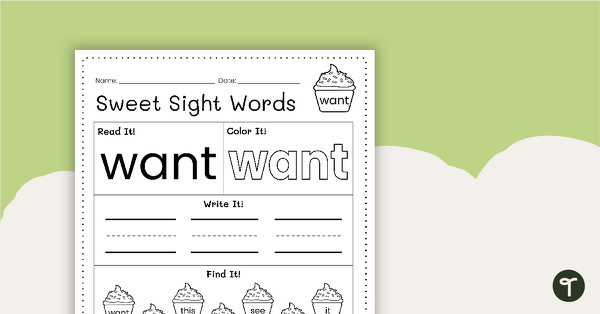
Sweet Sight Words Worksheet - WANT
Practice reading, writing, and identifying the high-frequency word “want” from the Kindergarten-level Dolch sight words list.
- Plus Plan
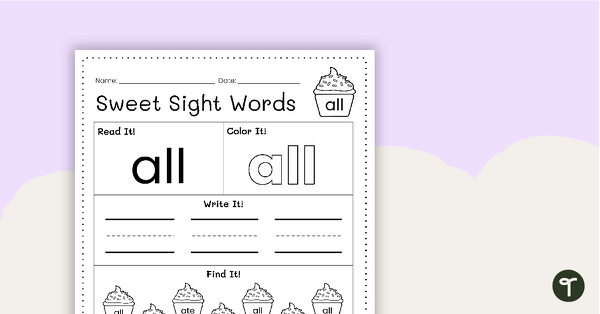
Sweet Sight Words Worksheet - ALL
Practice reading, writing, and identifying the high-frequency word “all” from the Kindergarten-level Dolch sight words list.
- Plus Plan
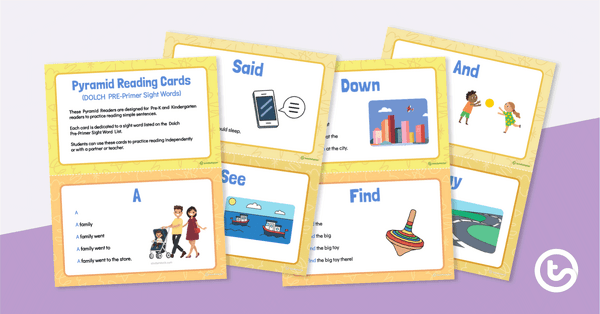
Pyramid Reading Cards - Dolch Pre-Primer Sight Words
Practice and review the Dolch Pre-Primer List of high-frequency words with 40 short phrase cards for emergent readers.
- Plus Plan
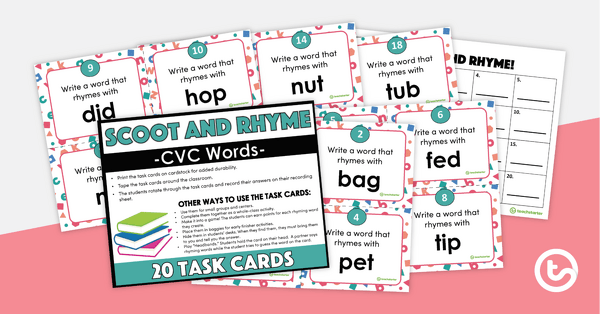
Scoot and Rhyme - Rhyming Activity
Practice rhyming words by SCOOT-ing around the classroom with this set of 20 rhyming task cards.
- Plus Plan
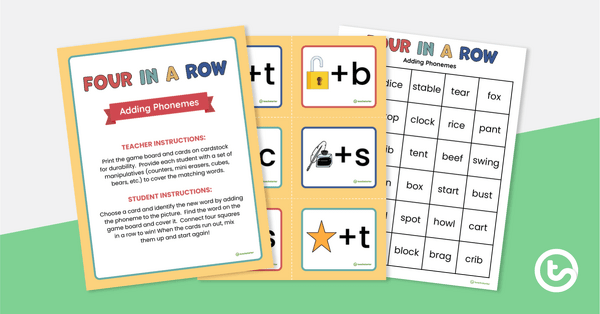
Four in a Row Game - Adding Phonemes
Create new words by adding phonemes with this set of 28 cards and game board.
- Plus Plan
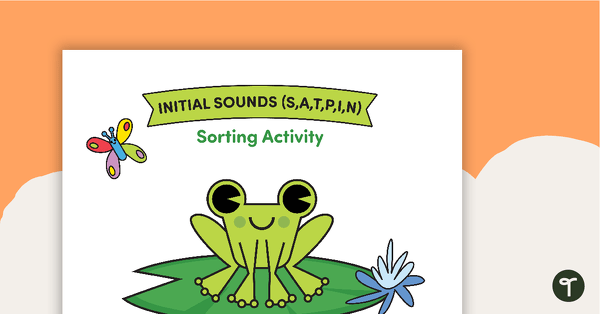
Initial Sound Sorting Activity (s, a, t, p, i, and n)
A sorting activity to practice initial sounds regarding the letters s, a, t, p, i, and n.
- Plus Plan
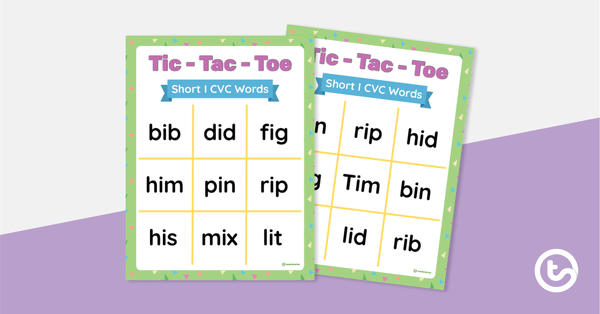
Tic-Tac-Toe Game: Short I CVC Words
Practice reading short /i/ CVC words with this set of 6 tic-tac-toe games.
- Plus Plan
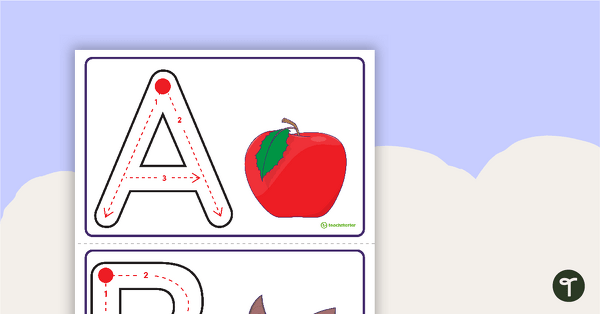
Uppercase Letter Formation Task Cards
A set of task cards for younger students to learn how to accurately form all uppercase letters.
- Plus Plan
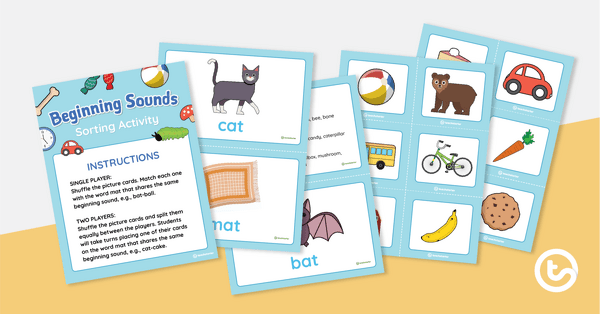
Beginning Sounds Sorting Activity
Practice identifying beginning sounds of words by sorting this set of 24 picture cards.
- Plus Plan
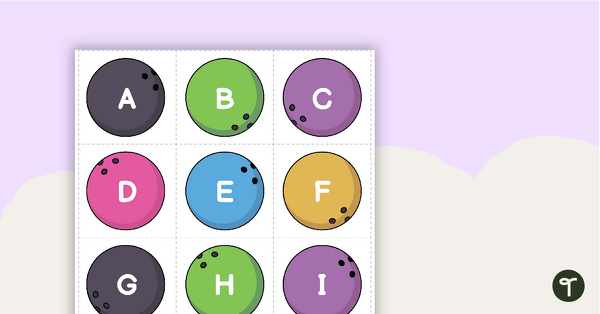
Bowling Game - Letter Match
Practice matching upper and lowercase letters with 26 letter bowling ball cards and pins.
- Free Plan
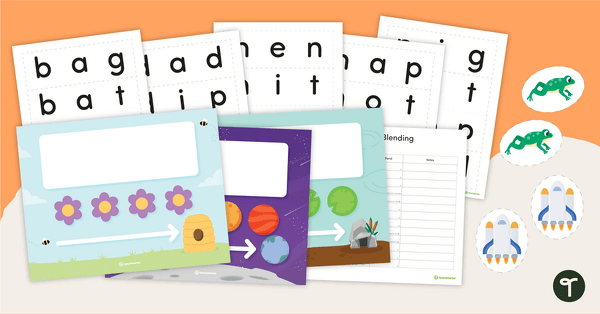
Segmenting and Blending Mats
A set of beautifully designed templates for students to practice blending and segmenting words.
- Plus Plan
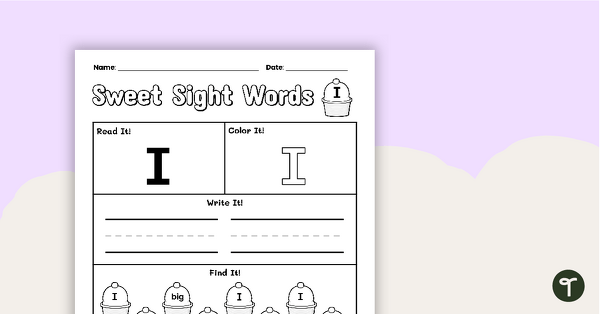
Sweet Sight Words Worksheet - I
Practice reading, writing, and identifying the high-frequency word “I” from the Pre-Primer Dolch sight words list.
- Plus Plan
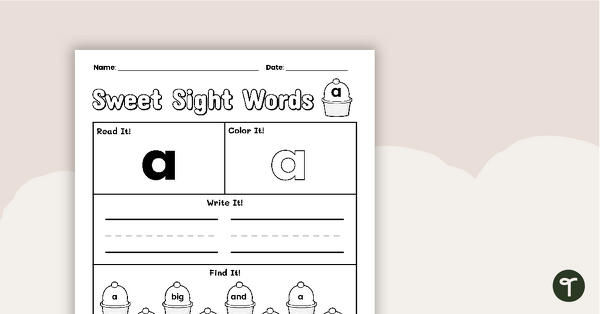
Sweet Sight Words Worksheet - A
Practice reading, writing, and identifying the high-frequency word “a” from the Pre-Primer Dolch sight words list.
- Plus Plan
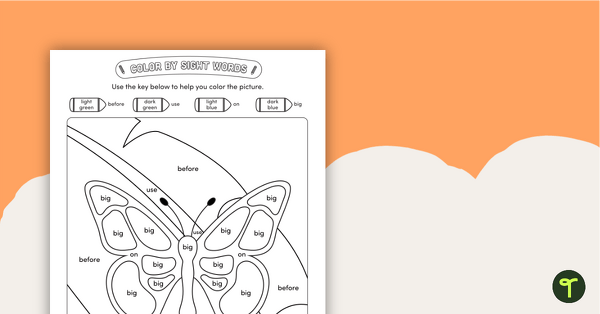
Color by Sight Words - 4 Words - Butterfly
A fun coloring activity to use when working with sight words.
- Plus Plan
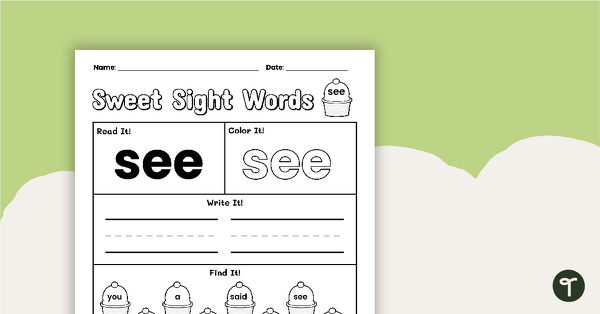
Sweet Sight Words Worksheet - SEE
Practice reading, writing, and identifying the high-frequency word “see” from the Pre-Primer Dolch sight words list.
- Plus Plan
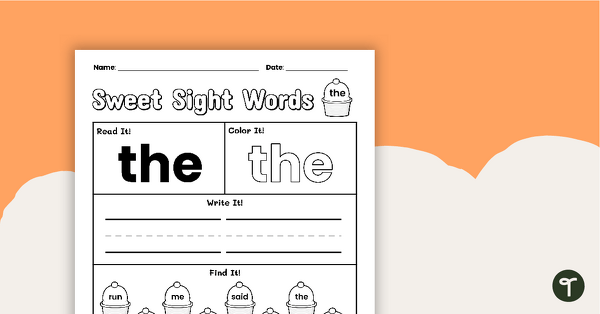
Sweet Sight Words Worksheet - THE
Practice reading, writing, and identifying the high-frequency word “the” from the Pre-Primer Dolch sight words list.
- Plus Plan
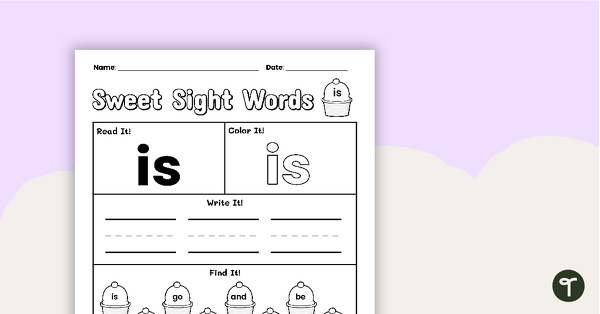
Sweet Sight Words Worksheet - IS
Practice reading, writing, and identifying the high-frequency word “is” from the Pre-Primer Dolch sight words list.
- Plus Plan
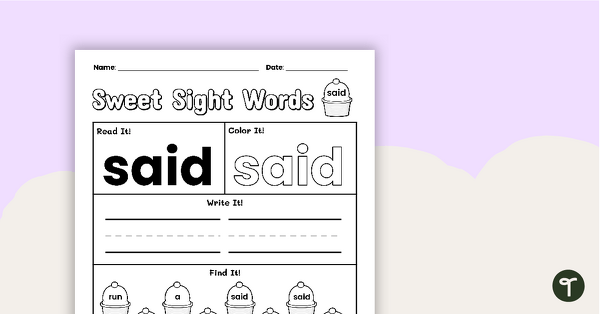
Sweet Sight Words Worksheet - SAID
Practice reading, writing, and identifying the high-frequency word “said” from the Pre-Primer Dolch sight words list.
- Plus Plan
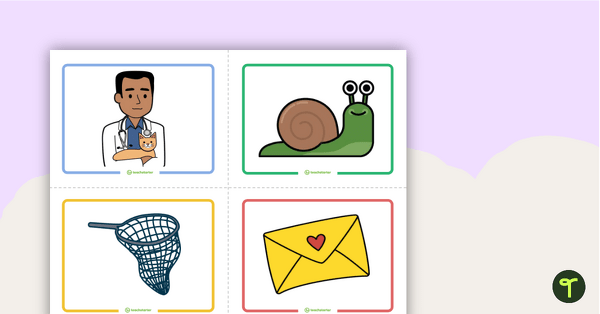
Rhyming Words Flashcards
Practice producing rhyming words with this set of 36 picture flashcards.
- Plus Plan
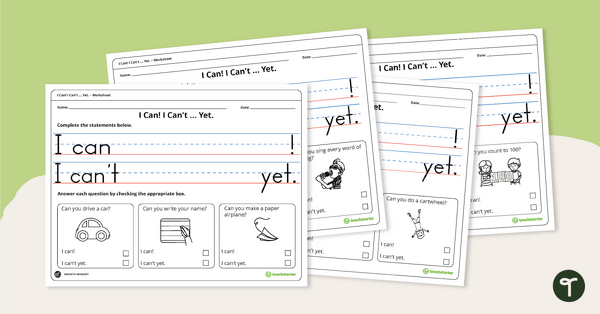
Growth Mindset Worksheets (Grades K-1)
Print these growth mindset worksheets for kindergarten and first grade to learn about I Can and I Can't while practicing handwriting.
- Plus Plan
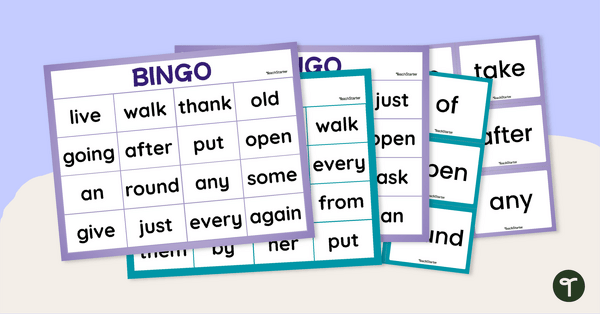
Sight Word Bingo - Grade 1
Practice knowledge of sight words with this set of 16 bingo cards suitable for Grade 1.
- Free Plan
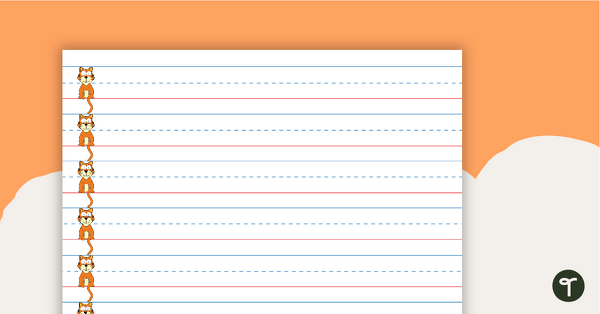
Cat Handwriting Paper - Dotted Middle Line
A set of handwriting lines to use when teaching your students how to sit their letters properly on a line.
- Plus Plan
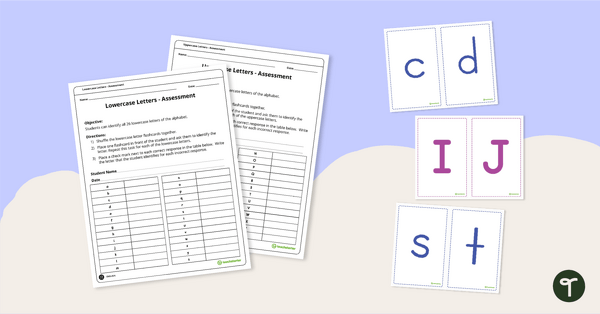
Phonics Assessment - Uppercase and Lowercase Letters
Test your students' knowledge of the uppercase and lowercase letters in the alphabet with this assessment kit.
- Plus Plan
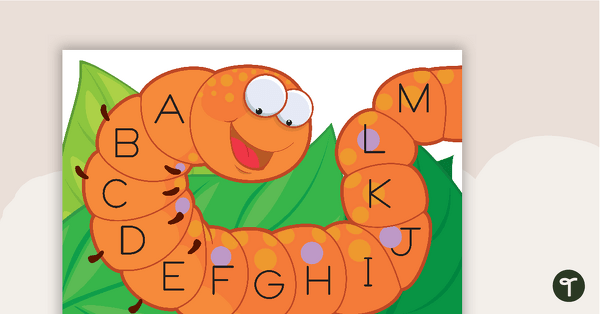
Alphabet Matching Caterpillar Activity
A vibrant and fun activity to teach lowercase and uppercase to young children.
- Plus Plan
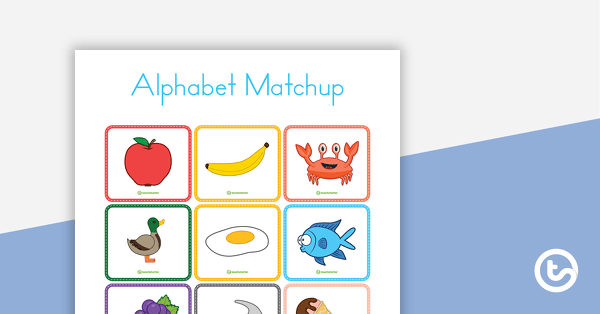
Alphabet Matching Activity
A great matching activity for students to practice their letters and initial sounds.
- Plus Plan
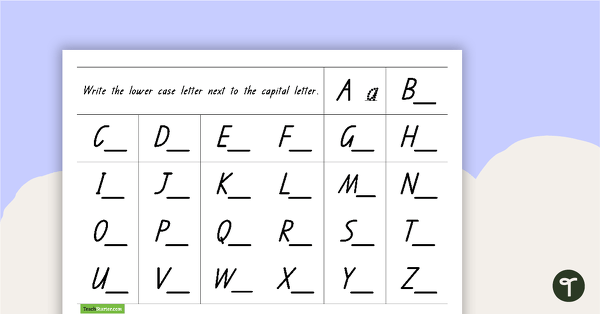
Writing Lowercase Letters
Students practice writing the lowercase letter next to the provided uppercase letter.
- Plus Plan
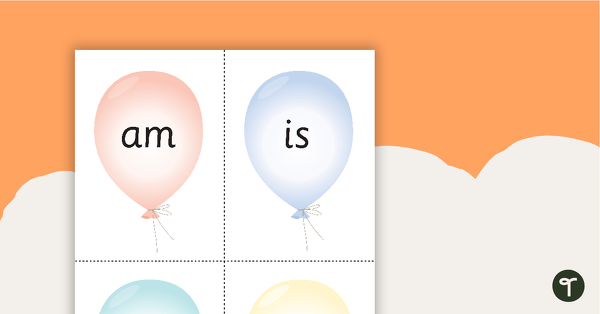
Two-Letter Word Balloon Cards
6 pages of two-letter words on balloon backgrounds.
- Plus Plan
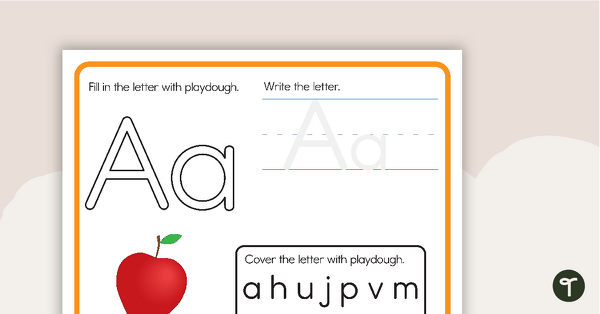
Alphabet Playdough Mats
A set of work mats for students to write and form the letters of the alphabet using playdough.
- Plus Plan
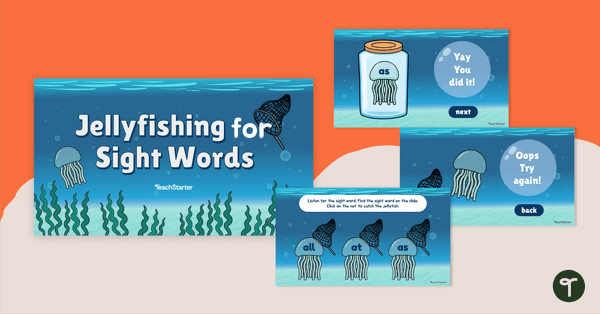
Jellyfishing for Sight Words - Kindergarten Sight Word Game
Go jellyfishing for Kindergarten Dolch words with an interactive Google Slides game!
- Plus Plan
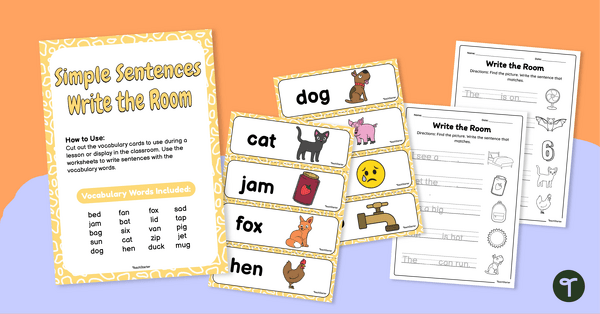
Writing Simple Sentences - Write the Room Activity
Use this simple sentence writing activity to learn how to write simple sentences with words around the room