ELAR K.2
Developing and sustaining foundational language skills: listening, speaking, reading, writing, and thinking--beginning reading and writing. The student develops word structure knowledge through phonological awareness, print concepts, phonics, and morphology to communicate, decode, and spell. The student is expected to:
- (1) demonstrate phonological awareness by:
- (A) identifying and producing rhyming words;
- (i) recognizing spoken alliteration or groups of words that begin with the same spoken onset or initial sound;
- (ii) identifying the individual words in a spoken sentence;
- (iii) identifying syllables in spoken words;
- (iv) manipulating syllables within a multisyllabic word; and
- (v) blending syllables to form multisyllabic words;
- (vi) segmenting multisyllabic words into syllables;
- (vii) blending spoken onsets and rimes to form simple words;
- (viii) blending spoken phonemes to form one-syllable words;
- (ix) segmenting spoken one-syllable words into individual phonemes;
- (x) demonstrate and apply phonetic knowledge by:
- (B) identifying and matching the common sounds that letters
represent;
- (i) using letter-sound relationships to decode, including VC, CVC, CCVC, and CVCC words;
- (ii) recognizing that new words are created when letters are changed, added, or deleted such as it - pit - tip - tap; and
- (iii) identifying and reading at least 25 high-frequency words from a research-based list;
- (iv) demonstrate and apply spelling knowledge by:
- (C) spelling words with VC, CVC, and CCVC;
- (i) spelling words using sound-spelling patterns; and
- (ii) spelling high-frequency words from a research-based list;
- (iii) demonstrate print awareness by:
- (D) identifying the front cover, back cover, and title page
of a book;
- (i) holding a book right side up, turning pages correctly, and knowing that reading moves from top to bottom and left to right with return sweep;
- (ii) recognizing that sentences are comprised of words separated by spaces and recognizing word boundaries;
- (iii) recognizing the difference between a letter and a printed word; and
- (iv) identifying all uppercase and lowercase letters; and
- (v) develop handwriting by accurately forming all uppercase and lowercase letters using appropriate directionality.
- (A) identifying and producing rhyming words;
- Plus Plan
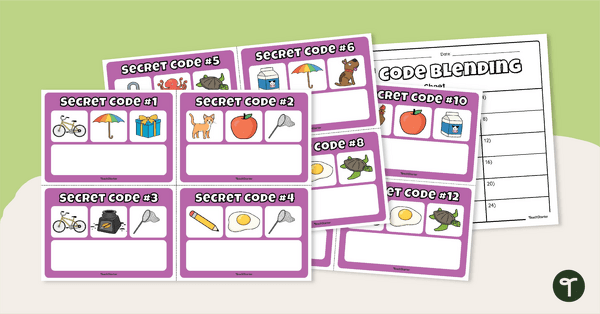
Secret Code Phoneme Blending Task Cards
Explore phoneme blending with this set of engaging secret code blending CVC word task cards.
- Plus Plan
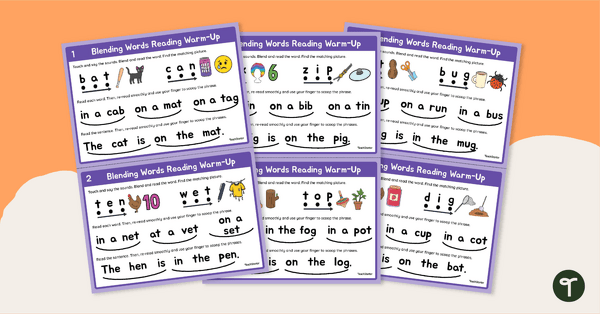
Blending Words Reading Warm-Up Task Cards
Get your students ready for reading with these blending words reading warm-up task cards.
- Plus Plan
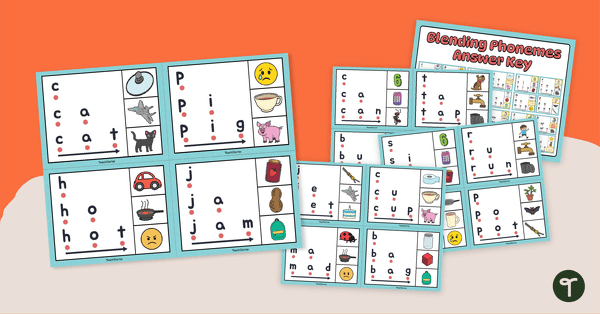
Blending Phonemes Clip Cards
Provide students with the ability to practice successive blending of phonemes with this set of clip cards.
- Plus Plan
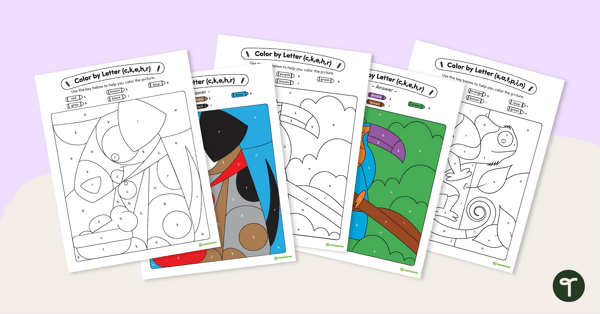
Color by Letter Worksheet Pack
Help students with their recognition of the letters – s,a,t,p,i,n and c,k,e,h,r with this color by letter worksheet pack.
- Plus Plan
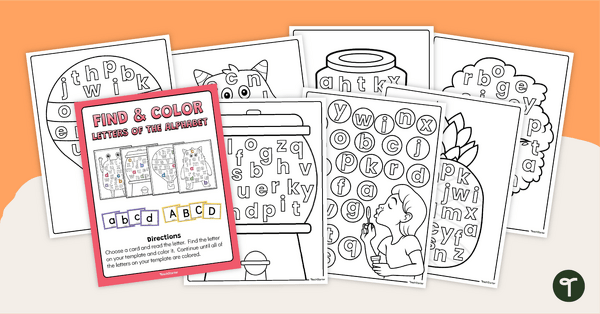
Find and Color Alphabet Activity
Help students recognize different letters of the alphabet with this find and color worksheet pack.
- Plus Plan
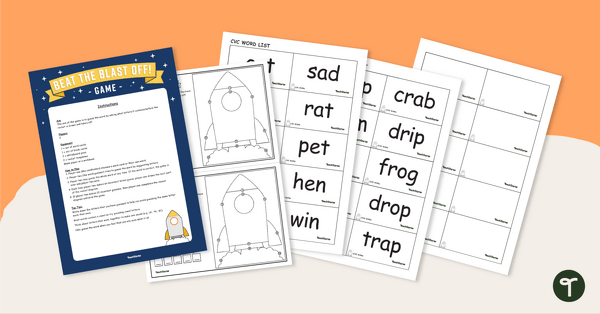
Beat the Blast Off! CVC, CVCC and CCVC Spelling Game
Use this collaborative partner game to familiarize your students with some of the most common CVC, CVCC and CCVC words.
- Plus Plan
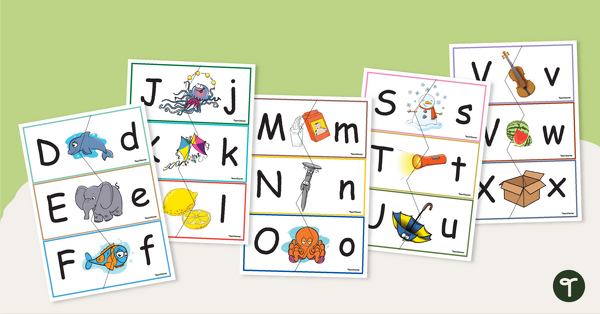
Alphabet Matching Game
Use this alphabet matching game to familiarize your students with the letters of the alphabet and their corresponding sounds.
- Plus Plan
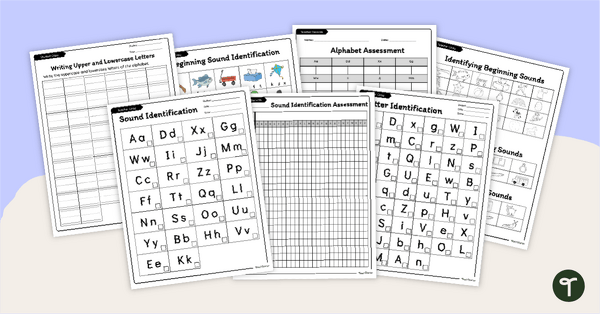
Alphabet Letter-Sound Correspondence Assessment Pack
Assess your students abilities to write their names, identify letters, letter sounds, and initial/middle/ending sounds with a printable alphabet assessment pack.
- Plus Plan
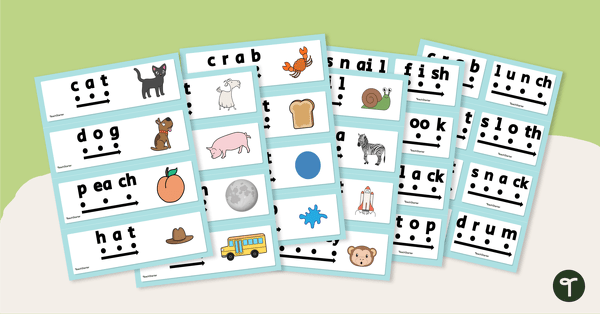
Blending Phonemes Fluency Strips
Develop students’ ability to blend phonemes in common words with this comprehensive set of phoneme blending fluency strips.
- Plus Plan
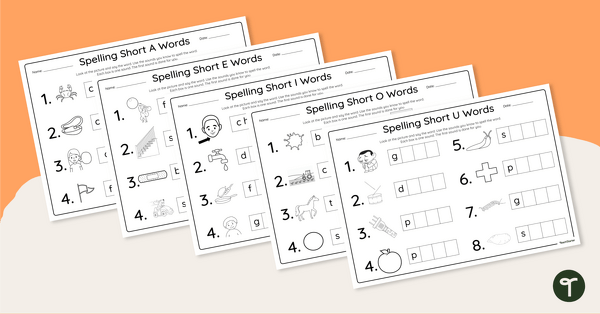
Spelling CCVC Words - Worksheets (Differentiated)
Develop students’ ability to segment and blend the sounds in CCVC words with this set of differentiated worksheets.
- Plus Plan
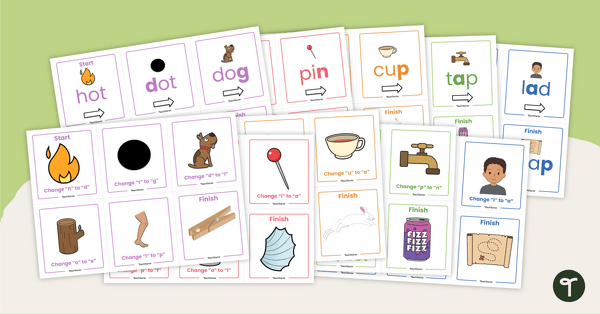
CVC Word Chain Sequencing Cards
Practice building word chains involving CVC words with these word chain sequencing cards.
- Plus Plan
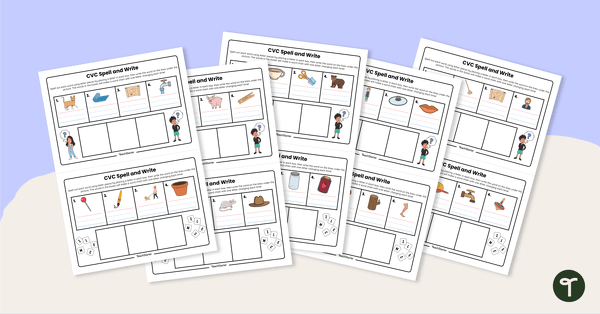
CVC Words - Spell and Write Task Cards
Practice spelling CVC words and manipulating their phonemes to create word chains with this set of hands-on work mats.
- Free Plan
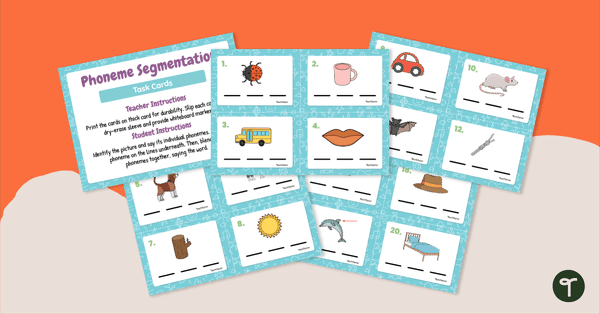
Phoneme Segmentation Task Cards
Segment beginning, middle vowel, and final phonemes with this set of 20 CVC word task cards.
- Plus Plan
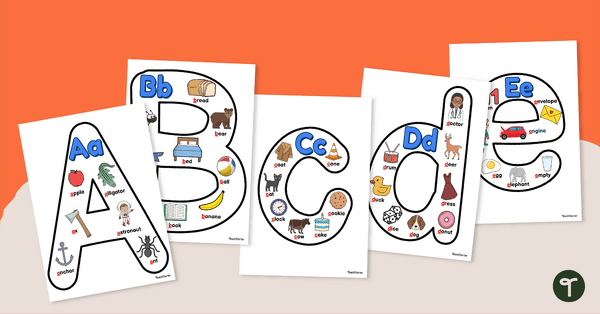
Alphabet Anchor Charts
Display these lowercase and uppercase letter posters with images that begin with each letter.
- Plus Plan
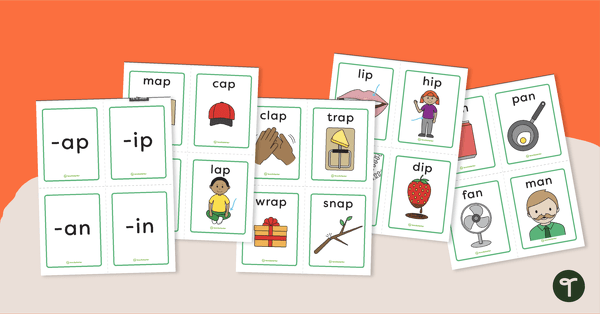
Word Family Sorting Cards
Reinforce word families and rhyming words with your students with this set of 36 sorting cards.
- Plus Plan
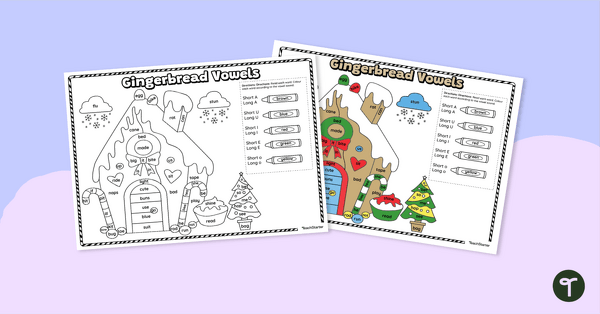
Gingerbread Vowels Coloring Pages
Use these Gingerbread Vowels coloring pages to engage your help your students differentiate between short and long vowel sounds.
- Plus Plan
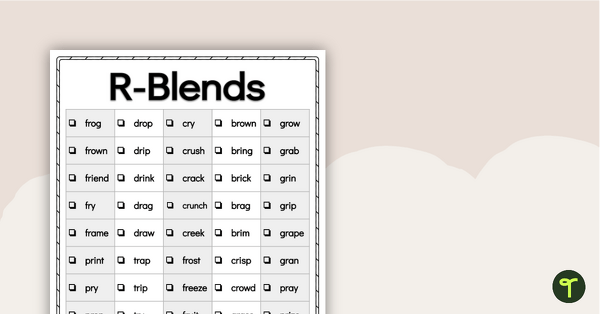
Word Study List - R Blend Words
Introduce and explore words containing an initial r-blend with this extensive list of words.
- Plus Plan
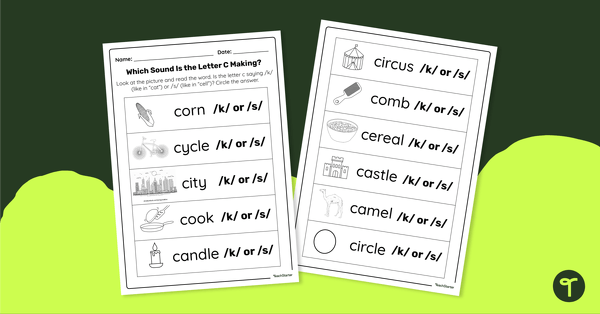
Phonics Worksheets - Hard and Soft C
Practice identifying the different sounds made by the letter C with this printable two-page worksheet.
- Plus Plan
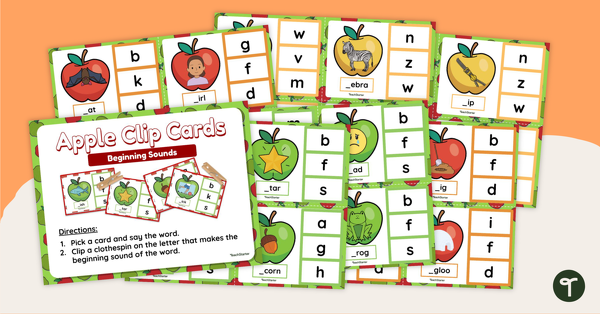
Beginning Sound Clip Cards - Apple Themed Activity
Apply letter-sound correspondence and beginning word sounds with an apple-themed letter recognition game.
- Plus Plan
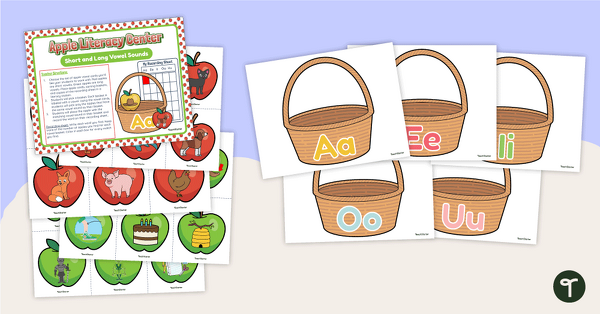
Apple Activities - Short and Long Vowel Sort
Supplement your phonics lessons with an apple-themed initial sound sorting activity.
- Plus Plan
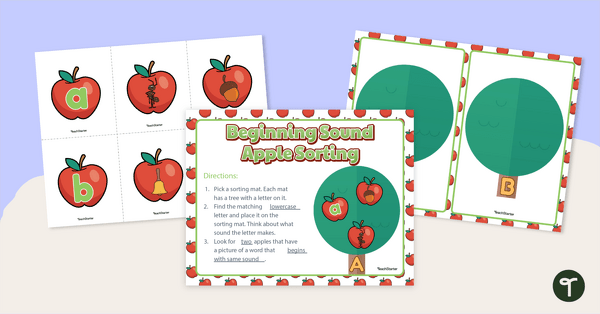
Beginning Sound Sort - Apple Edition
Fall into letter-sound correspondence with this apple-themed letter/sound match-up center activity.
- Plus Plan
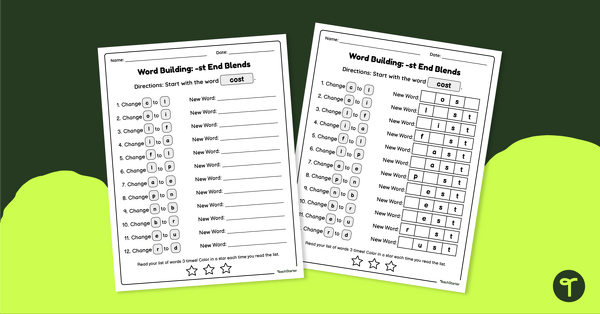
Word Chain Worksheet - Final -st Blends
Create word chains by manipulating the individual phonemes in words with this differentiated word-building worksheet.
- Plus Plan
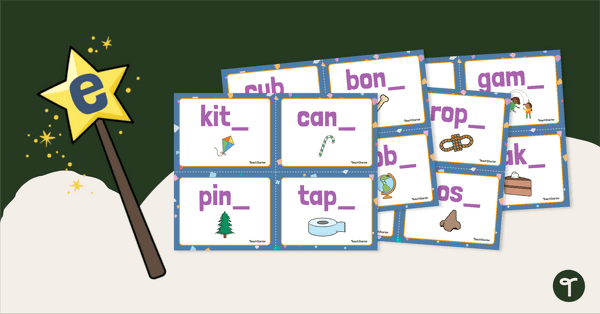
Magic E Wand and Word Cards
Create a crafty phonics activity to explore the power of the magic e in CVCe words.
- Plus Plan
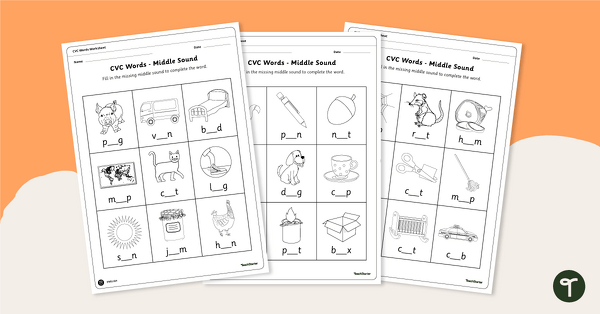
Short Vowel Worksheets (Middle Sounds Practice)
Identify medial or middle vowel sounds with this set of three worksheets.
- Plus Plan
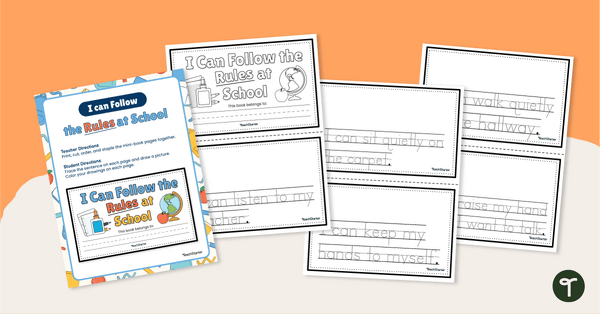
I Can Follow the Rules at School – Mini-Book
Use this mini-book to review or introduce school and classroom rules to your primary students.
- Plus Plan
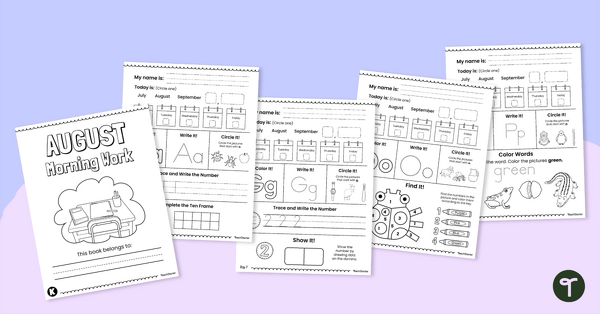
Kindergarten Morning Work (August)
Practice foundational math and language arts skills during the month of August with this collection of 23 kindergarten morning work worksheets.
- Plus Plan
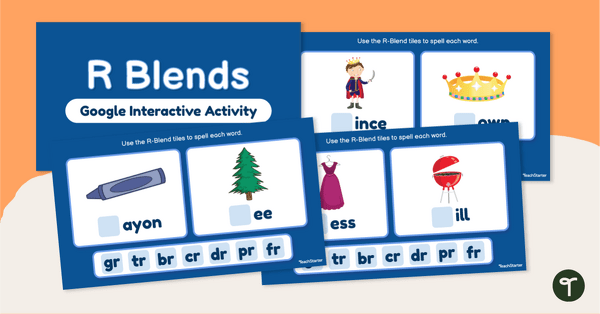
Google Interactive R-Blends Activity
Decode and spell r-blend words with phonemes gr, tr, br, cr, dr, pr, and fr.
- Plus Plan
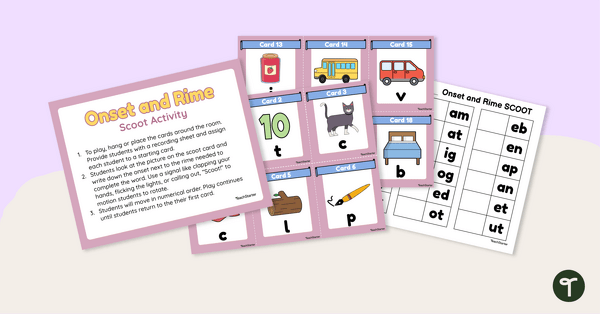
Onset and Rime SCOOT! Activity
Have fun building words by blending onsets and rimes using an Onset-Rime Scoot! Game.
- Plus Plan
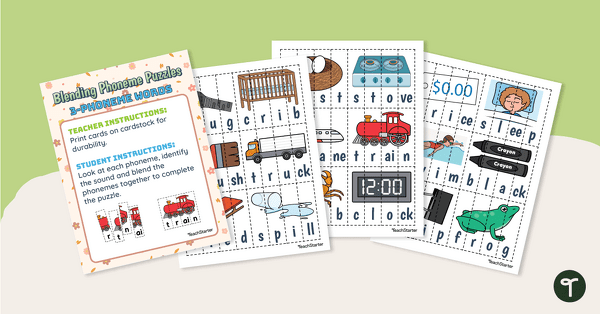
Blending Phoneme Puzzles - 4-Phoneme Puzzles
Master blending phonemes with 4-phoneme blending puzzles as a reading center activity.
- Plus Plan
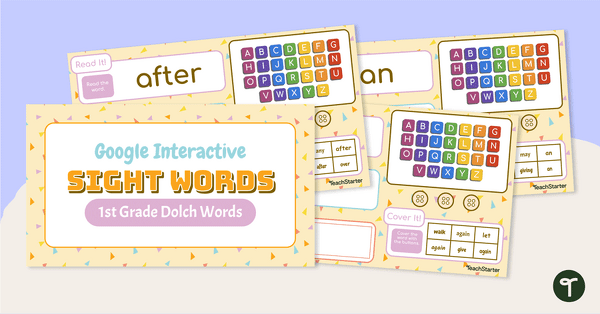
Google Interactive Sight Words - 1st Grade Dolch Word Slideshow
Read, write, identify, and build all 41 Dolch first-grade sight words in an interactive Google Slides presentation.
- Plus Plan
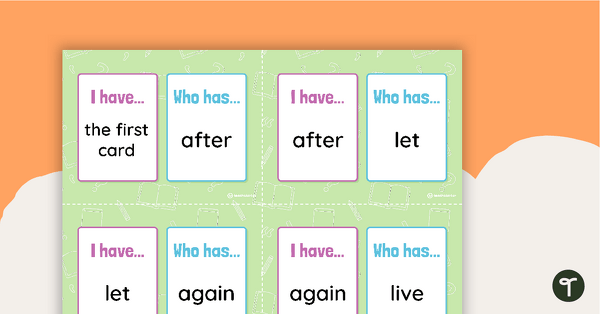
First Grade Dolch Words - I Have, Who Has? Game
Practice listening to and reading high-frequency words with this set of 42 “I Have, Who Has?” 1st Grade Dolch sight word game cards.
- Plus Plan
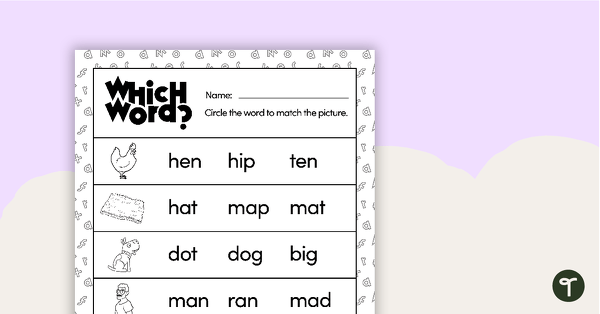
Which Word? CVC Decoding Worksheets
A set of 5 worksheets for students to practice segmenting and blending common CVC words.