Year 5
The proficiency strands understanding, fluency, problem-solving and reasoning are an integral part of mathematics content across the three content strands: number and algebra, measurement and geometry, and statistics and probability. The proficiencies reinforce the significance of working mathematically within the content and describe how the content is explored or developed. They provide the language to build in the developmental aspects of the learning of mathematics. The achievement standards reflect the content and encompass the proficiencies.
At this year level:
- understanding includes making connections between representations of numbers, using fractions to represent probabilities, comparing and ordering fractions and decimals and representing them in various ways, describing transformations and identifying line and rotational symmetry
- fluency includes choosing appropriate units of measurement for calculation of perimeter and area, using estimation to check the reasonableness of answers to calculations and using instruments to measure angles
- problem-solving includes formulating and solving authentic problems using whole numbers and measurements and creating financial plans
- reasoning includes investigating strategies to perform calculations efficiently, continuing patterns involving fractions and decimals, interpreting results of chance experiments, posing appropriate questions for data investigations and interpreting data sets.
(source: www.australiancurriculum.edu.au)
Achievement Standard
By the end of Year 5, students solve simple problems involving the four operations using a range of strategies. They check the reasonableness of answers using estimation and rounding. Students identify and describe factors and multiples. They identify and explain strategies for finding unknown quantities in number sentences involving the four operations. They explain plans for simple budgets. Students connect three-dimensional objects with their two-dimensional representations. They describe transformations of two-dimensional shapes and identify line and rotational symmetry. Students interpret different data sets.
Students order decimals and unit fractions and locate them on number lines. They add and subtract fractions with the same denominator. Students continue patterns by adding and subtracting fractions and decimals. They use appropriate units of measurement for length, area, volume, capacity and mass, and calculate perimeter and area of rectangles. They convert between 12- and 24-hour time. Students use a grid reference system to locate landmarks. They measure and construct different angles. Students list outcomes of chance experiments with equally likely outcomes and assign probabilities between 0 and 1. Students pose questions to gather data, and construct data displays appropriate for the data.
(source: www.australiancurriculum.edu.au)
- Plus Plan
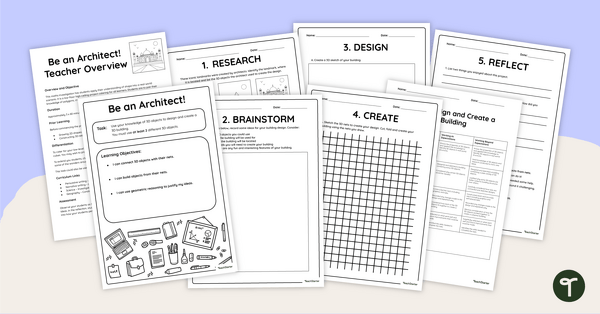
3D Objects Maths Investigation – Be an Architect!
Relate knowledge of 3D objects to the real world with this student-led mathematics project.
- Plus Plan
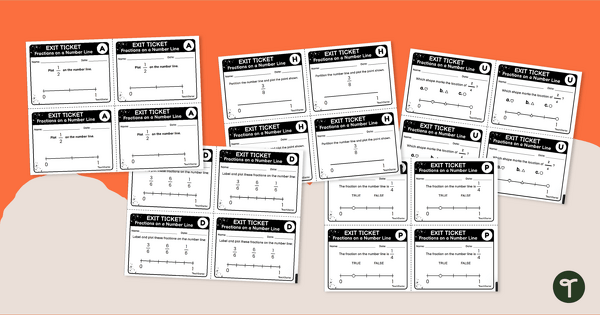
Fractions on a Number Line - Exit Tickets
Assess your student's ability to represent fractions greater than zero and less than or equal to one with a set of printable fractions on a number line exit tickets
- Plus Plan
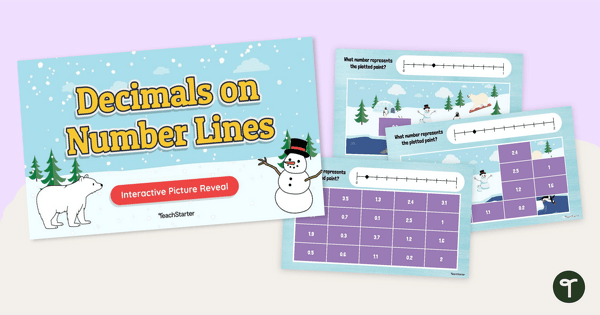
Decimals on Number Lines Interactive Mystery Picture
Sharpen numeracy skills by identifying decimals on a number line with an interactive mystery picture reveal.
- Plus Plan
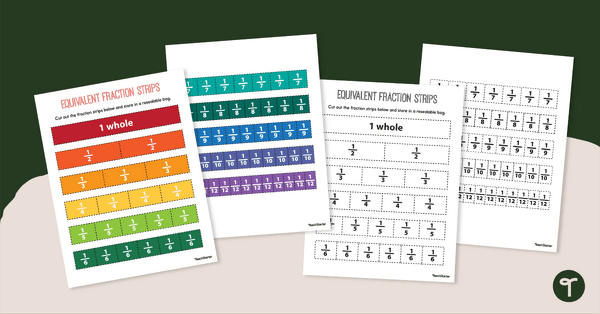
Fraction Strips
Print a set of fraction strips for the classroom! Keep the handy maths manipulative on hand for fraction games, showing equivalent fractions and more!
- Plus Plan
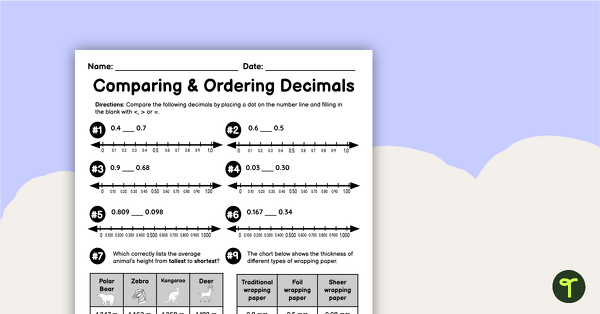
Comparing and Ordering Decimals Worksheet for Year 5
Practise using number lines to compare and order decimals with this worksheet.
- Plus Plan
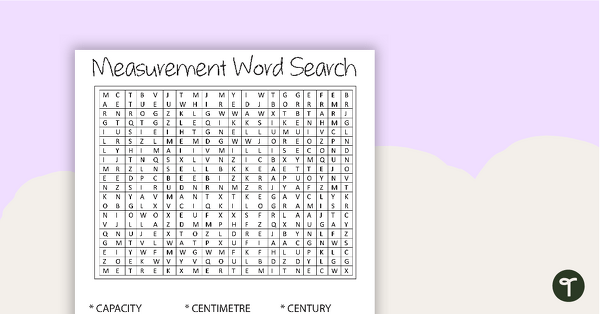
Measurement Word Search with Solution
A fun word search to help your students learn measurement vocabulary.
- Plus Plan
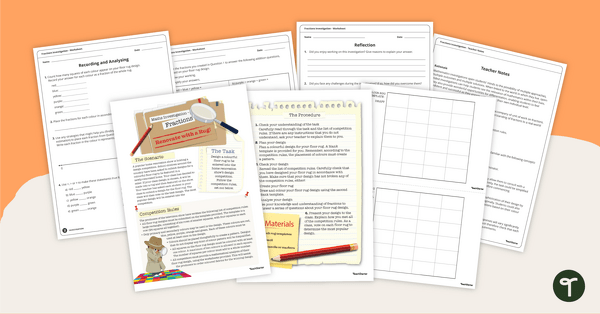
Adding and Subtracting Fractions Maths Investigation — Renovate with a Rug!
Immerse your students in all things fractions with this maths project based around a real-world scenario.
- Plus Plan
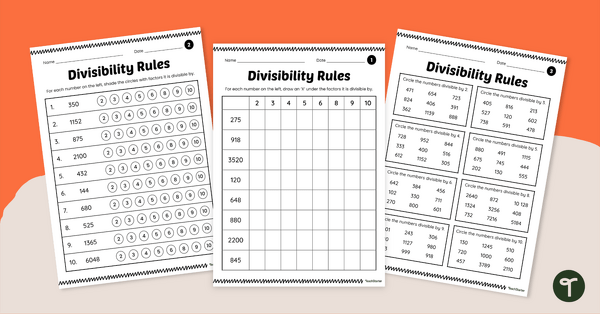
Divisibility Rules Worksheet Set
Use this divisibility rules worksheet set to give your students varied practice finding the factors of given numbers.
- Plus Plan
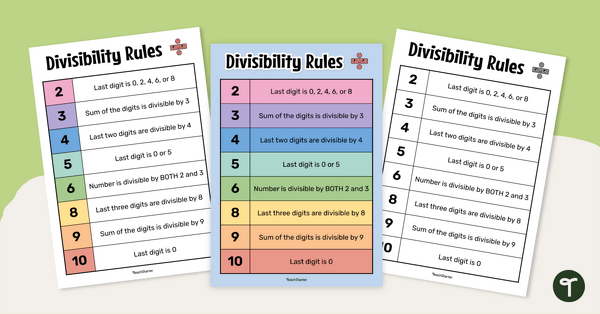
Divisibility Rules Chart
Hang our Divisibility Rules Chart in your classroom to give students a quick and easy reference for the rules of divisibility.
- Plus Plan
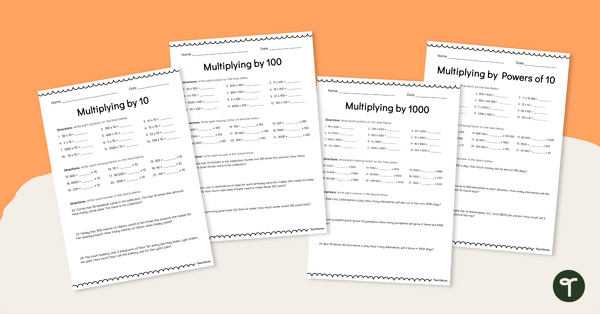
Multiply by Powers of 10 Worksheet Set
Use our multiply by powers of 10 worksheet set to give your students practise multiplying whole numbers by 10, 100 and 1000.
- Plus Plan
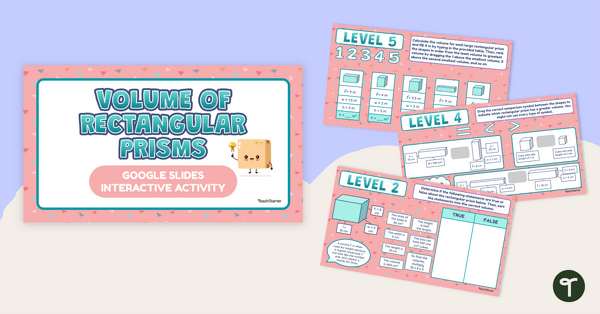
Interactive Volume Activities
Give students our engaging interactive volume activities to present them with a variety of volume problems in eight different challenges.
- Plus Plan
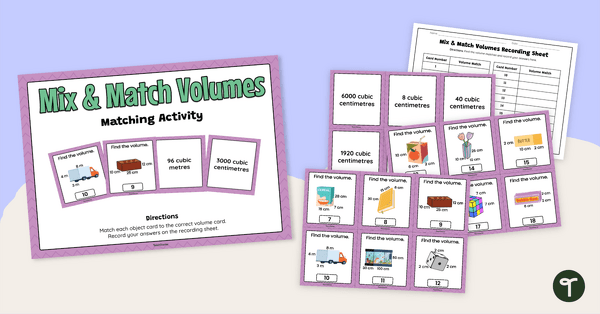
Matching Activity for Volume
Provide your students with this matching activity for volume to give them practice finding the volume of objects they see in the real world.
- Plus Plan
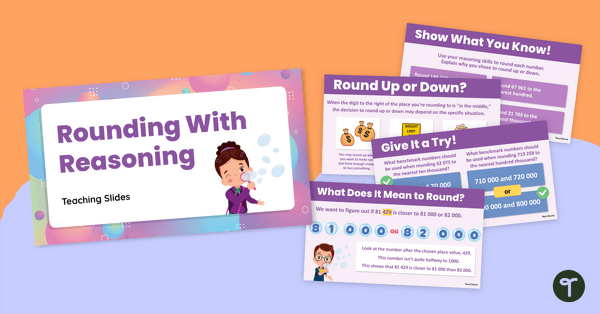
Rounding PPT — "Rounding With Reasoning"
Use this engaging rounding PPT to teach your students to round with reasoning — not rules!
- Plus Plan
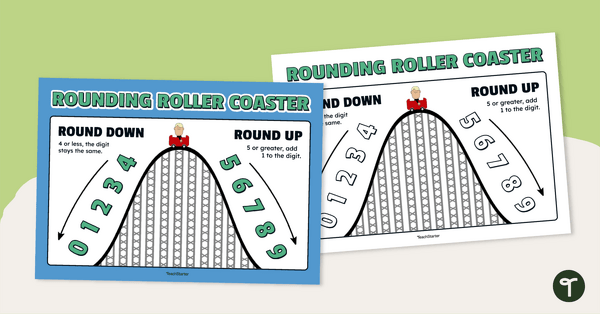
Rounding Anchor Chart — Rounding Roller Coaster!
Hang our rounding anchor chart in your classroom for a fun reminder of how to round numbers — roller coaster style!
- Plus Plan
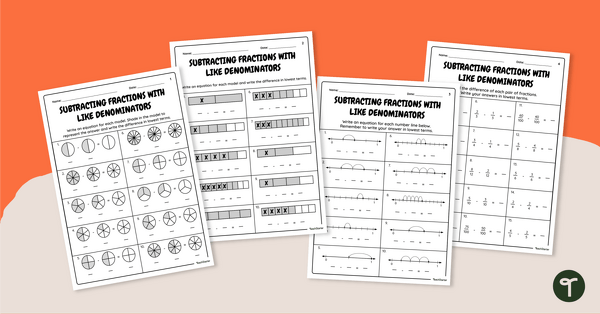
Subtracting Fractions With Like Denominators Worksheets
Download this set of subtracting fractions with like denominators worksheets to help your students practise this important maths skill.
- Plus Plan
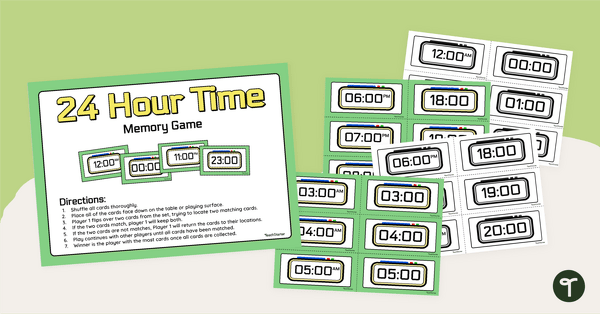
24-Hour Time Memory - Year 5 Maths Game
Practise converting 12-hour and 24-hour times with this fun 24-Hour Time Game.
- Plus Plan
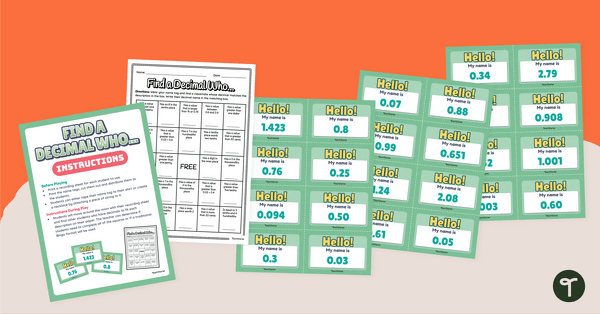
Decimal Place Value Game – Find A Decimal Who...
Explore decimal place value with your students using an interactive whole-class game.
- Plus Plan
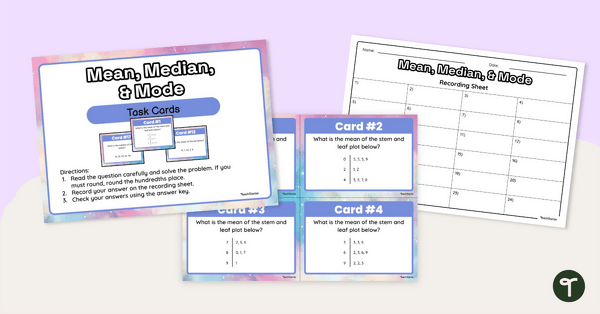
Mean Median and Mode Task Cards
Use this set of 24 data interpretation task cards to teach students to find the mean, median and mode of a limited data set.
- Plus Plan
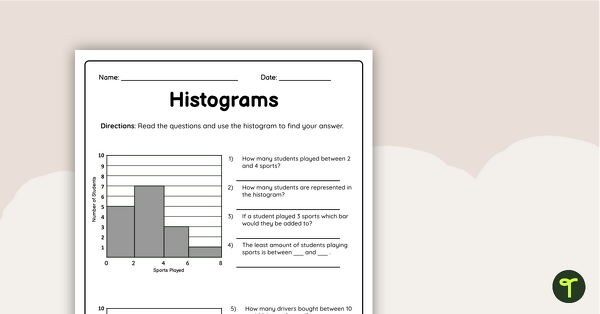
Histograms Worksheet
Encourage your students to practise reading and creating histogram graphs using this double-sided worksheet with answer key included.
- Plus Plan
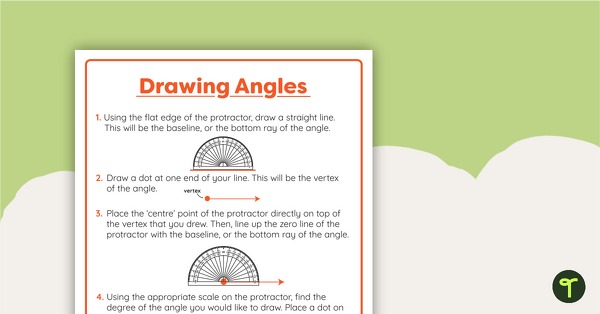
Drawing Angles Poster
Remind your students how to draw angles using a protractor with this classroom anchor chart.
- Free Plan
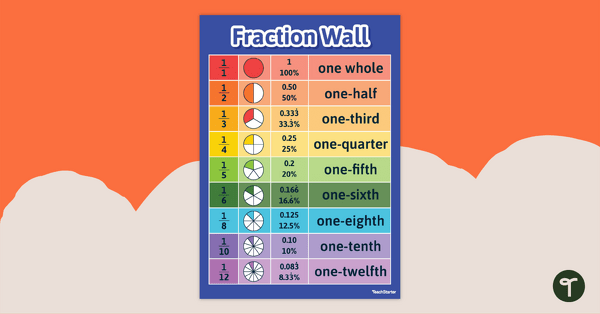
Representations of Unit Fractions Poster
Display this free poster in your classroom showing representations of common unit fractions.
- Plus Plan
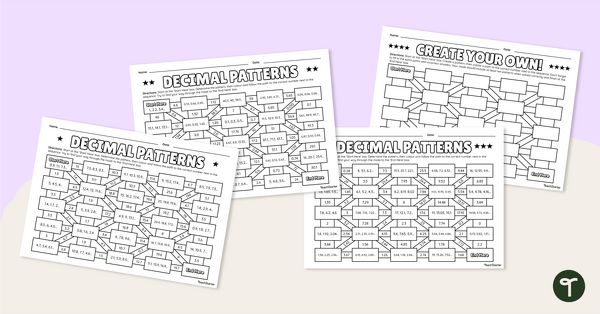
Decimal Patterns Maths Mazes
Find your way through this set of maths mazes by determining the addition or subtraction pattern in a sequence of decimal numbers.
- Plus Plan
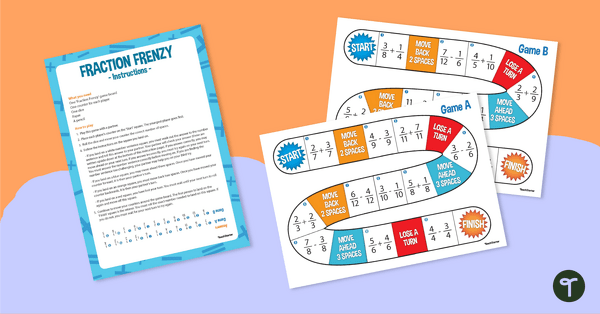
Adding and Subtracting Fractions Board Game
Use this adding and subtracting fractions game as a fun alternative to worksheets.
- Free Plan
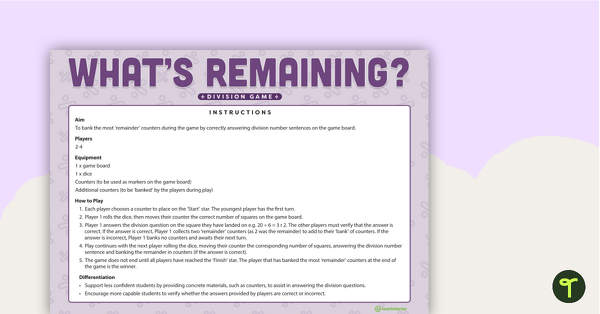
What's Remaining? Division Board Game
A fun board game to play to when learning to solve division problems involving remainders.
- Plus Plan
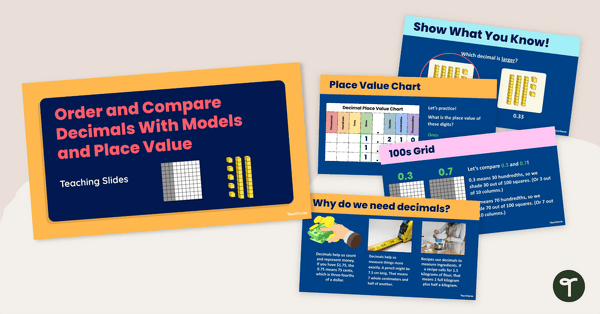
Order and Compare Decimals With Models and Place Value — Teaching Slides
Teach your students to order and compare decimals with models and place value with these teaching slides that feature decimals represented as fractions, MAB blocks and 100s grids.
- Free Plan
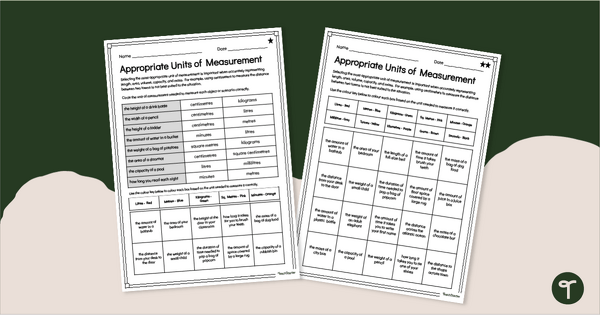
Appropriate Units of Measurement – Worksheets
Help students learn to choose appropriate units of measurement with a set of differentiated measurement handouts.
- Plus Plan
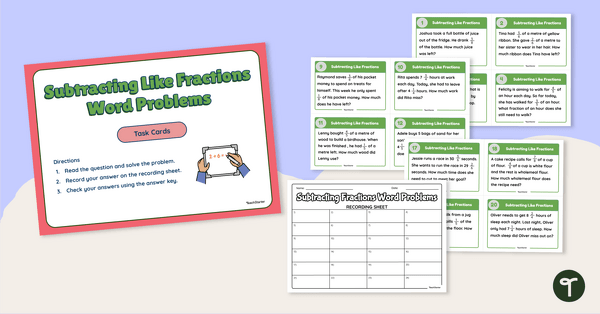
Subtracting Like Fractions Word Problems Task Cards
Use this set of subtracting fractions with like denominators word problems to help your students put their fraction computation skills into practice!
- Plus Plan
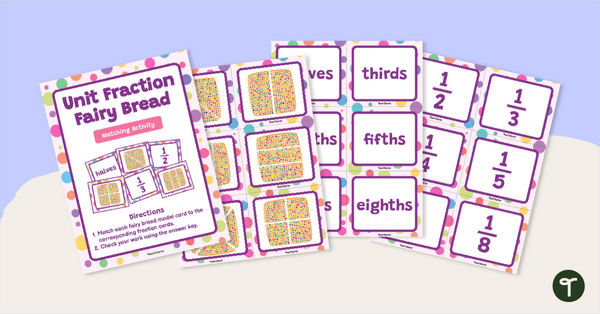
Unit Fraction Fairy Bread Matching Activity
Sort and match fairy bread model cards to the corresponding unit fraction cards.
- Plus Plan
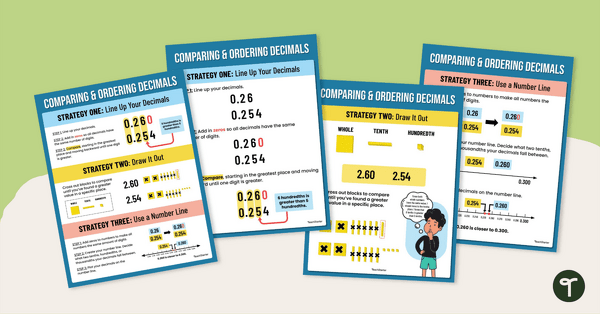
Comparing and Ordering Decimals Posters
Display different strategies for comparing and ordering decimals with this set of posters.
- Plus Plan
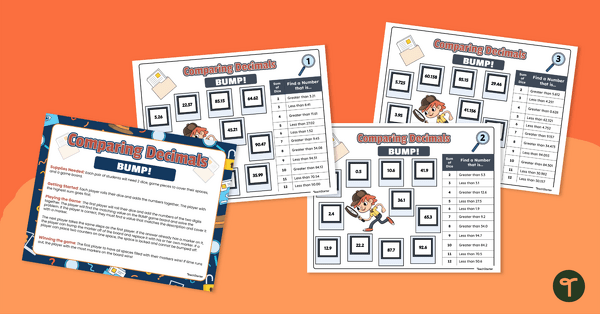
Comparing Decimals — Year 5 Bump Game
Compare decimals through the thousandths place with a comparing decimals game designed for year 5 students.
- Free Plan
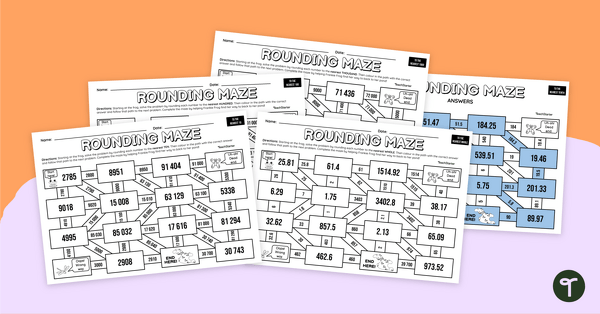
Rounding Numbers – Maths Mazes
Round numbers to various places while finding your way through this set of 5 maths mazes.
- Free Plan
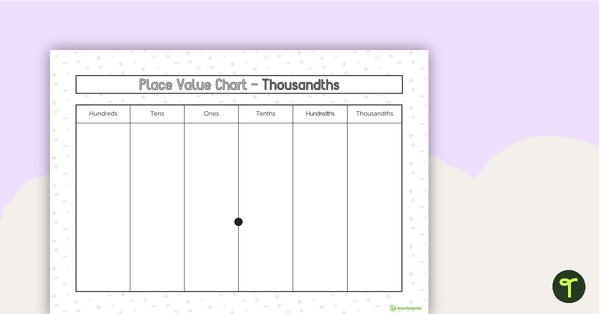
Place Value Chart - Thousandths Place
A blank place value chart to use when exploring decimal numbers.