Science
Science provides an empirical way of answering interesting and important questions about the biological, physical and technological world. The knowledge it produces has proved to be a reliable basis for action in our personal, social and economic lives. Science is a dynamic, collaborative and creative human endeavour arising from our desire to make sense of our world through exploring the unknown, investigating universal mysteries, making predictions and solving problems. Science aims to understand a large number of observations in terms of a much smaller number of broad principles. Science knowledge is contestable and is revised, refined and extended as new evidence arises.
The Australian Curriculum: Science provides opportunities for students to develop an understanding of important science concepts and processes, the practices used to develop scientific knowledge, of science’s contribution to our culture and society, and its applications in our lives. The curriculum supports students to develop the scientific knowledge, understandings and skills to make informed decisions about local, national and global issues and to participate, if they so wish, in science-related careers.
In addition to its practical applications, learning science is a valuable pursuit in its own right. Students can experience the joy of scientific discovery and nurture their natural curiosity about the world around them. In doing this, they develop critical and creative thinking skills and challenge themselves to identify questions and draw evidence-based conclusions using scientific methods. The wider benefits of this ‘scientific literacy’ are well established, including giving students the capability to investigate the natural world and changes made to it through human activity.
The ability to think and act in scientific ways helps build the broader suite of capabilities in students as confident, self-motivated and active members of our society.
- Plus Plan
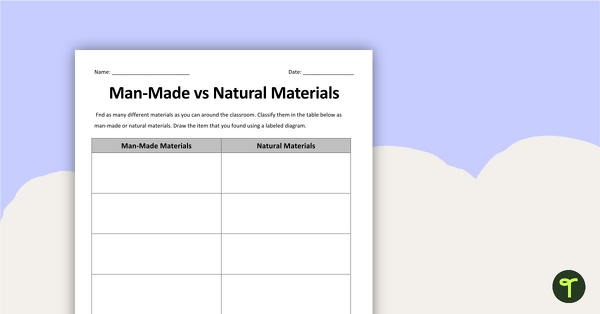
Man-Made vs Natural Materials Worksheet
Identify man-made and natural materials in the classroom with a gallery walk organiser.
- Plus Plan
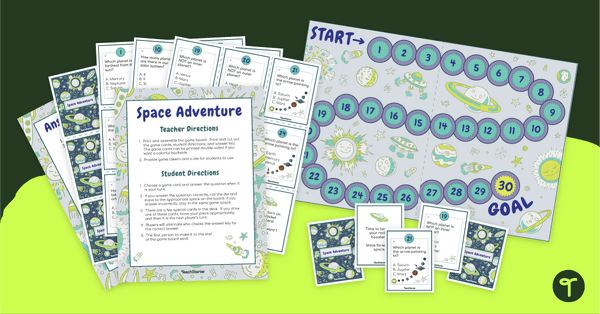
Space Adventure Board Game
Review the order of the planets with a fun space adventure board game.
- Plus Plan
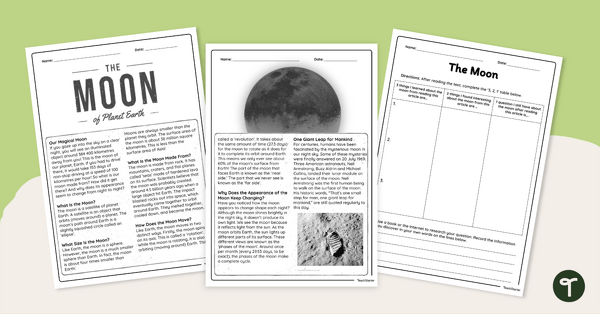
The Moon of Planet Earth Worksheet
Engage your students with a high-interest reading passage about the moon with this informative article and accompanying response sheet.
- Plus Plan
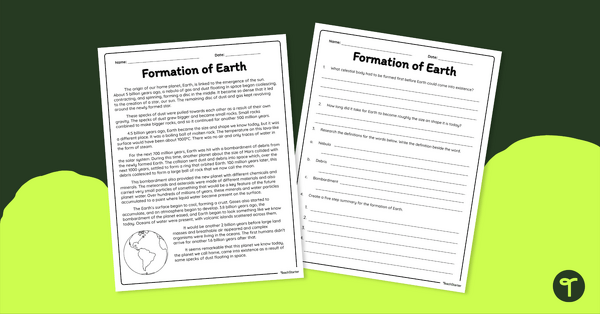
Formation of Earth - Reading Comprehension Worksheet
Combine reading and science content with a reading comprehension worksheet that focuses on the formation of Earth.
- Plus Plan
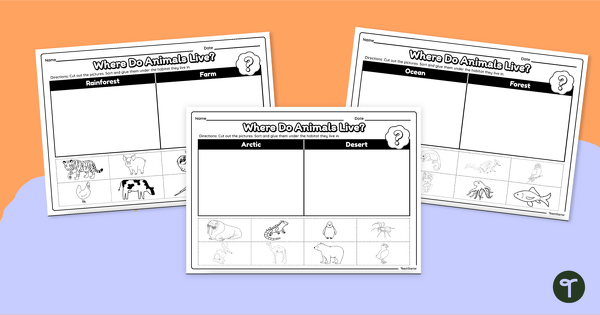
Animals and Their Habitats - Cut and Match Worksheets
Match animals with their habitats with a set of cut and paste worksheets.
- Plus Plan
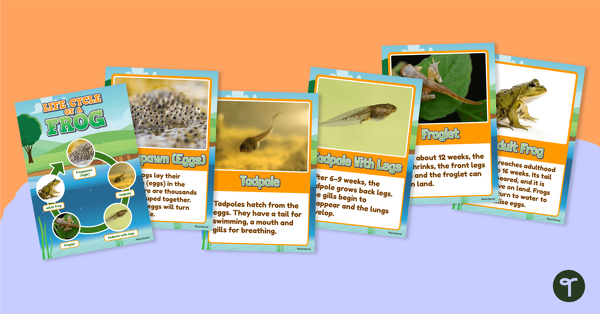
Life Cycle of a Frog – Poster Pack
Display information about the life cycle of a frog with this set of six posters.
- Plus Plan
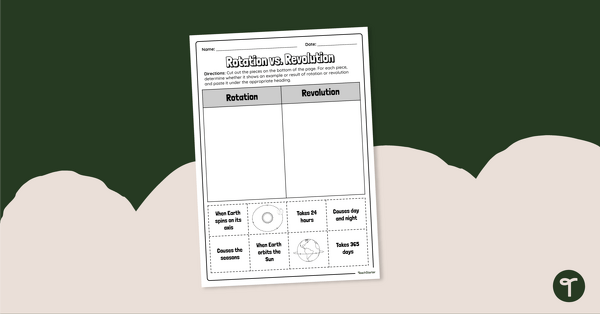
Rotation vs. Revolution – Cut and Paste Worksheet
Demonstrate an understanding of rotation vs. revolution with this cut and paste worksheet.
- Plus Plan
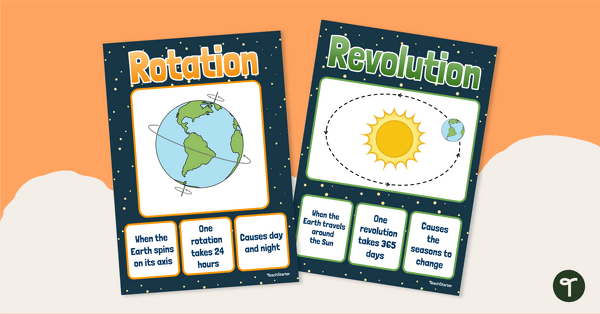
Rotation vs. Revolution Poster Set
Display information in your classroom about the differences between rotation and revolution with this poster set.
- Plus Plan
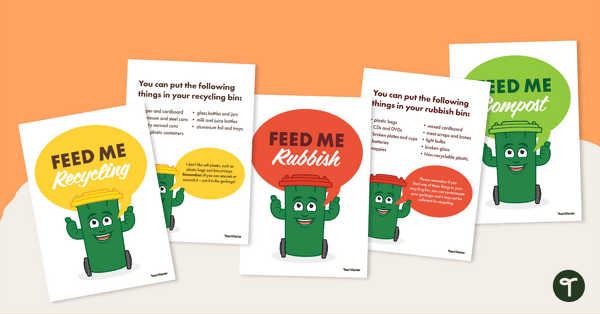
Rubbish Bin Posters - Rubbish, Recycling and Compost
Posters outlining what can be put in the different types of bins.
- Plus Plan
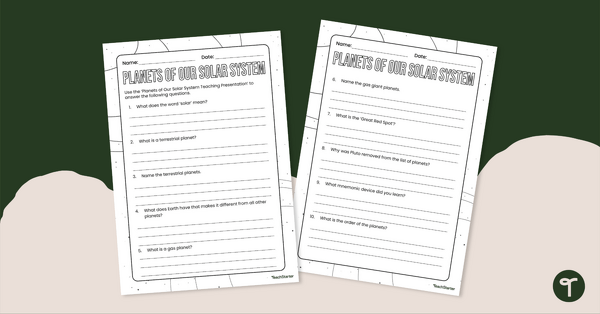
Planets of Our Solar System – Worksheet
Use this worksheet to review planet order, features and classifications.
- Free Plan
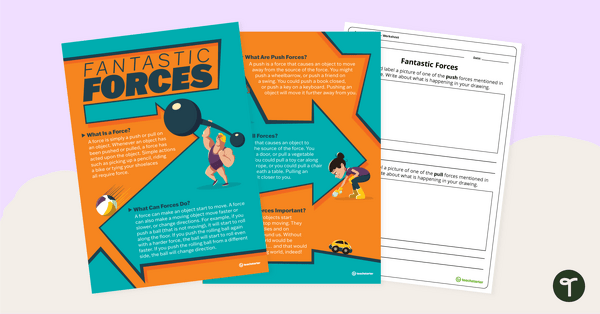
Fantastic Forces Comprehension Worksheet
Download this forces reading comprehension worksheet to teach your Year 4 students about push and pull forces.
- Plus Plan
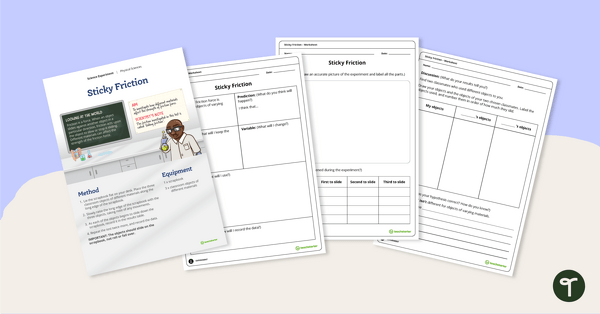
Friction Experiment – Sticky Friction
Use this engaging friction experiment when teaching your students about sliding friction and the effect it has on the movement of objects.
- Plus Plan
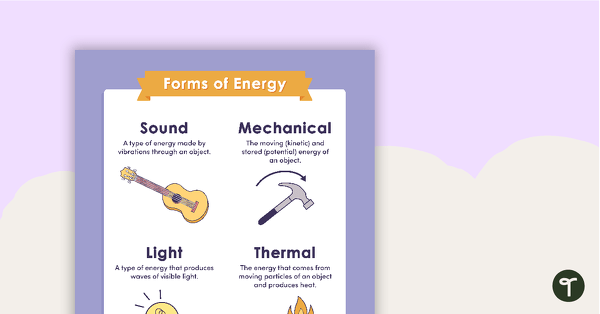
Forms of Energy Poster
A poster to display in the classroom that shows different forms of energy.
- Plus Plan
The Daytime Sky - Worksheet
Explores features of the daytime sky with this one-page worksheet.
- Plus Plan
Day and Night, Night and Day Worksheet
Compare day and night with this one-page worksheet.
- Plus Plan
In the Shadows Worksheet
A worksheet that explores the difference between shadows.
- Plus Plan
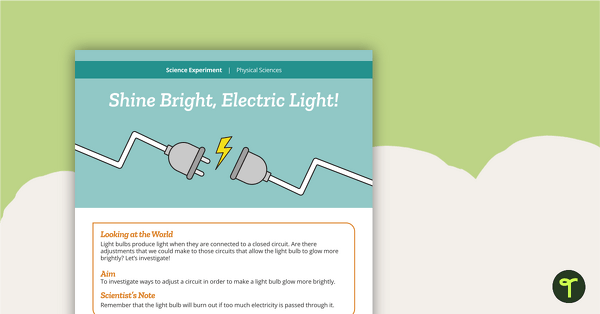
Science Experiment - Shine Bright, Electric Light!
A science experiment that investigates how changes to electrical circuits affects their components.
- Plus Plan
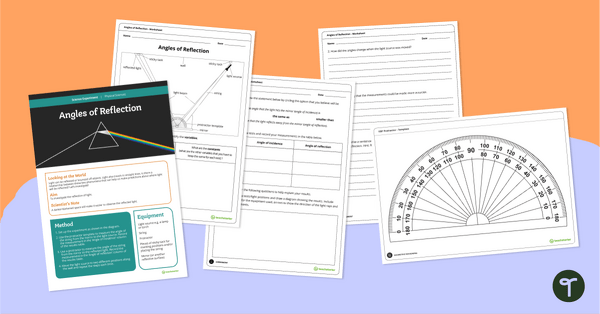
Science Experiment - Angles of Reflection
A science experiment that explores reflected light.
- Plus Plan
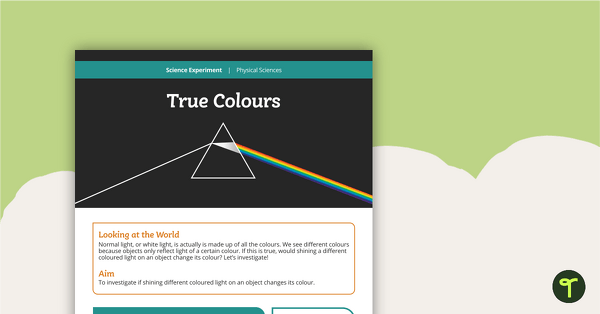
Science Experiment - True Colours
A science experiment that explores the perception of colour.
- Plus Plan
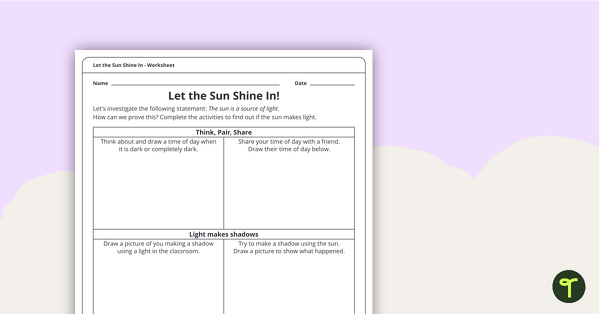
Let the Sun Shine In! - Worksheet
A worksheet to use when exploring the sun as a light source.
- Plus Plan
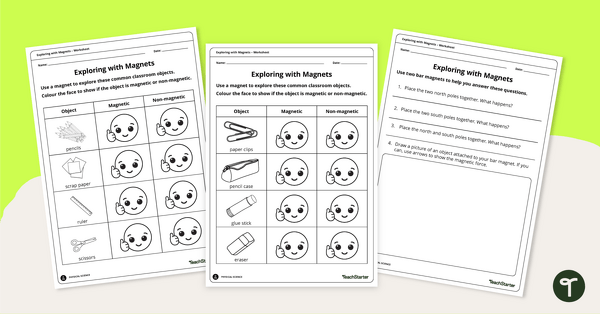
Exploring Magnets Worksheets
Download this magnetic or non-magnetic worksheet to use when exploring magnetism in your primary school science lessons.
- Free Plan
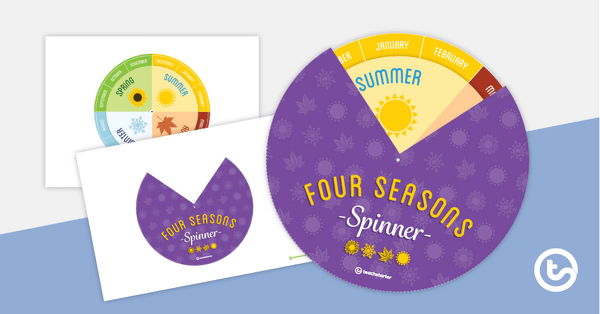
Four Seasons Spinner Activity — Southern Hemisphere
Print a four seasons spinner activity to expand students' understanding of the different times of the year.
- Plus Plan
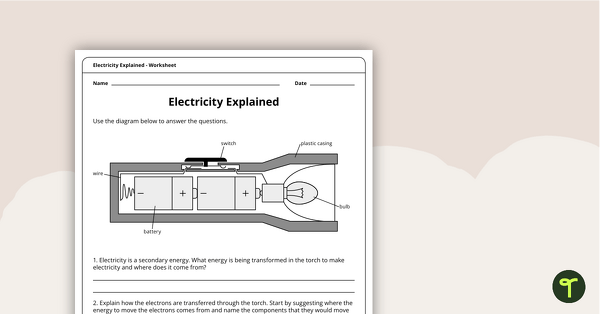
Electricity Explained Worksheet
A worksheet that explores the concept of electricity.
- Free Plan
What About Me? Other Regions and Objects of the Solar System
Explore other features in the solar system besides the sun and the planets with this one-page worksheet.
- Plus Plan
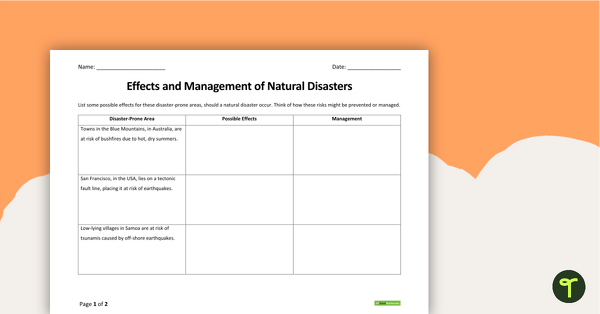
Natural Disasters Effects and Management Worksheet
An activity to use when exploring the potential effects of natural disasters, and how to manage these.
- Plus Plan
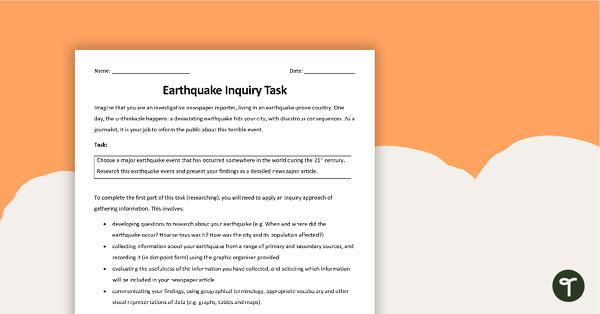
Earthquake Inquiry Task – Newspaper Report
An earthquake inquiry task with graphic organiser and newspaper article planning sheet.
- Plus Plan
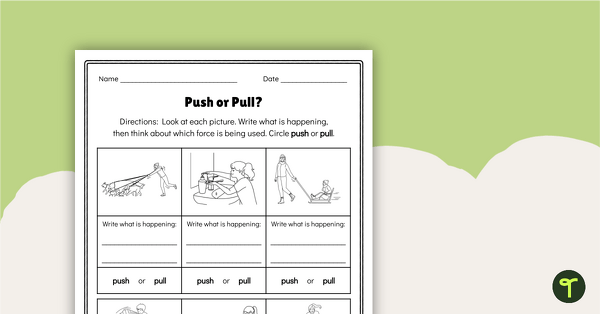
Push or Pull? Worksheet
Use this push or pull worksheet when exploring forces and motion in your early years science lessons.
- Plus Plan
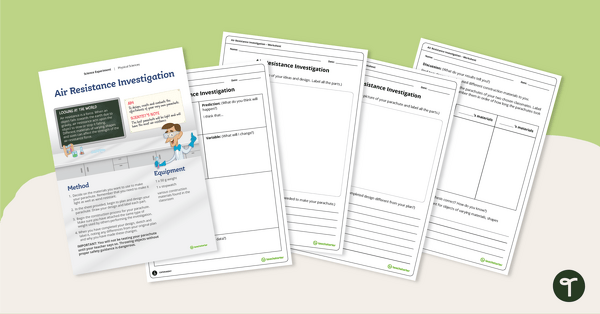
Air Resistance Force Investigation
Use this engaging air resistance force experiment when teaching your students about air friction and the effect it has on the effectiveness of a parachute.
- Plus Plan
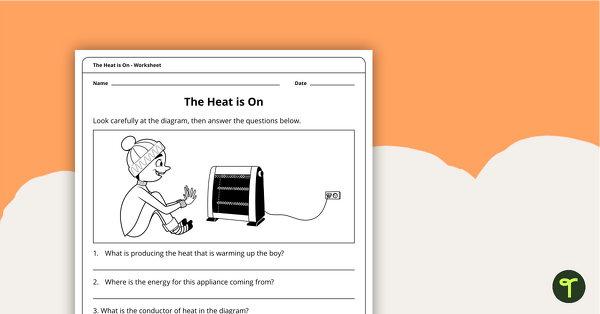
The Heat is On Worksheet
A worksheet to consolidate your students' understanding of heat energy.
- Plus Plan
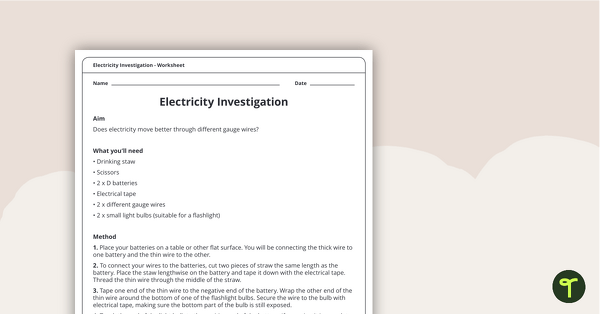
Electricity Investigation - Worksheet
An investigation of whether electricity moves better through different wire gauges.
- Plus Plan
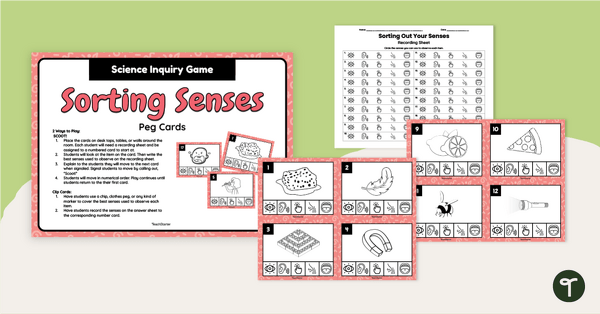
Sorting Senses Card Game
Help your little learners observe the world with their five senses with a printable 5 Senses Card Game.
- Plus Plan
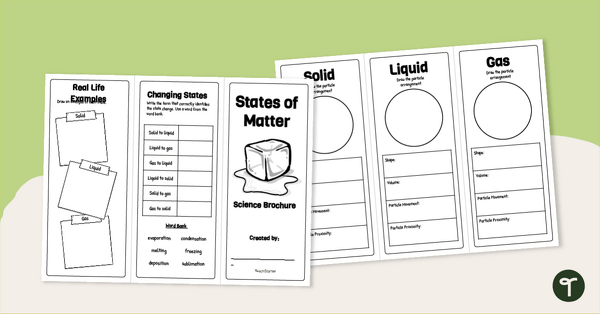
Forms of Matter Brochure Template
Introduce your students to the three states of matter with a printable Forms of Matter Foldable Brochure Template.