Science
Science provides an empirical way of answering interesting and important questions about the biological, physical and technological world. The knowledge it produces has proved to be a reliable basis for action in our personal, social and economic lives. Science is a dynamic, collaborative and creative human endeavour arising from our desire to make sense of our world through exploring the unknown, investigating universal mysteries, making predictions and solving problems. Science aims to understand a large number of observations in terms of a much smaller number of broad principles. Science knowledge is contestable and is revised, refined and extended as new evidence arises.
The Australian Curriculum: Science provides opportunities for students to develop an understanding of important science concepts and processes, the practices used to develop scientific knowledge, of science’s contribution to our culture and society, and its applications in our lives. The curriculum supports students to develop the scientific knowledge, understandings and skills to make informed decisions about local, national and global issues and to participate, if they so wish, in science-related careers.
In addition to its practical applications, learning science is a valuable pursuit in its own right. Students can experience the joy of scientific discovery and nurture their natural curiosity about the world around them. In doing this, they develop critical and creative thinking skills and challenge themselves to identify questions and draw evidence-based conclusions using scientific methods. The wider benefits of this ‘scientific literacy’ are well established, including giving students the capability to investigate the natural world and changes made to it through human activity.
The ability to think and act in scientific ways helps build the broader suite of capabilities in students as confident, self-motivated and active members of our society.
- Plus Plan
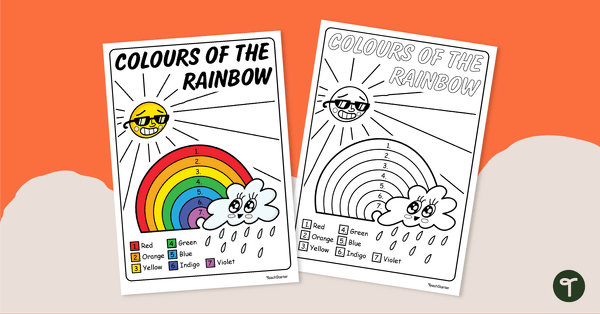
Colours of the Rainbow Poster
Teach the order of colours in the rainbow with this classroom poster and worksheet.
- Plus Plan
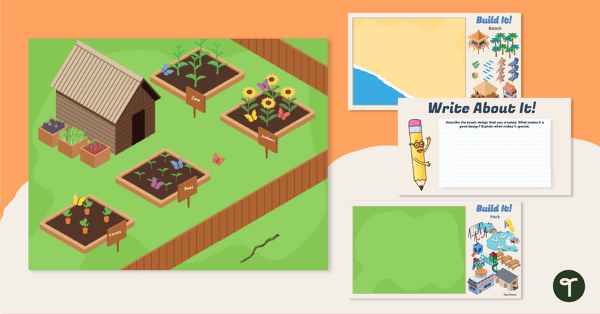
Build It! Interactive STEM Engineering Activity
Bring engineering into the digital classroom with an interactive design project.
- Plus Plan
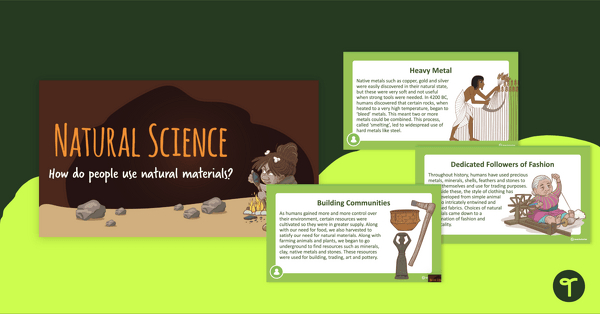
Natural Science PowerPoint - How Do People Use Natural Resources?
A teaching presentation discussing natural resources and how humans interact with them.
- Plus Plan
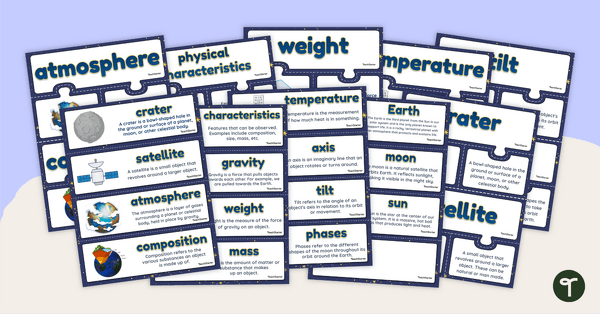
Earth, Sun and Moon – Vocabulary Cards and Puzzles
Reinforce science vocabulary with this set of word wall cards and vocabulary puzzles covering the Earth, sun and moon.
- Plus Plan
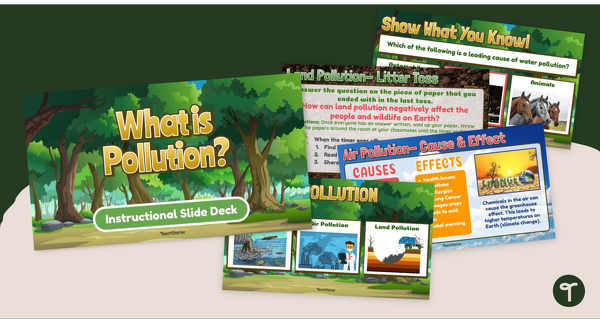
What is Pollution? PowerPoint Slideshow
Show your students the different types of pollution and their effects with an instructional PowerPoint on pollution.
- Plus Plan
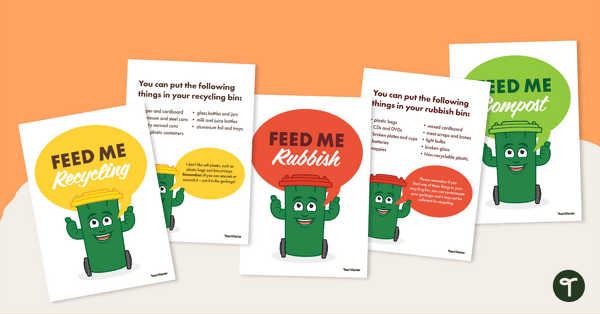
Rubbish Bin Posters - Rubbish, Recycling and Compost
Posters outlining what can be put in the different types of bins.
- Plus Plan
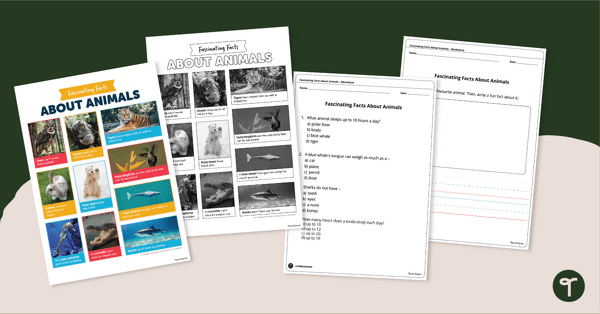
Fascinating Facts About Animals Worksheet
Build reading comprehension skills and learn about amazing animals with a printable year 1 reading comprehension worksheet pack.
- Plus Plan
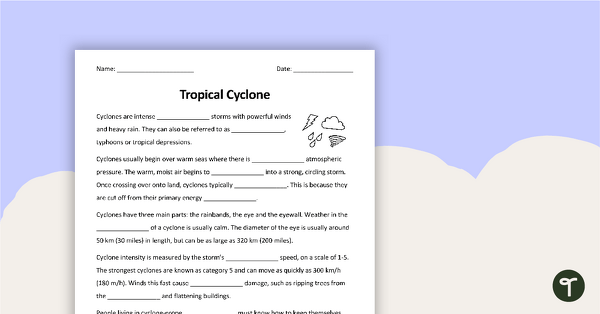
Tropical Cyclone Cloze Worksheet
A cloze worksheet about tropical cyclones.
- Plus Plan
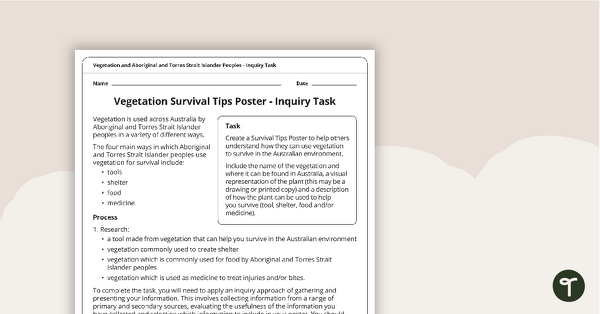
Survival Tips Inquiry Task
An inquiry-based assessment task for students to demonstrate their understanding of how vegetation is used across Australia by Aboriginal and Torres Strait Islander peoples in a variety of different ways.
- Plus Plan
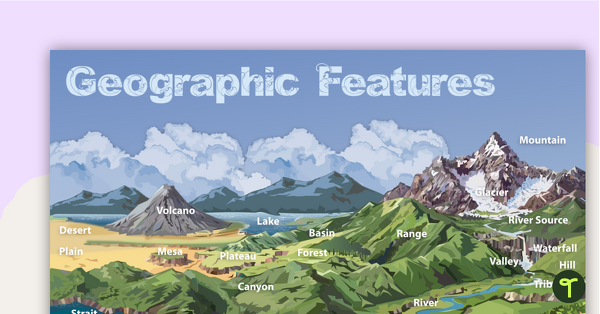
Geographic Landforms Features Poster and Worksheet
Add this poster of different types of geographic features of Earth to your classroom walls to provide a visual reference for students.
- Plus Plan
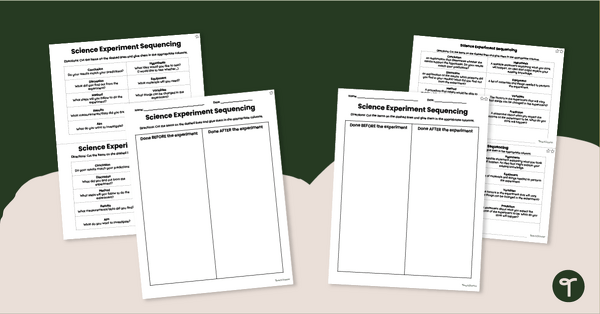
Experimental Design Worksheet - Scientific Method Cut and Paste
Sequence the steps in the scientific method with a pair of differentiated Experimental Design Worksheets.
- Plus Plan
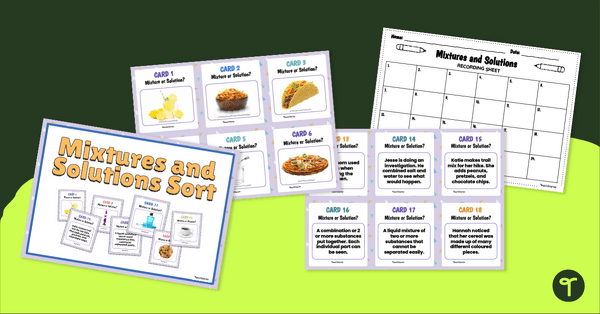
Mixtures and Solutions Sorting Activity
Distinguish between mixtures and solutions with this 24-card sorting activity.
- Plus Plan
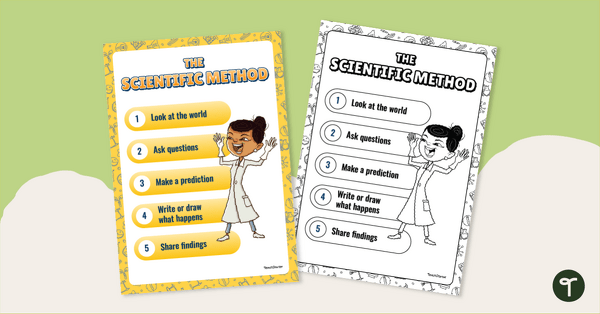
The Scientific Method Poster - Lower Years
Teach the five steps of the scientific method to younger students with a Scientific Method Poster.
- Plus Plan
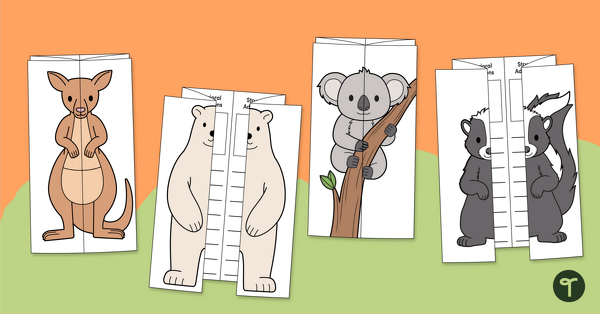
Animal Adaptations Foldables - Shutter Card Templates
Write and draw about the behavioural, structural and physiological adaptations of animals from around the world with a set of fun printable shutter card templates.
- Plus Plan
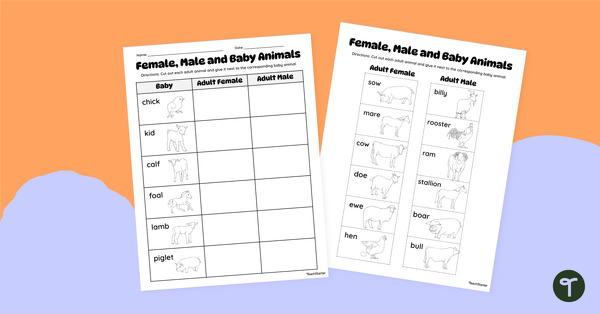
Animal Families Worksheet
Identify the names of female animals, male animals and their babies with an Animal Family Worksheet.
- Free Plan
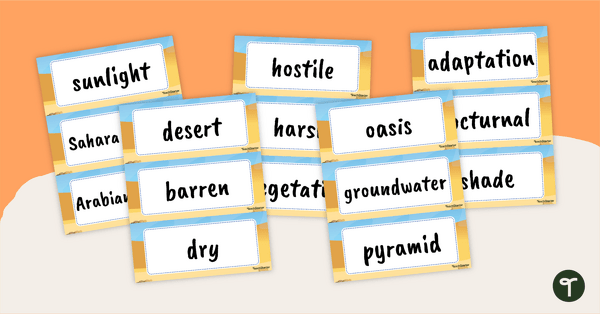
Desert Word Wall Vocabulary
Spark discussion and build academic vocabulary with a desert related vocabulary word wall.
- Plus Plan
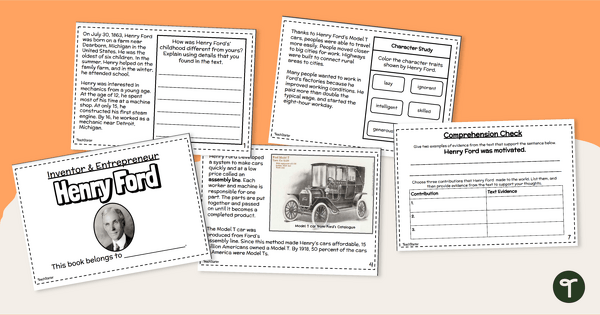
Henry Ford Mini Book - Famous Inventor Activity Book
Provide students with cross-curricular history, science and reading instruction with a printable Henry Ford mini book.
- Plus Plan
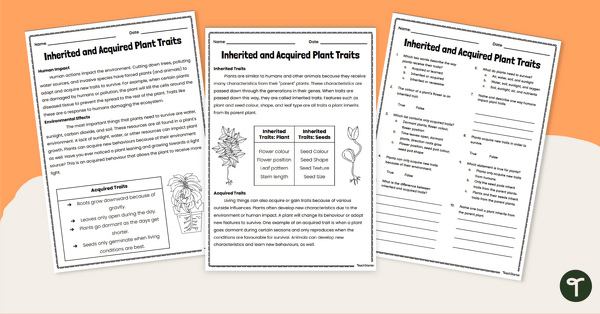
Inherited and Acquired Traits of Plants - Comprehension Worksheet
Read and learn about inherited and acquired traits in plants with a printable reading comprehension passage and worksheet.
- Plus Plan
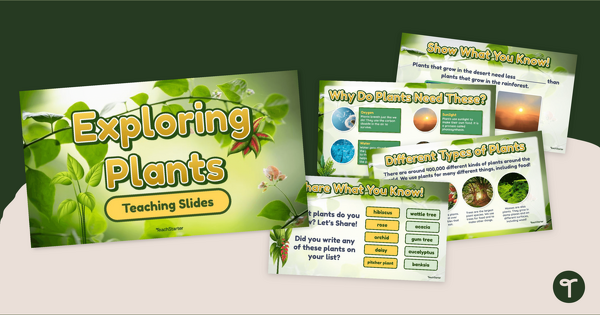
Exploring Plants PowerPoint
Explore the characteristics of plants in our environment with an interactive teaching slide presentation.
- Plus Plan
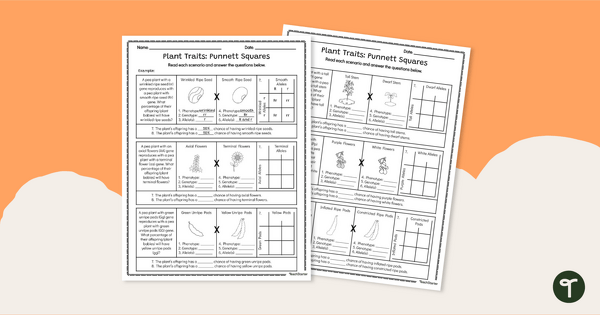
Punnett Square Worksheets
Predict the possible outcomes of combined traits of plants with a printable Punnett Square worksheet.
- Plus Plan
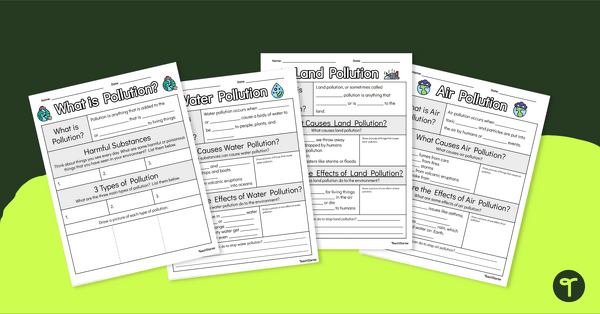
What is Pollution? Guided Note-Taking Worksheets
Provide your learners with an organised note-taking method with a pack of Pollution note-taking templates.
- Plus Plan
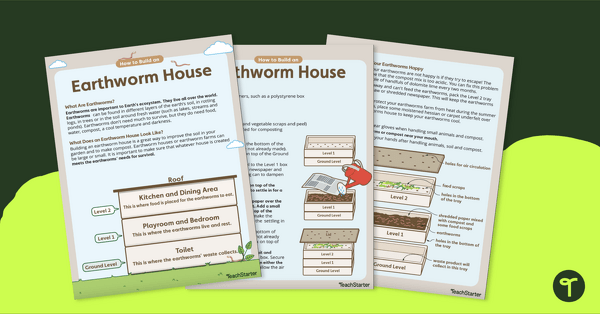
How to Build an Earthworm House Project
Learn to build an earthworm house with a comprehensive step-by-step guide.
- Plus Plan
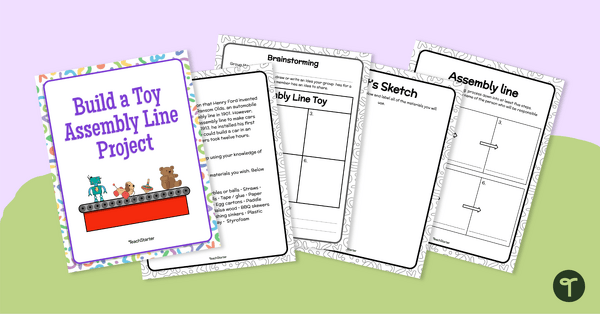
Assembly Line Production - STEAM Project
Engage your students in learning about the assembly line process with an exciting project-based task.
- Plus Plan
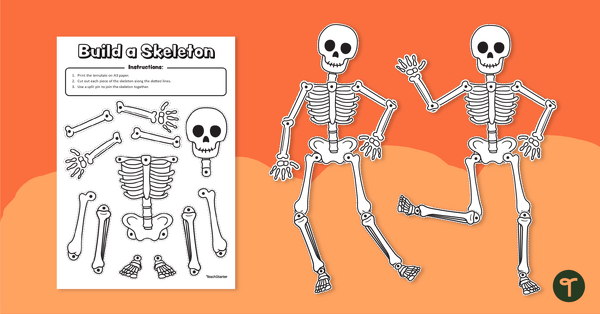
Movable Halloween Skeleton Template - Printable
Craft a bit of creepy classroom decor for Halloween with a Build Your Own Halloween Skeleton template.
- Plus Plan
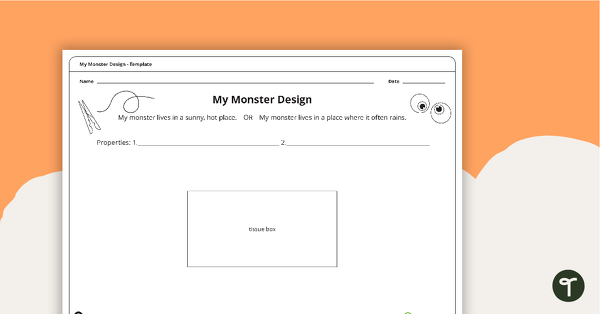
My Monster Design Template
A template to use for a design activity related to the properties of materials.
- Plus Plan
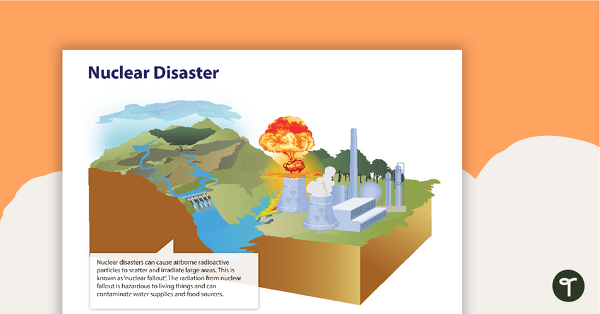
Man-made Disasters Posters with Information
A set of four man-made disaster posters with information.
- Plus Plan
Grouping Posters - Fruits
Group your students according to fruits using these Grouping Posters.
- Plus Plan
Groups Organiser Chart - BW
Use this groups organiser to split up your class into groups for rotational activities.
- Plus Plan
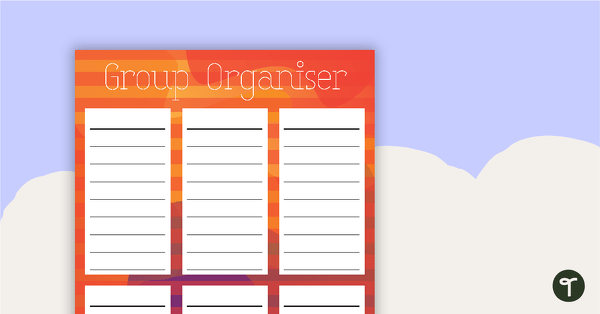
Groups Organiser Chart - Watercolour
Use this groups organiser to split up your class into groups for rotational activities.
- Plus Plan
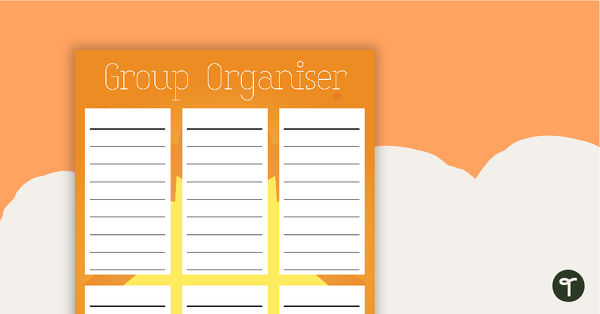
Groups Organiser Chart - Orange Starburst
Use this groups organiser to split up your class into groups for rotational activities.
- Plus Plan
Understanding States of Matter
An assessment task designed to assess students' knowledge and understanding of solids, liquids and gases, their properties and their behaviour.
- Plus Plan

Shelter Building Experiment
A 60 minute lesson in which students will investigate how a shelter can protect a living thing.