Games for Teachers
We don't have to tell you that fun classroom games are worth their weight in gold! Encouraging critical thinking, building social skills, and helping engage students with the curriculum? Yes, please. Get ready to bring game-based learning to your classroom with helpful printables, escape rooms, and more educational fun for elementary school students.
With a long list of benefits of learning games on hand, the teachers at Teach Starter have spent hours creating classroom card games, board games, scavenger hunts, and more that can help students build core competencies while having a whole lot of fun!
Game-based learning has gotten a lot of interest in recent years, but what exactly, is it? We know you've got a lot to do in your classroom and not a whole lot of time to do it, so our teacher team has put together a quick guide to gamification in education.
(Know all you need to know? Feel free to jump ahead to our printable and digital learning games!)
What Is Game-Based Learning?
In essence, game-based learning allows you to borrow from the gaming world to allow your students to engage with their lesson material in more dynamic ways. They can help improve student motivation and help students achieve learning objectives.
We like to think of it a bit like the parents who hide the broccoli inside the tasty hamburger. A little bit of gameplay helps the medicine — or core curriculum — go down!
Games aren't just fun, after all. They have failure baked into them, along with repetition, and the chance to accomplish goals along the way. Playing games in a classroom fosters many of those social and emotional learning skills, even when the topic at hand comes from the science curriculum or is focused on an ELA standard.
Why Are Classroom Games Good for Kids?
We hinted at some of the benefits earlier, but let's dig deep into the benefits of playing educational games in your classroom!
- They motivate students.
- Students develop critical thinking skills.
- They're student-centered.
- They build teamwork and leadership skills.
- Games encourage creativity and thinking outside of the box.
- They encourage students to challenge themselves.
- They improve student concentration.
Learning Games Ideas
Good teachers can make just about any lesson fun, but maybe you're looking for learning game ideas to mix things up. We thought you'd never ask!
Check out a few of our teacher team's favorite (and fun) ways to inject gameplay into your students' education:
- Digital escape rooms
- Card games
- Dominoes
- Active games
- Scavenger hunts
- Would you rather? games
- Bingo
- Board games
How to Use Games in the Classroom
Looking for a few fun ways to use games in the classroom? Our teacher team has a few quick ideas for you to try on for size!
- Play active games to help students get their wiggles out.
- Add a board game to your reading center or math center activities.
- Use flashcard-type or trivia games for material review.
- Explore new concepts in fun ways with games like 20 questions.
- Help students get to know one another at the beginning of a school year with teamwork games.
- Explore difficult concepts with skills-based games.
- Plus Plan
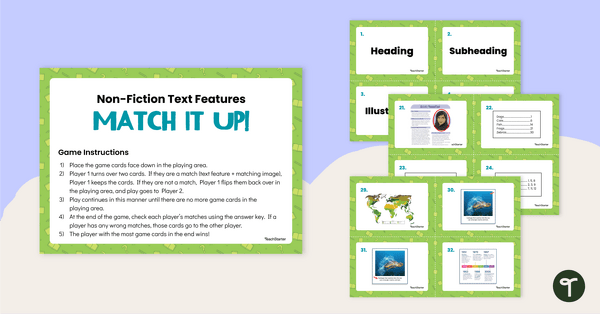
Nonfiction Text Features: Match It Up!
Download this nonfiction text features game to teach elementary school students about the common text features of informational texts.
- Plus Plan
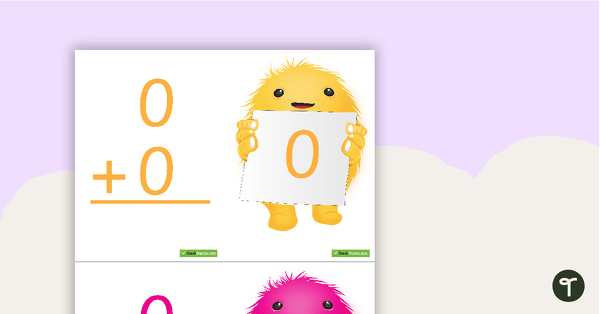
Addition Up To 20 - Monster Matchup Cards
A set of matchup cards to practice adding within 20.
- Free Plan
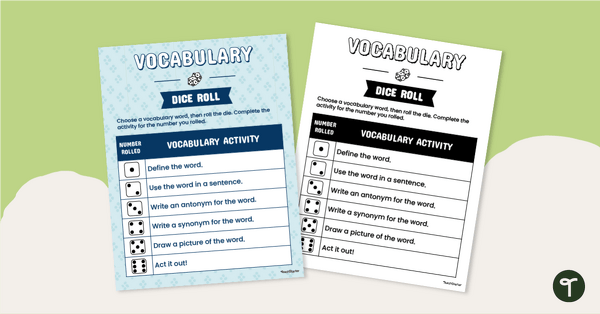
Dice Roll - Content Vocabulary Activity
Use our ‘Dice Roll’ Content Vocabulary Activity as an opportunity to help your students grow their vocabulary skills in the classroom.
- Free Plan
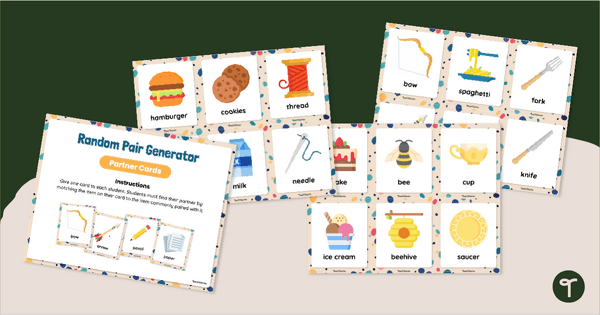
Random Pairing Generator - Partner Cards
Use these printable partner cards as a randomized pair generator when grouping students in the classroom.
- Plus Plan
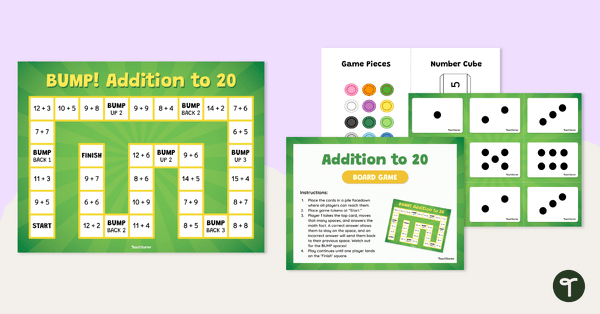
Bump! Addition to 20 Game
Practice subtraction facts to 20 with a fun math game.
- Free Plan
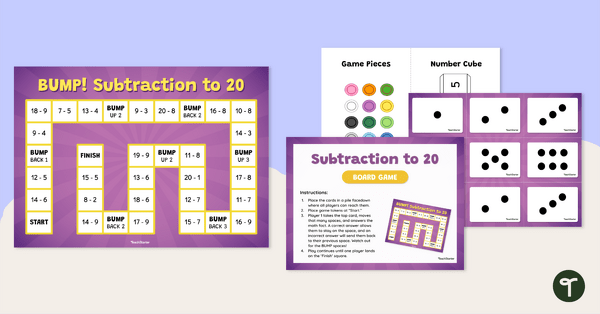
Bump! Subtraction to 20 Board Game
Practice subtraction facts to 20 with a fun and engaging math game.
- Plus Plan
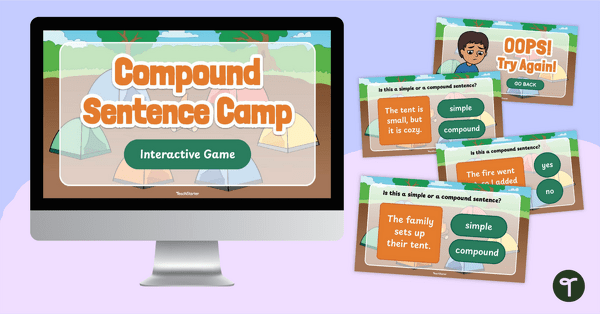
Compound Sentences Interactive Game
Use this camp-themed simple and compound sentences interactive game to help students practice identifying simple and compound sentences.
- Free Plan
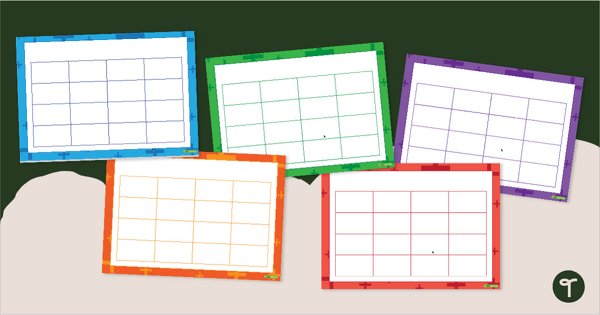
4x4 Blank Bingo Template Pack
Create your own bingo games with custom content using our Printable Bingo Template Pack.
- Plus Plan
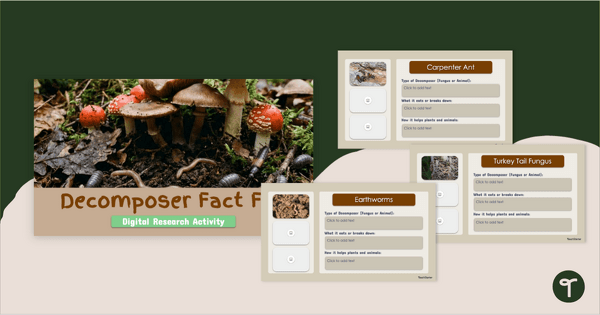
All About Decomposers Activity Deck - Digital Interactive Notebook
Research and explore decomposers and their roles in ecosystems with a Digital All About Decomposers Activity Slide Deck.
- Free Plan
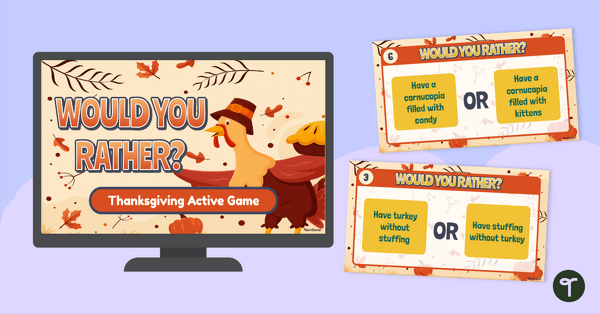
Thanksgiving Would You Rather? Game
Engage your students in thoughtful and hilarious discussions in an engaging, interactive game of Thanksgiving Would You Rather?
- Plus Plan
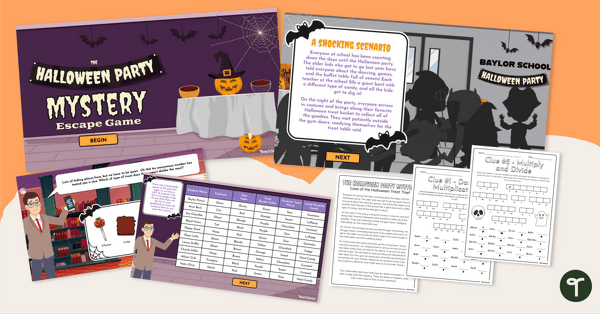
Halloween Escape Room - The Missing Treat Mystery - Multiplication and Division Facts
Solve the mystery of who stole all the treats from the Halloween Party with a Halloween Escape Room featuring multiplication and division.
- Plus Plan
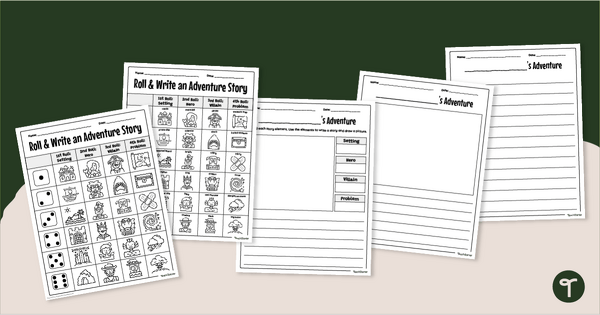
Roll an Adventure Story - Storytelling Dice Game
Roll and write an adventure story using our Roll An Adventure Storytelling Dice Game.
- Plus Plan
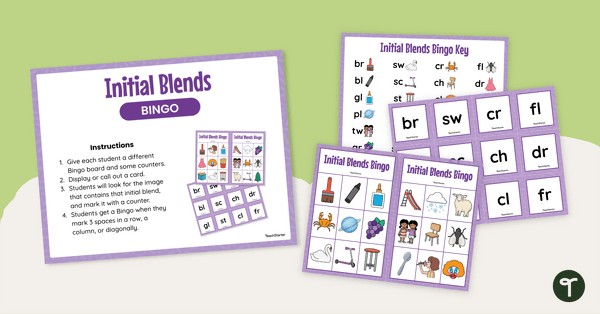
Initial Blends Game
Increase reading confidence with this initial blends game that engages learners while reviewing 22 beginning blends.
- Plus Plan
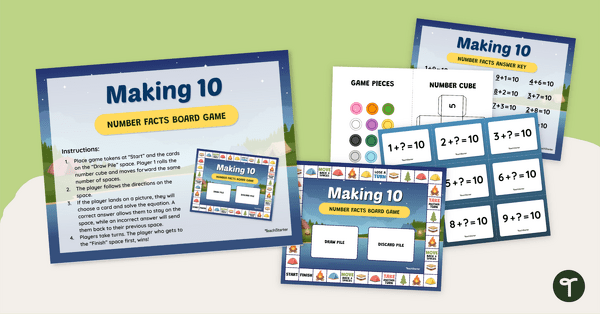
Adding Numbers Game Board: Making Ten Board Game
Introduce this Adding Numbers Game Board: Making Ten board game to your students to give them the practice using the “make a ten” addition strategy.
- Plus Plan
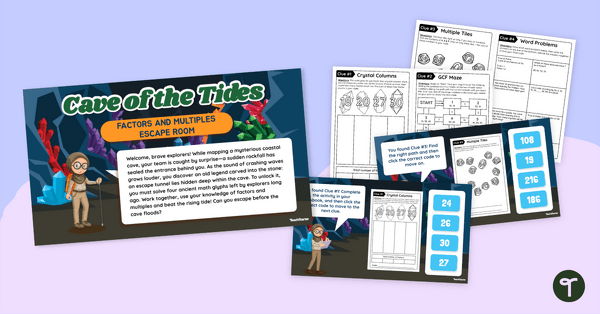
Factors and Multiples Game — "Cave of the Tides" Escape Room
“Escape” the ordinary with this factors and multiples game that will engage your students in math review as they search for a secret tunnel.
- Plus Plan
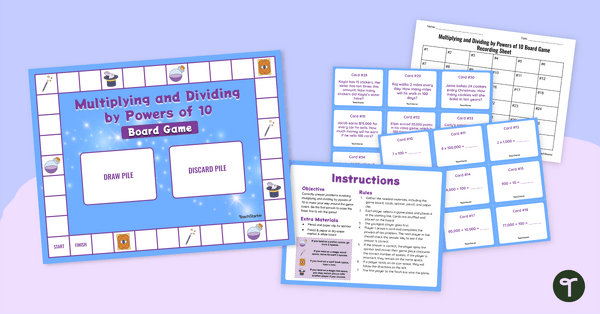
Dividing and Multiplying by Powers of 10 Game
Play this dividing and multiplying by powers of 10 game to give students practice multiplying and dividing whole numbers by 10, 100, and 1,000.
- Plus Plan
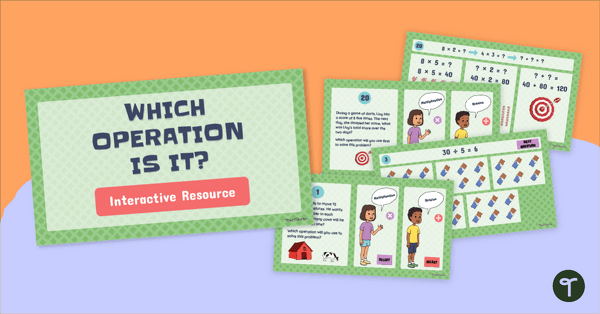
1 & 2-Step Story Problems With Multiplication and Division - Interactive Game
Practice solving one and two step story problems and have fun with our Multiplication and Division Word Problems Interactive Game.
- Plus Plan
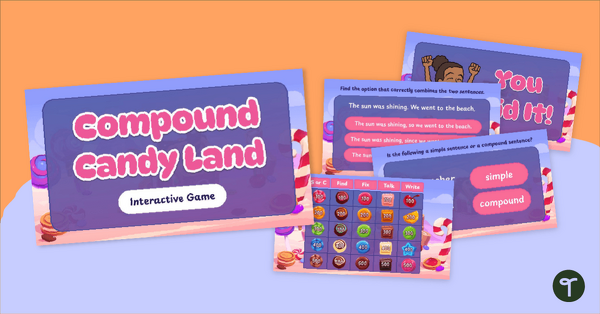
Compound Sentences Interactive Game
Play a Compound Sentences Interactive game to practice identifying, correcting, and writing compound sentences.
- Plus Plan
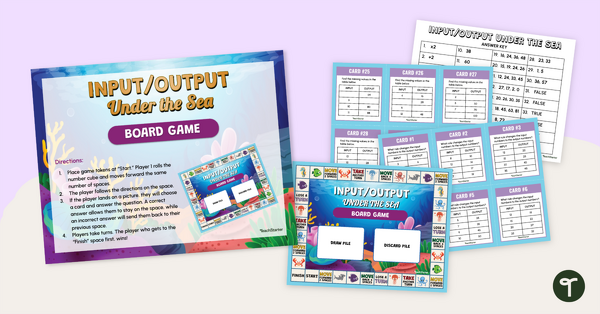
Input/Output Games — "Under the Sea" Board Game
Play input/output games like our “Under the Sea” board game to engage your students as they learn about algebraic patterns.
- Plus Plan
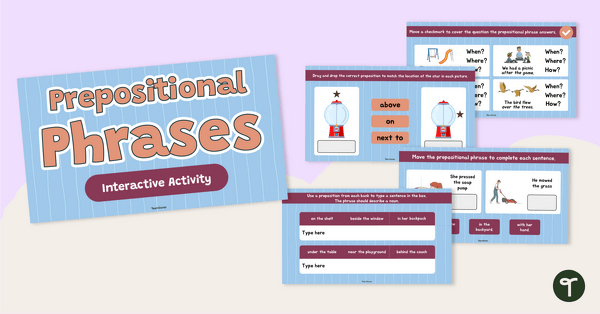
Prepositional Phrase Practice Interactive Activity
Enhance your grammar lessons with a digital prepositional phrase practice activity that engages students through interactive drag-and-drop, sorting and typing tasks.
- Plus Plan
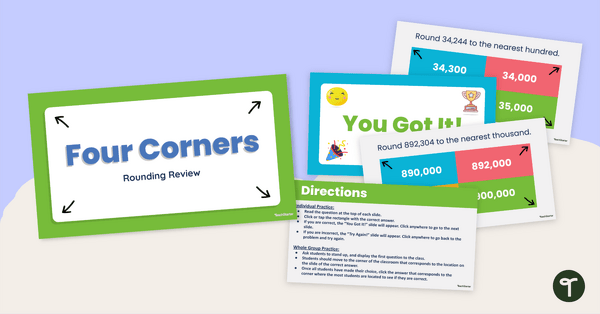
Interactive Rounding Game — "Four Corners"
Play this interactive rounding game with your class or assign it to individual students for a fun way to practice rounding whole numbers.
- Plus Plan
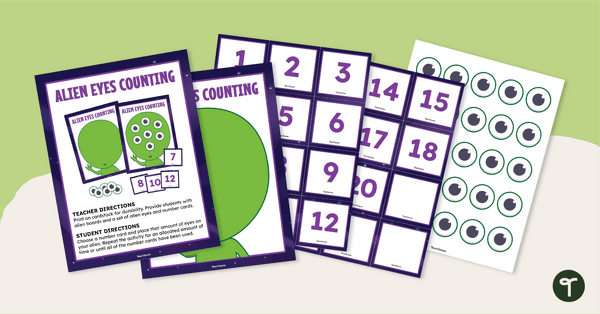
Counting 1-20 Number Game
Practice counting from 1-20 with this fun alien-themed counting game.
- Plus Plan
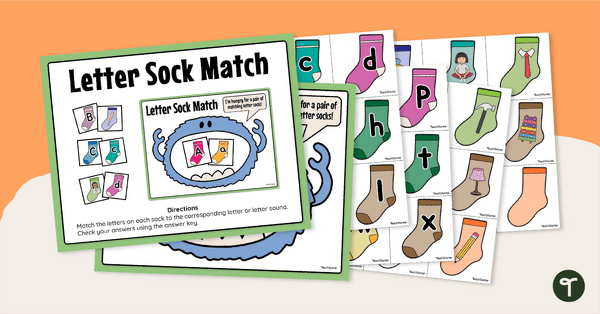
Sock Letter Matching Activity
Match socks together for a great letter matching activity where the lowercase letter, uppercase letter and beginning sounds are matched.
- Plus Plan
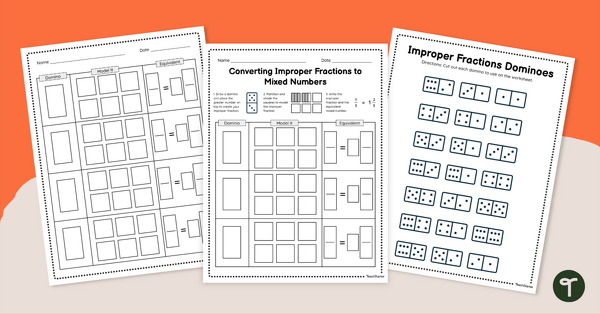
Converting Improper Fractions to Mixed Numbers Worksheet
Present this converting improper fractions to mixed numbers worksheet to your students to give them practice modeling and converting improper fractions.
- Plus Plan
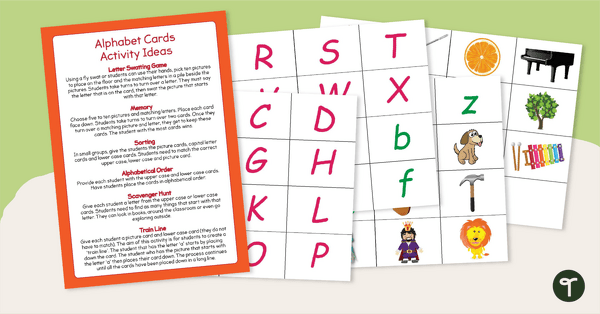
Alphabet Picture and Letter Cards
Practice letter recognition and letter sounds with this set of alphabet letter and picture cards.
- Plus Plan
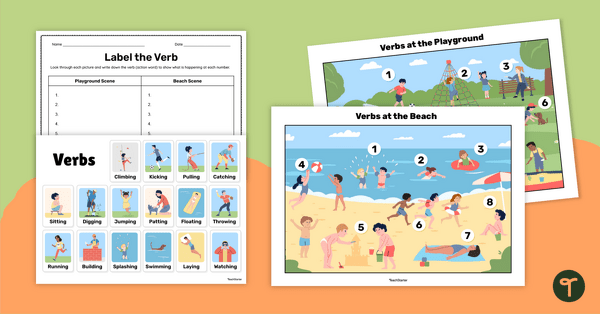
Verbs in Pictures Activity
Explore verbs in action using these scenes at the playground and beach.
- Plus Plan
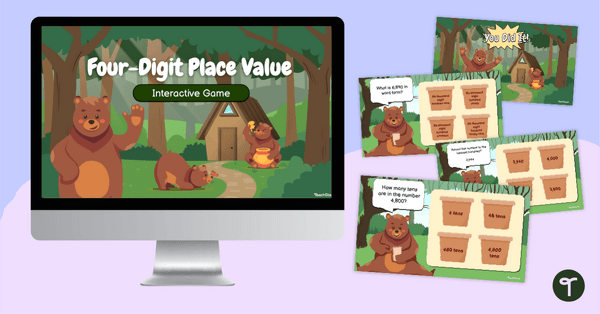
4-Digit Place Value Game - Interactive Review Activity
Review a variety of 3rd Grade place value standards with an engaging Google Slides Interactive Game!
- Plus Plan
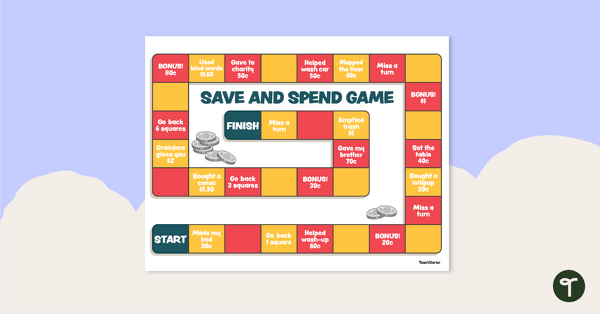
Spend and Save – Money Board Game
Use this money board game to introduce your students to the concept of money management.
- Free Plan
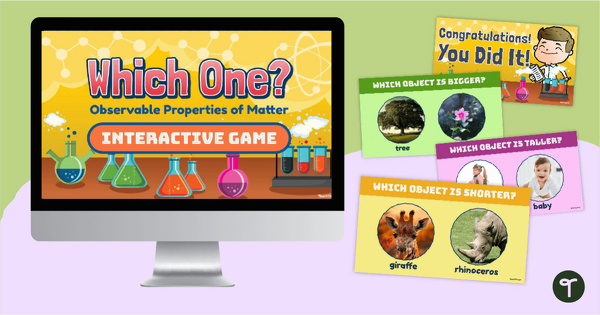
Observable Properties of Matter - Interactive Game
Practice observing the properties of matter with an engaging science game for kindergarten students.
- Plus Plan
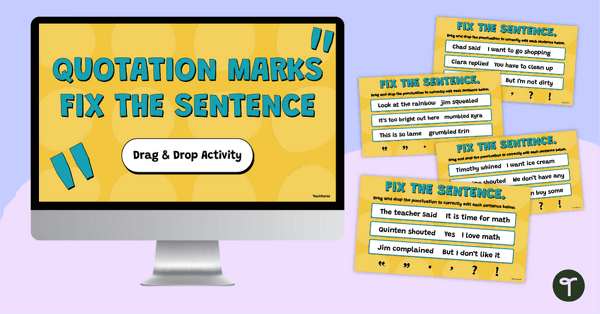
Fix the Sentence - Quotation Marks Practice Activity
Provide perfect punctuation practice with an engaging ‘Fix the Sentence’ Quotation Marks digital learning activity.
- Plus Plan
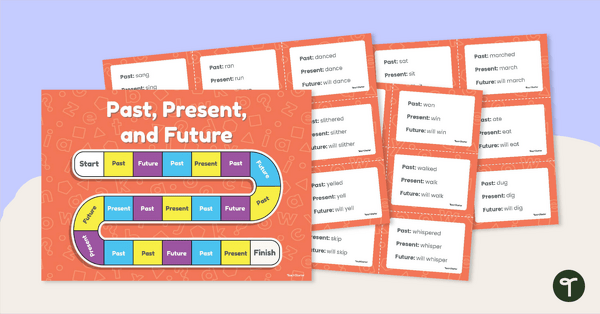
Past, Present and Future Tense Escape Room Game
Engage students with this past, present and future game that turns verb tense practice into an exciting escape room challenge where they apply skills to crack a secret code.
- Plus Plan
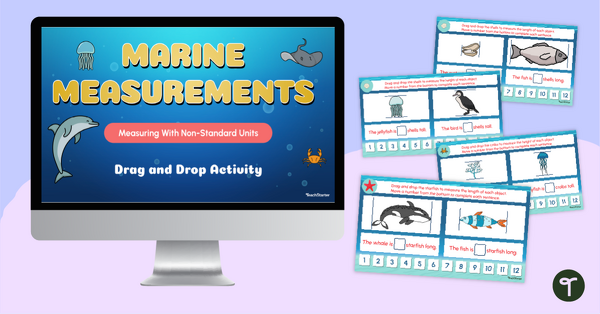
Marine Measuring With Nonstandard Units Interactive
Dive into measurement with informal units using an engaging ocean-themed interactive measurement activity.