ELAR 3.10
Author's purpose and craft: listening, speaking, reading, writing, and thinking using multiple texts. The student uses critical inquiry to analyze the authors' choices and how they influence and communicate meaning within a variety of texts. The student analyzes and applies author's craft purposefully in order to develop his or her own products and performances. The student is expected to:
- (1) explain the author's purpose and message within a
text;
- (A) explain how the use of text structure contributes to the author's purpose;
- (B) explain the author's use of print and graphic features to achieve specific purposes;
- (C) describe how the author's use of imagery, literal and figurative language such as simile, and sound devices such as onomatopoeia achieves specific purposes;
- (D) identify the use of literary devices, including first- or third-person point of view;
- (E) discuss how the author's use of language contributes to voice; and
- (F) identify and explain the use of hyperbole.
- Plus Plan
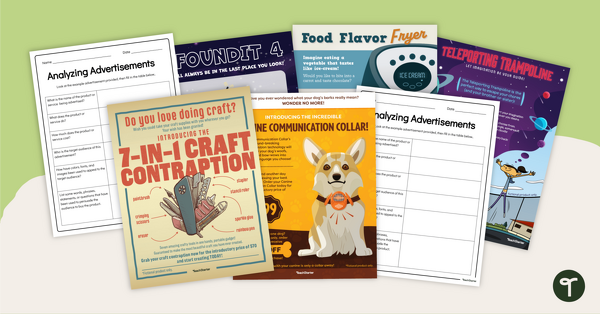
Advertisement Examples and Analysis Worksheets
Use these advertisement examples with accompanying analysis worksheets to teach your students about the purpose, structure and language features of product advertisements.
- Plus Plan
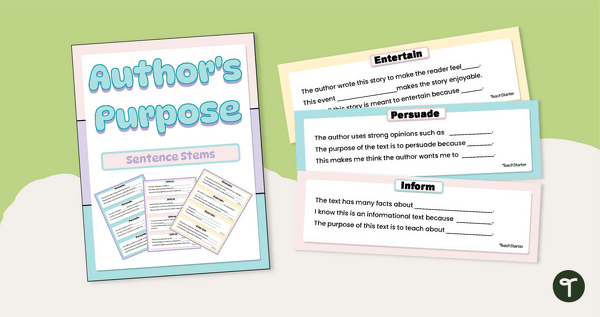
Author's Purpose Sentence Stem Flashcards
Assist students in identifying the author’s purpose with this set of Author’s Purpose Sentence Stem flashcards.
- Plus Plan
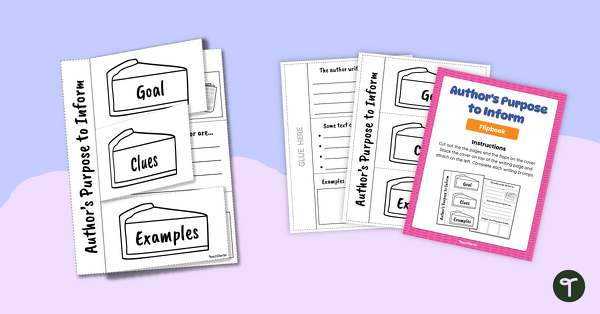
Author’s Purpose to Inform Flipbook
Help students explore the Author’s Purpose to Inform with this engaging and interactive flipbook!
- Plus Plan
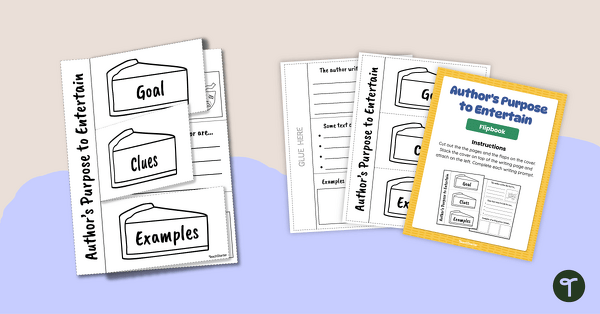
Author’s Purpose to Entertain Flipbook Template
Help students explore the Author’s Purpose to Entertain with this engaging and interactive flipbook.
- Plus Plan
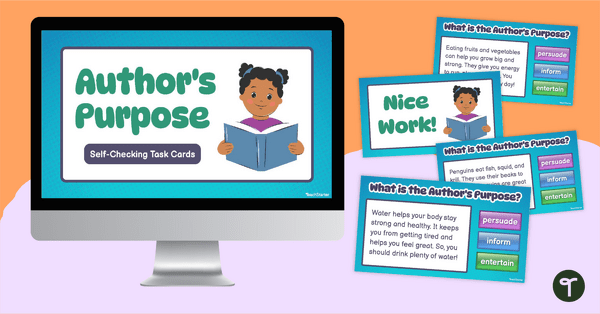
Author's Purpose Quiz – Self-Checking Task Cards
Engage students with their learning on author's purpose with this Author's Purpose Quiz.
- Plus Plan
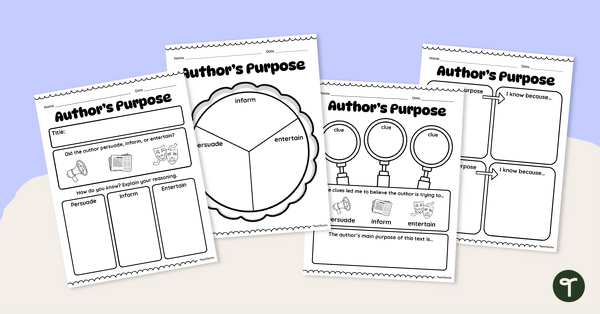
Author’s Purpose Graphic Organizer Pack
Explore the purpose of an author's writing with these Author's Purpose Graphic Organizers.
- Plus Plan
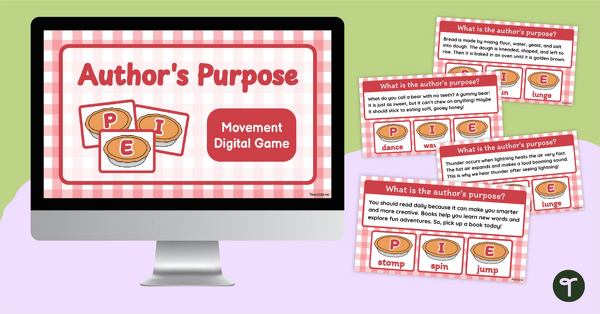
Author’s Purpose Game - Movement Activity
Explore Author’s Purpose in texts through movement using this fun and engaging Author’s Purpose Game.
- Plus Plan
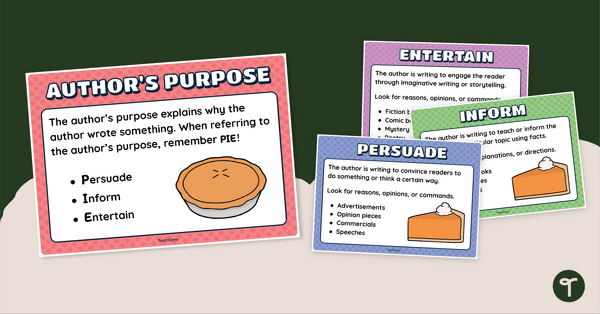
Author's Purpose Anchor Chart Set
Display this set of Author’s Purpose Pie posters to help students remember the various reasons authors write.
- Plus Plan
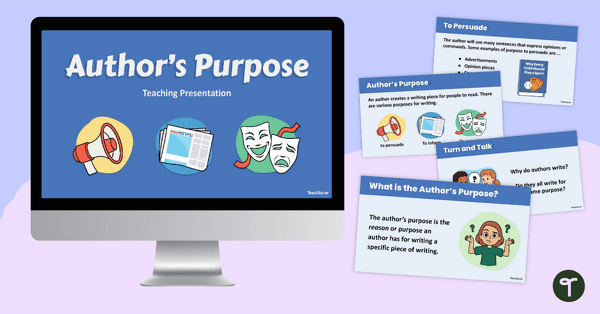
Author's Purpose PowerPoint
Use this Author's Purpose PowerPoint to teach your students how to identify the author’s purpose in a text.
- Plus Plan
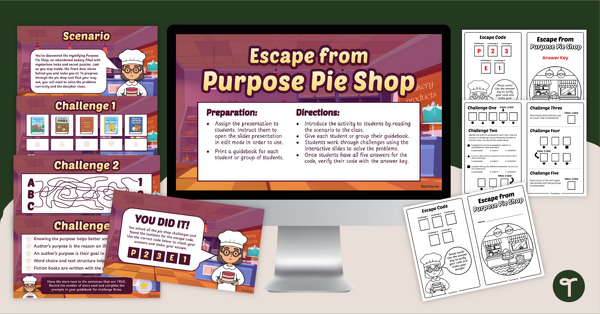
What is the Author's Purpose? Escape Room
Get your students excited to practice understanding what is the author’s purpose with this engaging escape room activity.
- Plus Plan
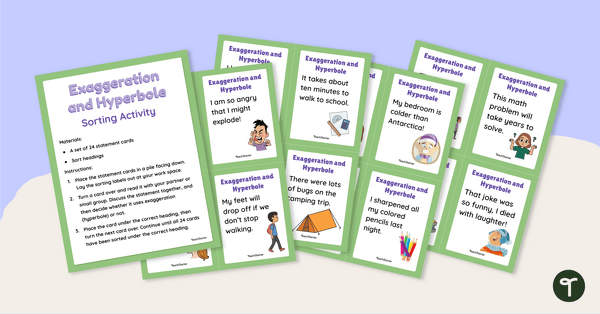
Exaggeration and Hyperbole Sorting Activity
Explore examples of hyperbole with your students using this set of 24 sorting cards perfect for your reading centers.
- Plus Plan
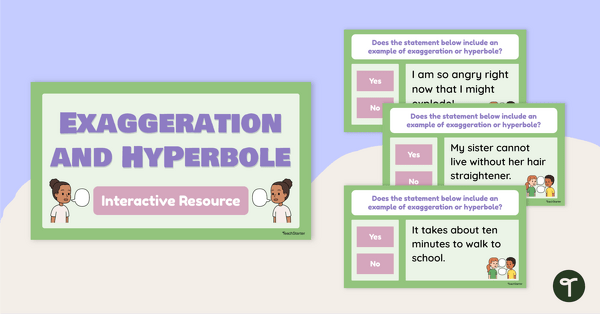
Exaggeration and Hyperbole Interactive Activity
Explore hyperbole examples with your students using this digital game perfect for lesson warm-ups or lesson wrap-ups.
- Free Plan
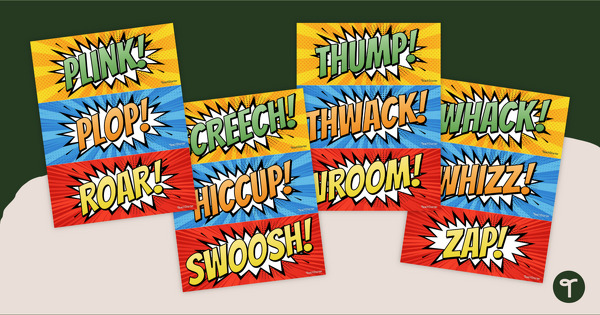
Onomatopoeia Words - Vocabulary Display
Display a fun onomatopoeia word wall in your classroom with printable cards containing onomatopoeia examples.
- Plus Plan
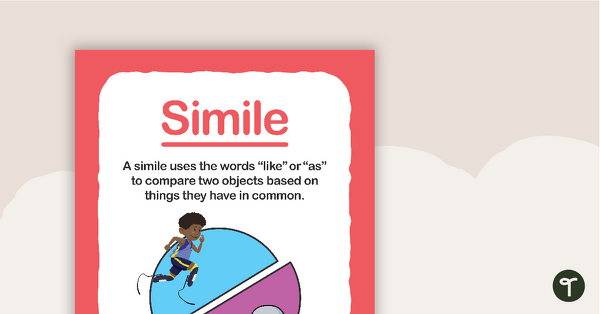
Simile Poster (Primary)
Show your students an example of a simile using this colorful classroom display poster.
- Plus Plan
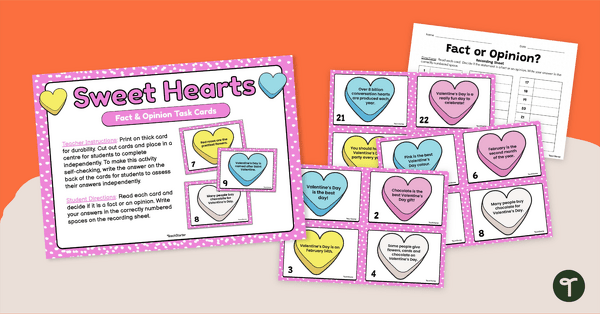
Sweet Hearts Fact and Opinion - Valentine's Day Activity
Practice sweet reading skills on Valentine’s Day with a set of Sweetheart Fact and Opinion task cards.
- Plus Plan
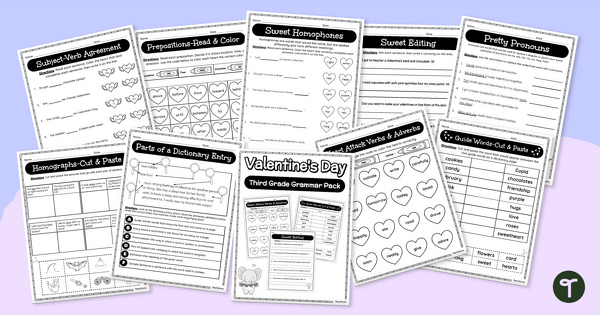
Valentine's Day - 3rd Grade English Worksheets
Review and practice a wide range of grammar skills with a pack of printable 3rd grade writing worksheets.
- Plus Plan
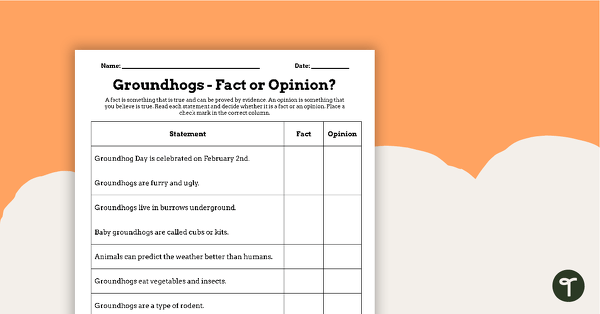
Groundhogs - Fact or Opinion Worksheet
Practice identify facts and opinions with a Groundhog Day worksheet.
- Plus Plan
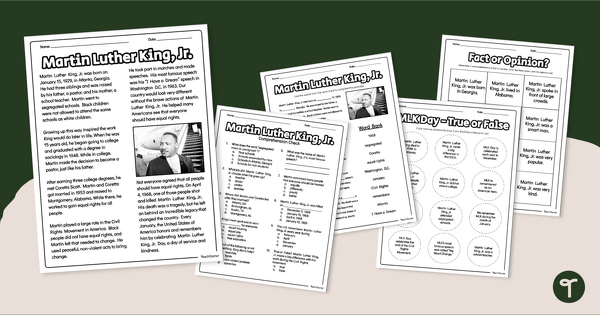
Martin Luther King, Jr. Reading Activity Pack
Apply a range of reading comprehension strategies to learn about Martin Luther King, Jr.
- Plus Plan
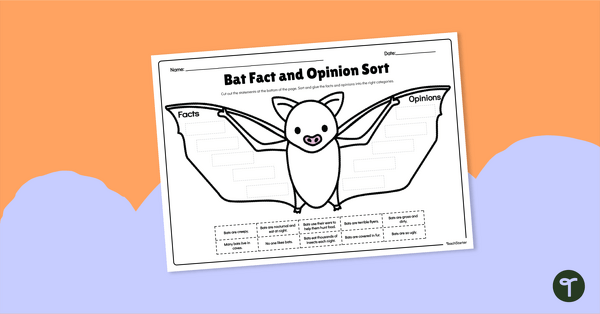
Halloween Worksheet — Bat Facts and Opinions
Practice identifying facts and opinions with a Halloween worksheet activity about bats.
- Plus Plan
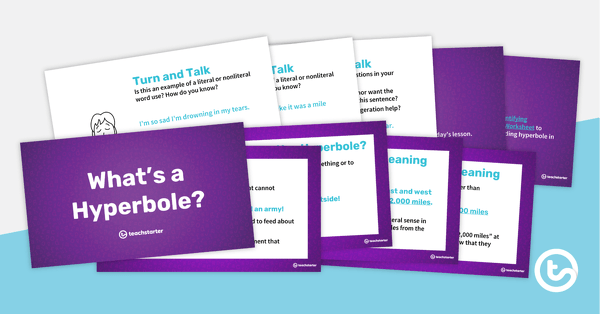
What's a Hyperbole? PowerPoint
An editable 20-slide PowerPoint to use when teaching your students about hyperbole.
- Plus Plan
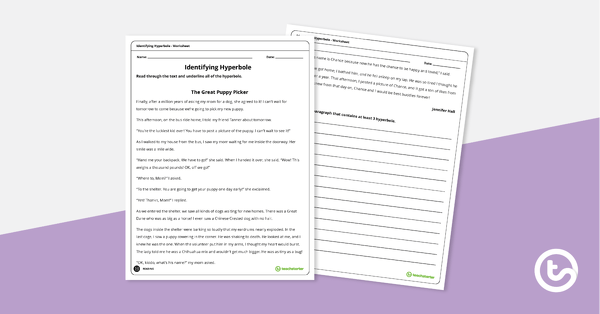
Identifying Hyperbole - Worksheet
A worksheet to practice identifying hyperbole in a piece of text.
- Plus Plan
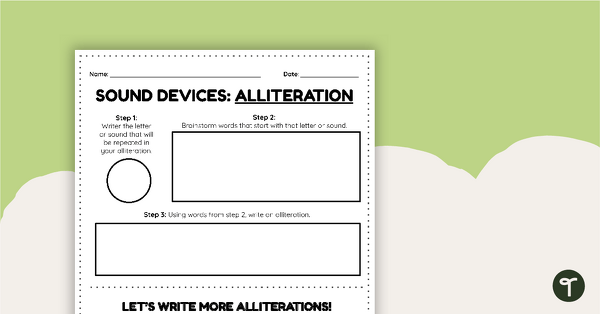
Alliteration Brainstorming Template
Use this brainstorming template to practice using the sound device alliteration.
- Plus Plan
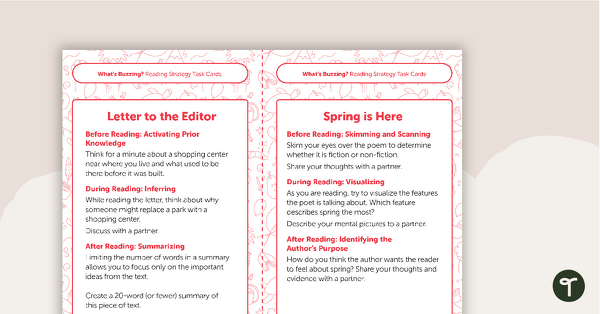
Grade 3 Magazine - "What's Buzzing?" (Issue 1) Task Cards
A set of five literacy rotation task cards to be used in conjunction with issue 1 of Teach Starter's Grade 3 magazine.
- Plus Plan
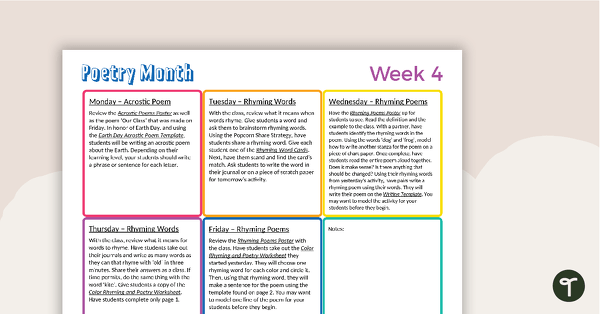
Primary Weekly Poetry Guide - Weeks 4 and 5
Use this weekly poetry guide to celebrate National Poetry Month in your primary classroom.
- Plus Plan
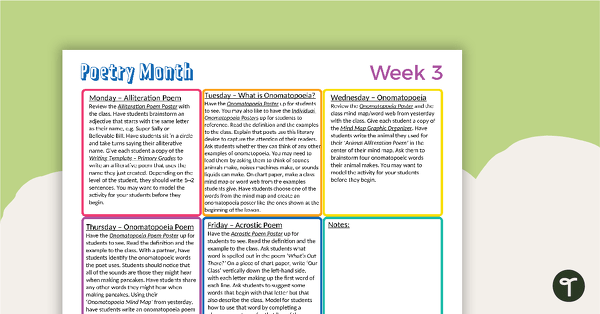
Primary Weekly Poetry Guide - Week 3
Use this weekly poetry guide to celebrate National Poetry Month in your primary classroom.
- Plus Plan
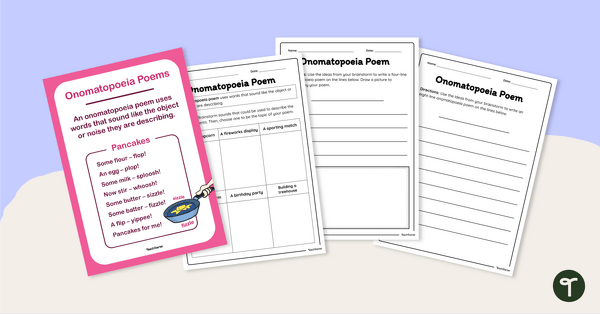
Onomatopoeia Poems Poster and Templates
Use this onomatopoeia poem poster and accompanying template to teach your students how to write an onomatopoeia poem.
- Plus Plan
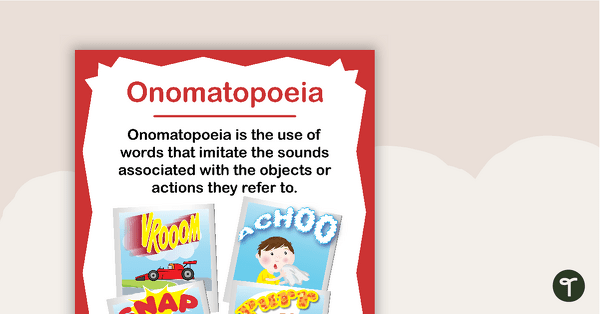
Onomatopoeia Poster
A poster providing a definition and examples of onomatopoeia.
- Plus Plan
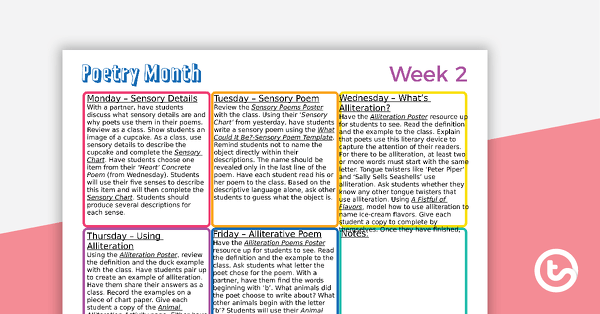
Primary Weekly Poetry Guide - Week 2
Use this weekly poetry guide to celebrate National Poetry Month in your primary classroom.
- Plus Plan
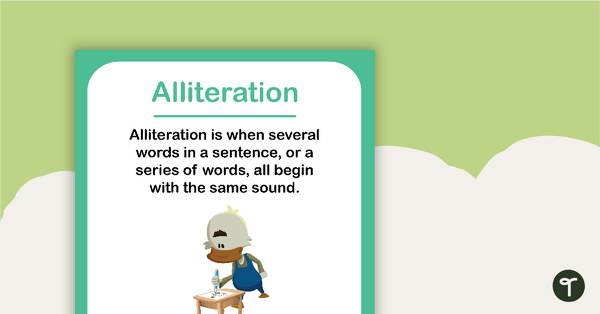
Alliteration Poster For Young Students
A poster to use with young students when teaching alliteration.
- Free Plan
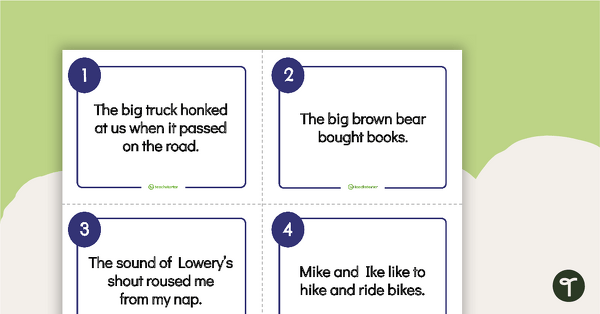
Sound Devices Sorting Activity
Reinforce sound devices used in text by sorting 16 poetic device cards into their appropriate category.
- Plus Plan
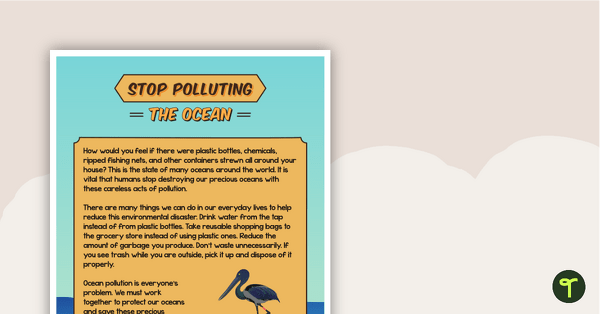
Sequence Persuasive Text Examples – Cut and Paste Worksheets
Use this example persuasive text pack to teach your students about sequencing arguments in a logical order.
- Plus Plan
Poetic Devices Teaching Slides
Explore examples of poetic devices using this comprehensive and age-appropriate slide deck perfect for your poetry writing unit.