ELAR 4.9
Multiple genres: listening, speaking, reading, writing, and thinking using multiple texts--genres. The student recognizes and analyzes genre-specific characteristics, structures, and purposes within and across increasingly complex traditional, contemporary, classical, and diverse texts. The student is expected to:
- (1) demonstrate knowledge of
distinguishing characteristics of well-known children's
literature such as folktales, fables, legends, myths, and tall tales;
- (A) explain figurative language such as simile, metaphor, and personification that the poet uses to create images;
- (B) explain structure in drama such as character tags, acts, scenes, and stage directions;
- (C) recognize characteristics and structures of informational text, including:
- (D) the central idea with supporting evidence;
- (i) features such as pronunciation guides and diagrams to support understanding; and
- (ii) organizational patterns such as compare and contrast;
- (iii) recognize characteristics and structures of argumentative text by:
- (E) identifying the claim;
- (i) explaining how the author has used facts for an argument; and
- (ii) identifying the intended audience or reader; and
- (iii) recognize characteristics of multimodal and digital texts.
- Free Plan
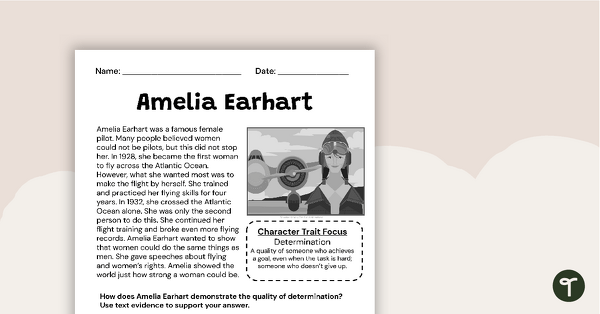
Amelia Earhart Constructed Response Worksheet
Use this passage, second grade writing prompt, and worksheet to help students write a constructed response paragraph about Amelia Earhart.
- Free Plan
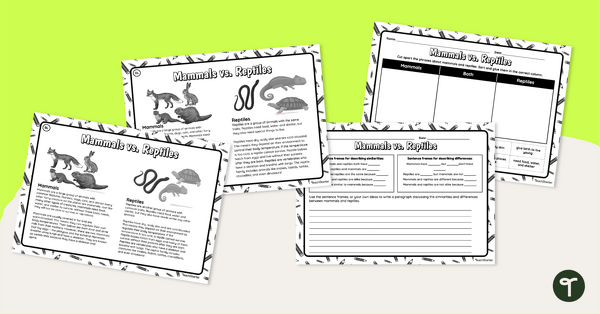
Paired Passage Worksheets-Mammals vs. Reptiles
Compare mammals vs. reptiles and add to your reading instruction with leveled nonfiction, compare and contrast passages and worksheets.
- Free Plan
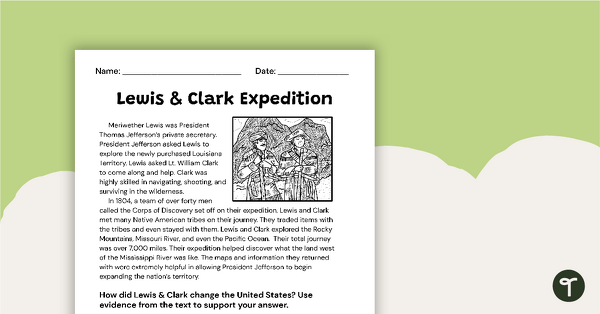
Lewis and Clark Worksheet - RACES Writing Strategy
Practice using the RACES writing strategy for text evidence with a Lewis and Clark Passage, graphic organizer, and worksheet.
- Free Plan
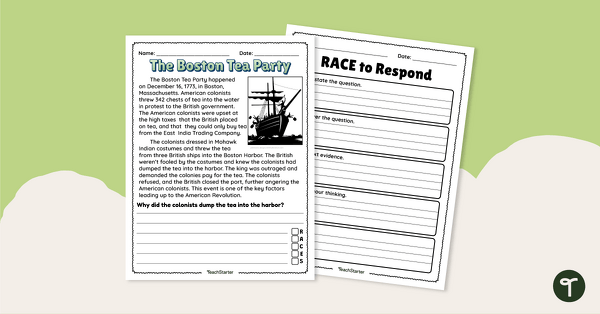
Boston Tea Party - RACES Writing Strategy Worksheet
Integrate reading, writing, and American history with a worksheet about the Boston Tea Party using the RACES writing strategy for text evidence.
- Plus Plan
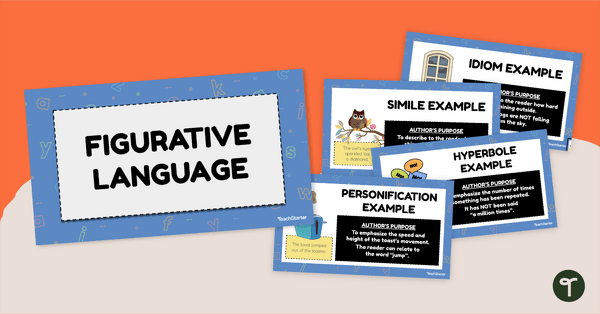
Figurative Languages Lesson - Slide Deck
Teach figurative language using our comprehensive instructional slide deck and accompanying activities.
- Plus Plan
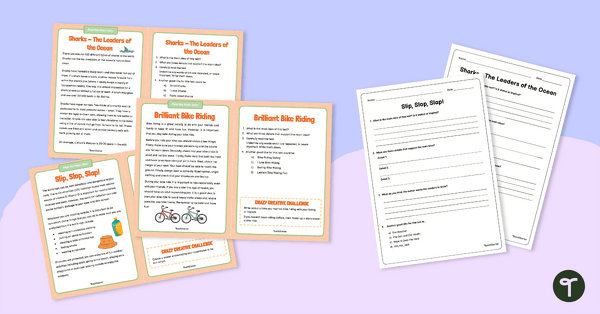
Comprehension Task Cards - Finding The Main Idea
A set of comprehension task cards to help students find the main idea when reading.
- Free Plan
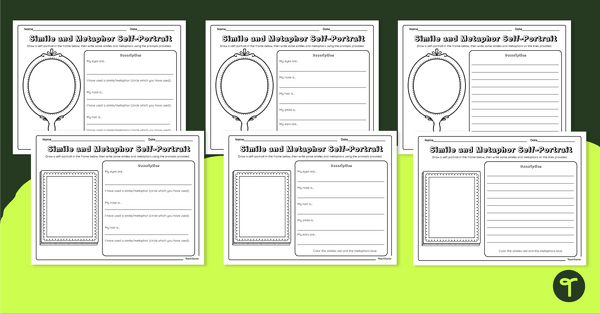
Simile and Metaphor Self-Portrait Worksheet
Teach students about similes and metaphors by asking them to describe... themselves!
- Plus Plan
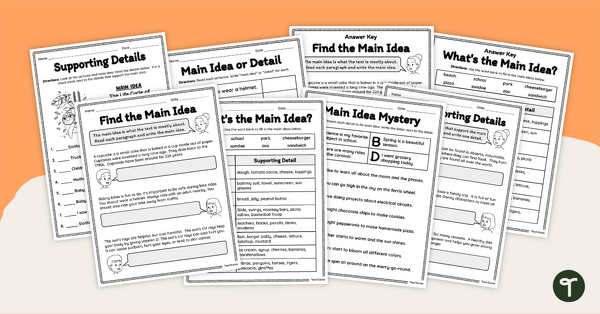
Main Idea and Details Worksheets
Practice finding the main idea and supporting detail with this pack of main idea worksheets.
- Plus Plan
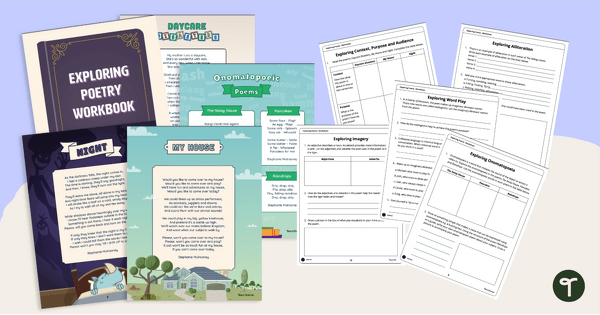
Exploring Figurative Language in Poetry Workbook
Teach your upper elementary and middle school students to read, analyze, and discuss poetry with a printable and digital poetry workbook.
- Plus Plan
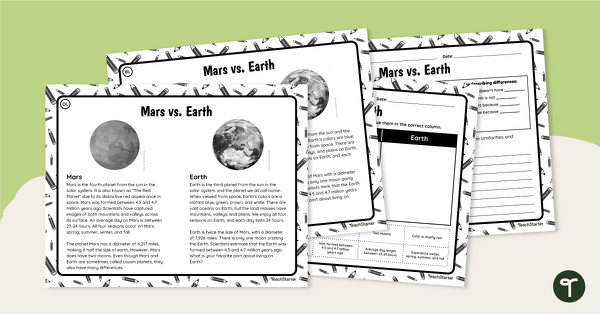
Mars vs. Earth - Differentiated Paired Passage Worksheets
Learn about the planets with differentiated compare and contrast passages, activities, and writing opportunities.
- Free Plan
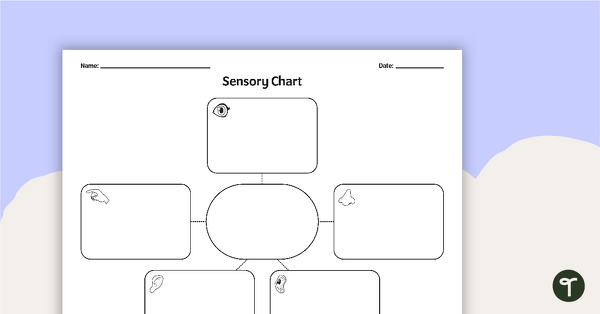
Sensory Chart Graphic Organizer
A graphic organizer for students to use when categorizing sensory details.
- Plus Plan
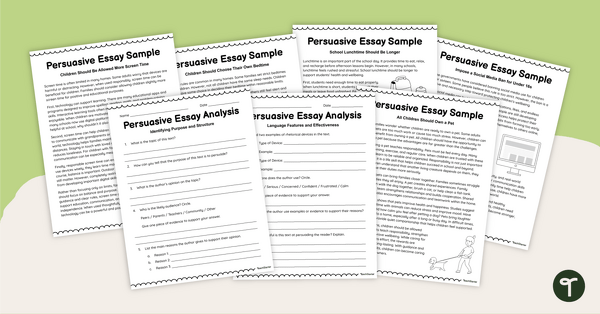
Opinion Writing Examples and Analysis Worksheet
Use these opinion writing examples to teach your students how purpose, structure and language features work together in strong persuasive texts.
- Plus Plan
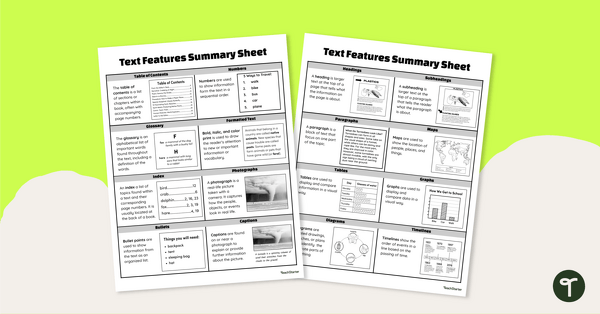
Nonfiction Text Features Study Guide
Download this list of text feature examples to teach your students about the purpose of these important textual elements.
- Plus Plan
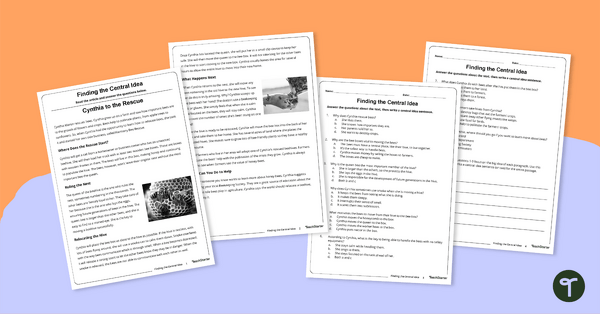
Finding the Central Idea Worksheet
Read a short article, answer 10 comprehension questions, and use the gathered knowledge to write a central idea sentence about the text.
- Plus Plan
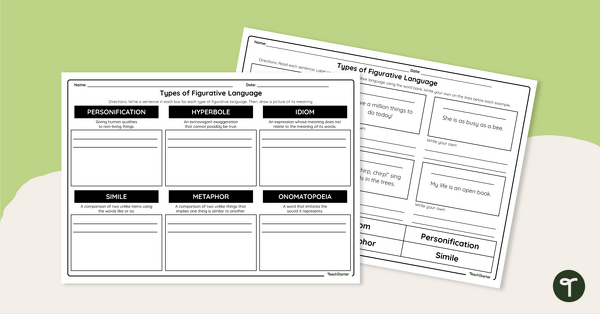
Types of Figurative Language - Worksheet
Practice identifying and creating examples of figurative language with this printable worksheet.
- Plus Plan
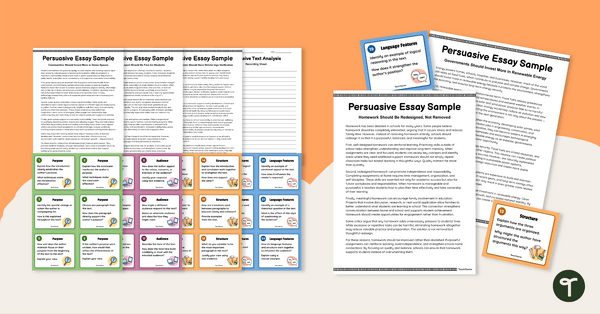
Persuasive Essay Examples with Analysis Task Cards
Use these persuasive essay examples with accompanying task cards to teach your students how purpose, structure and language features work together in strong persuasive texts.
- Free Plan
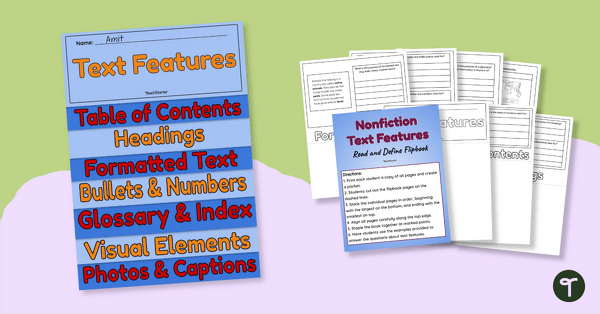
Nonfiction Text Features Flipbook – Read and Define
Use this text features flipbook as a reading center activity to teach your students about the purpose of text features in nonfiction books.
- Plus Plan
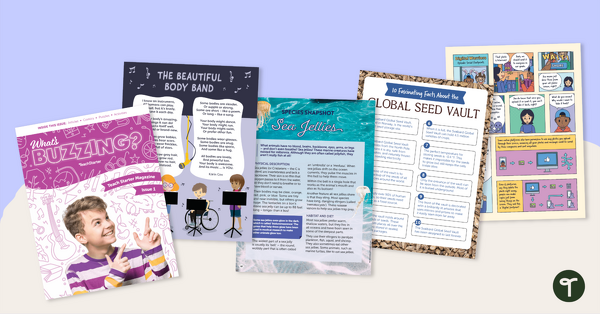
Grade 4 Magazine - What's Buzzing? (Issue 1)
A beautifully designed, 24-page reading magazine written specifically for Grade 4 students.
- Plus Plan
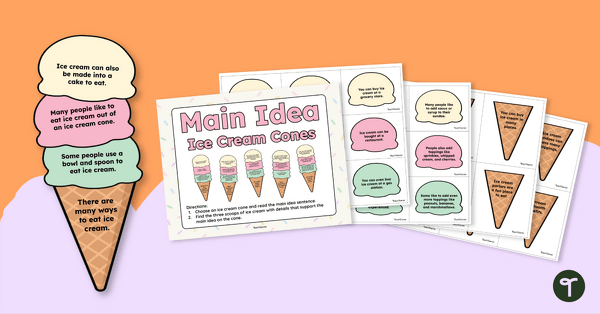
Main Idea Ice Cream Cones Sorting Activity
Practice distinguishing the main idea and the supporting detail with this fun ice cream sorting activity.
- Free Plan
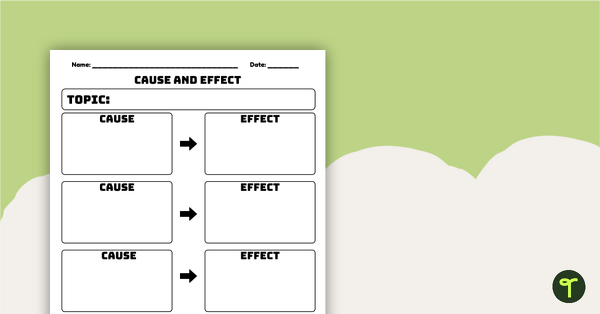
Free Cause and Effect Graphic Organizer
Practice identifying cause and effect with a blank cause and effect graphic organizer.
- Plus Plan
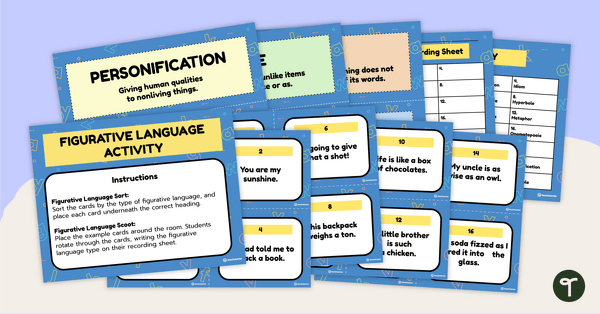
Figurative Language Sorting Activity
Explore figurative language in context with this set of 28 sorting cards.
- Plus Plan
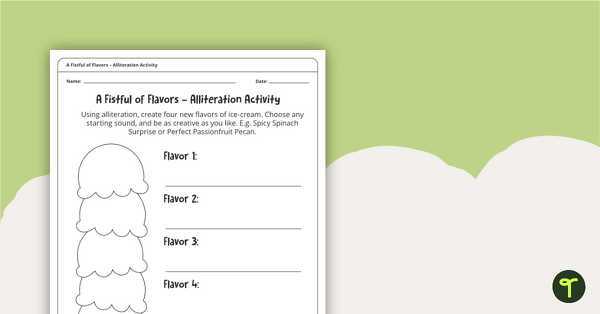
A Fistful of Flavors Alliteration Activity
Make alliteration fun with a printable worksheet that challenges students to create flavors of ice cream.
- Free Plan
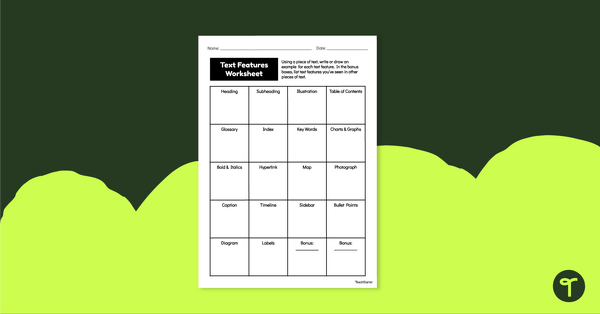
Text Features Worksheet
Download this nonfiction text features worksheet so students can practice locating different types of text features found in a nonfiction text.
- Plus Plan
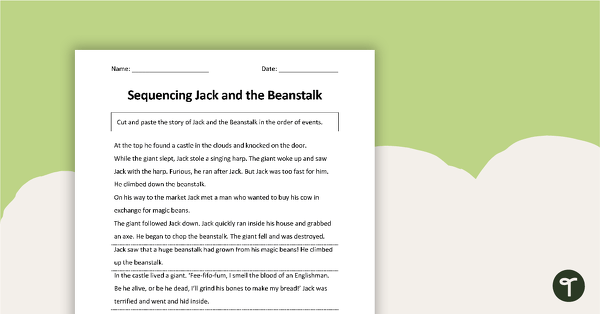
Understanding Sequence - Jack and the Beanstalk
A worksheet to use when teaching students how to understand sequence when reading.
- Plus Plan
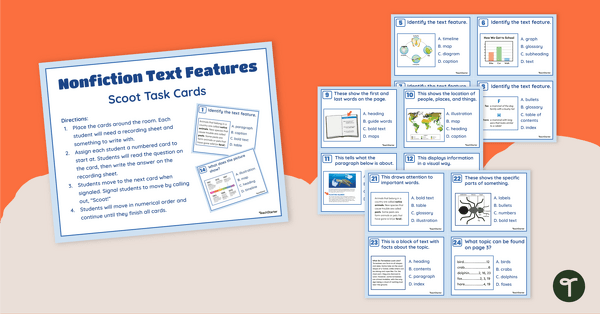
Nonfiction Text Features Task Cards
Get students exploring text feature examples with this set of tack cards perfect for reading centers.
- Plus Plan
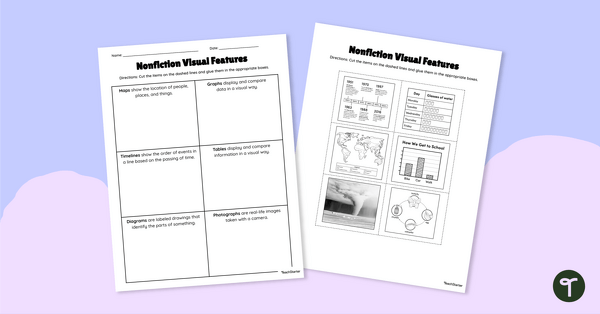
Nonfiction Visual Features Cut and Paste Worksheet
Use this visual text features worksheet when exploring text features such as photographs, maps, charts and diagrams with your students.
- Plus Plan
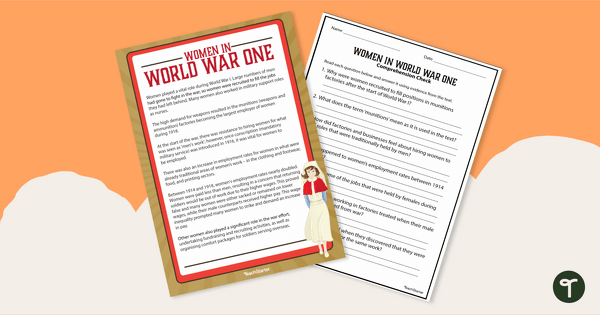
Women In WWI – Reading Comprehension Worksheet
Read to learn about women in World War I with a printable reading passage and comprehension worksheet.
- Free Plan
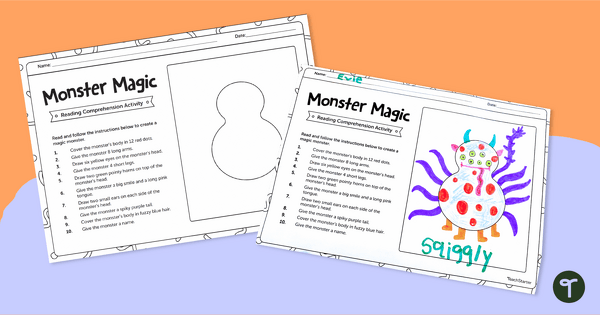
How to Make a Monster Reading Comprehension Activity
Read and comprehend a set of instructions to create a magical monster!
- Plus Plan
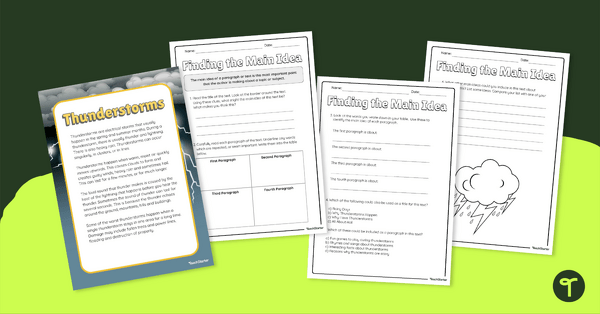
Finding the Main Idea - Comprehension Task (Thunderstorms)
Explore thunderstorms and consolidate knowledge of the main idea and supporting details of a text with this comprehension task.
- Free Plan
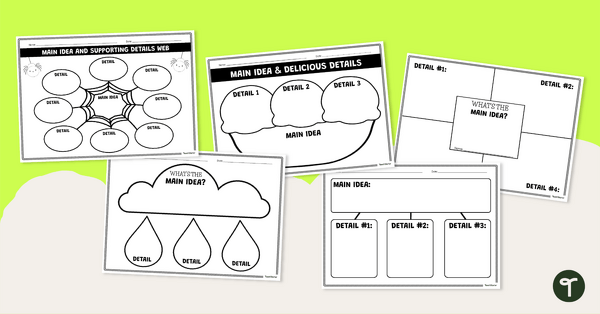
Finding the Main Idea - Graphic Organizer Templates
Teach students how to find the main idea of a text using one of these one-page graphic organizers.
- Free Plan
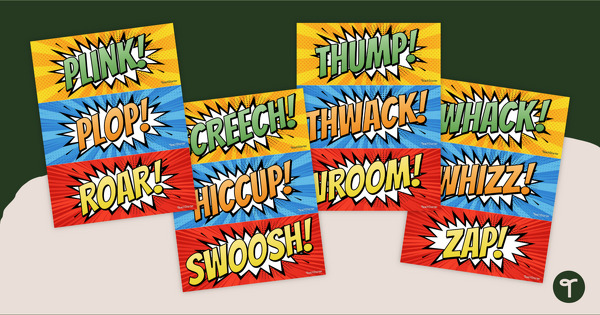
Onomatopoeia Words - Vocabulary Display
Display a fun onomatopoeia word wall in your classroom with printable cards containing onomatopoeia examples.
- Plus Plan
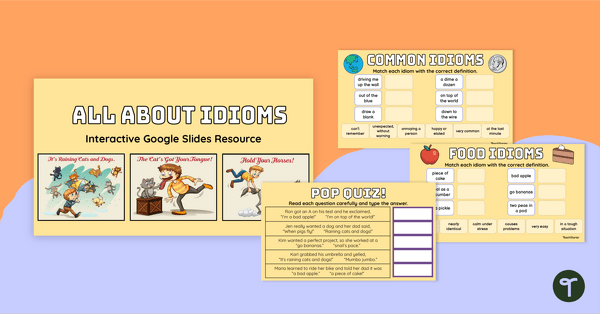
Google Slides Interactive - Idioms Activity
Build vocabulary and have fun with an interactive Idioms activity.