ELAR 4.9
Multiple genres: listening, speaking, reading, writing, and thinking using multiple texts--genres. The student recognizes and analyzes genre-specific characteristics, structures, and purposes within and across increasingly complex traditional, contemporary, classical, and diverse texts. The student is expected to:
- (1) demonstrate knowledge of
distinguishing characteristics of well-known children's
literature such as folktales, fables, legends, myths, and tall tales;
- (A) explain figurative language such as simile, metaphor, and personification that the poet uses to create images;
- (B) explain structure in drama such as character tags, acts, scenes, and stage directions;
- (C) recognize characteristics and structures of informational text, including:
- (D) the central idea with supporting evidence;
- (i) features such as pronunciation guides and diagrams to support understanding; and
- (ii) organizational patterns such as compare and contrast;
- (iii) recognize characteristics and structures of argumentative text by:
- (E) identifying the claim;
- (i) explaining how the author has used facts for an argument; and
- (ii) identifying the intended audience or reader; and
- (iii) recognize characteristics of multimodal and digital texts.
- Plus Plan
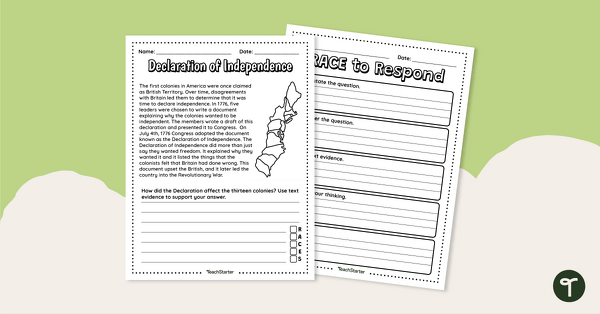
Declaration of Independence- Constructed Response Passage Worksheet
Blend reading, writing, and historical concepts with the Declaration of Independence worksheet.
- Plus Plan
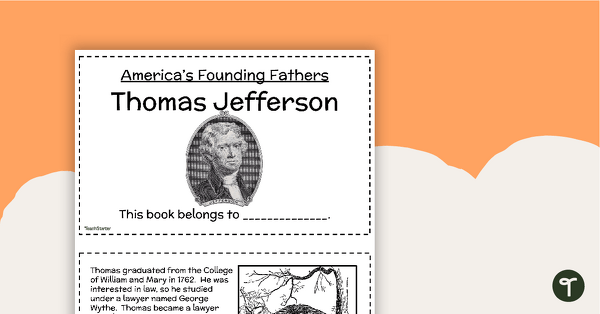
Thomas Jefferson Printable Mini-Book
Read and learn about Thomas Jefferson with a printable informational reader and activity booklet.
- Plus Plan
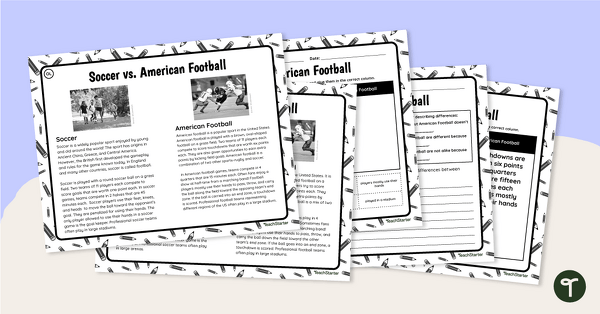
Soccer vs. Football -Differentiated Paired Passage Worksheets
Differentiate reading instruction with nonfiction texts, compare and contrast activities, and response to text writing opportunities.
- Plus Plan
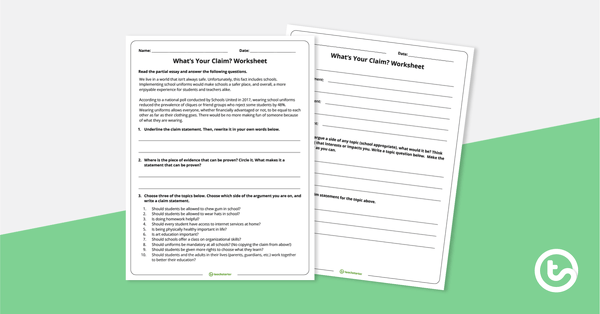
What's Your Claim? Worksheet
Identify elements of an argumentative essay and write original claim sentences to support individual reasoning.
- Plus Plan
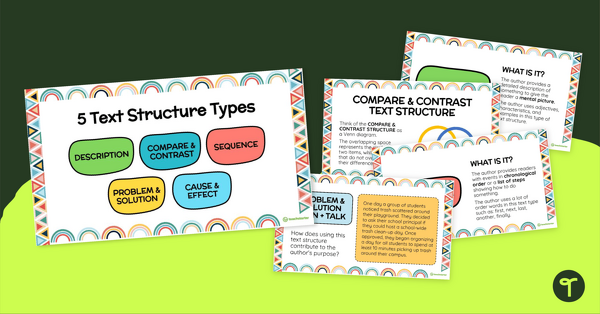
Text Structures Slide Deck
An editable text structure instructional slide deck to use when teaching text structures to your students.
- Plus Plan
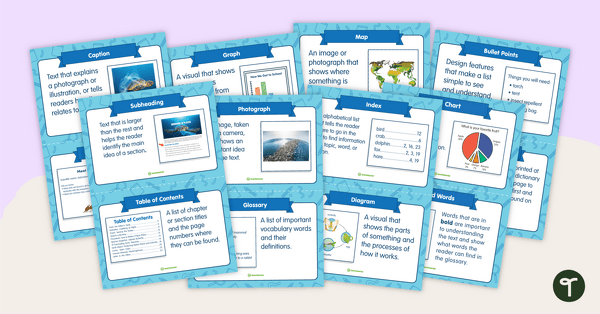
Text Features Flashcards
Teach students the definitions of text features such as headings, sidebars, captions and many more with this set of flashcards for elementary students.
- Plus Plan
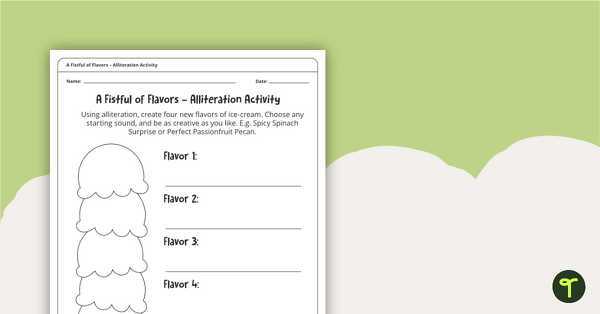
A Fistful of Flavors Alliteration Activity
Make alliteration fun with a printable worksheet that challenges students to create flavors of ice cream.
- Plus Plan
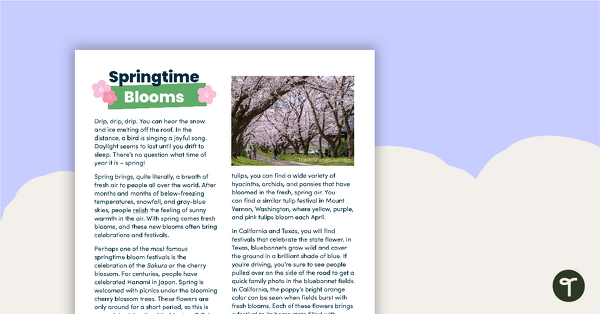
Springtime Blooms – Comprehension Task
An article about springtime blooms and festivals paired with a comprehension task.
- Plus Plan
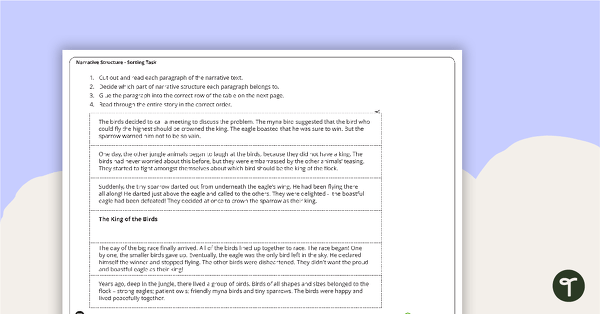
Narrative Structure Worksheet
Use this narrative structure worksheet to teach your students about the characteristic stages of narrative texts.
- Plus Plan
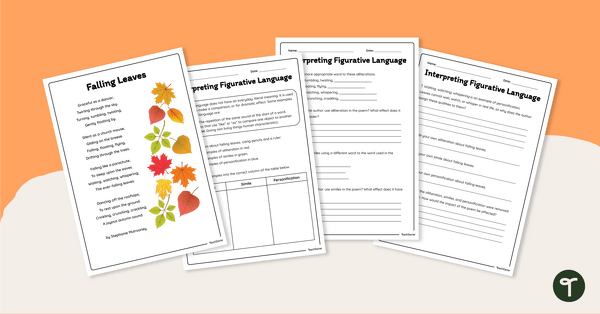
Interpreting Figurative Language - Worksheets
Explore figurative language in poetry with this age-appropriate poem and accompanying vocabulary questions.
- Plus Plan
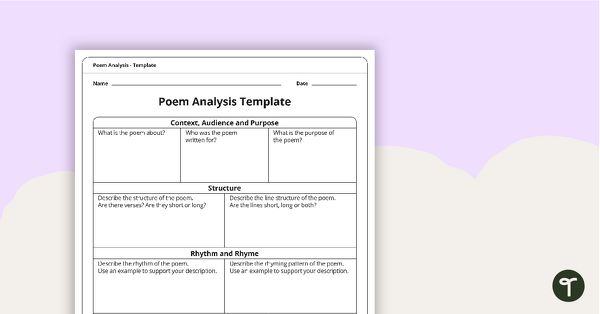
Poetry Analysis Template
A template for students to use when analyzing a poem.
- Plus Plan
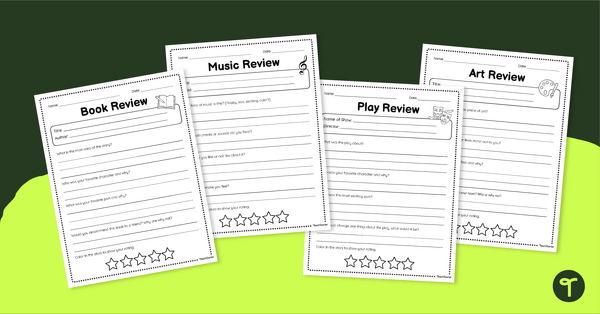
Review Writing Templates Pack
Use these review writing templates when reviewing a variety of genres with your students.
- Plus Plan
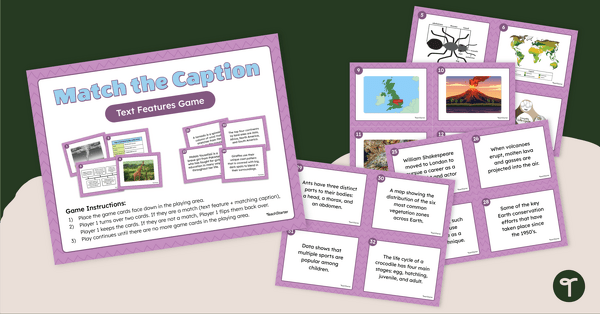
Caption Text Feature Matching Game
Teach your students about the caption text feature with this engaging and collaborative matching game.
- Plus Plan
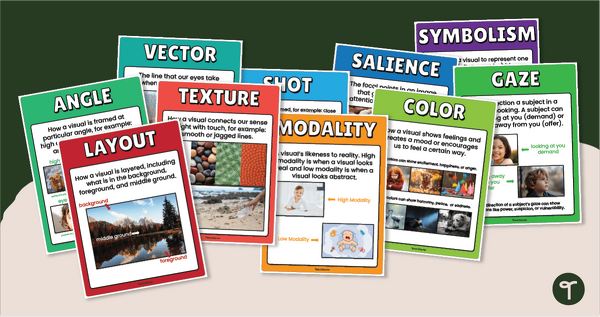
Visual Literacy Techniques Poster Pack
Teach your students how to uncover hidden meanings in images with this vibrant set of Visual Literacy Technique Posters!
- Plus Plan
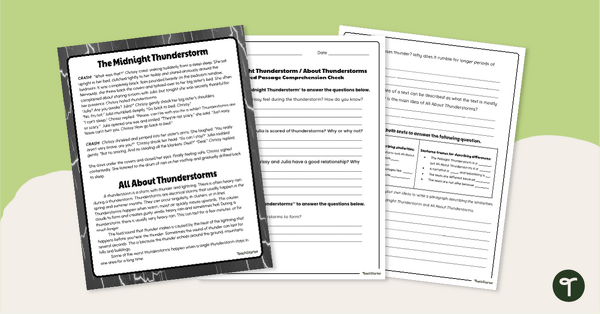
Paired Passage Worksheets - Thunderstorms (3-4)
Use paired passages to help your student practice applying reading comprehension strategies.
- Plus Plan
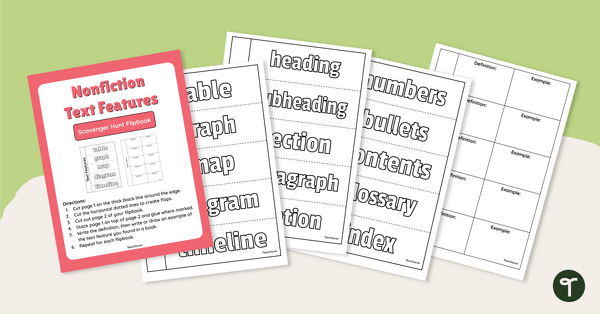
Nonfiction Text Features – Scavenger Hunt Flipbook
Get students exploring nonfiction text features with this set of scavenger hunt flipbooks perfect for elementary students.
- Plus Plan
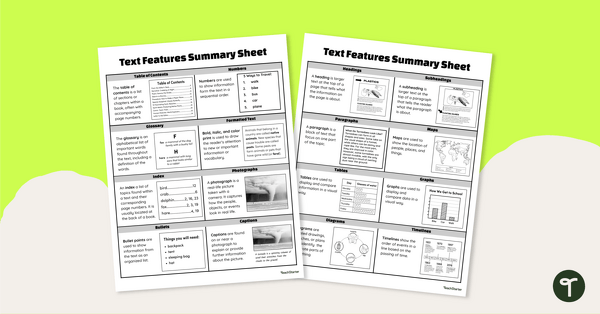
Nonfiction Text Features Study Guide
Download this list of text feature examples to teach your students about the purpose of these important textual elements.
- Plus Plan
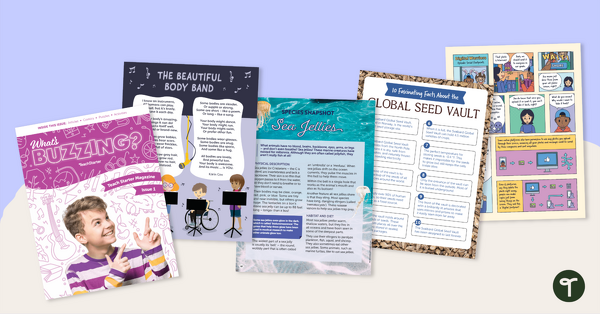
Grade 4 Magazine - What's Buzzing? (Issue 1)
A beautifully designed, 24-page reading magazine written specifically for Grade 4 students.
- Plus Plan
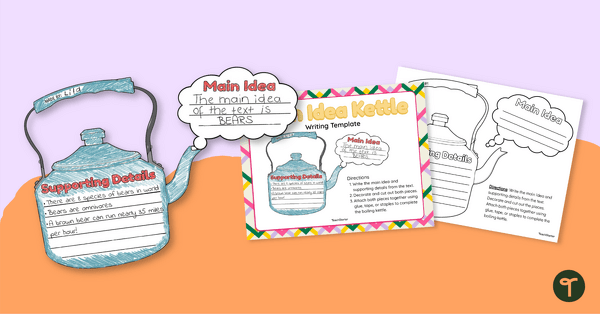
Main Idea Kettle Writing Template
Create a cute kettle template to help students understands the main idea and supporting detail while reading.
- Plus Plan
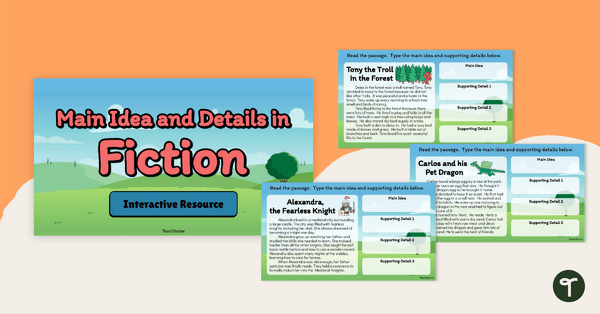
Finding the Main Idea in Fiction Texts Interactive Activity
Help your students easily find the main idea and support details in a fiction text with this interactive activity.
- Plus Plan
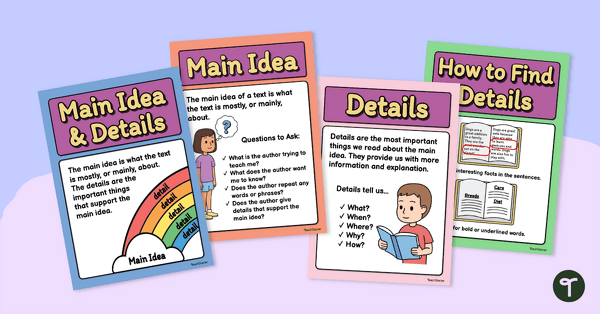
Main Idea and Supporting Details Posters
Display this set of posters to assist in the teaching and learning of the main idea and supporting detail while reading.
- Plus Plan
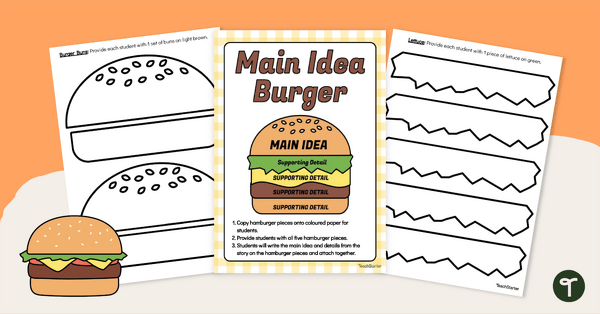
Main Idea and Details Burger Template
Practice finding the main idea and supporting details of a piece of text with this hamburger template.
- Plus Plan
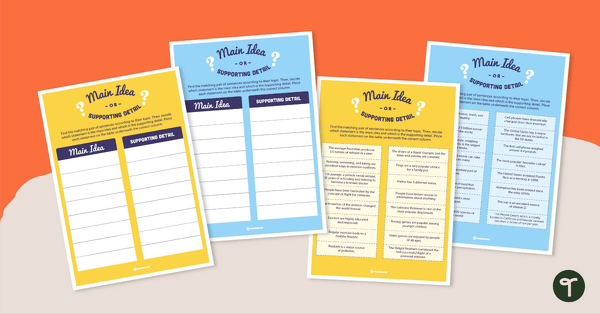
Main Idea or Supporting Detail – Sorting Activity
An activity for students to determine which of 2 related facts is a main idea and which is a supporting detail.
- Plus Plan
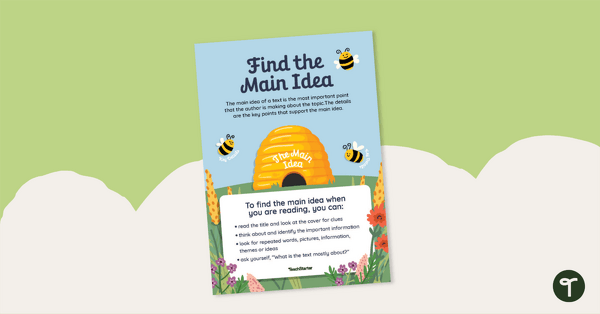
Find the Main Idea Anchor Chart
Highlight how to find the main idea when reading a piece of text with this main idea poster.
- Free Plan
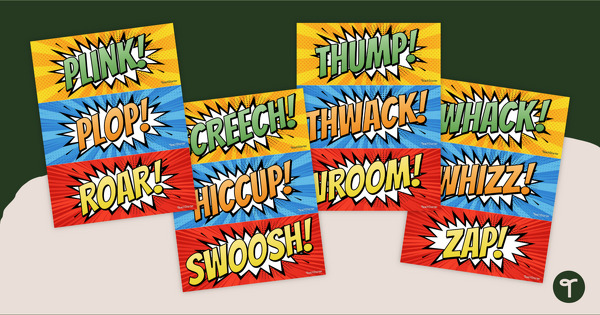
Onomatopoeia Words - Vocabulary Display
Display a fun onomatopoeia word wall in your classroom with printable cards containing onomatopoeia examples.
- Plus Plan
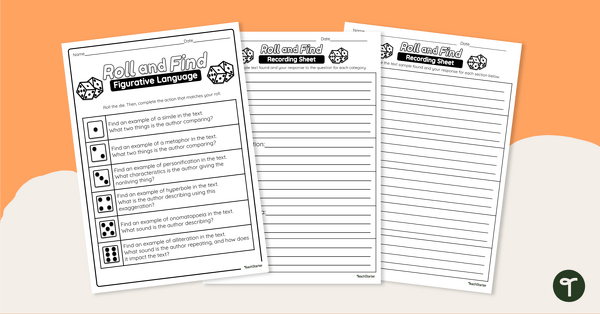
Roll and Find – Figurative Language Worksheet
Explore, identify and interpret figurative language with this engaging roll and find activity.
- Plus Plan
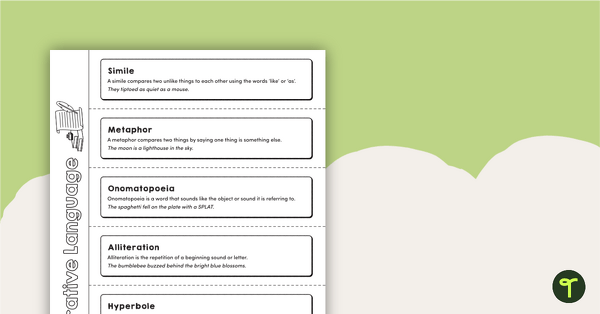
Figurative Language Flip Book
Practice identify examples of figurative language with this flip book template for kids.
- Plus Plan
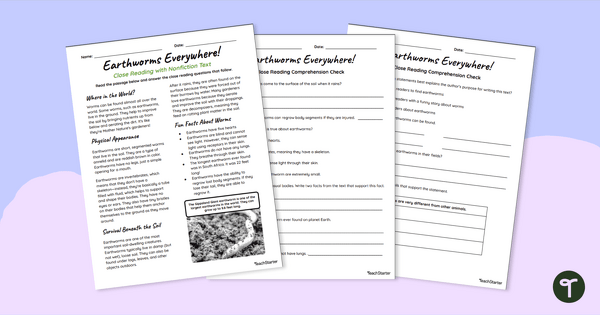
Earthworms Everywhere - Reading Passage and Comprehension Questions
Enhance your students' comprehension, vocabulary, and writing skills with this high-interest reading passage about earthworms!
- Plus Plan
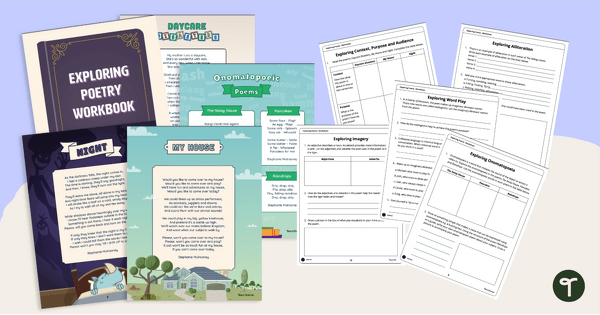
Exploring Figurative Language in Poetry Workbook
Teach your upper elementary and middle school students to read, analyze, and discuss poetry with a printable and digital poetry workbook.
- Plus Plan
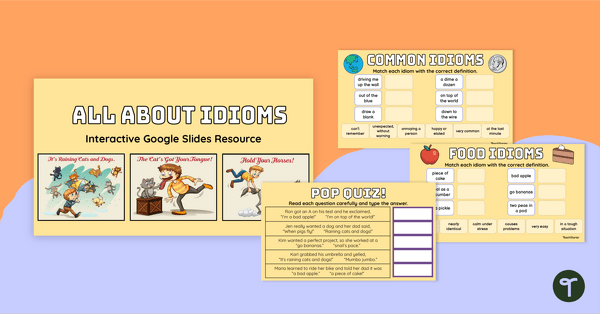
Google Slides Interactive - Idioms Activity
Build vocabulary and have fun with an interactive Idioms activity.
- Plus Plan
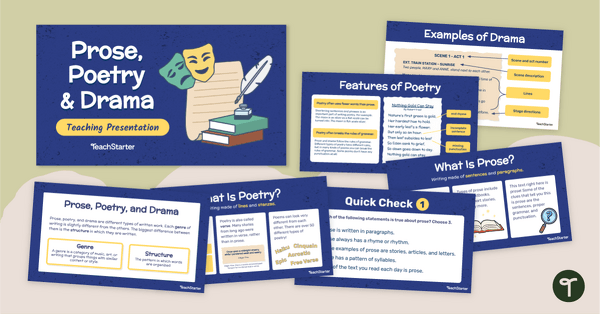
Prose, Poetry, and Drama Teaching Presentation
Teach your students the difference between poetry, prose, and drama with an interactive Google Slides teaching presentation.
- Plus Plan
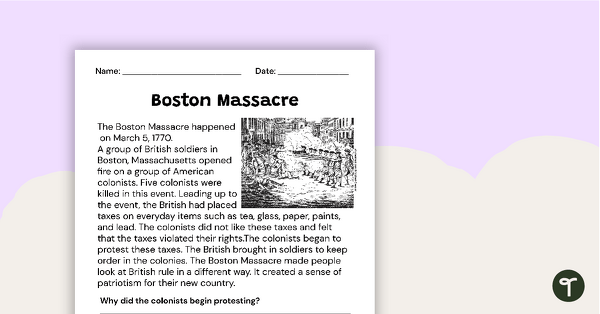
Boston Massacre Passage and Writing Prompt Worksheet
Learn facts about the Boston Massacre with an informational reading passage and an informational writing prompt for fourth grade.