Renewable & Nonrenewable Resources Teaching Resources
Teach your students all about renewable and nonrenewable resources this school year with printable worksheets, activities, vocabulary guides and more created by teachers for your elementary science lessons.
Aligned to the NGSS, this collection of teaching resources has been created with differentiated options and editable versions to make your lesson plans easier to create and save you time! Each resource in this collection has been thoroughly reviewed by a member of the Teach Starter teacher team to ensure it's ready for your lesson planning and your students.
New to teaching this section of the elementary science curriculum or looking for fresh ideas to explain the difference between renewable and nonrenewable resources and why these are so important? Read on for a primer from our teacher team!
What Are Natural Resources? A Kid-Friendly Definition
In order to explain renewable and nonrenewable and the differences between them, students first need to understand what it means to have a natural resource. Here's a natural resources definition to share with your students:
Natural resources are materials or substances that are naturally occurring in the environment and are valuable to humans for their economic, environmental, or cultural benefits. These resources are generally classified into two categories — renewable and nonrenewable resources.
What Is a Renewable Resource?
Need a kid-friendly way to explain this concept? Try this one: A renewable resource is a natural resource that we can use over and over again without running out. It's sort of like having a cookie jar that never runs out of cookies. Only in this case, the "cookies" provide the energy we need for things like heating our homes and running the electrical items in our schools.
Sometimes renewable resources will be regenerated naturally, while others require human intervention (for example, tree planting replenishes the supply of wood but requires people to do some work!).
What Are Some Examples of Renewable Resources?
Some examples of renewable resources include:
- Sun — The sun is one of the most abundant renewable resources in the US, and it is used to create energy with the help of solar panels.
- Wind — Wind turbines harness this renewable resource, generating electricity as gusts of wind move through them.
- Water — Hydroelectric dams are often used to create energy with this renewable resource.
What Is a Non-Renewable Resource? A Kid-Friendly Definition
As the prefix "non" would indicate, nonrenewable resources are essentially the opposite of the renewable type. These natural resources used to create energy cannot be easily replenished or replaced.
Some may be used up entirely over time, and once they're gone, they will be gone for good. Others may come back, but the time it takes to come back is so long that it won't happen for thousands or even millions of years, which means we will run out too quickly.
Many nonrenewable resources create other issues, such as the harm that burning fossil fuels represents to the environment. Nonrenewable resources are often considered unsustainable, and their use is a major contributor to environmental degradation, climate change, and other global issues.
What Are Some Examples of Nonrenewable Resources?
Some examples of nonrenewable resources that you can share with your students include:
- Fossil fuels — Nonrenewable fossil fuels like coal, oil and natural gas are used for electricity and heat but would take millions of years to regenerate.
- Minerals — Gold, silver and copper are all minerals that are mined for use in electronics, jewelry and more, but they won't just replenish naturally.
Renewable Energy vs. Non-Renewable Energy — What's the Difference?
Many of the resources we have are tied to the energy we use to power our houses, our cars and more. We classify these energy types as either renewable energy or non-renewable energy.
So what's the difference? Let's look at a breakdown you can share with students.
Renewable Energy
The energy that comes from natural resources that can be replenished over a relatively short period of time is called renewable energy.
Types of renewable energy include:
- Solar
- Wind
- Geothermal
- Biomass
Non-Renewable Energy
Non-renewable energy is energy that is produced with finite resources that cannot be easily replenished.
Sources of non-renewable energy include:
- Coal
- Oil
- Natural gas
- Plus Plan
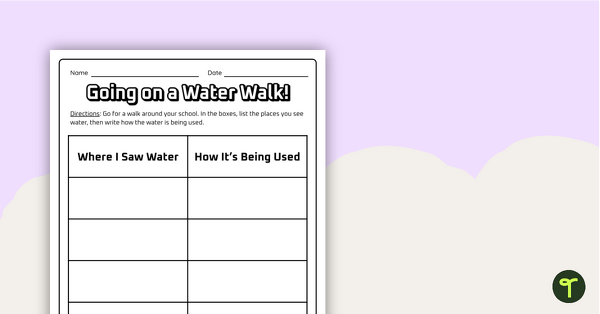
Water Walk Worksheet
Observe and explore the uses of water around the school building with a water walk worksheet.
- Free Plan
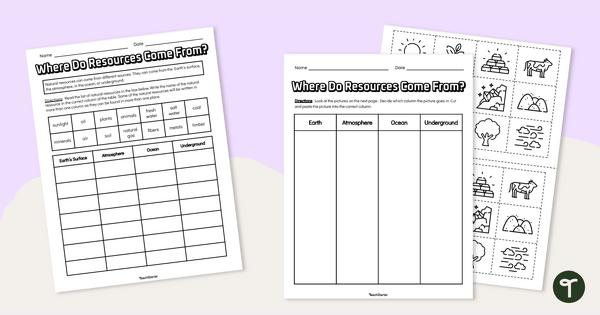
Where Do Natural Resources Come From? Differentiated Worksheet
Explore where natural resources are found with a pair of differentiated natural resource worksheets.
- Plus Plan
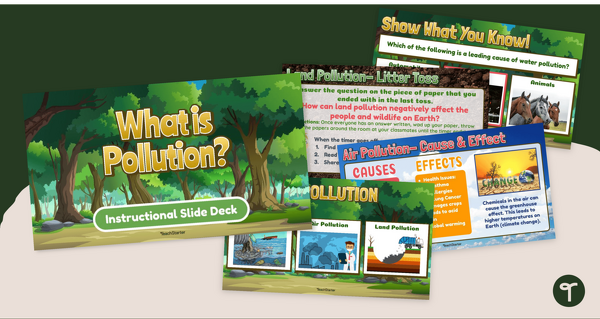
What is Pollution? Instructional Slide Deck
Show your students the types of pollution and their effects with an instructional slide deck.
- Plus Plan
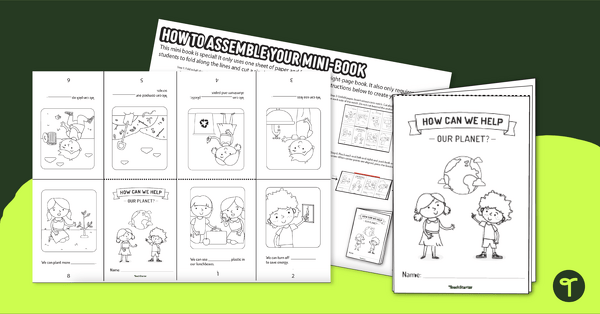
How Can We Help Our Planet Mini Book
Make an Earth Day mini book that your students can complete to explain how they can help the planet.
- Plus Plan
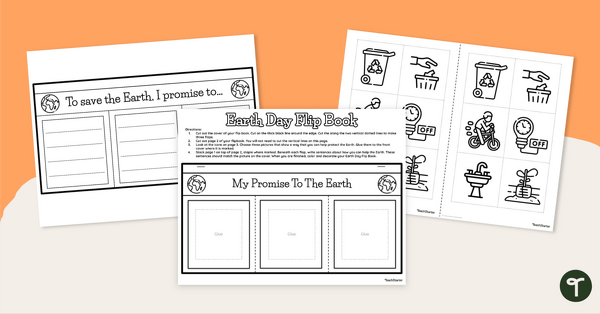
My Promise to the Earth - Flipbook Template
Make a promise to protect the planet with a printable Earth Day flip book.
- Plus Plan
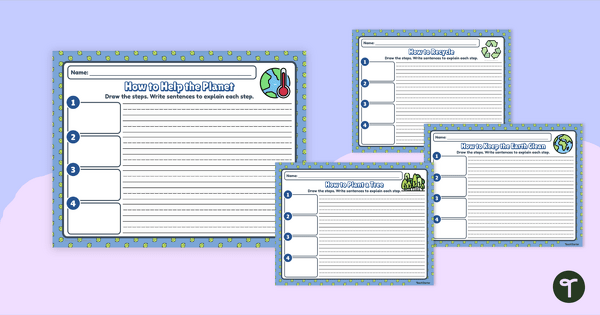
Recycling Writing Prompts - Primary
Show off your procedural writing skills with a pack of recycling writing prompts.
- Plus Plan
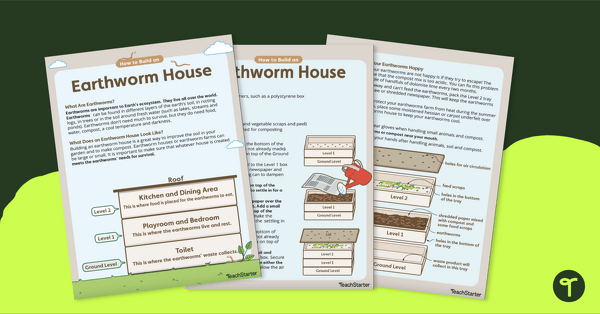
How to Build an Earthworm House Project
Learn to build an earthworm house with a step-by-step instructional guide.
- Plus Plan
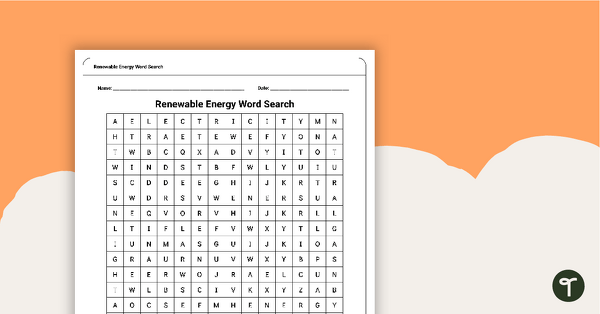
Renewable Energy Word Search
Review science vocabulary terms with an engaging renewable energy word search.
- Plus Plan
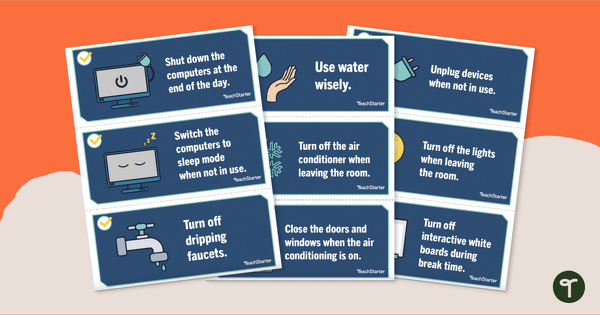
Conserve Energy in the Classroom – Student Reminders
Inspire your students to conserve electricity with these energy-saving reminders that can be placed around the classroom.
- Plus Plan
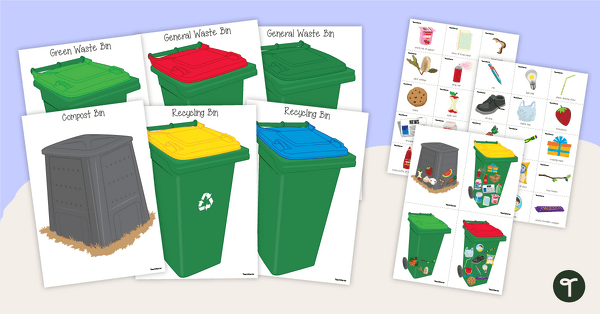
Trash, Recycle, or Compost Sorting Activity
Learn about recycling, composting, and sustainable practices for waste management with a fun sorting activity.
- Plus Plan
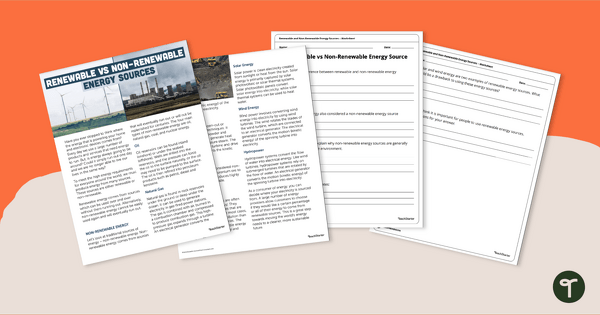
Renewable vs. Nonrenewable Energy Sources Worksheets
Discover the difference between renewable and nonrenewable energy sources with a comprehension passage and worksheet.
- Plus Plan
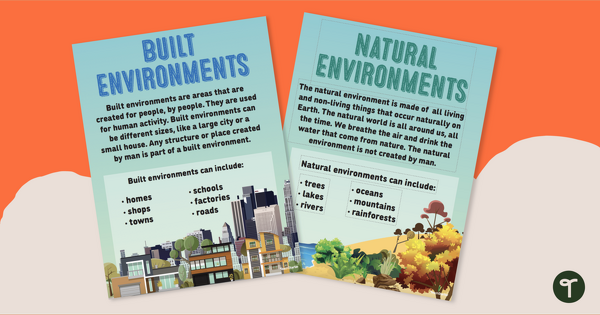
Our Built and Natural Environments - Poster Pack
Showcase the features of natural and man-made environments with printable anchor charts.
- Free Plan
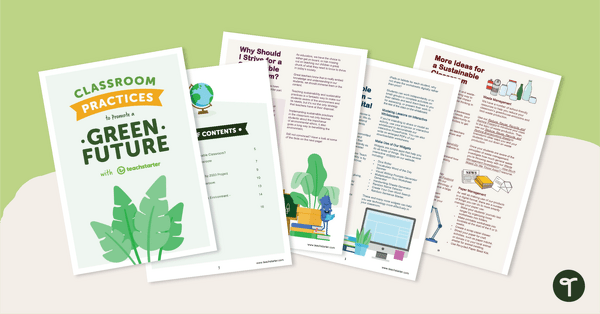
Classroom Practices to Promote a Green Future - A Teacher's Guide
Create a more sustainably-friendly classroom with this 18-page teacher's guide.
- Plus Plan
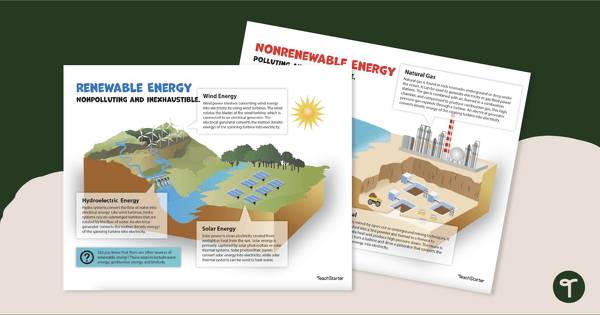
Renewable and Nonrenewable Energy Sources - Anchor Charts
Examine renewable and nonrenewable energy sources, including wind energy, hydro energy, solar energy, natural gas, oil, and coal with a pair of printable posters.
- Plus Plan
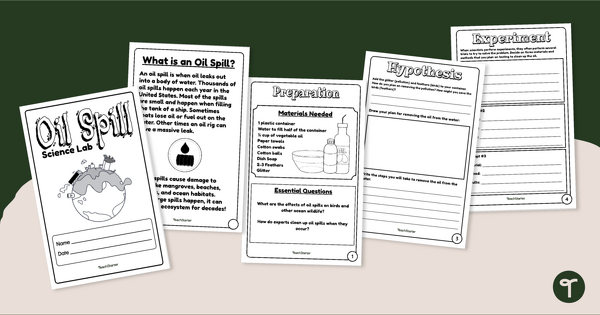
Oil Spill Experiment
Investigate water pollution and discover the effects of oil spills on wildlife with a hands-on oil spill experiment
- Plus Plan
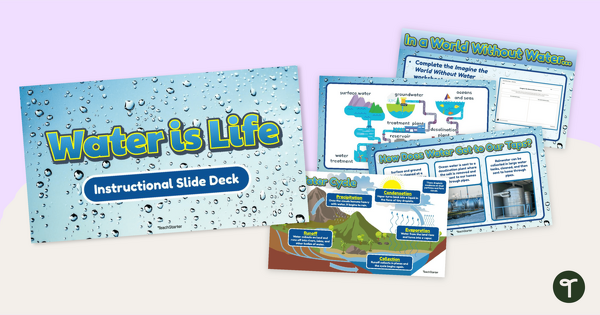
Water is Life - Instructional Slide Deck
Learn about the importance of water to life on Earth, along with where our water comes from, with an instructional slide deck.
- Plus Plan
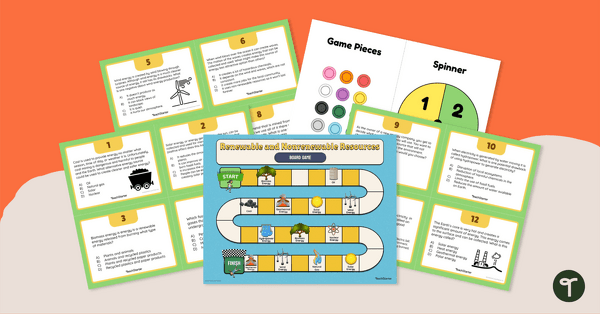
Renewable and Nonrenewable Resources – Board Game
Answer questions related to renewable and nonrenewable resources with this printable board game.
- Plus Plan
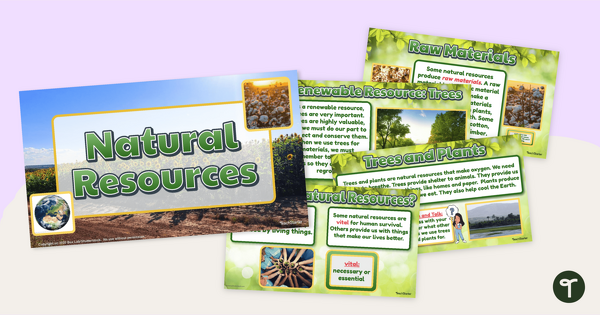
What are Natural Resources - Instructional Slide Deck
Explore natural resources, where they come from, and how we use them with an instructional slide deck.
- Plus Plan
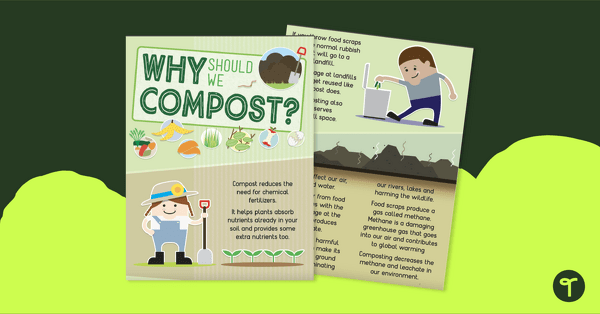
Why Should We Compost? Poster
Use this poster set to explain why it is important to compost food scraps.
- Plus Plan
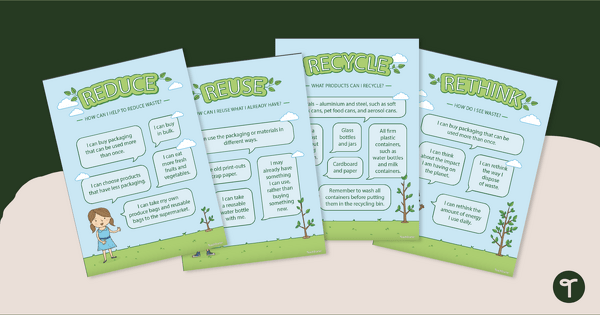
Recycling Poster Pack
Use our Recycling Poster pack to teach your students about sustainability and conservation.
- Plus Plan
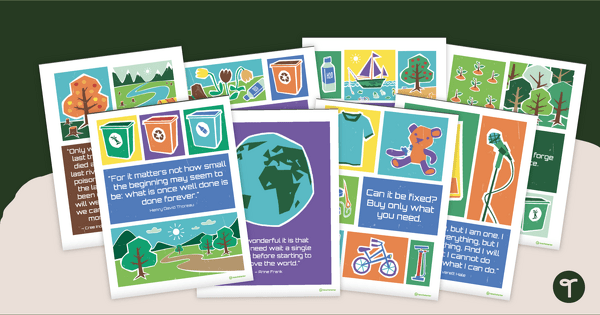
Earth Day Quotes – Environmental Quote Poster Pack
Inspire sustainable practices in the classroom with a pack of printable Earth Day Quotes.
- Free Plan
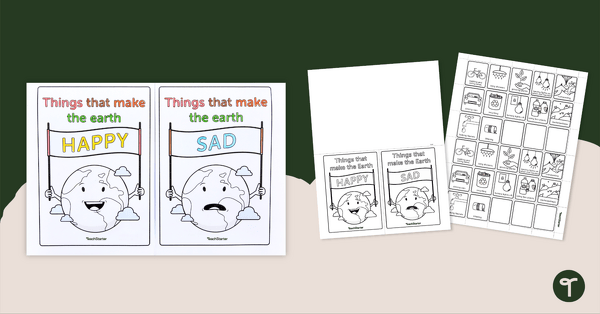
Environmental Awareness Flip Book - Earth Day Activity
Use this flip book to build awareness of actions that are good and bad for the environment.
- Plus Plan
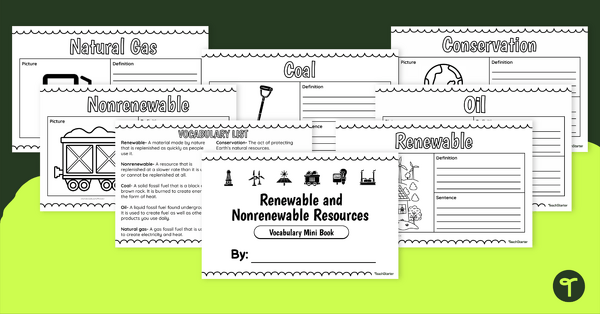
Renewable and Nonrenewable Resources – Vocabulary Mini Book
Reinforce science vocabulary by creating a booklet to reference when studying renewable and nonrenewable resources.
- Plus Plan
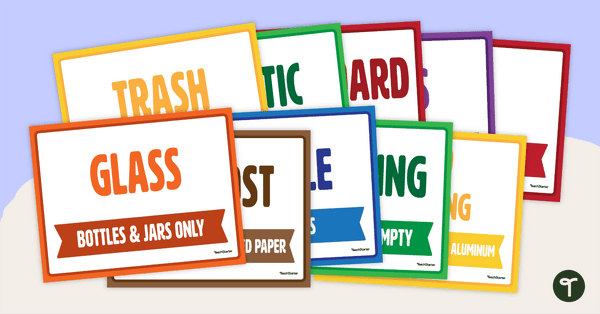
Recycling Labels - Printable Bin Tags
Teach your students how to recycle in the classroom with labeled recycling bins!
- Plus Plan
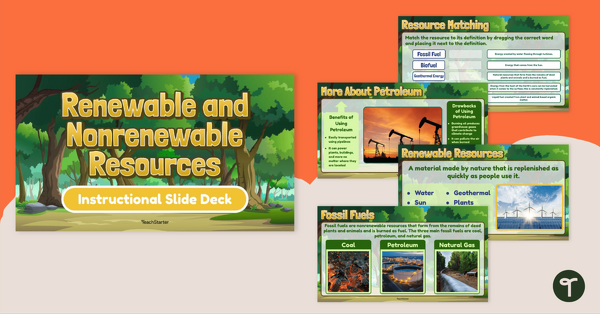
Renewable & Nonrenewable Resources – Instructional Slide Deck
Investigate the differences between renewable and nonrenewable resources as well as the benefits and disadvantages of each with this instructional slide deck.
- Plus Plan
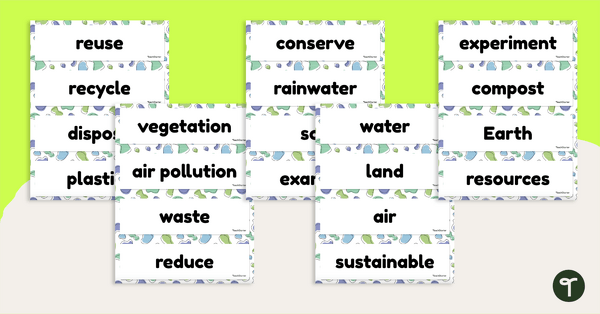
Save the Planet - Earth Words Vocabulary Display
Print and display Earth Day-related terms in your classroom to improve vocabulary and discussion about Earth Day.
- Plus Plan
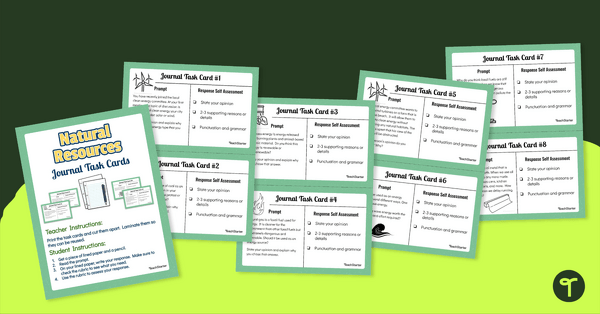
Natural Resources – Journal Task Cards
Integrate science and writing while responding to specific scenarios regarding natural resources with this set of 24 journal task cards.
- Plus Plan
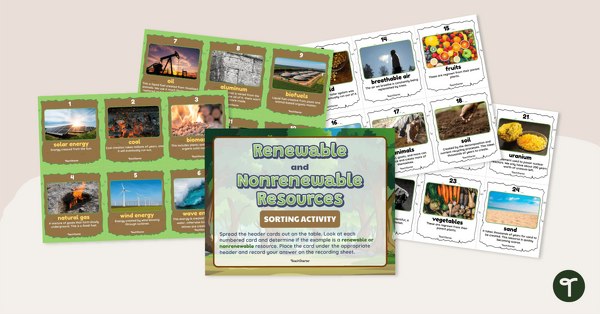
Renewable and Nonrenewable Resources – Sorting Activity
Categorize resources as either renewable or nonrenewable with this 24-card sorting activity
- Plus Plan
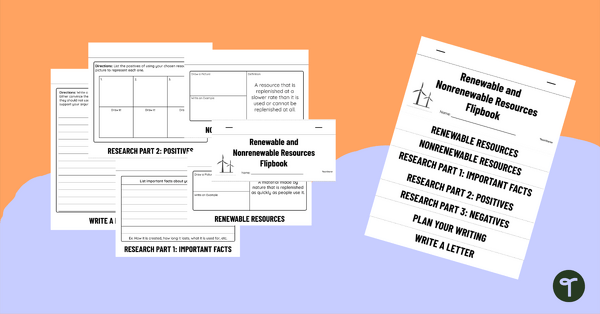
Renewable and Nonrenewable Resources Flipbook
Use this printable science flipbook with your students to research and write about a chosen natural resource.
- Plus Plan
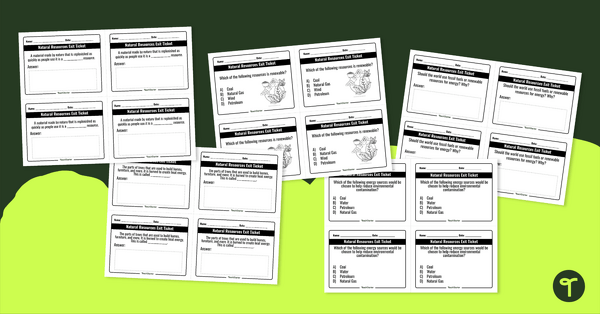
Natural Resources – Exit Tickets
Assess student understanding of natural resources with this set of exit tickets.
- Plus Plan
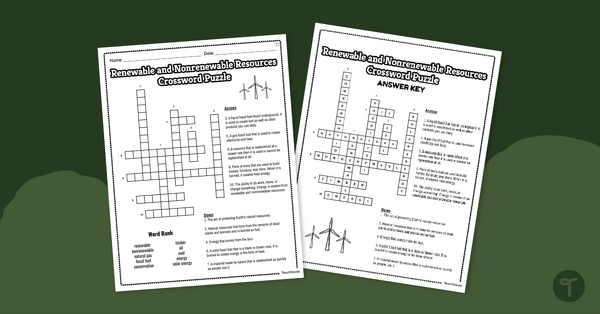
Renewable and Nonrenewable Resources Crossword Puzzle
Reinforce science vocabulary with a renewable and nonrenewable resources crossword puzzle.
- Plus Plan
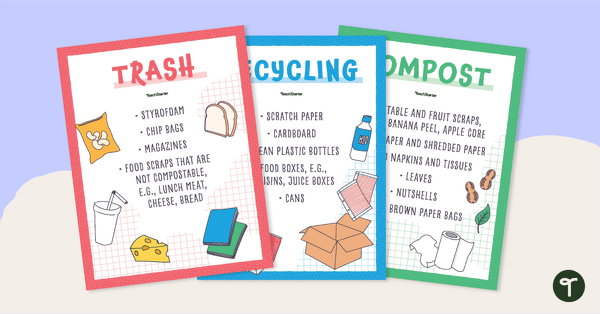
Trash, Recycle, and Compost Posters
Remind your students where to put their waste with these trash, recycling, and compost posters.
- Renewable & Nonrenewable Resources Worksheets
- Renewable & Nonrenewable Resources Posters
- Renewable & Nonrenewable Resources Templates
- Renewable & Nonrenewable Resources for Kindergarten
- Renewable & Nonrenewable Resources for 1st Grade
- Renewable & Nonrenewable Resources for 2nd Grade
- Renewable & Nonrenewable Resources for 3rd Grade
- Renewable & Nonrenewable Resources for 4th Grade
- Renewable & Nonrenewable Resources for 5th Grade
- Renewable & Nonrenewable Resources for 6th Grade