Year 5
The proficiency strands understanding, fluency, problem-solving and reasoning are an integral part of mathematics content across the three content strands: number and algebra, measurement and geometry, and statistics and probability. The proficiencies reinforce the significance of working mathematically within the content and describe how the content is explored or developed. They provide the language to build in the developmental aspects of the learning of mathematics. The achievement standards reflect the content and encompass the proficiencies.
At this year level:
- understanding includes making connections between representations of numbers, using fractions to represent probabilities, comparing and ordering fractions and decimals and representing them in various ways, describing transformations and identifying line and rotational symmetry
- fluency includes choosing appropriate units of measurement for calculation of perimeter and area, using estimation to check the reasonableness of answers to calculations and using instruments to measure angles
- problem-solving includes formulating and solving authentic problems using whole numbers and measurements and creating financial plans
- reasoning includes investigating strategies to perform calculations efficiently, continuing patterns involving fractions and decimals, interpreting results of chance experiments, posing appropriate questions for data investigations and interpreting data sets.
(source: www.australiancurriculum.edu.au)
Achievement Standard
By the end of Year 5, students solve simple problems involving the four operations using a range of strategies. They check the reasonableness of answers using estimation and rounding. Students identify and describe factors and multiples. They identify and explain strategies for finding unknown quantities in number sentences involving the four operations. They explain plans for simple budgets. Students connect three-dimensional objects with their two-dimensional representations. They describe transformations of two-dimensional shapes and identify line and rotational symmetry. Students interpret different data sets.
Students order decimals and unit fractions and locate them on number lines. They add and subtract fractions with the same denominator. Students continue patterns by adding and subtracting fractions and decimals. They use appropriate units of measurement for length, area, volume, capacity and mass, and calculate perimeter and area of rectangles. They convert between 12- and 24-hour time. Students use a grid reference system to locate landmarks. They measure and construct different angles. Students list outcomes of chance experiments with equally likely outcomes and assign probabilities between 0 and 1. Students pose questions to gather data, and construct data displays appropriate for the data.
(source: www.australiancurriculum.edu.au)
- Plus Plan
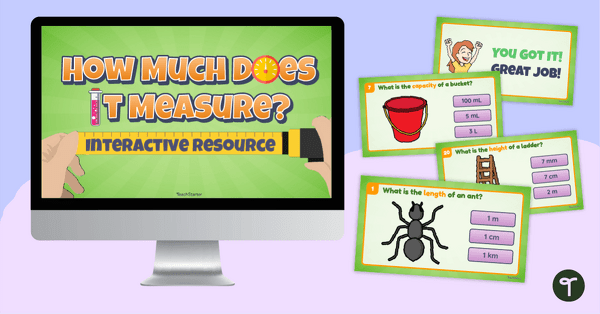
How Much Does It Measure? Interactive Measurement Game
Estimate the height, length, capacity, temperature and more with an engaging ‘How Much Does It Measure?’ Interactive Measurement Game.
- Plus Plan
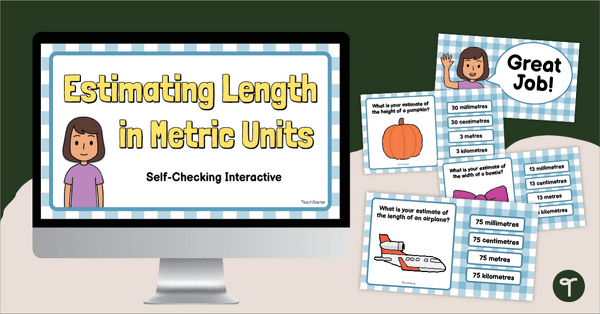
Estimate the Length Game - MM, CM, M, KM
Practise estimating length in metric units with this self-checking Google interactive activity.
- Plus Plan
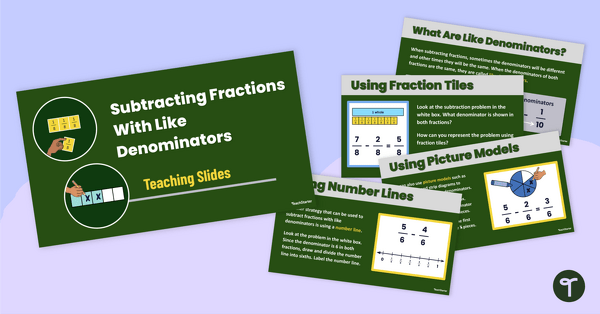
Subtracting Fractions With Like Denominators Teaching Slides
Teach your students how to subtract fractions with like denominators using a variety of strategies with this comprehensive slide deck.
- Plus Plan
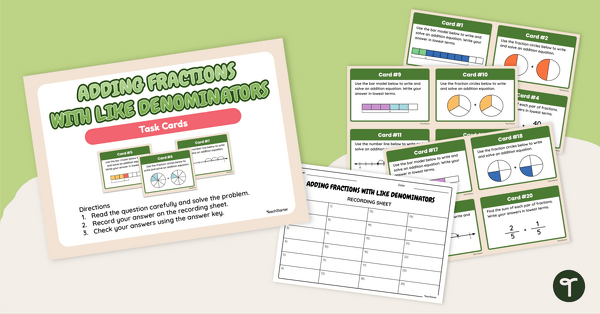
Adding Fractions With Like Denominators Task Cards
Get your students adding fractions with like denominators using this set of task cards focusing on a variety of strategies.
- Plus Plan
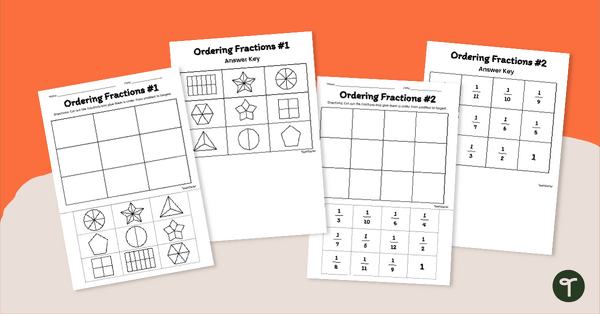
Ordering Unit Fractions Cut and Paste
Practise ordering visual representations of unit fractions and their fraction with this set of worksheets.
- Plus Plan
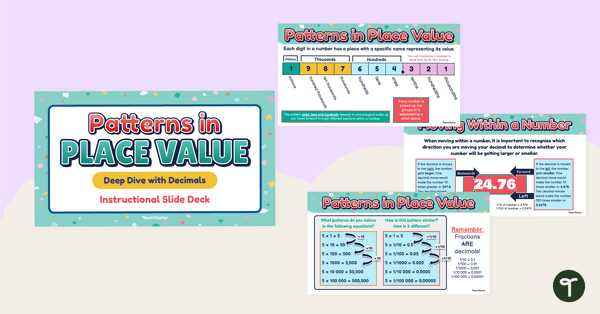
Patterns in Place Value Teaching Slides
Strengthen student understanding of decimal place value and the relationship between place value positions with this instructional slide deck.
- Plus Plan
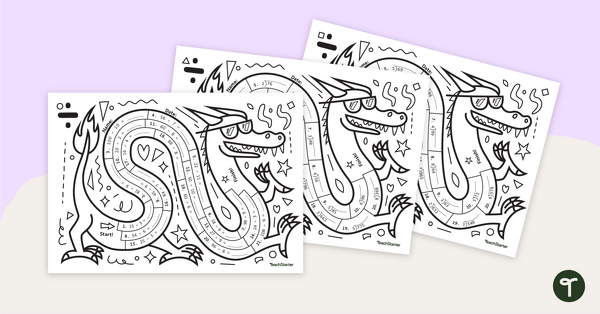
Division Dragon – Worksheet
Division doesn't have to be boring! Let your students practise with our fun differentiated dragon practice sheets.
- Plus Plan
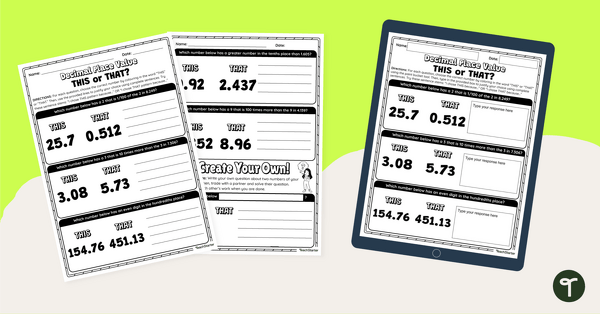
Decimal Place Value – Digital and Printable Worksheet
Get students analysing decimal place value positions with this “This or That?” worksheet.
- Plus Plan
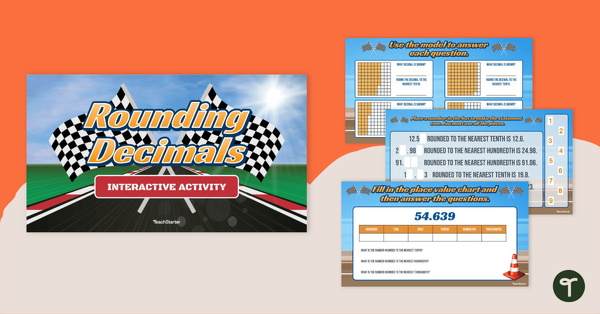
Race Car Rounding With Decimals Interactive Activity
Rev up your maths engines and take the rounding decimals race! Download this interactive activity and challenge your students to become a decimal rounding champion!
- Plus Plan
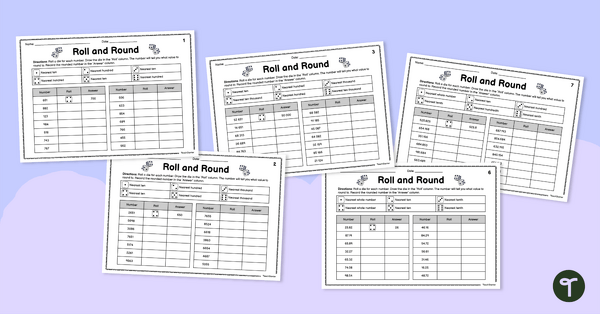
Roll and Round Dice Game Set of 7 Rounding Games
Help your student refine their rounding skills with this set of 7 printable maths games.
- Plus Plan
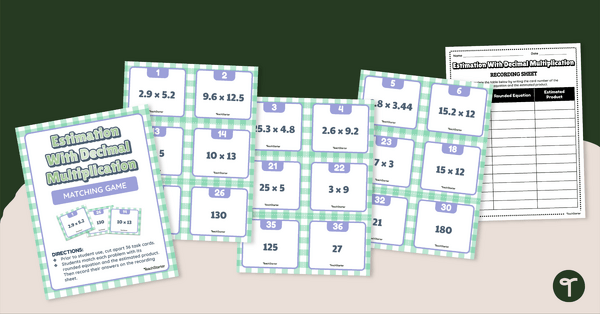
Estimation With Decimal Multiplication Matching Game
Guide your students to estimate products with decimals by using this 36-card matching game.
- Plus Plan
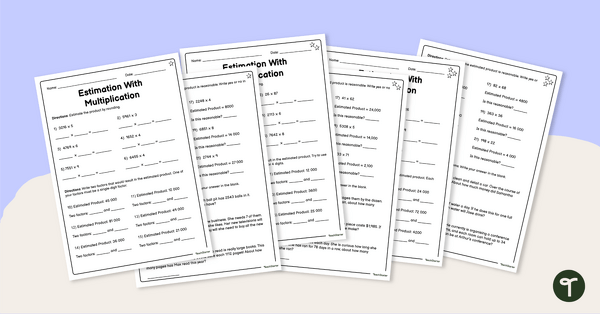
Estimation With Multiplication – Differentiated Worksheets
Guide your students to estimate products of whole numbers with this set of differentiated worksheets.
- Plus Plan
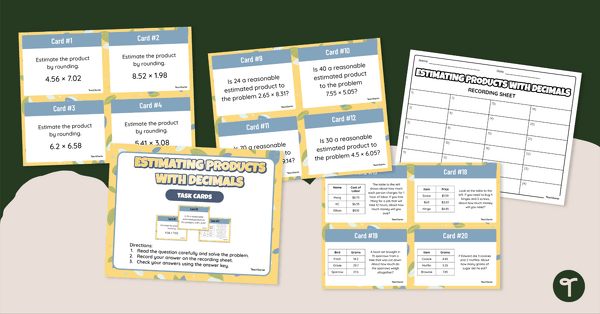
Estimating Products With Decimals Task Cards
Challenge your students to estimate before multiplying decimals with this set of 24 task cards.
- Plus Plan
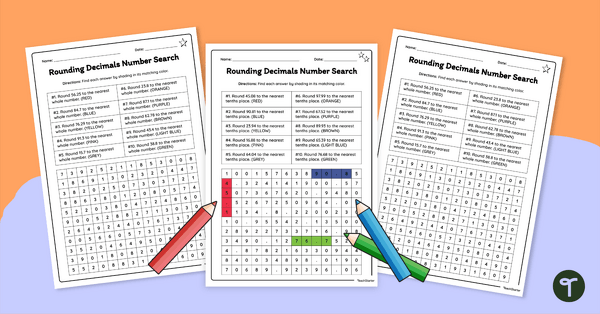
Rounding Decimals Number Search Worksheets
Encourage your students to practise rounding decimals to the nearest whole number, tenth and hundredth with this set of number search worksheets.
- Plus Plan
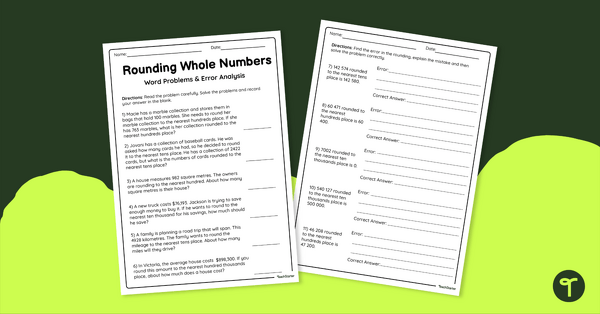
Rounding Whole Numbers Word Problem & Error Analysis Worksheet
Print a maths worksheet with variety of rounding word problems and error analysis challenges.
- Plus Plan
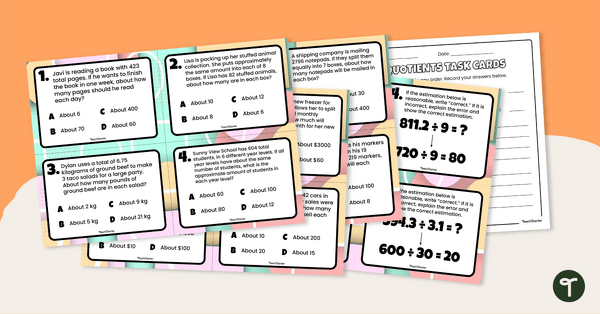
Estimating Quotients Task Cards
Give your students the opportunity to use rounding and compatible numbers to answer estimation questions with this set of 24 task cards.
- Plus Plan
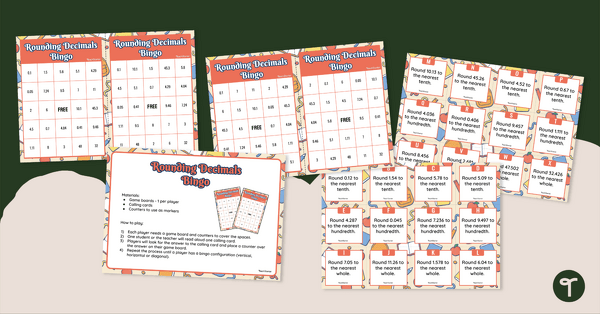
Rounding Decimals Bingo
Review how to round decimals to the nearest whole, tenth and hundredth with a whole-class bingo game.
- Plus Plan
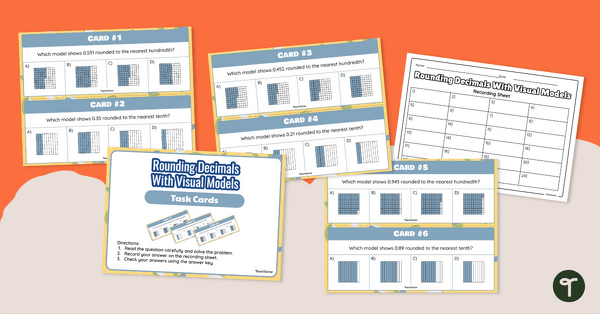
Rounding Decimals With Visual Models – Task Cards
Use these task cards to round decimals to the nearest tenth or hundredth and match each value with a corresponding decimal model.
- Plus Plan
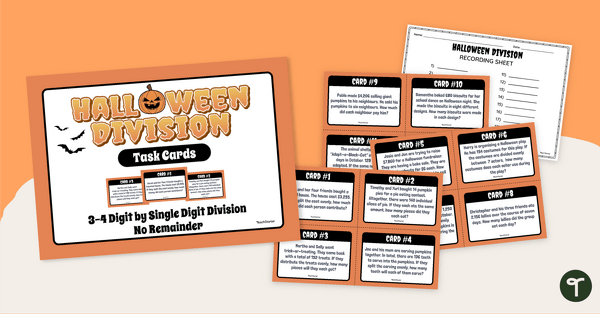
Halloween Themed Division Word Problems - Task Cards
Use various strategies to solve division word problems with a set of Halloween Task Cards.
- Plus Plan
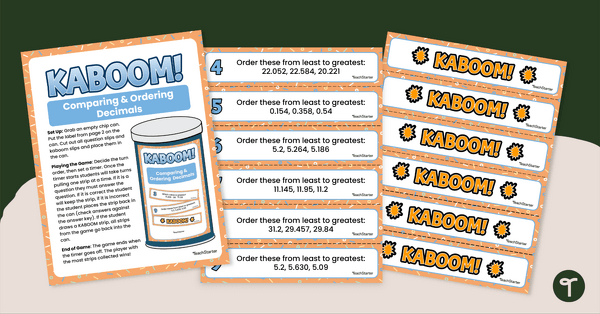
Comparing and Ordering Decimals Year 5 Kaboom Game
Practise comparing and ordering decimals to the thousandths place with an exciting game of Kaboom!
- Plus Plan
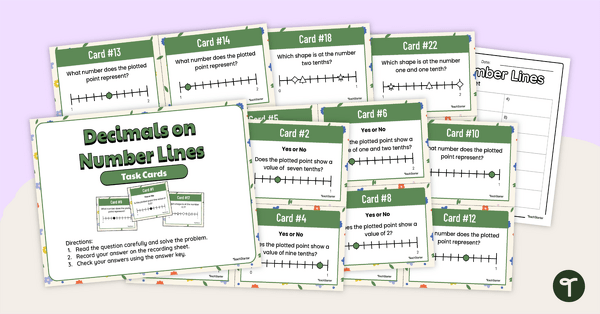
Decimals on Number Lines Task Cards for Year 5
Sharpen your year 5 students’ abilities to identify decimals on a number line with a set of task cards.
- Plus Plan
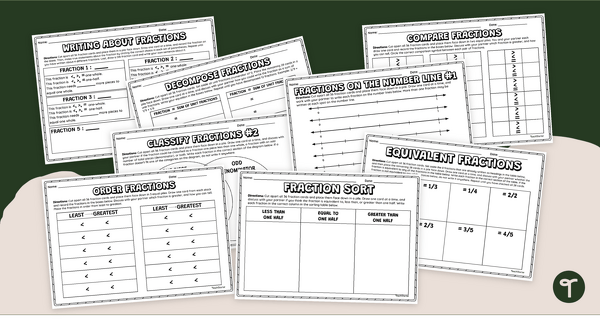
Fraction Fun! Partner Math Tasks
Encourage mathematical collaboration and discussion with a group of thirteen fractions games and partner tasks.
- Plus Plan
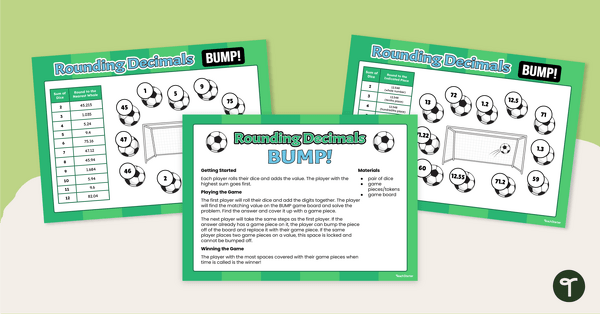
Rounding Decimals Bump! Game
Review how to round decimals with this set of printable year 5 maths games.
- Plus Plan
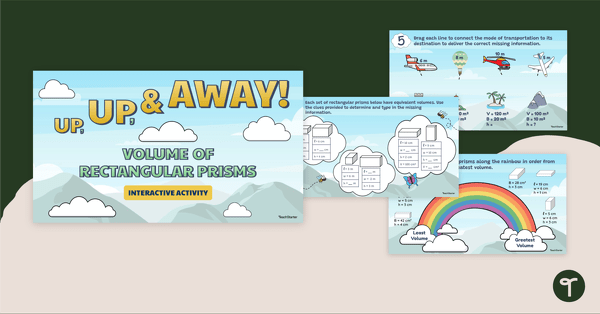
Volume of Rectangular Prisms – Interactive Activity
Practise calculating the volume of rectangular prisms with this interactive activity.
- Plus Plan
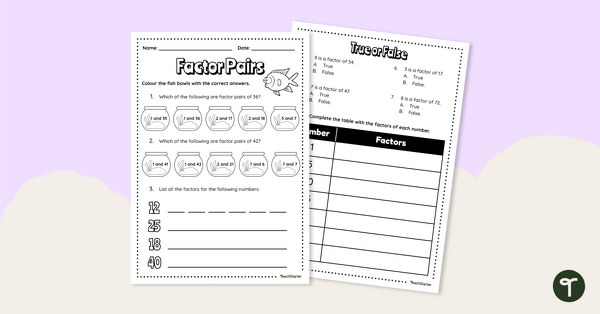
Factor Pairs – Worksheet
Find factor pairs to 100 with this maths worksheet.
- Plus Plan
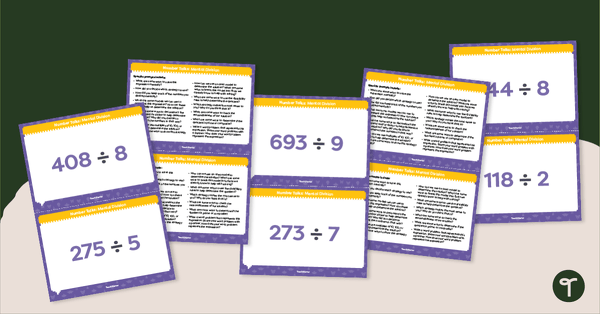
Number Talks - Mental Division Task Cards
Build number sense skills with this set of 24 task cards.
- Free Plan
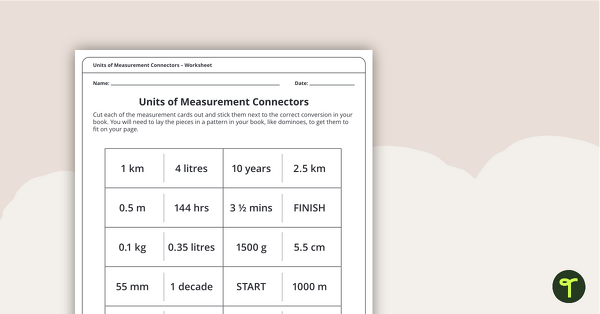
Metric Units of Measurement Connectors
A worksheet connecting units of measurement.
- Plus Plan
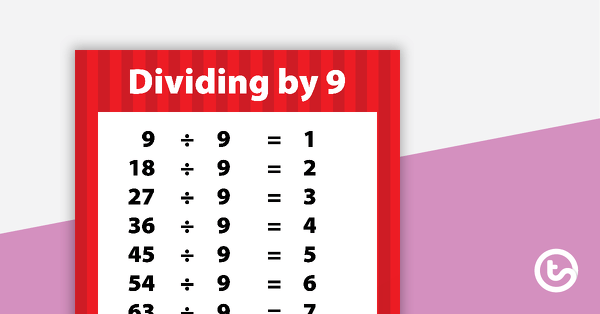
Division Facts Poster - Dividing by 9
A poster showing division facts for nine.
- Plus Plan
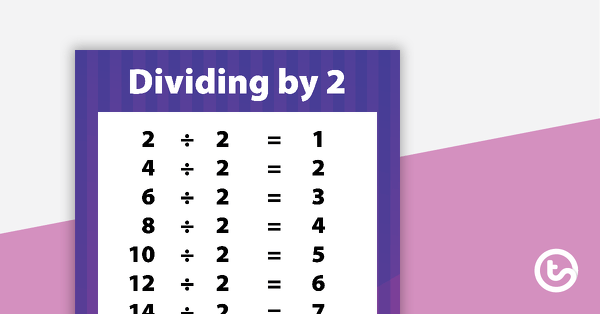
Division Facts Poster - Dividing by 2
A poster showing division facts for two.
- Plus Plan
Multiplication Facts PowerPoint - Ten Times Tables
A 30 slide PowerPoint to use when learning about multiplication.
- Plus Plan
Multiplication Facts PowerPoint - Nine Times Tables
A 30 slide PowerPoint to use when learning about multiplication.
- Plus Plan
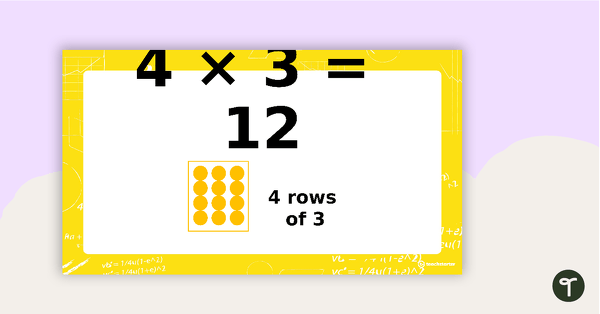
Multiplication Facts PowerPoint - Three Times Tables
A 30 slide PowerPoint to use when learning about multiplication.