Decoding Teaching Resources
Build students' decoding skills with reading activities, printable worksheets and more teacher resources, all created by teachers for classrooms like yours.
This comprehensive collection is filled with resources aligned with both the TEKS and Common Core English curriculums, and each resource has undergone the Teach Starter teacher team's thorough review process. Download resources you know you'll be able to add to your lesson plans immediately!
New to teaching students decoding strategies? Read on for a primer from our teacher team, including a look at how this skill plays into early literacy development and tips to help your students build their decoding savvy!
What Is Decoding in Reading?
It's something you likely know, but we like to start from the top, so let's dig into the meaning of decoding in a reading context. (Just want some ideas? Feel free to scroll down to our collection!)
Simply put, decoding is translating written words into spoken language.
Need a little more?
In early literacy education, decoding refers to the process of breaking words down into their individual sounds and then blending those sounds together to form recognizable words. As students build their skills, they are eventually able to decode — or read — increasingly more complicated written texts.
The process of encoding builds off of phonics instruction, understanding of sight words, pattern recognition and the use of context clues, helping students become fluent readers with strong comprehension skills.
Decoding vs. Encoding — What's the Difference?
When discussing decoding in early education, we typically talk about reading instruction. As noted above, we teach our students to decode — or translate — the written word into the spoken form.
Of course, we don't do this in isolation. Kids need to learn to encode too, and linking instruction of both has been shown to help students learn to be stronger readers and spellers.
So, what is encoding, and how does it differ from decoding?
In an educational context, encoding is the polar opposite, and we tend to use the term in regard to teaching kids to write. In its most basic forms, encoding involves learning to spell different words by representing the sounds with corresponding written letters.
In essence, instead of translating written words into speech, encoding means teaching our students to translate spoken words into written words.
- Plus Plan
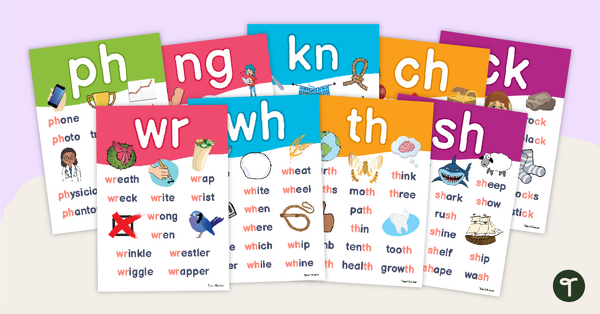
Consonant Digraphs Anchor Chart Pack
Expose your students to the most common consonant digraphs with this set of 9 digraph anchor charts.
- Plus Plan
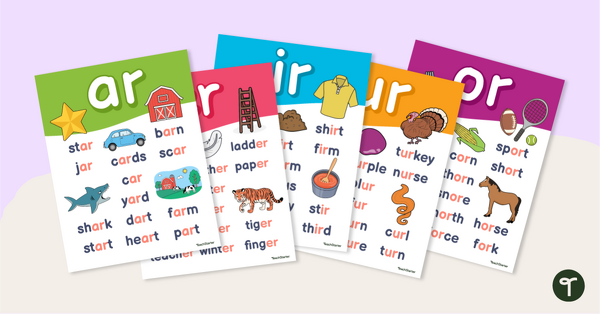
R-Controlled Vowel Posters
Supplement your phonics curriculum with an R-controlled vowel poster display.
- Plus Plan
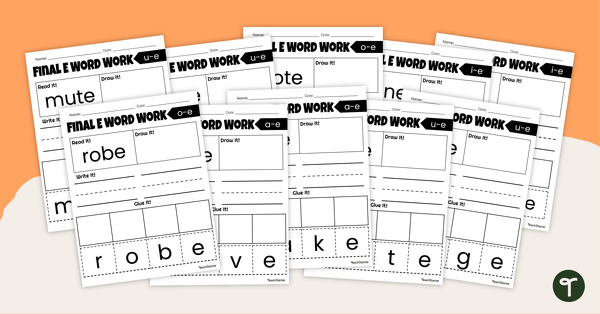
Final E - Word Study Worksheets Pack
Provide extra practice reading, spelling, and writing final-e words with a set of 44 Final E Word Study Worksheets.
- Plus Plan
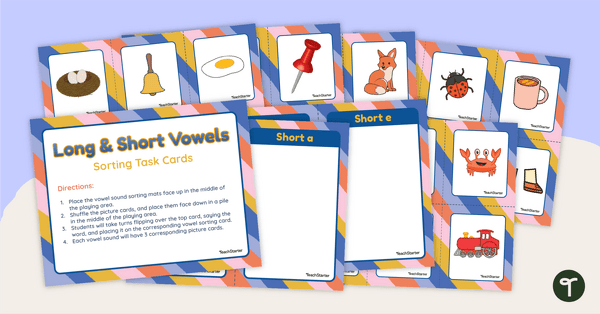
Short and Long Vowel Sounds Sorting Center
Distinguish between long and short vowel sounds with a short and long vowel sorting center activity.
- Plus Plan
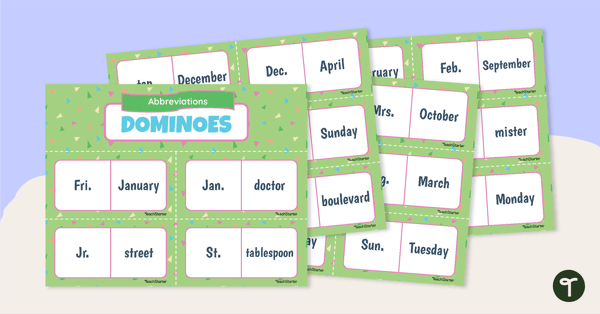
Abbreviations Dominoes
Build vocabulary and spelling skills and have fun with abbreviation word games.
- Plus Plan
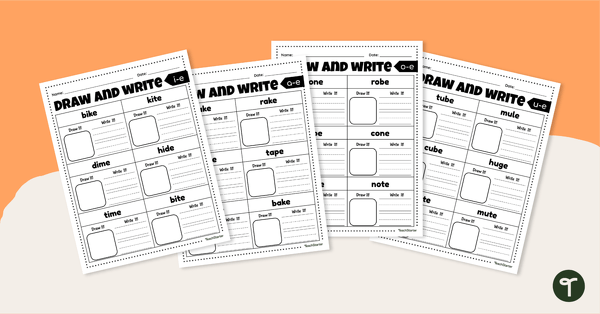
Draw and Write Final E Worksheet Pack
Provide extra practice reading, spelling, and writing final-e words with Draw and Write Worksheets.
- Plus Plan
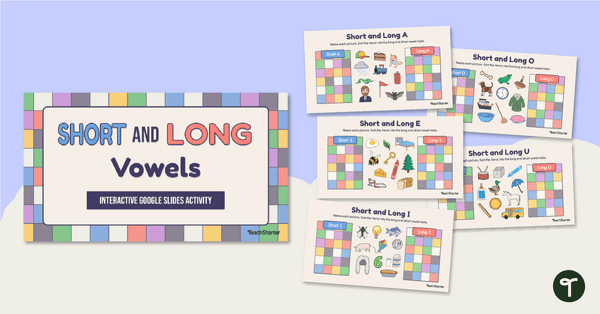
Short and Long Vowels Google Interactive Activity
Read and identify short and long vowel sounds and place the pictures into the correct columns.
- Plus Plan
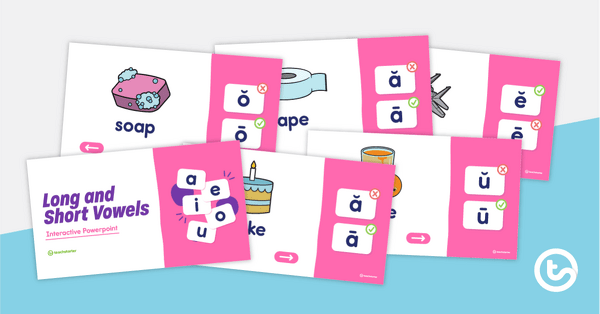
Differentiating Long and Short Vowels - Interactive PowerPoint
Practice differentiating between long and short vowel sounds with this interactive PowerPoint.
- Plus Plan
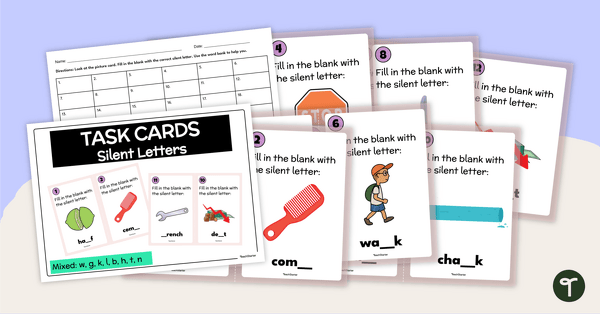
Silent Letters Task Cards
Identify missing silent letters in words with this set of 20 task cards and letter tiles.
- Plus Plan
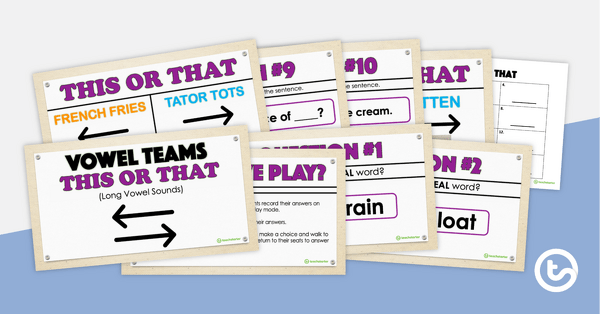
This or That! PowerPoint Game - Vowel Teams
An active PowerPoint game to practice decoding words with vowel teams.
- Plus Plan
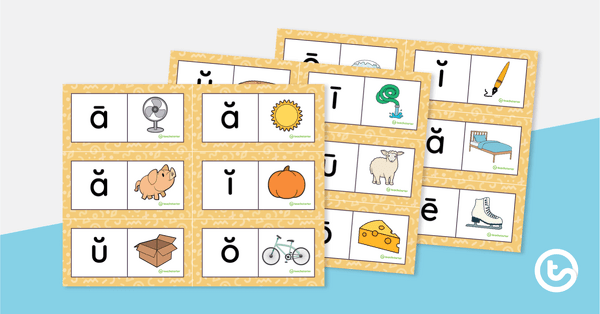
Long and Short Vowel Sounds Dominoes
Distinguish between long and short vowel sounds with this set of 28 dominoes.
- Plus Plan
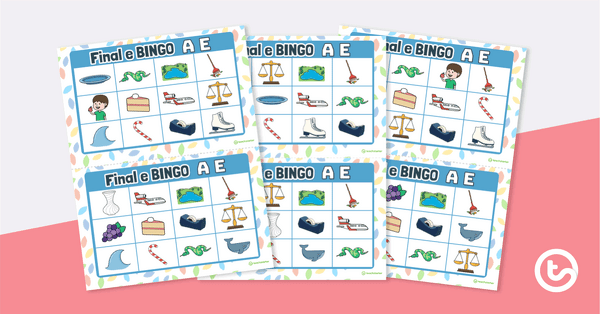
Final e BINGO - A_E
Decode final e words with the long a vowel sound using this set of 20 bingo game boards.
- Plus Plan
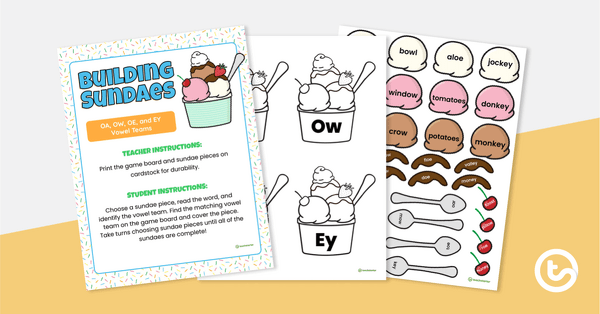
Building Sundaes Game - Vowel Teams (OA, OW, OE, and EY)
Decode words with OA, OW, OE, and EY long vowel teams by crafting cute desserts!
- Plus Plan
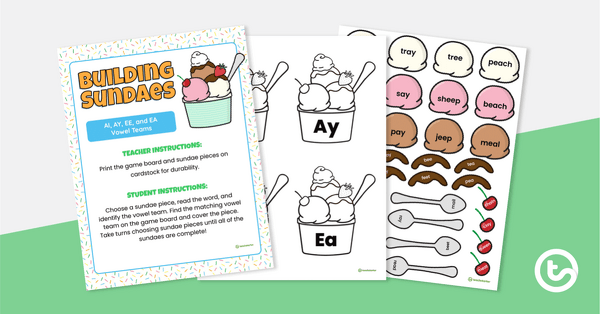
Building Sundaes Game - Vowel Teams (AI, AY, EE, and EA)
Decode words with ay, ai, ea, and ee long vowel teams by crafting cute desserts!
- Plus Plan
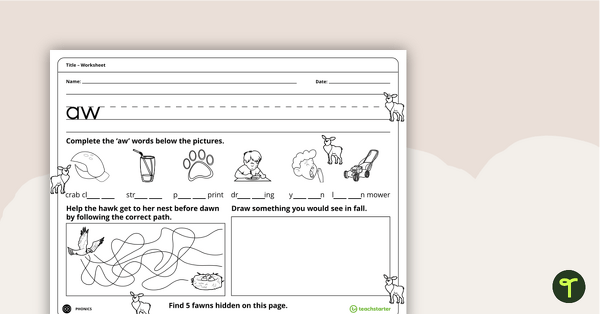
Digraph Handwriting - Worksheets
24 digraph worksheets that focus on handwriting and vocabulary activities.
- Plus Plan
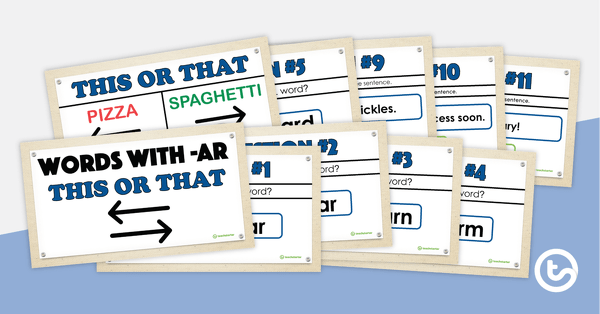
This or That! PowerPoint Game – -ar Words
Practice decoding -ar words with your students with this fun movement game.
- Plus Plan
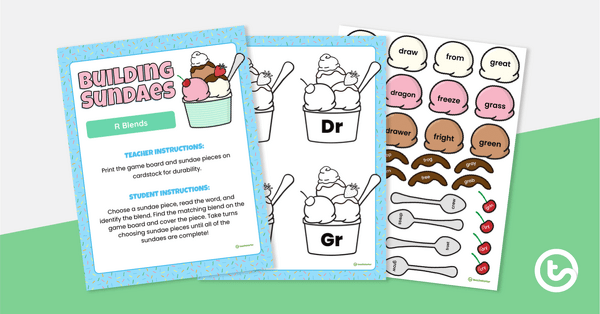
Building Sundaes Game - R Blends
Build a sundae to practice decoding words with R consonant blends.
- Plus Plan
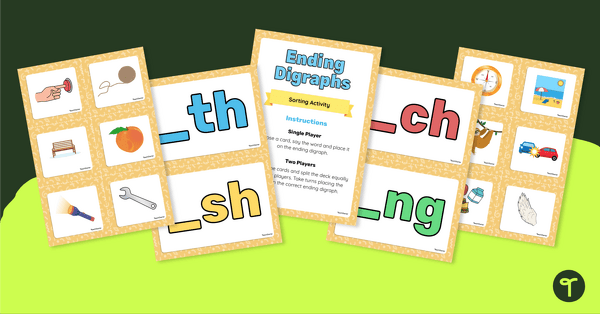
Ending Digraphs Sorting Activity
Practice decoding words by sorting 20 picture cards by their ending digraphs.
- Plus Plan
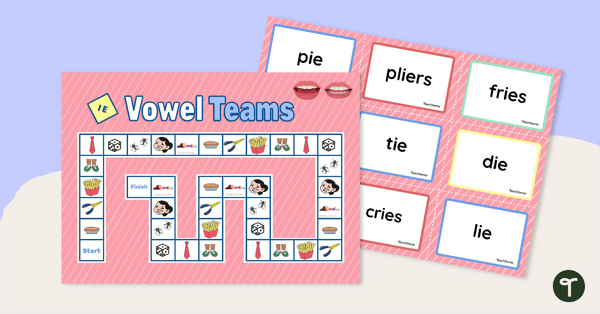
IE Vowel Team Board Game
Practice decoding words with the ie vowel team in this board game.
- Plus Plan
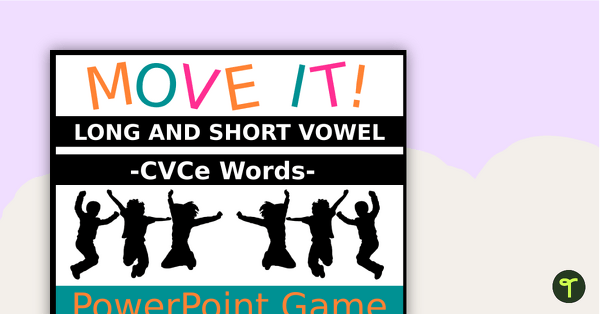
Move It! - Long and Short Vowel 'U' PowerPoint Game
An active PowerPoint game to practice reading and identifying long and short vowel ‘u’ words.
- Plus Plan
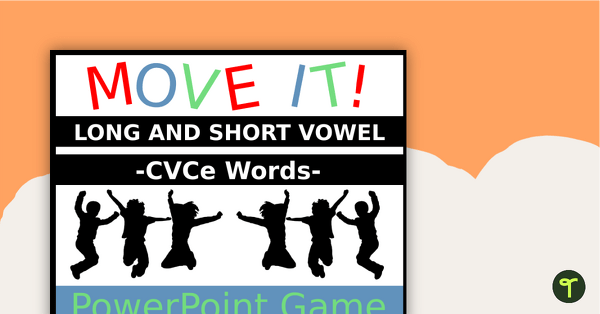
Move It! - Long and Short Vowel 'O' PowerPoint Game
An active PowerPoint game to practice reading and identifying long and short vowel ‘o’ words.
- Plus Plan
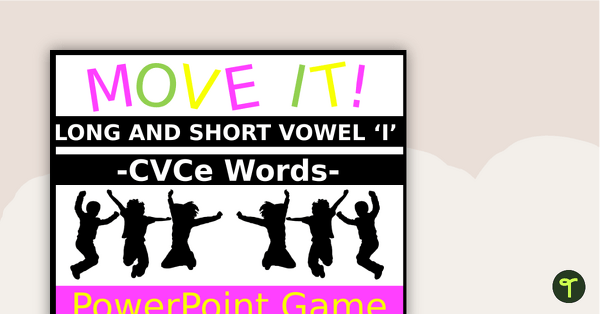
Move It! - Long and Short Vowel 'I' PowerPoint Game
An active PowerPoint game to practice reading and identifying long and short vowel ‘i’ words.
- Plus Plan
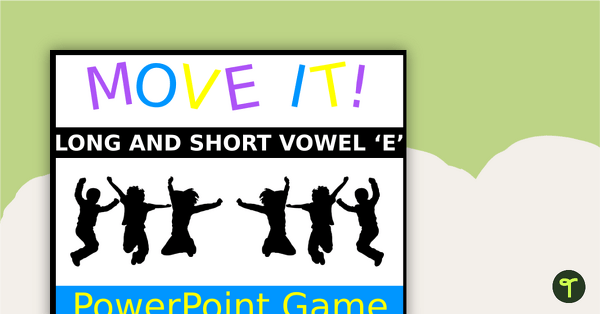
Move It! - Long and Short Vowel 'E' PowerPoint Game
An active PowerPoint game to practice reading and identifying long and short vowel ‘e’ words.
- Plus Plan
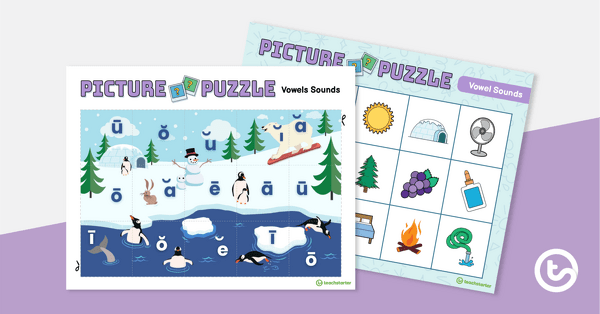
Vowel Sounds Winter Picture Puzzle
Distinguish between long and short vowel sounds with this 15 piece vowel picture puzzle.
- Plus Plan
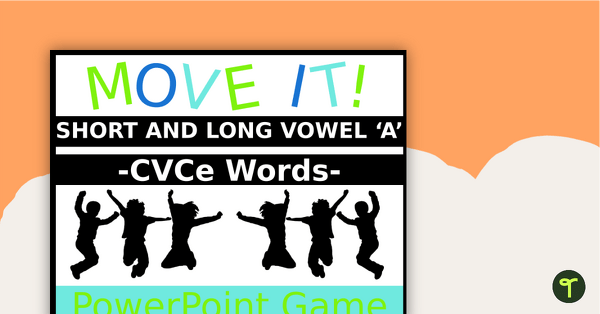
Move It! - Long and Short Vowel 'A' PowerPoint Game
An active PowerPoint game to practice reading and identifying long and short vowel 'a' words.
- Plus Plan
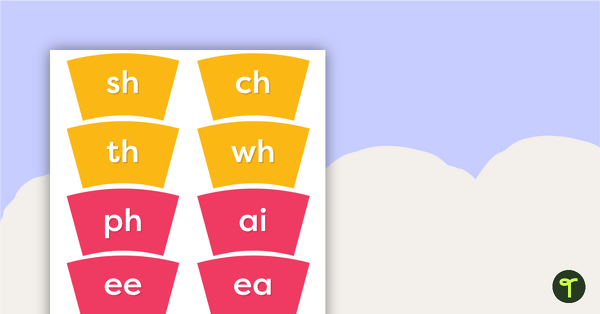
Classroom Spinner Template - Digraphs
A classroom spinner template focusing on digraphs.
- Plus Plan
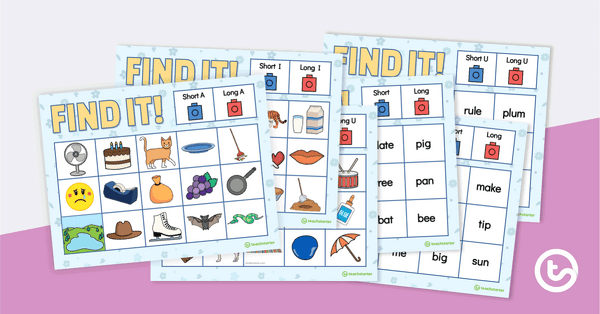
FIND IT! Long and Short Vowels - Task Cards
Practice distinguishing between short vowel sounds and long vowel sounds with this set of 16 task cards.
- Plus Plan
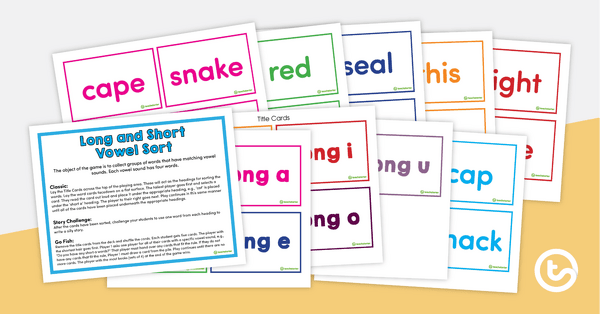
Long and Short Vowel Sort
A set of 40 sorting cards to practice long and short vowel sounds.
- Plus Plan
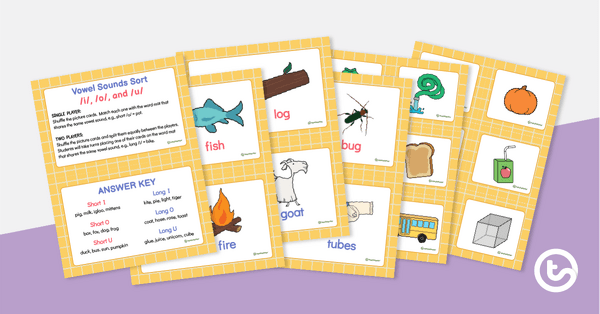
Vowel Sounds Sort - /i/, /o/, and /u/
Practice distinguishing between long and short vowel sounds for letters /i/, /o/ and /u/ by sorting this set of 24 picture cards into categories.
- Plus Plan
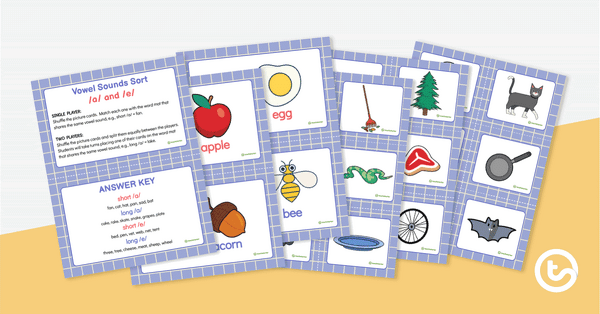
Vowel Sounds Sort - /a/ and /e/
Practice distinguishing between long and short vowel sounds for letters /a/ and /e/ by sorting this set of 24 picture cards into categories.
- Plus Plan
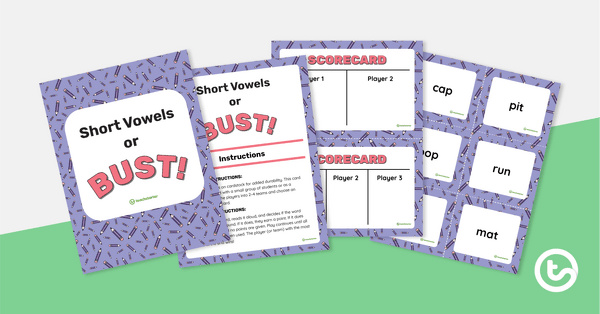
Short Vowels or BUST! Card Game
This phonological awareness activity awards points for correctly identifying the words with short vowel sounds.
- Plus Plan
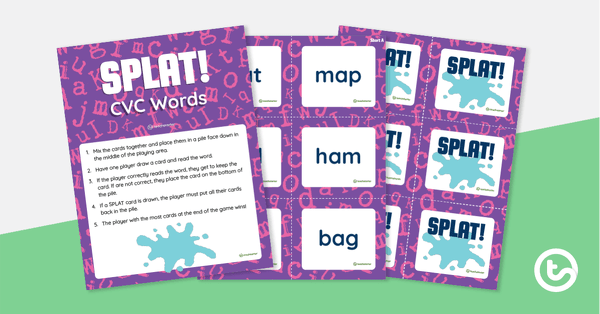
SPLAT! CVC Word Game
Practice decoding and reading 3-letter words with your students with our Splat card game that includes 36 game cards.