Social Emotional Learning Teaching Resources
Are you on the hunt for social emotional learning activities, printable PDFs and more to bring SEL to life in your elementary lessons this school year? The list of academic benefits of SEL instruction is a mile long, and the Teach Starter teacher team has created a robust collection of social and emotional learning resources made with teachers – and your students — in mind.
We've made planning your social-emotional learning lessons simple with printable SEL worksheets and digital social and emotional activities designed specifically for the needs of elementary school students. Each resource in this collection has undergone rigorous review by the expert teachers on our team to make sure you'll be comfortable passing them out in the classroom or sending them home in a student's backpack.
Pardon us if we're sharing something you already know (feel free to skip right to the social emotional learning activities!), but if you're new to incorporating SEL into your classroom, you may need a quick refresher! Read on for a guide from our teacher team, including a handy definition of social emotional learning, and ways to implement the five core competencies of SEL.
What Is Social-Emotional Learning? A Simple Definition
The most common social-emotional learning — or social and emotional learning — definition describes SEL as "the process through which all young people and adults acquire and apply the knowledge, skills, and attitudes to develop healthy identities, manage emotions and achieve personal and collective goals, feel and show empathy for others, establish and maintain supportive relationships, and make responsible and caring decisions."
What Are the Social Emotional Learning Core Competencies?
We know are definition is a bit of a mouthful, but essentially social and emotional learning covers the following five core competencies:
- Self-Awareness
- Self-Management
- Social Awareness
- Relationship Skills
- Responsible Decision Making

Where Did Social and Emotional Learning Come From?
Teachers have been teaching many of the skills that now fall under the social and emotional learning curriculum for centuries. It's always been our goal to help shape little minds to be caring, productive, and engaged citizens.
But the roots of what we now consider SEL can be traced back to a project in the New Haven, Connecticut schools where school administrators worked with Yale researchers, parents, mental health workers, and teachers to refocus not just the school's academic programs but their social ones too. The project started in the 1960s at two schools considered "underperforming," and by the 1980s, these same schools had academic scores that were at the top of the nation's rankings.
From there, the K-12 New Haven Social Development program was born, establishing a framework for incorporating social and emotional learning into the curriculum. Meanwhile, the non-profit Collaborative for Academic, Social, and Emotional Learning (CASEL) was born in 1994, helping to really bring the term "social and emotional learning" into the zeitgeist.
CASEL was born out of the New Haven projects and helped shape the official definition of SEL listed above in 1997. It now works to expand SEL in schools around the country.
Why Is Social-Emotional Learning Important?
Not sure you have time to fit all of this in alongside the state standards that you're preparing students to meet? A solid social and emotional learning curriculum will help students with everything from managing emotions and developing coping skills to setting positive goals, engaging in positive relationships, and solving problems effectively.
The importance of SEL is hard to overstate, but here are a few core benefits:
- Promote mental health and well-being — Teaching social and emotional lessons in the classroom can help students develop the skills they need to manage their emotions, build positive relationships, and cope with stress and challenges. It's a small step toward better mental health for all.
- Improve academic performance — There's strong research showing that students who have strong social and emotional skills are more likely to be engaged in learning and perform better academically.
- Create a positive classroom culture — Teaching social and emotional lessons can help create the kind of classroom culture where students feel safe, respected, and supported — exactly what we all strive for!
- Prepare students for life after school — Social and emotional skills are essential for success beyond the classroom, be it at home in the immediate future or in college or the workforce. Teaching these skills helps students be better equipped to handle the challenges they will face.
- Address specific social and emotional needs — Teaching social and emotional lessons can help address students' specific needs, such as building self-esteem, managing emotions, and developing empathy for others. This can also help to create a more inclusive and equitable classroom where all students feel respected and valued. It's also good for your overall classroom management.

How to Teach Social and Emotional Lessons
There's little question that there's value in social and emotional learning, but how do you actually teach it? There's no simple answer here, as the exact methodology will differ based on grade level, individual student needs, and even your classroom dynamics!
That said, here are some strategies from our teacher team to keep in mind as you consider how you're incorporating the components of SEL in your instruction:
- Modeling — This is likely no surprise — we are our students' role models in the classroom for so much. Don't underestimate the value of your own active listening, displays of empathy and self-regulation, and other skills that are essential for your students' social and emotional development.
- Classroom Culture — Establishing a safe and supportive learning environment where students feel respected, valued, and empowered goes a long way. Fostering a sense of community, promoting positive communication, and encouraging collaboration and teamwork are all helping kids build their SEL quotient!
- Integration — Of course, you can (and should) have explicit instruction on SEL, but you can also incorporate SEL concepts into your core subject lessons. Discuss emotions related to a character in a book or working on group projects that require collaboration and communication. If you're teaching math, emphasize the importance of perseverance and problem-solving skills. Teaching social studies? Discuss empathy and the ability to understand different perspectives. It all comes together!
- Plus Plan
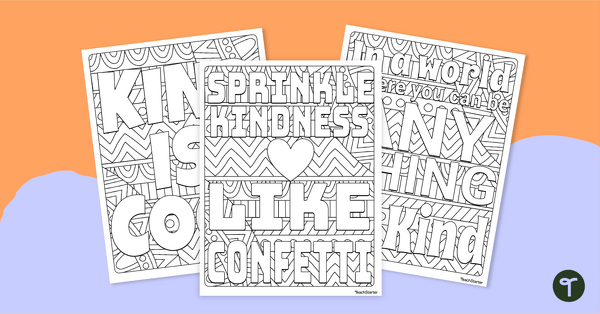
World Kindness Day Coloring Sheets
Use these World Kindness Day coloring pages as a fun art activity with your students.
- Plus Plan
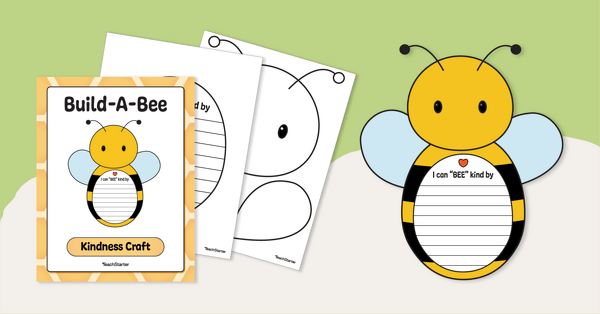
World Kindness Day Craft Activity - Bee Kind Template
Build a beautiful World Kindness Day Bee with a writing and craft template.
- Plus Plan
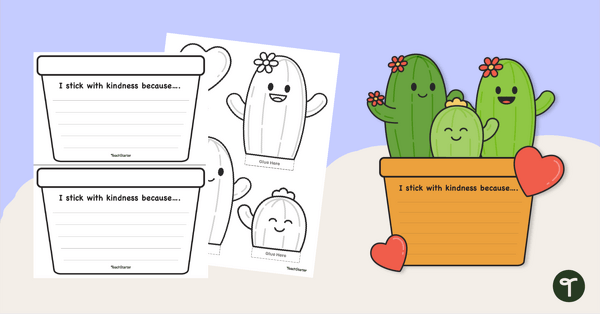
World Kindness Day Craft - Stick with Kindness
Discuss the importance of kindness and explore why we should ‘stick with kindness’ with this writing and craft activity.
- Plus Plan
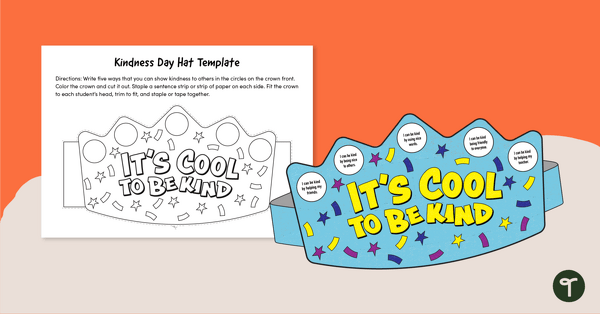
Kindness Hat Template
Use this printable kindness hat to celebrate Random Acts of Kindness Day or World Kindness Day in the classroom!
- Plus Plan
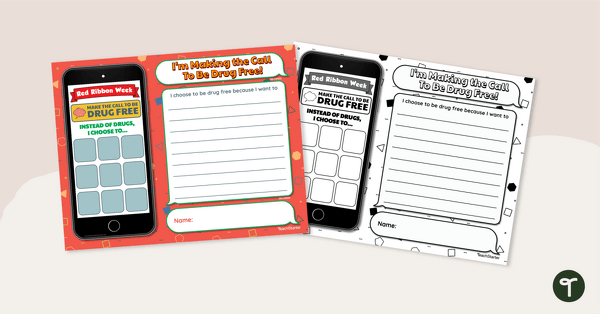
Make the Call - Drug Prevention Poster Template
Help your students make the call to stay drug-free with a smartphone-themed Drug Prevention Poster Template.
- Plus Plan
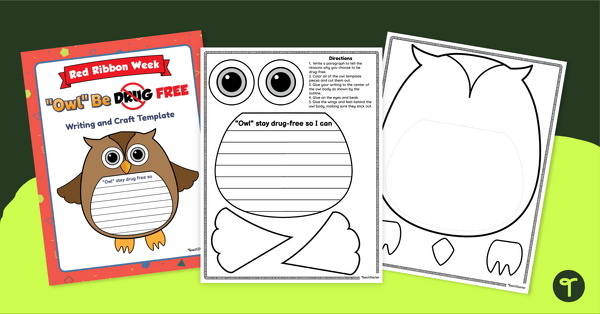
"Owl" Stay Drug Free - Red Ribbon Week Craft
Celebrate Red Ribbon Week with this Owl Craft and writing activity!
- Plus Plan
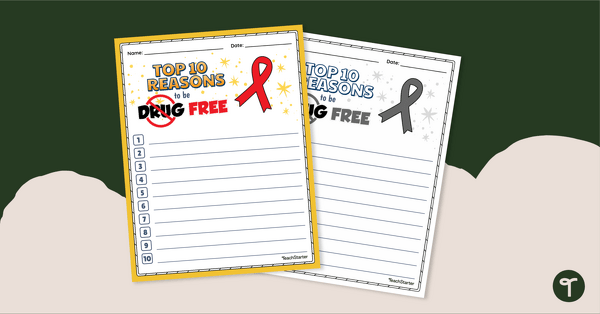
Top Ten Reasons to Be Drug Free Worksheet
Help your students pledge to stay drug-free with a Red Ribbon Week Top 10 Template.
- Plus Plan
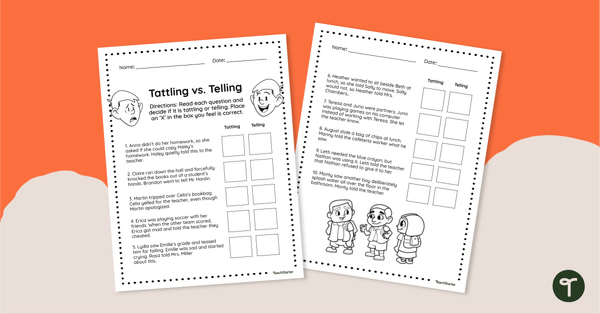
Tattling vs. Telling Worksheet
Explore the differences between “tattling” and “telling” with this simple worksheet.
- Plus Plan
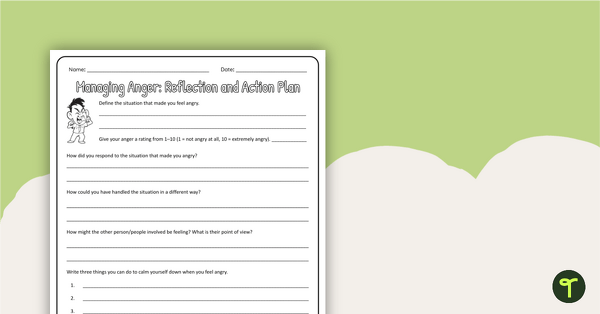
Managing Anger Worksheet (Intermediate)
Help older students identify and manage angry feelings with this self-reflection and action plan worksheet.
- Plus Plan
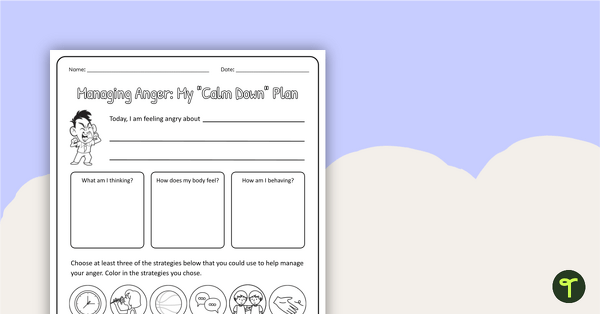
Managing Anger Worksheet (Primary)
Help students identify and manage their anger with this self-relfection worksheet
- Plus Plan
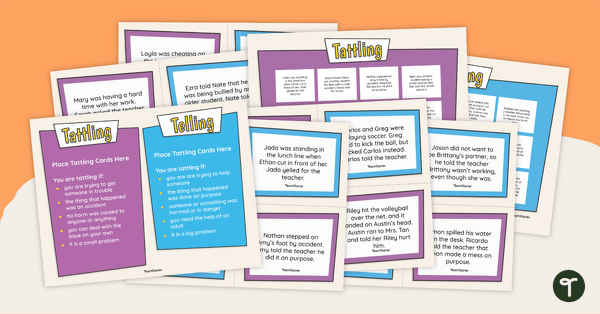
Tattling vs Telling Sorting Activity
Explore the differences between “tattling” and “telling” with this hands-on sorting activity.
- Plus Plan
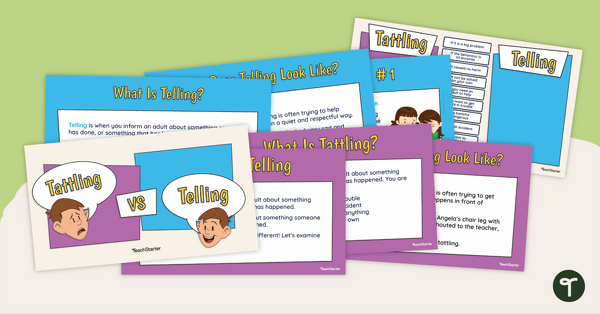
Tattling vs. Telling Teaching Presentation
Teach your students the difference between “tattling” and “telling” with this comprehensive teaching presentation.
- Plus Plan
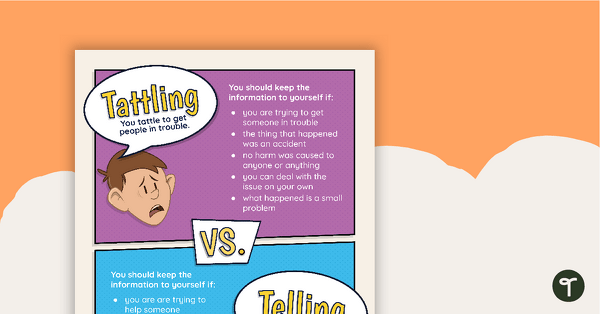
Tattling vs. Telling Poster
Teach your students the difference between “tattling” and “telling” with this classroom display poster.
- Plus Plan
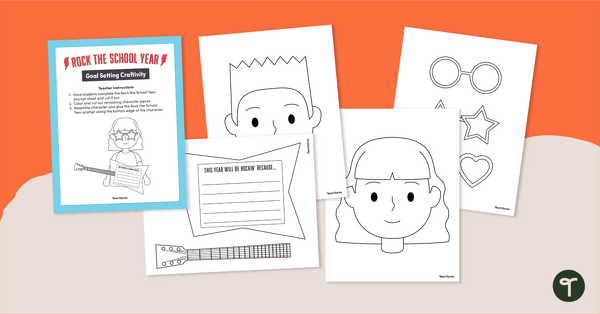
Rockin' School Year - First Day of School Printable Craftivity
Set goals to have a rockin’ school year with a first day of school printable writing craftivity.
- Plus Plan
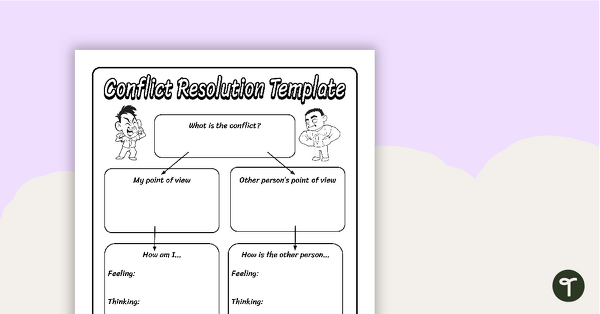
Conflict Resolution Template
Manage classroom and playground conflicts positively and proactively with this conflict resolution template.
- Plus Plan
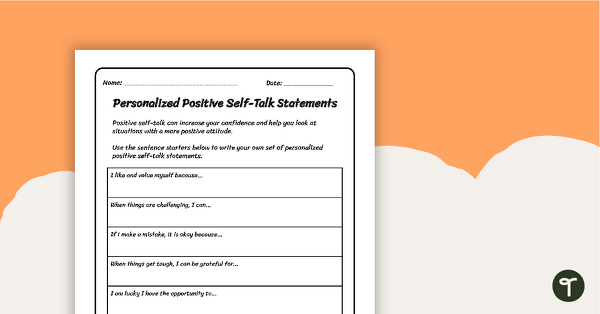
Personalized Positive Self-Talk Statements - Worksheet
Face challenges with positivity and a growth mindset by compiling a personalized list of positive self-talk statements.
- Plus Plan
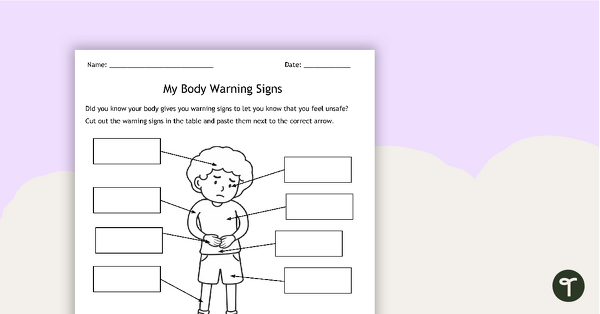
My Body Warning Signs - Worksheet
Help students identify the body signs that indicate they are feeling unsafe with this cut and paste worksheet.
- Plus Plan
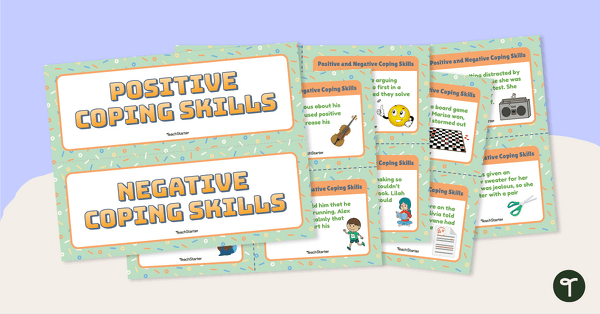
Positive and Negative Coping Skills - Sorting Activity
Explore the difference between positive and negative coping skills with these real-life scenario sorting cards.
- Plus Plan
Choose KINDNESS - Bulletin Board Display
Remind your students to choose KINDNESS with this interactive bulletin board display.
- Plus Plan
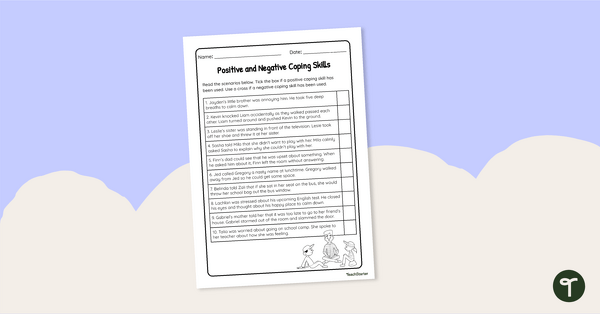
Positive and Negative Coping Skills Worksheet
Identify positive and negative coping skills with this real-life scenarios worksheet.
- Plus Plan
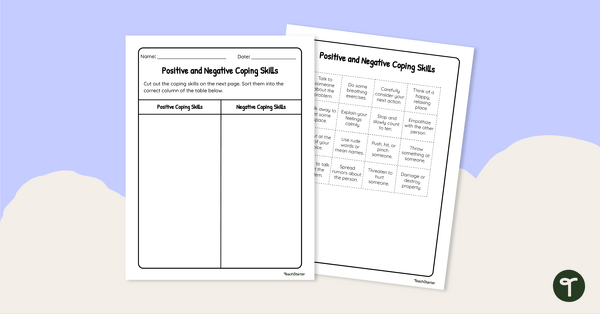
Positive and Negative Coping Skills - Cut and Paste Worksheet
Explore the difference between positive and negative coping skills with this cut and paste worksheet.
- Plus Plan
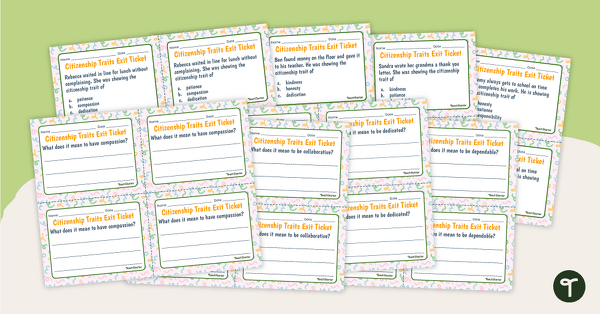
Traits of Good Citizens - Exit Tickets
Assess and analyze student understanding of what makes a good citizen with a set of 20 exit tickets.
- Plus Plan
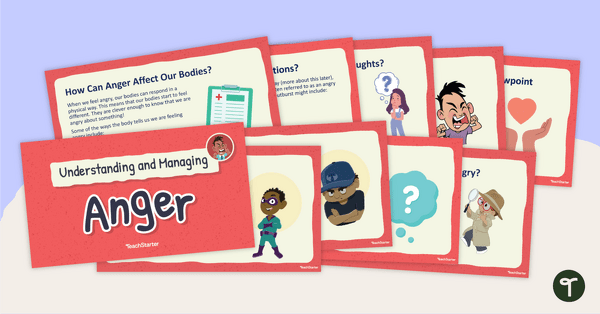
Understanding and Managing Anger Teaching Presentation
Teach your students about angry feelings with this comprehensive guide to understanding and managing anger.
- Plus Plan
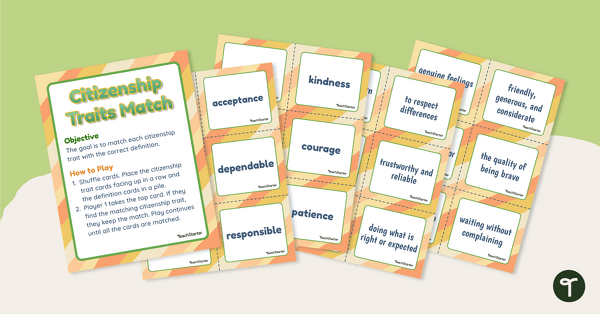
Traits of Good Citizens Matching Activity
Identify and match characteristics of good citizens with a vocabulary-building exercise.
- Plus Plan
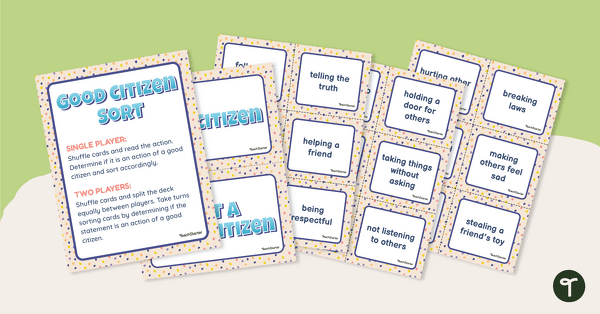
How to Be a Good Citizen - Sorting Center
Grow a new batch of good citizens with a citizenship sorting activity.
- Plus Plan
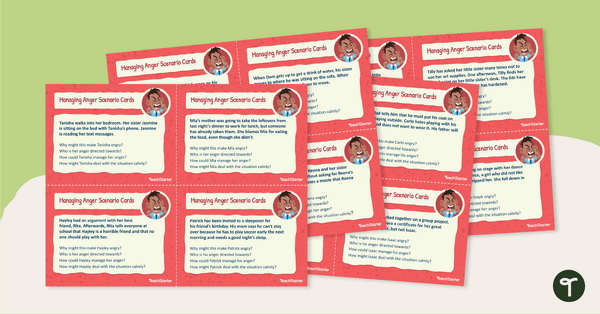
Managing Anger Scenario Cards
Explore ways to manage anger in a variety of real-life situations with this set of 16 scenario cards.
- Plus Plan
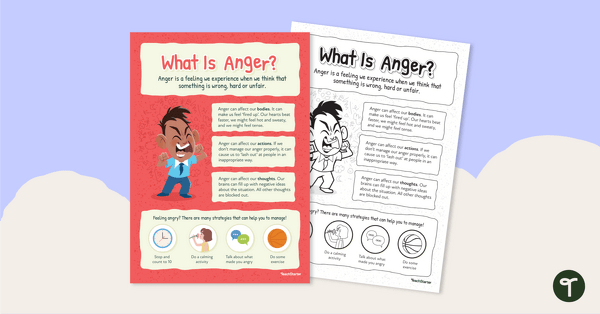
What Is Anger? Poster
Teach your students to understand and manage anger with this informative classroom display poster.
- Plus Plan
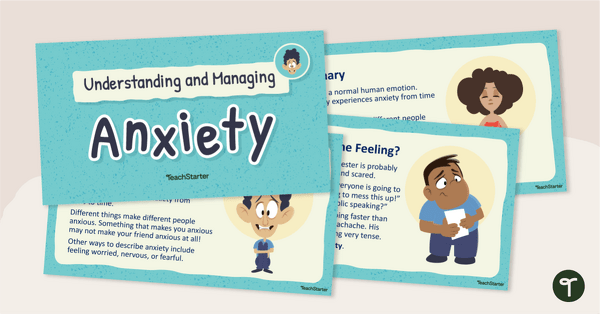
Understanding and Managing Anxiety Teaching Presentation
Teach your students about anxious feelings with this comprehensive guide to understanding and managing anxiety.
- Plus Plan
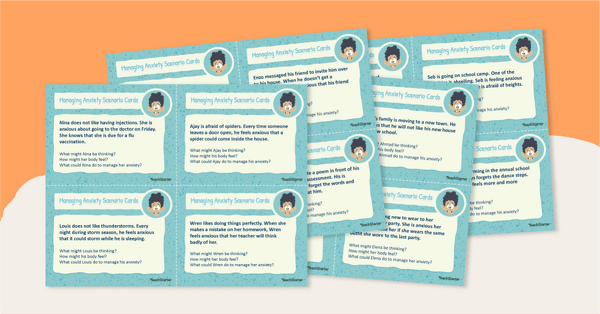
Managing Anxiety Scenario Cards
Explore ways to manage anxiety in a variety of real-life situations with this set of 16 scenario cards.
- Plus Plan
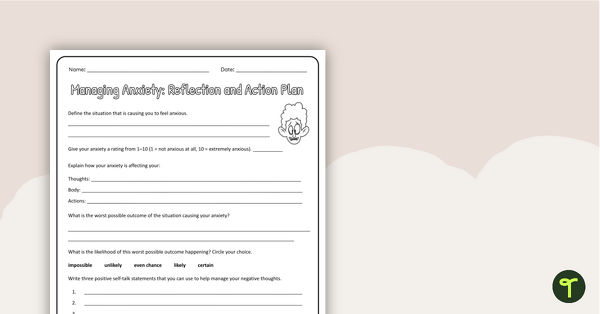
Managing Anxiety Worksheet (Intermediate)
Help older students identify and manage anxious feelings with this self-reflection and action plan worksheet.
- Plus Plan
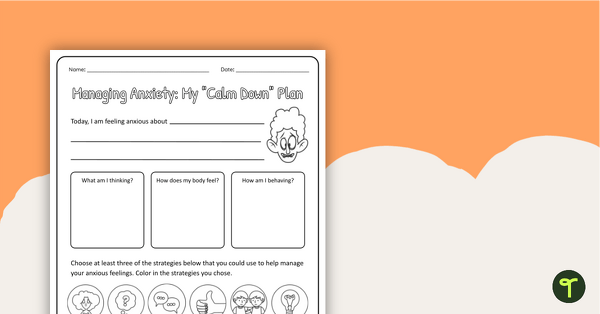
Managing Anxiety Worksheet (Primary)
Help students identify and manage anxious feelings with this self-reflection worksheet.
- Plus Plan
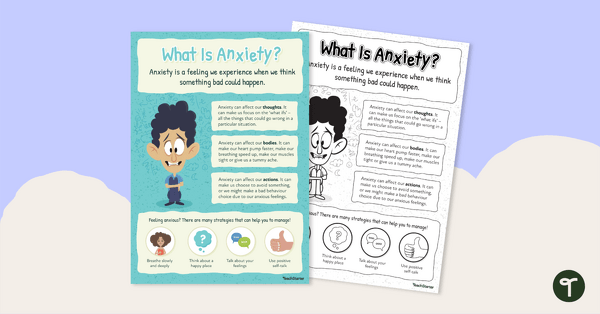
What Is Anxiety? Poster
Teach your students to understand and manage anxious feelings with this informative classroom display poster.
- Social Emotional Learning Templates
- Social Emotional Learning Worksheets
- Social Emotional Learning Posters
- Social Emotional Learning Games
- Social Emotional Learning Projects
- Social Emotional Learning for Pre-K
- Social Emotional Learning for Kindergarten
- Social Emotional Learning for 1st Grade
- Social Emotional Learning for 2nd Grade
- Social Emotional Learning for 3rd Grade
- Social Emotional Learning for 4th Grade
- Social Emotional Learning for 5th Grade
- Social Emotional Learning for 6th Grade