Renewable & Nonrenewable Resources Teaching Resources
Teach your students all about renewable and nonrenewable resources this school year with printable worksheets, activities, vocabulary guides and more created by teachers for your elementary science lessons.
Aligned to the NGSS, this collection of teaching resources has been created with differentiated options and editable versions to make your lesson plans easier to create and save you time! Each resource in this collection has been thoroughly reviewed by a member of the Teach Starter teacher team to ensure it's ready for your lesson planning and your students.
New to teaching this section of the elementary science curriculum or looking for fresh ideas to explain the difference between renewable and nonrenewable resources and why these are so important? Read on for a primer from our teacher team!
What Are Natural Resources? A Kid-Friendly Definition
In order to explain renewable and nonrenewable and the differences between them, students first need to understand what it means to have a natural resource. Here's a natural resources definition to share with your students:
Natural resources are materials or substances that are naturally occurring in the environment and are valuable to humans for their economic, environmental, or cultural benefits. These resources are generally classified into two categories — renewable and nonrenewable resources.
What Is a Renewable Resource?
Need a kid-friendly way to explain this concept? Try this one: A renewable resource is a natural resource that we can use over and over again without running out. It's sort of like having a cookie jar that never runs out of cookies. Only in this case, the "cookies" provide the energy we need for things like heating our homes and running the electrical items in our schools.
Sometimes renewable resources will be regenerated naturally, while others require human intervention (for example, tree planting replenishes the supply of wood but requires people to do some work!).
What Are Some Examples of Renewable Resources?
Some examples of renewable resources include:
- Sun — The sun is one of the most abundant renewable resources in the US, and it is used to create energy with the help of solar panels.
- Wind — Wind turbines harness this renewable resource, generating electricity as gusts of wind move through them.
- Water — Hydroelectric dams are often used to create energy with this renewable resource.
What Is a Non-Renewable Resource? A Kid-Friendly Definition
As the prefix "non" would indicate, nonrenewable resources are essentially the opposite of the renewable type. These natural resources used to create energy cannot be easily replenished or replaced.
Some may be used up entirely over time, and once they're gone, they will be gone for good. Others may come back, but the time it takes to come back is so long that it won't happen for thousands or even millions of years, which means we will run out too quickly.
Many nonrenewable resources create other issues, such as the harm that burning fossil fuels represents to the environment. Nonrenewable resources are often considered unsustainable, and their use is a major contributor to environmental degradation, climate change, and other global issues.
What Are Some Examples of Nonrenewable Resources?
Some examples of nonrenewable resources that you can share with your students include:
- Fossil fuels — Nonrenewable fossil fuels like coal, oil and natural gas are used for electricity and heat but would take millions of years to regenerate.
- Minerals — Gold, silver and copper are all minerals that are mined for use in electronics, jewelry and more, but they won't just replenish naturally.
Renewable Energy vs. Non-Renewable Energy — What's the Difference?
Many of the resources we have are tied to the energy we use to power our houses, our cars and more. We classify these energy types as either renewable energy or non-renewable energy.
So what's the difference? Let's look at a breakdown you can share with students.
Renewable Energy
The energy that comes from natural resources that can be replenished over a relatively short period of time is called renewable energy.
Types of renewable energy include:
- Solar
- Wind
- Geothermal
- Biomass
Non-Renewable Energy
Non-renewable energy is energy that is produced with finite resources that cannot be easily replenished.
Sources of non-renewable energy include:
- Coal
- Oil
- Natural gas
- Free Plan
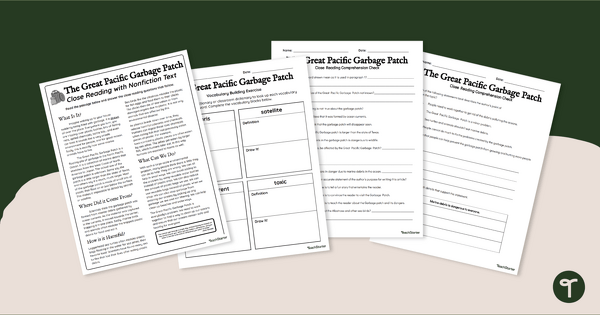
Comprehension Worksheets - The Great Pacific Garbage Patch
Read and learn about the Great Pacific Garbage Patch with a reading comprehension passage and worksheet pack.
- Free Plan
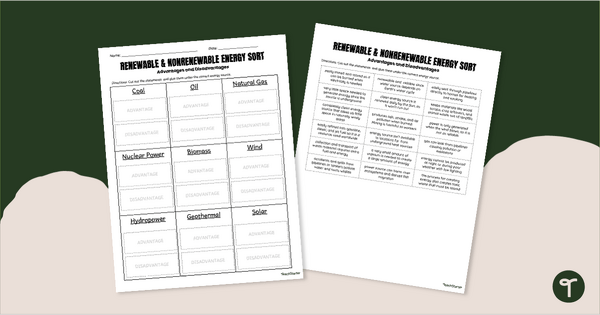
Renewable and Nonrenewable Energy Source Sort
Explore the advantages and disadvantages of different energy sources with a cut-and-paste Renewable and Nonrenewable Energy Sort.
- Plus Plan
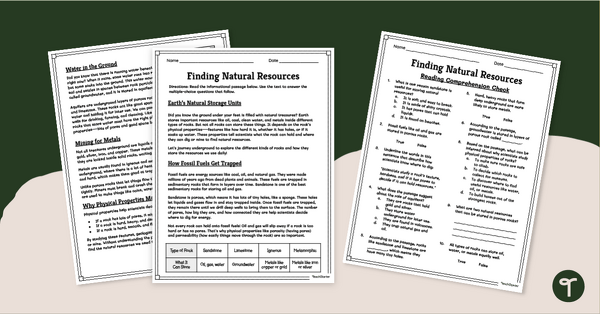
Finding Earth’s Resources Worksheet - Natural Resources & Fossil Fuels
Explore what's buried in rocks underground with a printable Earth’s Resources Worksheet for 4th Grade.
- Plus Plan
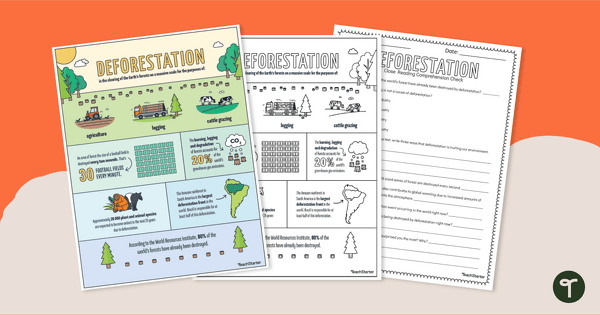
Deforestation-Infographic Analysis Activity
Read and understand an infographic about Deforestation with a thought-provoking poster and comprehension questions.
- Plus Plan
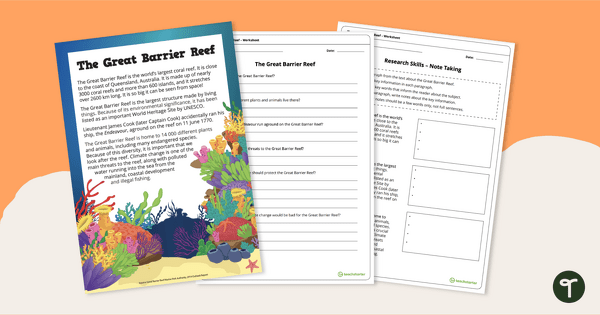
Great Barrier Reef - Comprehension and Note Taking Worksheet
Learn about The Great Barrier Reef with a comprehension and note-taking activity.
- Plus Plan
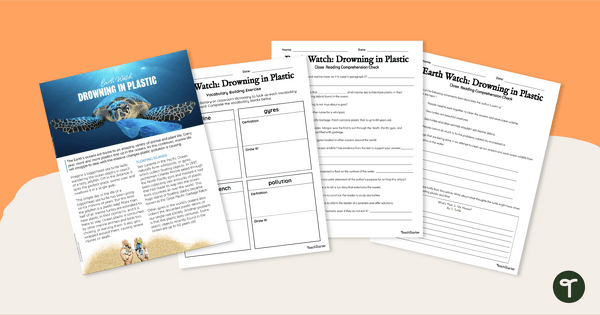
Earth Watch: Drowning in Plastic - Comprehension Worksheet
Practice reading comprehension skills and learn about microplastic pollution in our oceans with a reading comprehension activity.
- Plus Plan
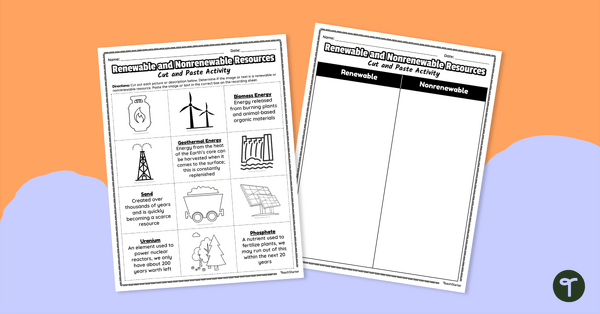
Renewable and Nonrenewable Resources – Cut and Paste Worksheet
Sort renewable and nonrenewable resources with this cut-and-paste science worksheet.
- Plus Plan
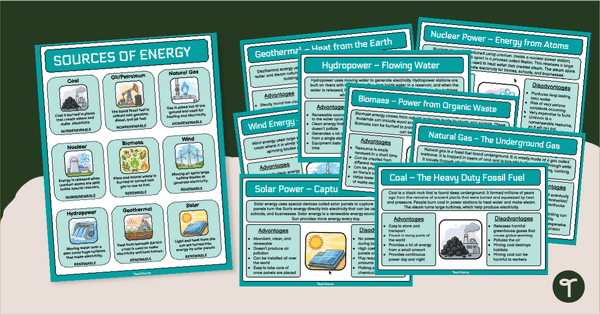
Renewable & Nonrenewable Energy Posters
Explore nine alternative energy sources with a set of printable Renewable & Non-Renewable Energy Posters.
- Plus Plan
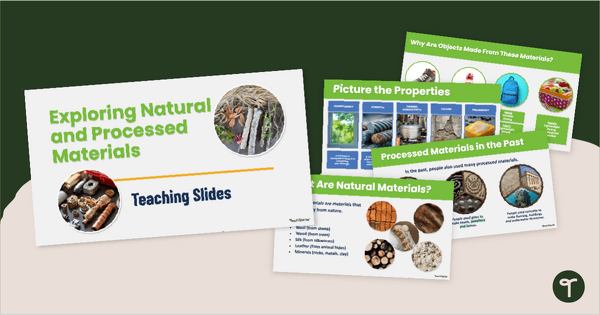
Exploring Natural and Processed Materials PowerPoint
Explore natural and manmade materials with an interactive Natural and Processed Materials PowerPoint presentation.
- Free Plan
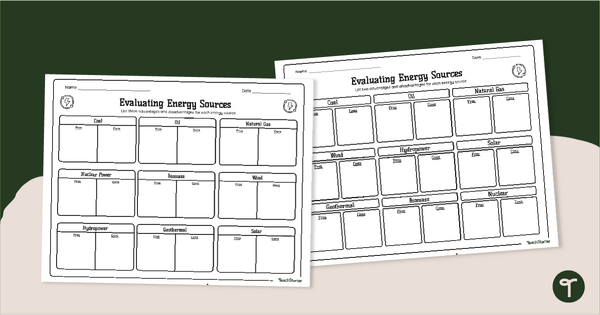
Energy Source Pros and Cons Chart
Examine the pros and cons of different energy sources with our printable Evaluating Energy Sources - Pros and Cons Chart.
- Free Plan
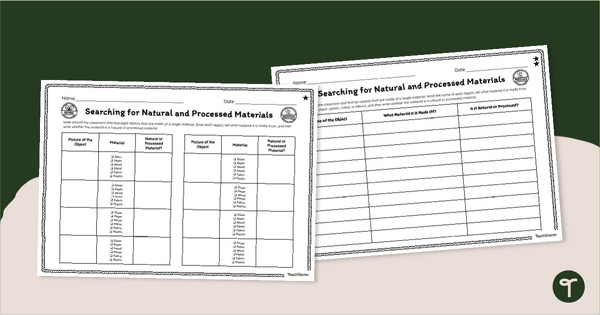
Searching For Natural and Processed Materials Activity
Explore the environment, identify common materials, and learn where they come from with a scavenger-hunt-styled Natural and Processed Materials Activity.
- Plus Plan
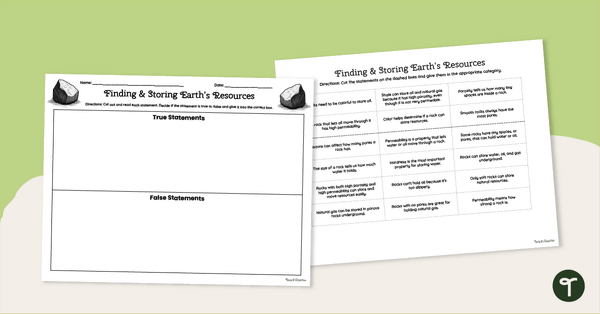
Finding & Storing Earth’s Natural Resources Worksheet
Review the properties of rocks that allow for natural resource storage with a printable Finding Fossil Fuels Cut and Paste Worksheet.
- Plus Plan
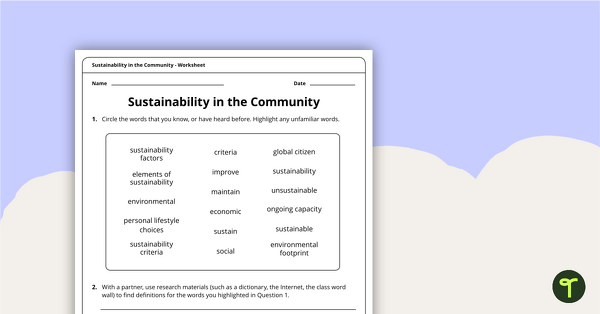
Sustainability in the Community Worksheet
A worksheet that explores the vocabulary of sustainability.
- Plus Plan
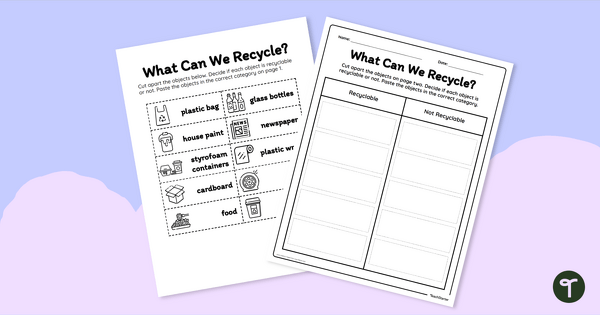
What Can We Recycle? Cut and Paste Worksheet
Remember what to recycle with a cut-and-paste worksheet.
- Plus Plan
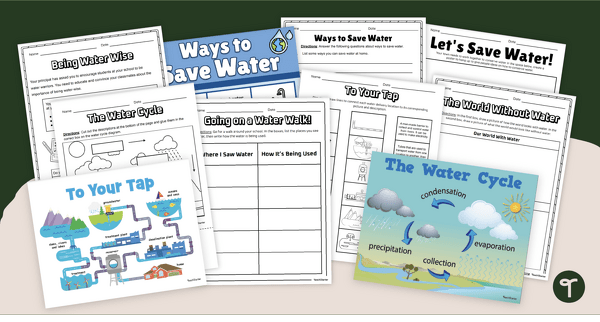
Water is Life Resource Pack
Discover the world of water with a 15-page resource pack of posters, worksheets, and activities for teaching about how we use water and where it comes from.
- Free Plan
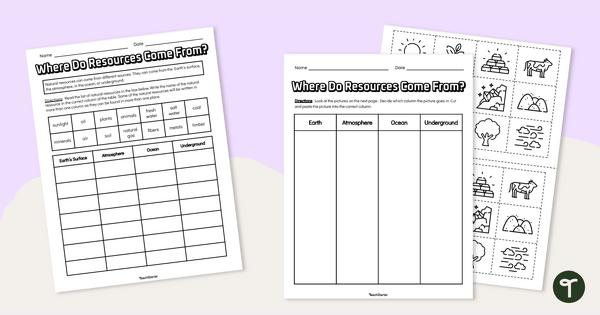
Where Do Natural Resources Come From? Differentiated Worksheet
Explore where natural resources are found with a pair of differentiated natural resource worksheets.
- Plus Plan
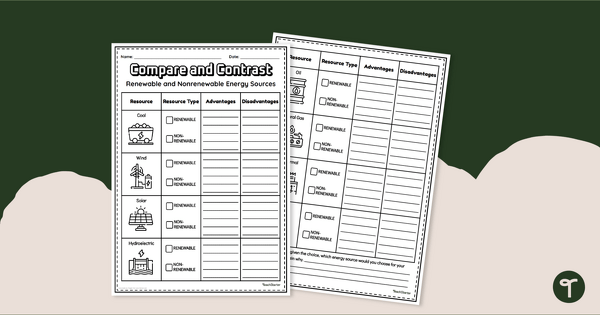
Comparing Energy Sources Worksheet & Graphic Organizer
Compare and contrast different types of renewable energy sources with a printable graphic organizer.
- Plus Plan
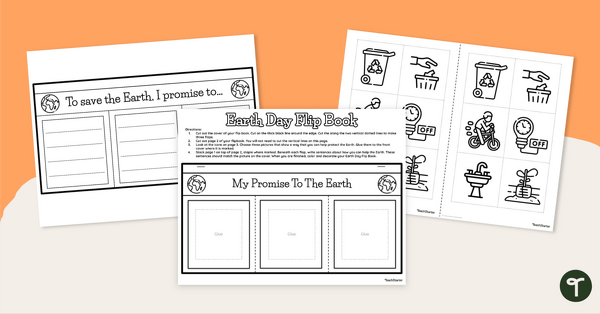
My Promise to the Earth - Flipbook Template
Make a promise to protect the planet with a printable Earth Day flip book.
- Plus Plan
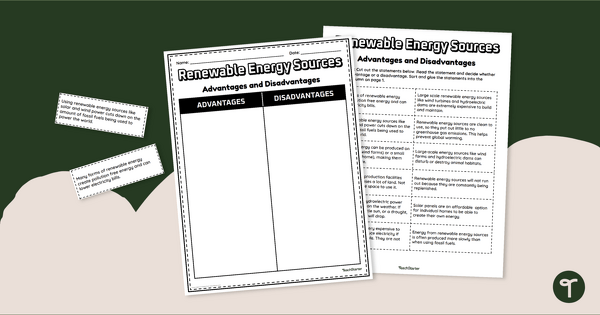
Advantages and Disadvantages of Renewable Energy Worksheet
Discover the advantages and disadvantages of renewable energy sources with a cut-and-paste sorting worksheet.
- Plus Plan
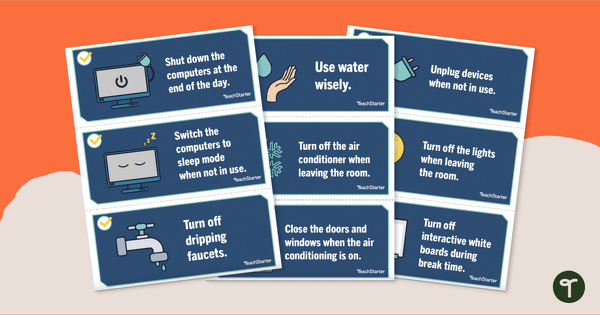
Conserve Energy in the Classroom – Student Reminders
Inspire your students to conserve electricity with these energy-saving reminders that can be placed around the classroom.
- Plus Plan
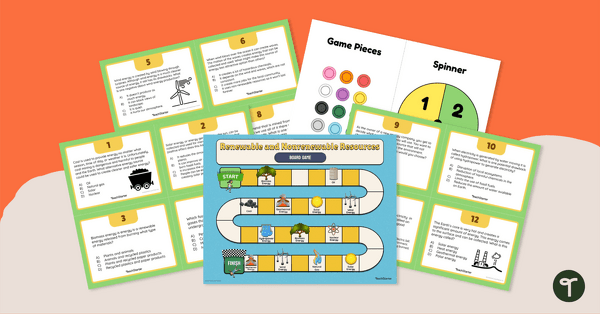
Renewable and Nonrenewable Resources – Board Game
Answer questions related to renewable and nonrenewable resources with this printable board game.
- Free Plan
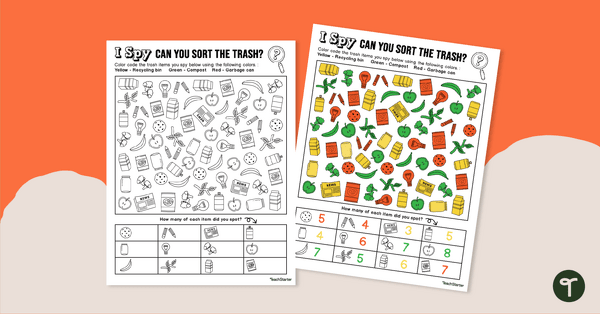
Recycling I Spy and Sort Worksheet
Sort different pieces of trash into their appropriate bins with this I Spy worksheet.
- Free Plan
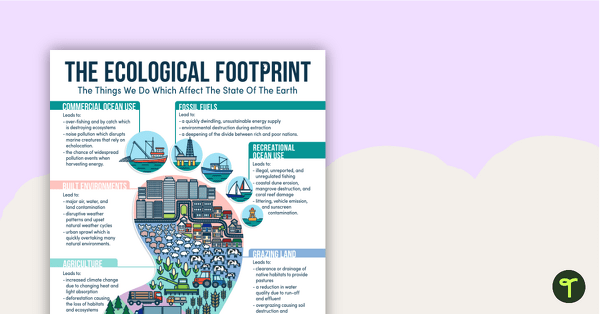
My Ecological Footprint - Reference Sheet
Teach your students about the things we do that affect the Earth with an ecological footprint reference sheet.
- Free Plan
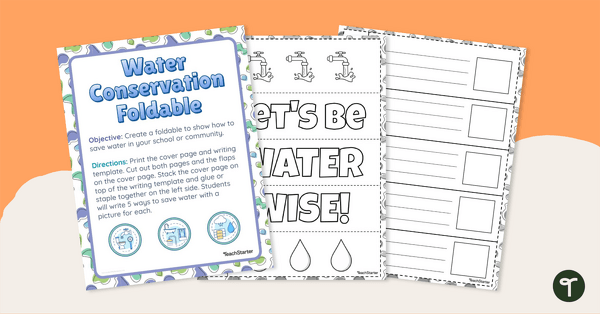
Water Conservation Foldable
Display different ways to save water with this water conservation foldable.
- Plus Plan
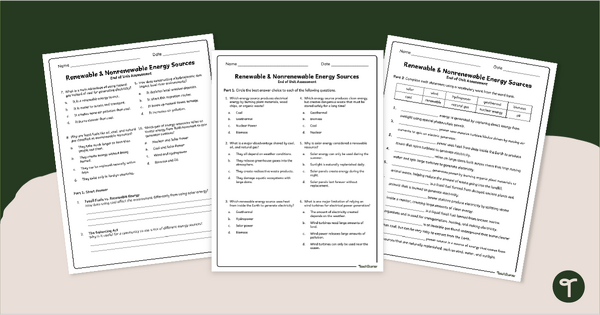
Renewable & Nonrenewable Energy Quiz
Assess your students' knowledge of alternative energy sources with a printable Renewable & Nonrenewable Energy Quiz.
- Plus Plan

Alternative Energy Source Graphic Organizers
Take note of the advantages and disadvantages of alternative energy sources in the real world with a set of printable Energy Source Graphic Organizers.
- Plus Plan
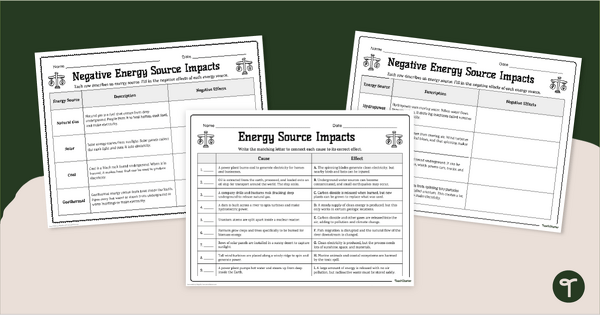
Energy Source Impact Worksheets
Explore the effects of alternative energy sources with a pair of printable Energy Source Impact Worksheets.
- Plus Plan
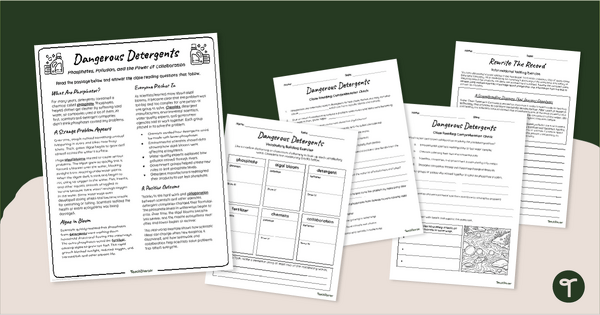
‘Dangerous Detergents’ Reading Comprehension Worksheets
Explore the importance of collaboration between scientists and the effects of phosphates on the environment with our printable ‘Dangerous Detergents’ Reading Comprehension Worksheet Pack.
- Plus Plan
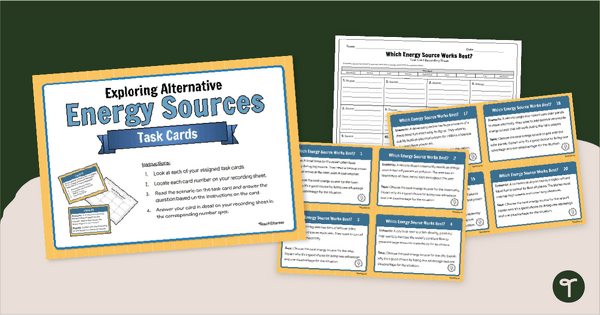
Alternative Energy Source Activity Cards
Explore a variety of energy generation methods with a printable Alternative Energy Source Activity pack.
- Plus Plan
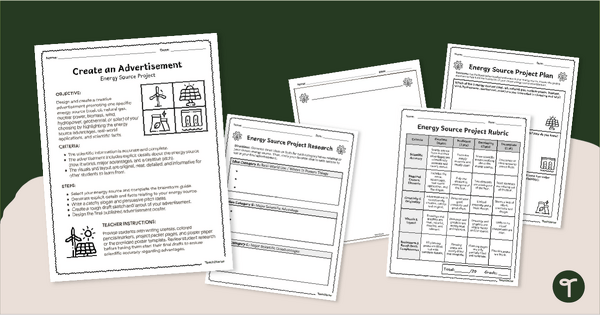
Alternative Energy Sources Poster Project
Research, explore, and learn about alternative energy sources with an engaging Energy Sources Poster Project.
- Plus Plan
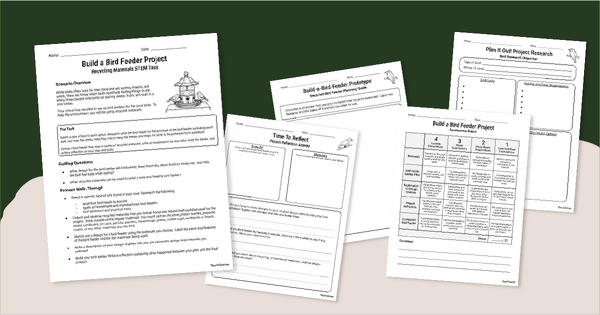
Build a Bird Feeder Project (Recycling)
Experience the engineering process and introduce your students to sustainable design with an exciting Build-a-Bird Feeder project using recycled materials.
- Plus Plan
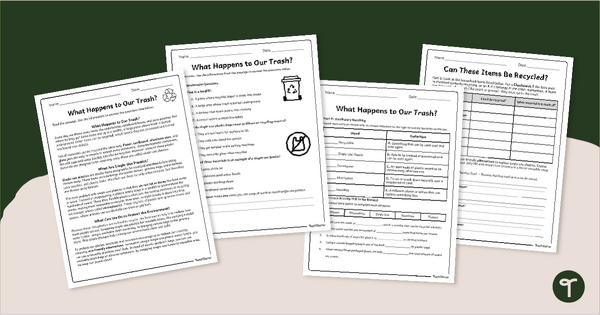
Alternatives to Single Use Plastics - Worksheet Pack
Explore ways to reduce plastic waste with a printable Alternatives to Single-Use Plastics Worksheet Pack.
- Renewable & Nonrenewable Resources Worksheets
- Renewable & Nonrenewable Resources Posters
- Renewable & Nonrenewable Resources Templates
- Renewable & Nonrenewable Resources for Kindergarten
- Renewable & Nonrenewable Resources for 1st Grade
- Renewable & Nonrenewable Resources for 2nd Grade
- Renewable & Nonrenewable Resources for 3rd Grade
- Renewable & Nonrenewable Resources for 4th Grade
- Renewable & Nonrenewable Resources for 5th Grade
- Renewable & Nonrenewable Resources for 6th Grade