ELAR 1.2
Developing and sustaining foundational language skills: listening, speaking, reading, writing, and thinking--beginning reading and writing. The student develops word structure knowledge through phonological awareness, print concepts, phonics, and morphology to communicate, decode, and spell. The student is expected to:
- (1) demonstrate phonological awareness by:
- (A) producing a series of rhyming words;
- (i) recognizing spoken alliteration or groups of words that begin with the same spoken onset or initial sound;
- (ii) distinguishing between long and short vowel sounds in one-syllable words;
- (iii) recognizing the change in spoken word when a specified phoneme is added, changed, or removed;
- (iv) blending spoken phonemes to form one-syllable words, including initial and/or final consonant blends;
- (v) manipulating phonemes within base words; and
- (vi) segmenting spoken one-syllable words of three to five phonemes into individual phonemes, including words with initial and/or final consonant blends;
- (vii) demonstrate and apply phonetic knowledge by:
- (B) decoding words in isolation and in context by applying
common letter sound correspondences;
- (i) decoding words with initial and final consonant blends, digraphs, and trigraphs;
- (ii) decoding words with closed syllables; open syllables; VCe syllables; vowel teams, including vowel digraphs and diphthongs; and r-controlled syllables;
- (iii) using knowledge of base words to decode common compound words and contractions;
- (iv) decoding words with inflectional endings, including -ed, -s, and -es; and
- (v) identifying and reading at least 100 high-frequency words from a research-based list;
- (vi) demonstrate and apply spelling knowledge by:
- (C) spelling words with closed syllables, open syllables,
VCe syllables, vowel teams, and r-controlled syllables;
- (i) spelling words with initial and final consonant blends, digraphs, and trigraphs;
- (ii) spelling words using sound-spelling patterns; and
- (iii) spelling high-frequency words from a research-based list;
- (iv) demonstrate print awareness by identifying the information that different parts of a book provide;
- (D) alphabetize a series of words to the first or second letter and use a dictionary to find words; and
- (E) develop handwriting by printing words, sentences, and answers legibly leaving appropriate spaces between words.
- (A) producing a series of rhyming words;
- Plus Plan
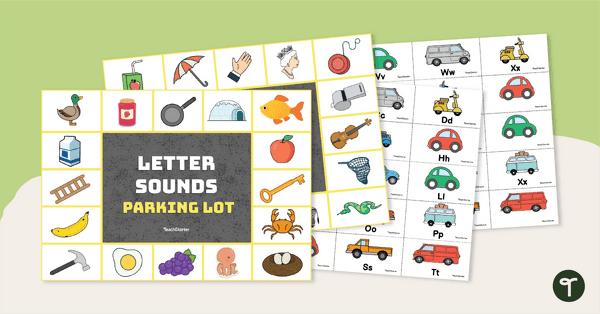
Letter Sounds Matching Game - Parking Lot
Practice applying letter-sound correspondence with this set of upper and lowercase letter cards and matching game boards.
- Plus Plan
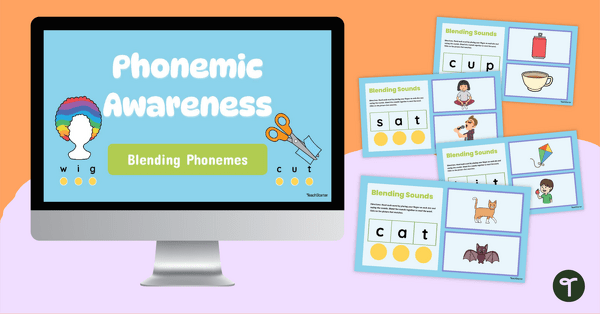
Blending CVC Word Activity
Use this Blending CVC Word Activity with your students to get them practicing blending simple CVC words.
- Plus Plan
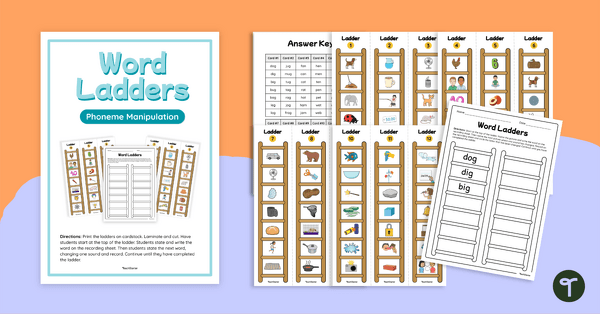
Sound Manipulation Word Ladder Activity
Develop your students' phonological awareness with this phoneme substitution word ladder activity.
- Plus Plan
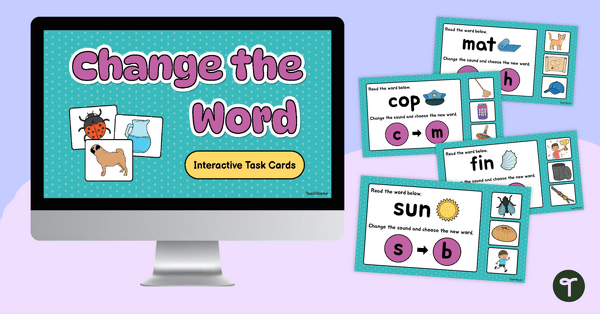
Phoneme Manipulation Interactive Task Cards
Practice phoneme manipulation with your students using this fun and engaging interactive activity.
- Plus Plan
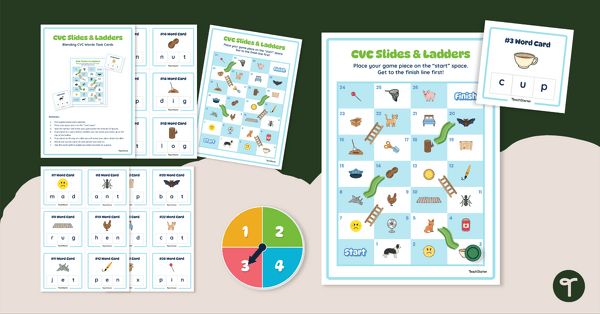
Blending Words Slides and Ladders Game
Play slides and ladders with your students and get them practicing blending CVC words with this fun and engaging game board.
- Plus Plan
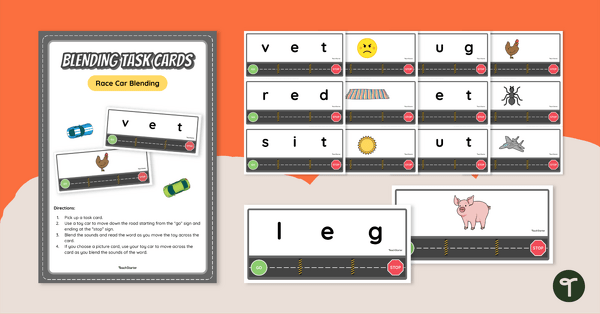
CVC Blending Word Car Mats
Get students excited about blending simple CVC words with these engaging car-themed blending road mats!
- Plus Plan
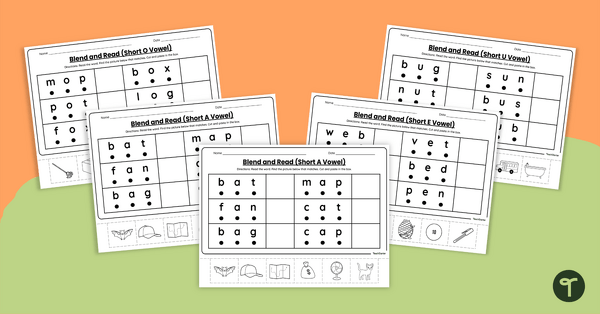
CVC Word Blending Cut and Paste Worksheets
Help students practice blending and reading CVC words with this set of 6 cut-and-paste worksheets.
- Plus Plan
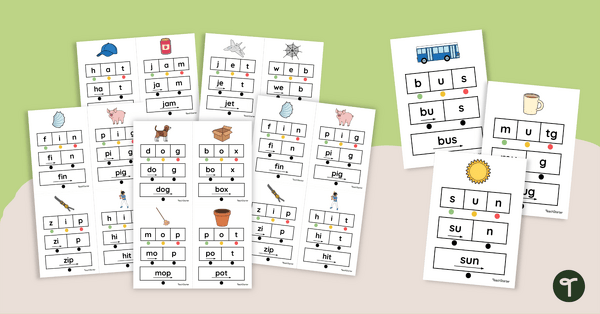
CVC Successive Phoneme Blending Task Cards
Help students blend CVC words by using the successive blending technique with this set of easy to use phoneme blending task cards.
- Plus Plan
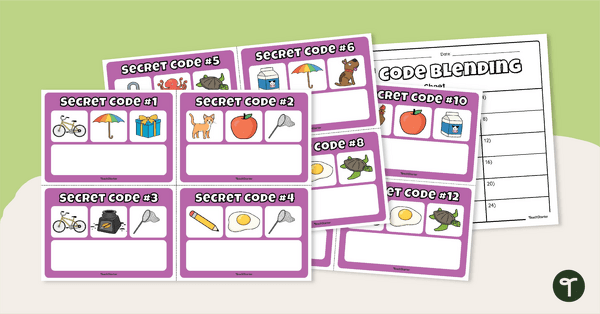
Secret Code Phoneme Blending Task Cards
Explore phoneme blending with this set of engaging secret code blending CVC word task cards.
- Free Plan
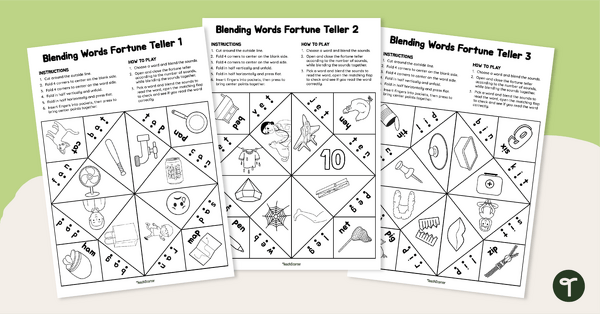
Blending Words Fortune Teller Templates
Help students practice blending CVC words with these interactive fortune teller templates.
- Plus Plan
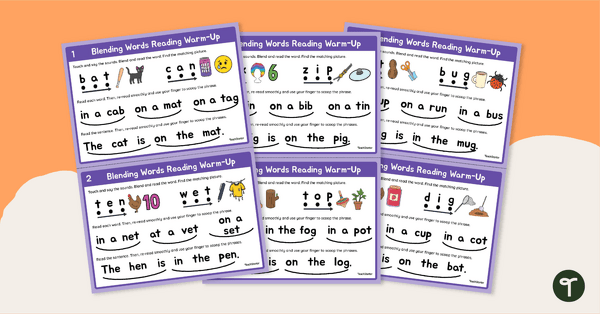
Blending Words Reading Warm-Up Task Cards
Get your students ready for reading with these blending words reading warm-up task cards.
- Plus Plan
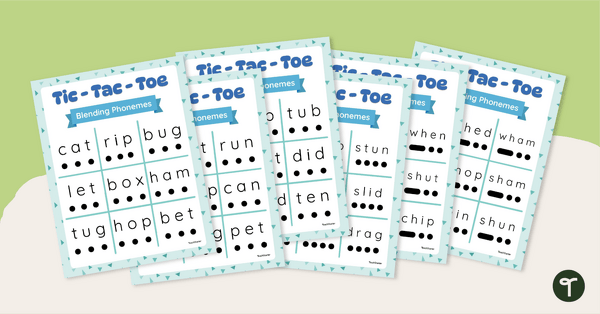
Tic-Tac-Toe Blending Phonemes Game
Develop your students' blending phonemes in CVC and CCVC words with a set of 10 Tic-Tac-Toe board games.
- Plus Plan
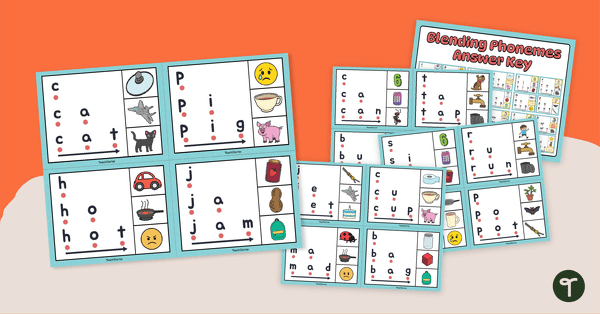
Blending Phonemes Clip Cards
Provide students with the ability to practice successive blending of phonemes with this set of clip cards.
- Plus Plan
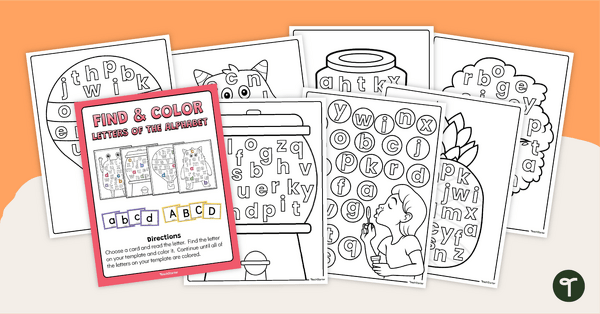
Find and Color Alphabet Activity
Help students recognize different letters of the alphabet with this find and color worksheet pack.
- Free Plan
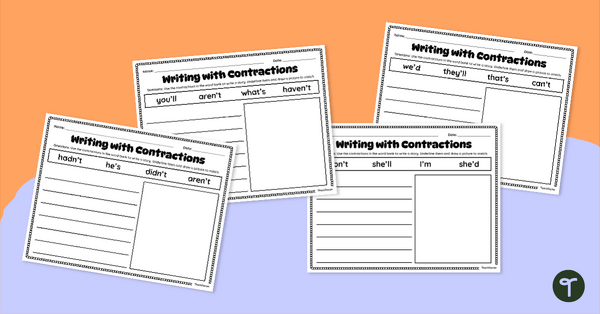
Contractions Writing Activity Pack
Put contractions into sentences to demonstrate an understanding of contractions in context using these writing worksheets.
- Plus Plan
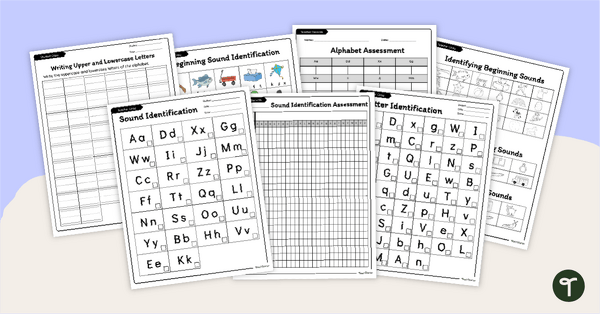
Alphabet Letter-Sound Correspondence Assessment Pack
Assess your students abilities to write their names, identify letters, letter sounds, and initial/middle/ending sounds with a printable alphabet assessment pack.
- Plus Plan
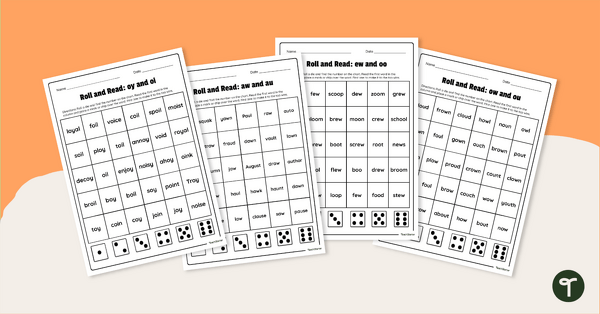
Roll and Read Vowel Teams Diphthong Activity
Explore different diphthongs with this fun gamified diphthong activity.
- Plus Plan
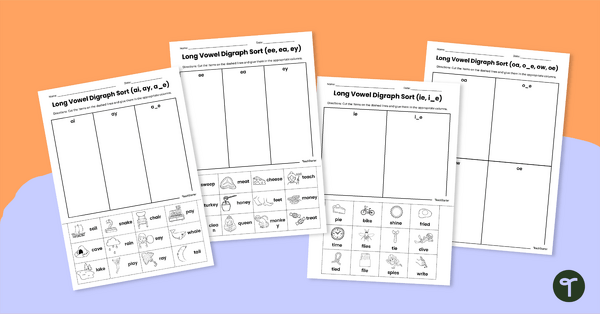
Long Vowel Digraph Cut-and-Paste Worksheet
Reinforce your students' knowledge of long vowel digraphs with this set of cut-and-paste worksheets.
- Plus Plan
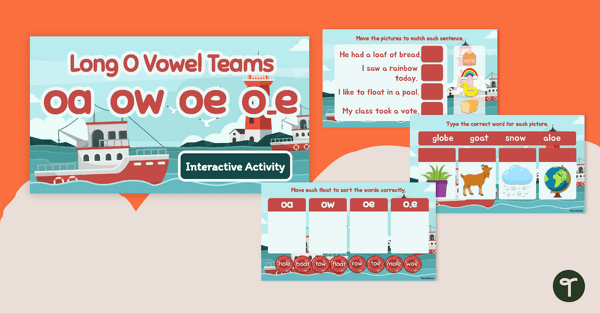
Long Vowel O Teams Interactive Activity
Practice identifying the different graphemes that spell the long /o/ sound with this fun boat-themed interactive activity.
- Plus Plan
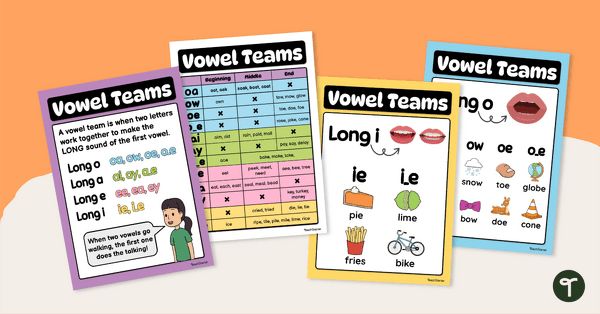
Vowel Teams Poster Set
Display this poster set in your classroom when teaching children about different vowel teams.
- Plus Plan
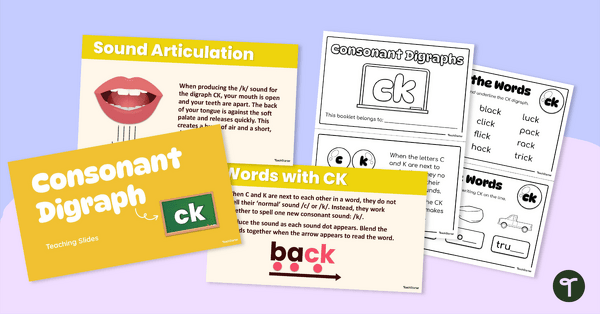
Ck Digraph Lesson Resource Pack
Introduce students to the ck digraph with this set of teaching slides and mini activity book.
- Plus Plan
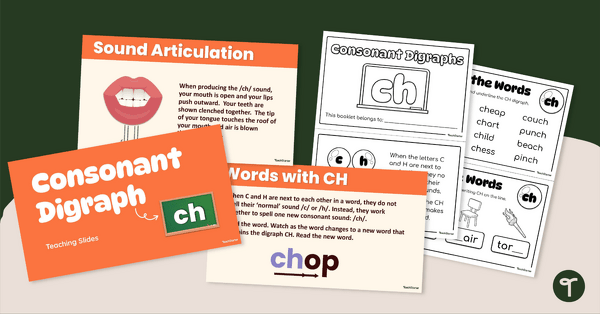
Ch Digraph Lesson Resource Pack
Introduce students to the ch digraph with this set of teaching slides and mini activity book.
- Plus Plan
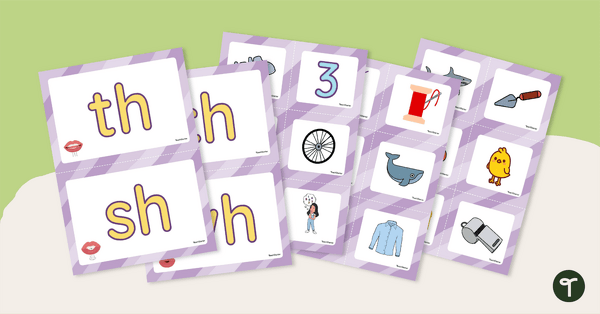
Beginning Digraphs Sorting Activity
Practice decoding words by their initial digraphs with a set of 20 picture sorting cards.
- Plus Plan
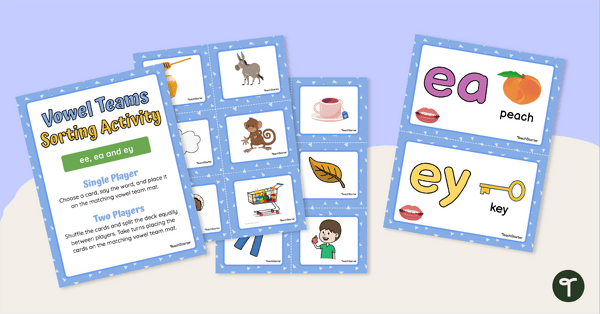
Vowel Teams Sort EE, EA, and EY
Decode words with EE, EA, or EY long "e" vowel teams using 18 picture cards with sorting mats.
- Plus Plan
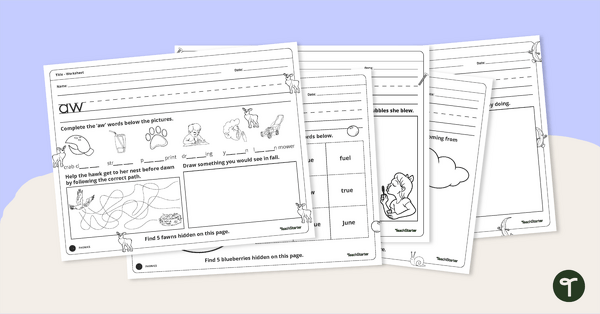
Vowel Teams Worksheet Pack
Practice writing and enhancing knowledge of vowel digraphs with this worksheet pack.
- Plus Plan
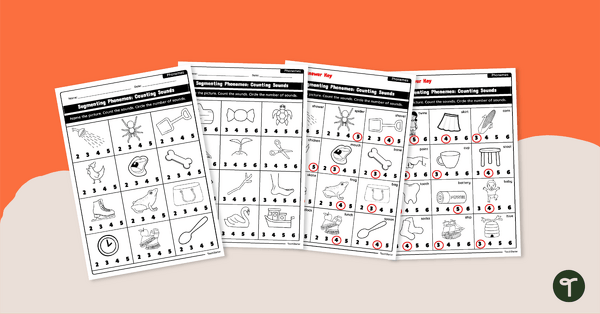
Phoneme Counting Worksheet Set
Count the sounds in words featured in this set of phoneme counting worksheets.
- Plus Plan
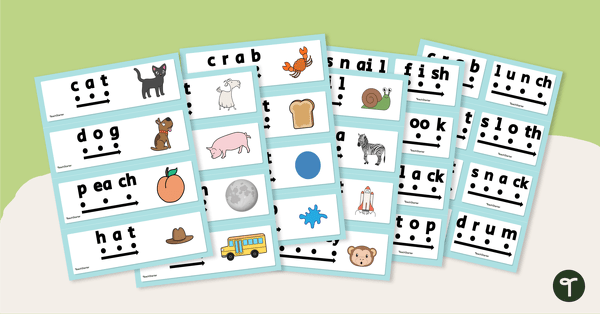
Blending Phonemes Fluency Strips
Develop students’ ability to blend phonemes in common words with this comprehensive set of phoneme blending fluency strips.
- Plus Plan
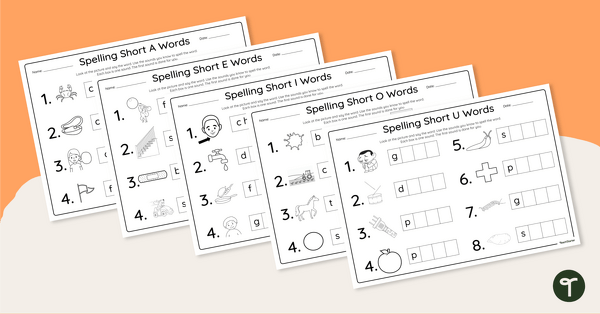
Spelling CCVC Words - Worksheets (Differentiated)
Develop students’ ability to segment and blend the sounds in CCVC words with this set of differentiated worksheets.
- Plus Plan
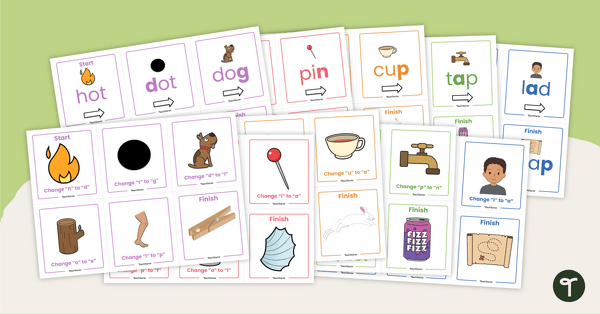
CVC Word Chain Sequencing Cards
Practice building word chains involving CVC words with these word chain sequencing cards.
- Plus Plan
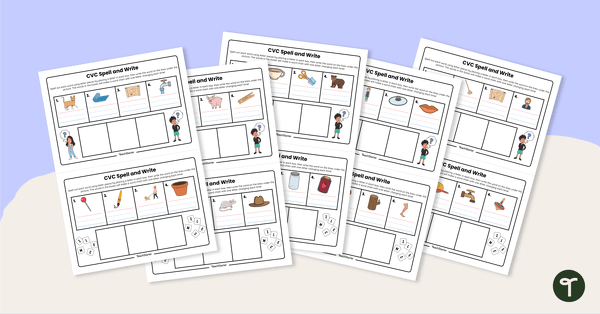
CVC Words - Spell and Write Task Cards
Practice spelling CVC words and manipulating their phonemes to create word chains with this set of hands-on work mats.
- Plus Plan
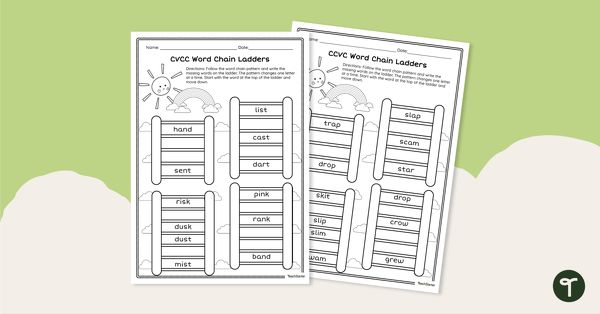
CVCC and CCVC Word Chain Ladders - Worksheets
Build word chains with CVCC and CCVC words using this set of printable phonics worksheets.
- Plus Plan
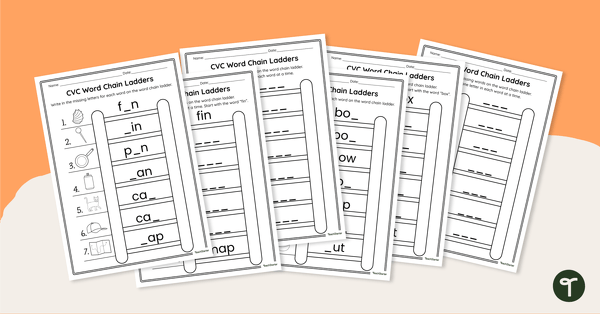
CVC Word Chain Ladders - Worksheets
Build word chains with CVC words using this set of printable phonics worksheets.